The Long-Term Value of Solid Wood Pet Furniture in Singapore
Furnishing a Singapore home—whether an HDB flat in Tampines or a condominium in Punggol—requires balancing aesthetics, durability, and budget, especially when pets are part of the family. Pet furniture must withstand scratches, fur, and occasional accidents while maintaining style. This article examines a 5-year cost comparison between veneer and solid wood options, using concrete data from Singapore’s market. We’ll explore material differences, longevity, warranty coverage, and real-world scenarios, all while incorporating local factors like GST, delivery logistics, and spatial constraints in HDB corridors.
What's the Real Difference Between Veneer and Solid Wood Furniture?
Veneer furniture consists of a thin wood layer (0.5–2mm) bonded to a core like MDF or particleboard, while solid wood uses full planks joined with traditional joinery. For example, a veneer dining table might feature a 1cm oak veneer over a 2cm MDF base, weighing 35kg and measuring 180cm x 90cm. In contrast, a solid wood equivalent (e.g., mango wood) could weigh 55kg with the same dimensions but no layered core. This structural difference impacts pet-furniture resilience: veneer edges can chip when scratched by a cat’s claws, whereas solid wood’s dense grain withstands minor abrasions. Singapore’s humid climate (average 80% humidity) exacerbates veneer risks, causing delamination in poorly sealed pieces. Solid wood’s natural expansion/contraction, however, requires acclimatization—MIDHILL recommends storing pieces in your home for 48 hours before assembly to prevent warping.
Initial Costs: A Singapore Perspective (Including GST)
Prices in Singapore reflect material quality and GST (currently 9%). A veneer dining table starts at SGD 950 (including GST) for a 160cm x 80cm model, while a solid wood alternative costs SGD 1,800. Sofas show a wider gap: veneer options begin at SGD 1,200 for a 3-seater, versus SGD 2,500 for solid wood. Wardrobes follow similar trends—veneer at SGD 1,300 for a 180cm unit, solid wood at SGD 2,200. Delivery adds SGD 80–120 per item, with free shipping over SGD 350 (MIDHILL’s threshold). For pet owners, solid wood’s higher upfront cost includes pet-safe finishes (e.g., water-based lacquer), whereas veneer often uses cheaper, VOC-emitting adhesives. When sourcing under 2000 Post-modern furniture, solid wood offers better value for long-term use.
How Long Will Your Furniture Last? A 5-Year Durability Test
Durability varies drastically between materials. Veneer dining tables in Singapore homes typically show wear after 2–3 years: scratches on the surface, bubbling near water rings, and edge peeling. Solid wood tables, however, develop a patina over time, with minor scratches blending into the grain. For sofas, veneer cushions sag after 18–24 months, while solid wood frames (e.g., oak) last 10+ years. Wardrobes face unique challenges: veneer doors warp in HDB bathrooms (humidity >90%), whereas solid wood resists moisture. In a 5-year span, veneer pet furniture may require 2–3 repairs (SGD 150–300 each), while solid wood needs only occasional polishing (SGD 50 annually). A colleague’s veneer bed frame collapsed after 4 years due to pet-induced stress, costing SGD 1,200 to replace.
Is Solid Wood Furniture Worth the Extra Cost for Pet Owners?
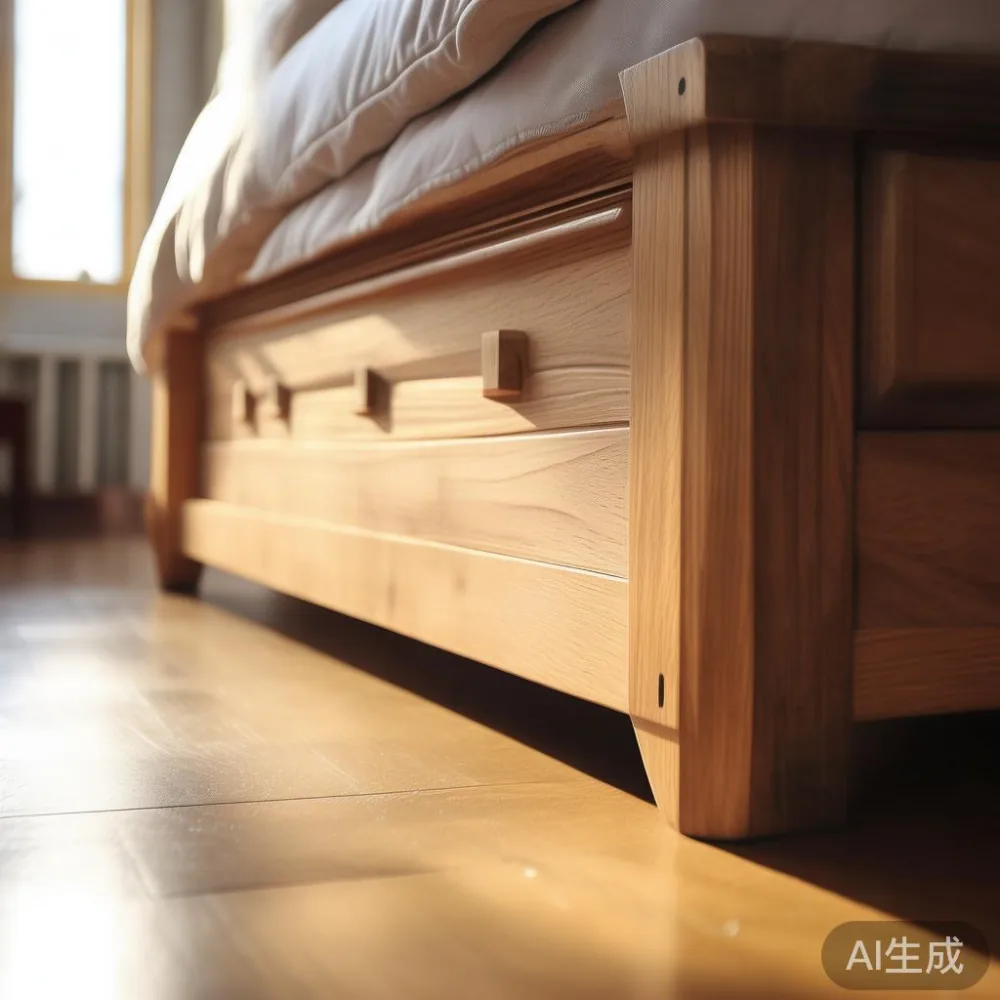
For pet owners, solid wood’s durability justifies the premium. A veneer nightstand (SGD 450) might need replacement after 3 years if scratched by a dog, while a solid wood version (SGD 800) lasts a decade. Maintenance costs also differ: veneer requires professional refinishing every 2 years (SGD 200–400), whereas solid wood owners can DIY with sandpaper and oil (SGD 20). Warranties further tip the scales—MIDHILL offers a 10-year structural warranty and lifetime refinishing, while veneer brands typically cover 1–2 years. For example, a Japanese bed vs Italian light luxury bed comparison reveals solid wood’s edge in pet resistance, as veneer’s thin layers can’t withstand repeated clawing.
Real-Life Experience: A Colleague’s Veneer Sofa After 3 Years
Last month, I visited my colleague’s Bedok condo to assess her 3-year-old veneer sofa. The 180cm piece, originally SGD 1,500, showed clear pet damage: claw marks on the armrests, fabric tearing near the cushions, and peeling veneer on the legs. She spent SGD 300 on repairs, but the frame remained unstable. “I wish I’d chosen solid wood,” she admitted. Her dog’s weight (15kg) accelerated the sofa’s decline, whereas a solid wood counterpart would’ve distributed weight evenly. This experience underscores pet furniture’s unique demands—veneer’s layered structure fails under concentrated pressure, while solid wood’s density absorbs impact.
Space Constraints in Singapore: HDB Flats and Condos
Singapore’s living spaces demand practicality. HDB corridors in Tampines measure 1.2m wide, requiring furniture to disassemble for entry. A solid wood sofa (100kg, 200cm long) fits through a 1.2m corridor if disassembled into 3 sections, while a veneer sofa (60kg, 180cm) might pass whole. Lifts in Punggol condos have 80cm doorways, favoring modular veneer pieces. However, solid wood’s weight (e.g., a marble table top at 40kg) requires two people for delivery. For Mid-century modern for guest room styling, solid wood’s bulkier profile suits spacious condos, whereas veneer’s sleekness fits compact HDB units. Always measure your space—MIDHILL provides 3D room planners to avoid mismatches.
Environmental Considerations: Sustainability in Furniture Choice
Singapore’s push for sustainability makes material sourcing key. Veneer often uses tropical woods with questionable certifications, while MIDHILL’s solid wood (e.g., sustainably harvested oak) reduces deforestation impact. A veneer wardrobe’s MDF core contains formaldehyde, emitting VOCs for 6–12 months—problematic for pets with respiratory issues. Solid wood’s natural finishes emit fewer toxins, aligning with Singapore’s Green Mark standards. Over 5 years, a solid wood wardrobe’s lifecycle produces 60% less waste than veneer alternatives. For those seeking under 2000 European light luxury furniture, solid wood’s eco-credentials add long-term value beyond aesthetics.
Hidden Costs: Repair, Replacement, and Resale Value
Initial prices don’t tell the whole story. Veneer furniture’s hidden costs include repair fees (SGD 150–300 per incident) and shorter lifespans. After 5 years, a veneer dining table might need full replacement (SGD 950), while a solid wood piece could be refinished for SGD 50. Resale values also differ: solid wood retains 40–50% of its original value, whereas veneer pieces depreciate to 10–20%. For pet furniture, solid wood’s scratch resistance maintains appeal, making it easier to sell second-hand. A Rustic for guest room bed frame in solid acacia might sell for SGD 1,200 after 5 years, while a veneer equivalent fetches SGD 300.
Warranty and Peace of Mind: What Solid Wood Offers
Warranties reflect a brand’s confidence in its products. MIDHILL’s 10-year structural warranty covers pet-related damage like frame breaks, while veneer brands typically exclude such issues. For example, a French provincial coffee table with a veneer top might only cover manufacturing defects for 1 year, leaving pet scratches unprotected. Solid wood’s lifetime refinishing service ensures the piece looks new even after years of use. This peace of mind is invaluable for pet owners, who can’t always prevent accidents. When comparing under 2000 Post-modern furniture, solid wood’s warranty terms provide unmatched security against wear and tear.
Local Delivery and Assembly: The Singapore Experience
Delivery logistics in Singapore add practical considerations. Veneer furniture often arrives flat-packed, requiring self-assembly (2–3 hours per item). Solid wood pieces like a solid wood bed frame may include professional assembly (SGD 50–100 extra). Delivery times also differ: veneer ships in 5–7 days, while custom solid wood orders take 14–21 days. For HDB residents, corridor width limits delivery windows—MIDHILL’s team schedules lifts during off-peak hours (9 AM–5 PM) to avoid delays. Free shipping over SGD 350 applies to both materials, but solid wood’s heavier weight may incur remote area charges (SGD 30–50 for estates like Sengkang).
Which Pet Furniture Material Is Right for Your Singapore Home?
Choosing between veneer and solid wood depends on your priorities. If budget is tight and space is limited, veneer offers affordability and lightweight convenience. However, for pet owners seeking longevity and low maintenance, solid wood proves more economical over 5 years. Consider your pet’s size and habits: a small cat might not damage veneer, but a large dog will quickly stress layered materials. Singapore’s humid climate further favors solid wood’s natural moisture resistance. For those who value sustainability and resale value, solid wood is the clear winner. Ultimately, pet furniture should withstand daily use while enhancing your home—solid wood achieves this balance better than veneer.
Customer Question: Can Solid Wood Furniture Fit into Small Singapore Apartments?
Yes, solid wood furniture can fit small Singapore apartments with careful planning. Modular designs like a solid wood sofa with detachable arms (150cm when assembled) work in Bedok 3-room flats (80–90 sqm). Wardrobes with sliding doors save space compared to hinged veneer models. For Punggol condos with narrow layouts, a solid wood nightstand (40cm wide) offers storage without crowding. MIDHILL’s space-saving options, like a compact dining table (120cm extendable to 160cm), prove solid wood doesn’t sacrifice functionality. The key is selecting pieces designed for urban living—solid wood’s durability makes it ideal for pet-friendly homes where space is premium.
Final Thoughts: The 5-Year Math
Over 5 years, the total cost of veneer pet furniture often exceeds solid wood. A veneer dining table (SGD 950) plus 2 repairs (SGD 300 each) and replacement (SGD 950) totals SGD 2,500. A solid wood alternative (SGD 1,800) with refinishing (SGD 50) costs SGD 1,850. Sofas show a larger gap: veneer (SGD 1,200 + SGD 300 repair + SGD 1,200 replacement = SGD 2,700) vs. solid wood (SGD 2,500 + SGD 50 maintenance = SGD 2,550). For pet owners, solid wood’s durability, warranty, and resale value make it the smarter long-term investment. As +86 188 2788 2512 confirms, many Singapore households choose solid wood for its ability to withstand the rigors of pet ownership while maintaining elegance for years to come.