Caring for Lacquered Solid Wood Furniture in Singapore's Tropical Climate: A Pet Owner's Guide
I keep a small notebook on my dining table in Tampines where I scribble maintenance notes after every home visit. Last month I spent a Saturday morning at a friend's new 4-room BTO in Punggol, watching her two Shiba Inus circle a brand-new lacquered solid wood dining table like it was prey. Within twenty minutes, one of them had pressed a wet nose against the side panel, and a faint ring was already forming. She panicked. I took a soft microfibre cloth out of my bag, wiped the area, then walked her through the same routine I use on showroom pieces. By the time the air-con hit 24 degrees that evening, the ring was gone. That single visit is why I am writing this: lacquered furniture in a Singapore flat, whether it is a solid wood bed frame, a 1.4 m marble table in the living room, or a tall wardrobe squeezed between the corridor wall and the bedroom door, behaves very differently here than in a temperate country.
Why Singapore's Climate is Hard on Lacquer
Lacquer is a finish, not a sealant. It cures into a hard skin over the wood, but that skin is still porous at a microscopic level. Relative humidity in Singapore sits between 70 and 85 percent for most of the year, and afternoon temperatures regularly climb past 32 degrees. Solid wood expands and contracts with that moisture swing — a 1.8 m wardrobe panel in a non-airconditioned corridor can move up to 3 mm across a single day. Lacquer moves with the wood, but only up to a point. Push it past its elasticity with sudden humidity drops from a 12-hour air-con blast, and you get hairline cracks called crazing.
Add pets to the picture and the stress multiplies. A medium-sized cat that weighs 4 to 5 kg can leave claw marks on a poorly cured lacquer within a week. A larger breed such as a golden retriever, around 28 to 32 kg, can scuff the corner of a nightstand just by brushing past it on the way to the water bowl. The good news is that factory-applied lacquers from a serious maker — MIDHILL in Foshan, for example, has been applying multi-layer PU and NC lacquers since 2008 — are designed to handle exactly this. The challenge for the owner is daily habits.
Where can I buy a accent chair in Singapore?
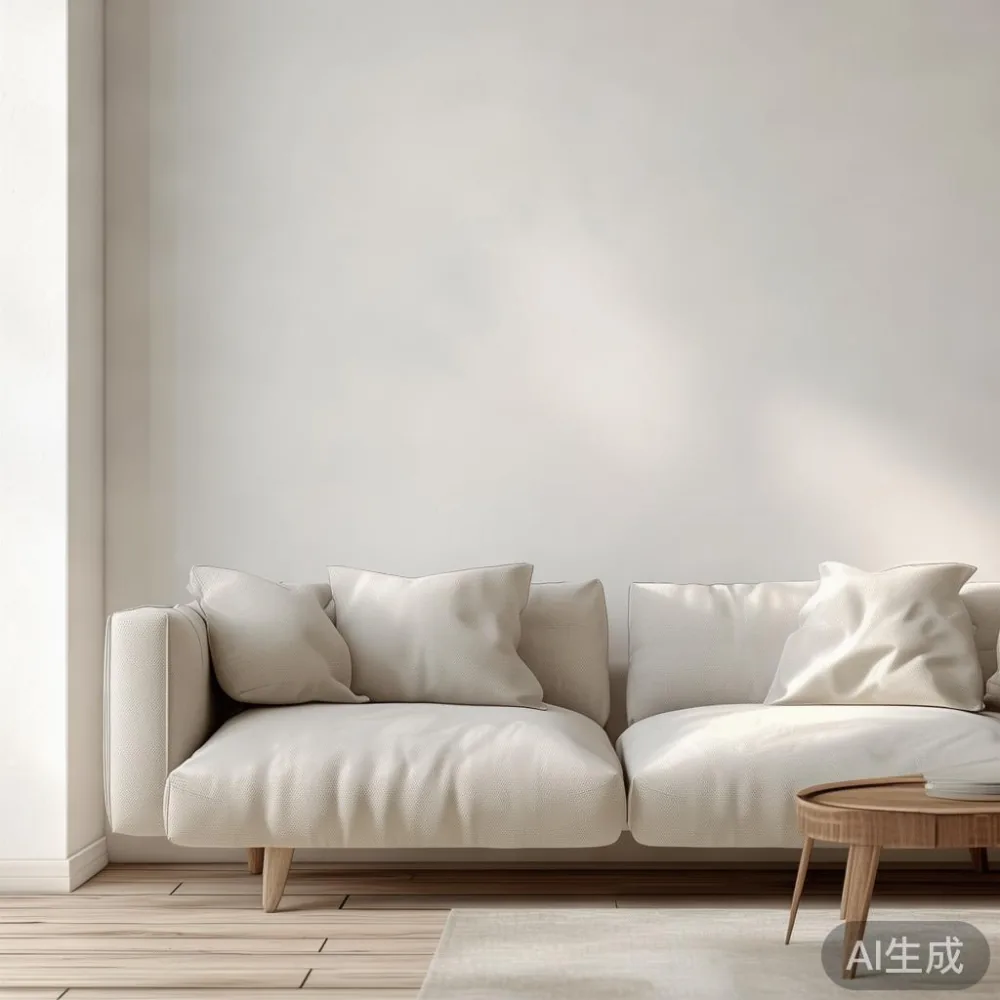
You can buy an accent chair in Singapore directly from a few established solid wood makers exporting from Foshan, through their official Singapore pages, with delivery in 25 to 40 working days and free shipping above US$350, which currently works out to about SGD 480 at the prevailing exchange rate. For pet households, choose a chair with a closed-grain lacquer (matte or satin, not high-gloss), a removable seat cushion wrapped in washable boucle or leather, and legs that lift the seat at least 38 cm off the floor so a robotic vacuum can pass underneath. A single accent chair typically weighs between 12 and 18 kg, fits a standard 1.1 m lift in any HDB block, and can be wheeled through a 90 cm corridor door without disassembly. Ask the seller for the lacquer system data sheet (PU, NC, or water-based) and the Taber abrasion rating; anything above 800 cycles is suitable for a flat with one cat or one small dog.
The First 30 Days: Acclimating a New Piece
Solid wood furniture is rarely stored in tropical conditions before it reaches your flat. A dining table that left a Foshan warehouse at 60 percent humidity will walk into your Bedok condo at 80 percent and start absorbing moisture the moment the carton is opened. I always tell clients to leave the packaging off for the first 6 hours so the air can circulate, then to keep the piece in its final position for 72 hours before placing anything heavy on it.
During those three days, run your air-con at a steady 23 to 25 degrees rather than the usual 20-degree blast. A 5-degree swing is far gentler on lacquer than a 12-degree swing. Wipe the surfaces with a dry microfibre cloth every morning to pick up condensation before it sits on the finish. If you bought a navy solid wood queen bed — a colour that shows dust and paw prints more clearly than walnut or oak — the first 30 days are when you set the cleaning habit that will carry the next ten years.
Pet note: keep new furniture physically separated from curious animals for the first week. A simple baby gate across the bedroom doorway costs SGD 25 to SGD 40 at any Tampines Mall baby store and saves you from a scratch that no refinisher can fully hide.
Daily and Weekly Care for Pet Households
Daily care is short and unglamorous. After the last walk of the evening, wipe down every lacquered surface that your pet touches — the top of a nightstand, the headboard of a solid wood bed frame, the edge of a side table — with a dry microfibre cloth. Pet hair carries a thin film of saliva and skin oil. Left overnight in a 26-degree room, that film bonds to lacquer and dulls the sheen within a season.
Weekly care is a damp wipe, not a wet wipe. Lightly mist a clean cloth with a 1:10 solution of white vinegar and filtered water, then wipe in the direction of the wood grain. Dry immediately with a second cloth. Never spray directly onto the furniture; overspray lands on the floor, gets walked into the lacquer by pet paws, and leaves footprints that are surprisingly hard to buff out.
For a dining table that sees three meals a day plus a dog waiting under it, add a monthly pass with a paste wax designed for PU lacquer. A 200 g tin costs around SGD 18 to SGD 28 at hardware chains in Singapore, and one tin covers a 1.6 m table for roughly 18 months. Apply with a soft pad, wait 20 minutes, buff with a clean cotton cloth. The wax fills micro-pores, which slows moisture exchange and gives claw tips less to grab onto.
Dealing with Real Damage: Rings, Smells, and Scratches
Three problems come up in almost every Singapore household with pets. The first is the white ring from a wet bowl, a dripping tennis ball, or a cold glass left on a side table. For a fresh ring (under 24 hours), rub gently with a cloth wrapped around a finger dipped in a small amount of mayonnaise or petroleum jelly, then buff dry. The oil re-saturates the dulled lacquer. For an older ring, use a melamine foam sponge (a small pack costs SGD 5 at any FairPrice) with a tiny amount of water, and rub in straight lines, not circles.
The second problem is pet odour absorbing into the wood grain. Lacquer slows this down but does not stop it, especially on the lower 20 cm of a wardrobe door that a large dog presses against every morning. A light spray of diluted fabric freshener on a cloth — never on the wood — and a wipe-down once a week keeps the issue under control. For deeper smells, place a small dish of baking soda on a shelf inside the wardrobe for 48 hours, then remove.
The third problem is the scratch. A single shallow scratch on a satin lacquer can be camouflaged with a furniture marker matched to the wood tone, available in Singapore for SGD 12 to SGD 22. For deeper marks, contact the maker. MIDHILL, among other established factories, offers lifetime refinishing on structural components and a 10-year structural warranty, which means a qualified technician can sand and re-lacquer a damaged panel rather than replacing the whole piece. That single service, used once over a decade, often justifies the cost of buying pet furniture from a serious workshop rather than a flat-pack chain.
Choosing Pieces That Survive a Multi-Pet Flat
Not all lacquered furniture is equal in a home with animals. A few practical rules I share with every client:
1. Closed-grain wood beats open-grain. Ash, oak, and teak have visible pores that trap pet hair. Beech, maple, and rubberwood — all common in Foshan production lines — have a tighter grain that wipes clean in seconds.
2. Matte or satin lacquer beats high gloss. Gloss shows every fingerprint and claw tip. A 20 to 30 percent sheen lacquer reflects light softly and forgives daily use.
3. Rounded edges beat sharp edges. A 4 kg cat running through a living room will not injure itself on a 12 mm radius edge. The same cat can split its paw open on a sharp 90-degree corner of a poorly designed side table.
4. Ask about the undercoat. A two-coat lacquer system is acceptable for a guest room. A five-coat system with sanding between each layer is what you want for a dining table that doubles as a dog-waiting station. The price difference for a 1.4 m table is usually SGD 150 to SGD 280, a small premium for a finish that lasts 12 to 15 years instead of 6.
5. Mind the dimensions. A standard HDB corridor is about 1.2 m wide, and a typical lift door is 0.9 m wide by 2.1 m tall. Any piece longer than 2.0 m, including a king-size solid wood bed frame, will need to enter the flat partially disassembled. Confirm with the seller that re-assembly is included and that the screws are stainless steel; in a coastal Singapore location, standard steel hardware will rust within two monsoon seasons.
Styling Lacquered Furniture in a Pet-Friendly Home
Function aside, lacquered pieces are central to the French light luxury and American light luxury look that has filled Singapore interior magazines over the past four years. The recipe is simple: a slim-profile solid wood bed frame in walnut or smoked oak, a round marble table under 80 cm in diameter for the entryway, a low dining table paired with boucle dining chairs, and a tall wardrobe in the same wood tone to anchor the wall. Pet furniture in this style is increasingly designed with covers, washable cushions, and replaceable panels, so the aesthetic does not have to break when a puppy arrives.
Post-modern light luxury takes the same palette and adds contrast — a black metal accent chair beside a cream lacquered nightstand, a navy solid wood queen bed against a panelled feature wall. The trick with lacquer in a darker colour is lighting: a 90-lumen LED strip under a wall-mounted shelf hides dust and paw prints that a 30-lumen bulb will broadcast to the whole corridor.
Whatever the style, build the cleaning routine into the room. A small basket of two microfibre cloths, a spray bottle, and a tin of paste wax kept inside the wardrobe means that the five-minute nightly wipe is never more than a few steps away. Over a year, that is roughly 30 hours of care. Over a decade, the same piece of furniture is the one you still use, the one you still like, and the one your pet has learned to nap against without damaging.
What to Do Before You Buy
Before placing an order, ask the seller for the lacquer technical sheet, the wood species and moisture content at the time of packing, the warranty terms in writing, and confirmation that the piece will fit through a 90 cm door and a 1.1 m lift. Ask whether the maker has experience with pet furniture specifically, and request photos of pieces in customer homes with dogs or cats. A reputable Foshan maker exporting to 15 or more countries will have that documentation ready. Avoid any seller who cannot tell you whether the lacquer is PU, NC, UV-cured, or water-based — that single detail tells you more about the quality of the finish than any marketing photograph.
Finally, plan for delivery. Sea freight from Foshan to Singapore takes 18 to 28 days, and door-to-door delivery in Singapore adds another 7 to 14 days depending on whether you live in a Punggol condominium with a service lift or a walk-up in old Bedok. Build a 6 to 8 week buffer into any renovation timeline so the furniture arrives in a finished room, not a half-painted one. With the right piece, the right finish, and fifteen minutes of care a day, lacquered solid wood furniture in Singapore does not just survive the climate and the pets — it quietly outlasts both.