Small-Apartment Living in Singapore: Styling Pet-Friendly Interiors Without the Crowd
Singapore’s compact homes make furniture planning a study in centimetres, clearances and visual restraint. In an HDB flat in Tampines, a 90 cm dining table may need to disappear after meals. In a Bedok condo, a curved corridor and a narrower-than-usual lift can determine whether a large wardrobe even reaches the bedroom. Add a pet, and every open shelf, sharp corner and low seat becomes part of the daily layout rather than a static display.

The aim is not to remove personality from the home. It is to make each piece earn its footprint. Low-profile solid wood furniture, coordinated storage and pet furniture with concealed scratch surfaces can produce a room that reads generous, even when the floor area is only 38 sqm. Prices below are indicative Singapore retail estimates in SGD, with GST included, and dimensions are measured for planning rather than as a substitute for checking the access route to your unit.
How much floor space should you leave free in a small Singapore apartment?
For a compact flat, preserve at least 90 cm of clear walking space through the main route from the entrance to the kitchen, bedroom and bathroom. A 120 cm aisle is preferable around a dining table when chairs are occupied. Beside a sofa, allow 40–50 cm for a person to pass; beside a bed, one side should offer at least 60 cm, while the main side should offer 75–90 cm. These are usable dimensions, not merely gaps on a plan.
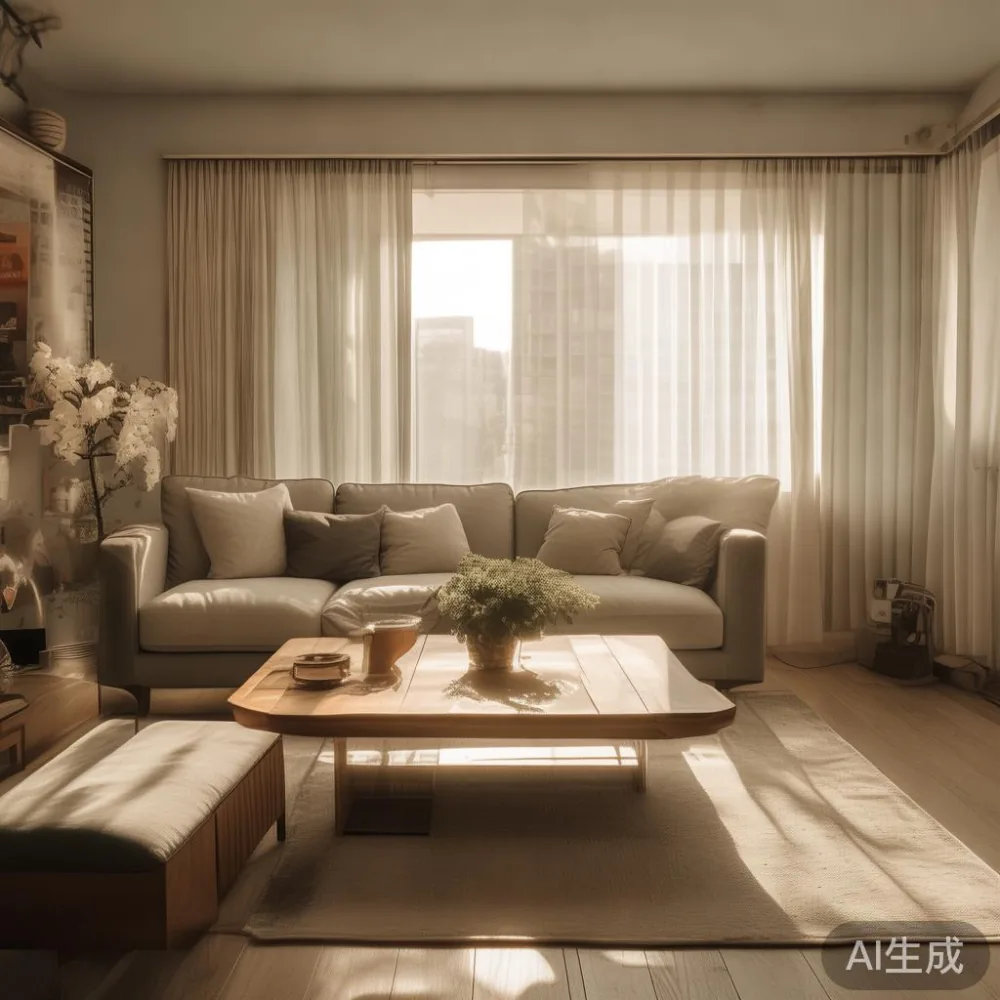
For an HDB living room, a 140–160 cm sofa gives a family of two or three enough width without pushing against the television wall. A 180–200 cm sofa can work in a larger Bedok or Punggol condo, but only if it leaves 90 cm behind it. Chairs should be pulled into a 90 cm footprint when not in use, and side tables should fit beneath the sofa’s front edge. Avoid arranging every seat around the television: a conversation zone of 140–160 cm can make the room feel more generous because there is fewer bulky outline to read.
Pet movement needs its own measurement. A 35–45 cm gap beside the sofa allows a medium dog to pass, although a cat may use a narrower route. Keep water bowls on washable trays, and position the longest scratching surface at least 10 cm from the wall so it does not create an accidental pinch point. Doorways should remain clear by at least 85 cm, while lifts and corridors need checking before a bulky item is ordered.
Which furniture should you choose for a small apartment with a pet?
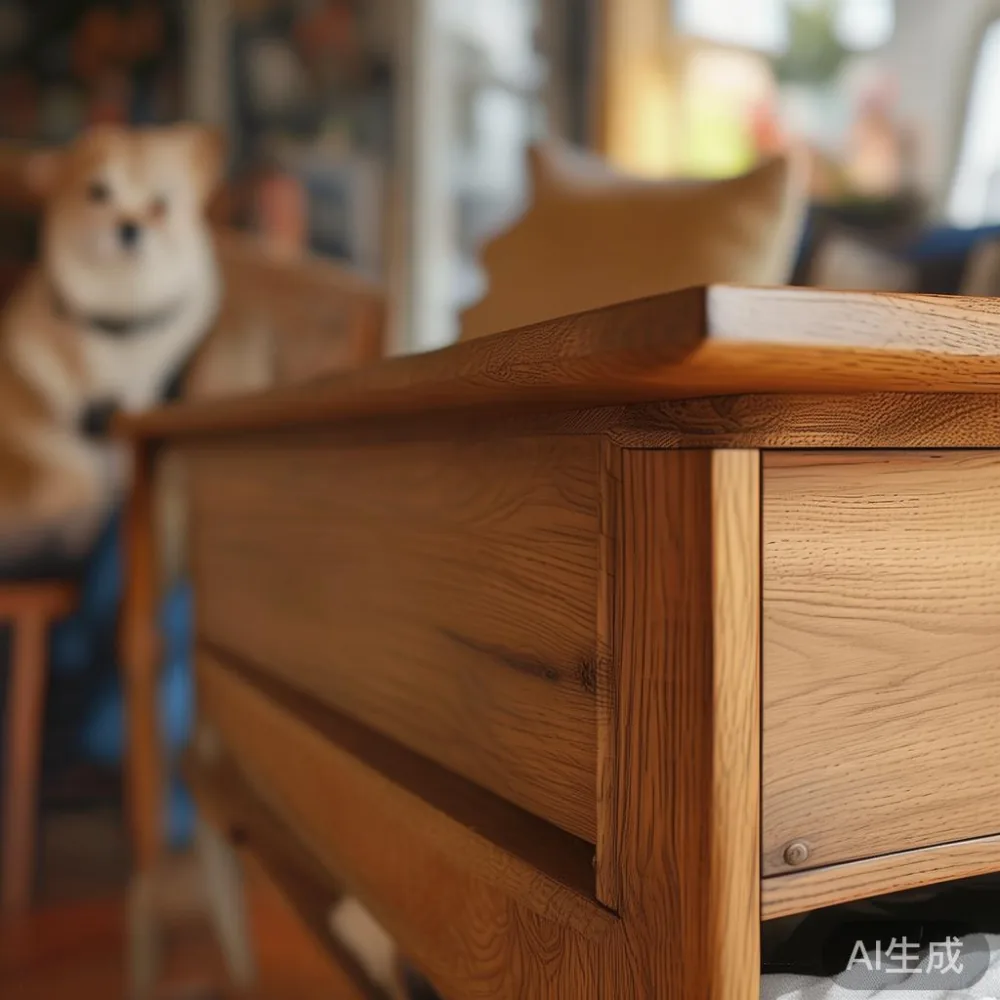
Choose furniture by proportion, function and maintenance, not by filling every wall. A 120–140 cm solid wood dining table with a 70–75 cm height is practical for four people in many compact dining rooms. Look for straight edges or softened corners, stable joints and finishes that can be repaired locally. For living rooms, a 160–170 cm solid wood sofa with washable loose covers offers more flexibility than a deeply upholstered model. The frame matters: kiln-dried hardwood, corner bracing and replaceable webbing provide a better foundation for years of use.
Storage should rise rather than spread. A wardrobe 150–180 cm wide and 200–220 cm tall can hold clothes without occupying a long wall, but planning must account for its actual depth. A 55–60 cm depth may suit folded clothes, while hanging rails often require 58–65 cm plus door clearance. A nightstand measuring 40–45 cm wide and 45–55 cm high keeps the bedside footprint controlled.
Pet furniture can share the same language without looking like a separate object. A 90–110 cm bench may double as a lounging perch if the cushion is firm, removable and washable. A 35–40 cm high scratching platform gives a small dog a dedicated station, while a 60–90 cm pet cabinet can conceal toys, litter supplies or feeding equipment. The cat tree belongs near a window or room corner, not in the main circulation route. A non-slip rug under the platform protects the floor and reduces vibration for neighbours below.
A marble table can make a compact entry look refined, but it needs restraint. Choose one with a 90–100 cm diameter and a slender pedestal base rather than four heavy legs. Keep it clear of the door swing and use a catch dish for water. At roughly SGD 650–1,250, a marble side table may cost more than a timber alternative; the value comes from the compact footprint and the way a pale stone surface reflects daylight, not from adding another full-size table.
What is the best European wardrobe for 2026 in a compact bedroom?
For a compact bedroom, the best European wardrobe for 2026 is the one that combines a controlled external volume with internal zoning. The phrase does not require imported styling; a locally made European-inspired carcass with solid wood details can suit Singapore conditions better than an oversized decorative unit. A 150 cm width, 58 cm depth and 210–220 cm height is a sensible starting point for one person or a couple with shared storage. Allocate about 55% of the interior to hanging and 45% to shelves, drawers and folded items.
Sliding or pocket doors reduce the clearance required in front of the wardrobe. If hinged doors are preferred, test the door swing over 90 degrees, leaving at least 60 cm beside the unit and checking that a vacuum can pass. Include one pull-out tray for jewellery, a dedicated 35 cm hanging zone for longer garments and closed storage for bulky bedding. Full-height mirrors can make the room appear wider, but they must be fixed safely and kept clear of pet collision zones.
If the material and proportions are under consideration, how to choose French provincial wardrobe comes down to practical adaptation. Traditional French provincial styling often relies on mouldings, curved fronts and a visually heavy silhouette, so selecting it for a 38 sqm flat needs caution. Use a restrained version with shallow relief, slim handles and a light finish. Avoid deeply carved doors because dust collects in the grooves and the added visual weight can make the bedroom feel narrower.
Allow 5–8 cm above the wardrobe for installation and ceiling access, and check whether the lift can carry the packaged weight. A 150 cm wardrobe may be delivered in 2–3 panels, each within 25–35 kg. MIDHILL’s 10-year structural warranty and lifetime refinishing service are relevant to long-term planning, although shoppers should still confirm the finish, access requirements and care instructions for their own unit.
How do you compare a solid wood sofa with a storage sofa bed?
Start with the room’s primary use. A solid wood sofa is durable and visually light when its arms and legs are modest, while a storage sofa bed solves an overnight-guest requirement. For a studio where a guest may stay twice a month, a 160–180 cm sofa bed with at least 40 cm of internal depth and a 190–200 cm sleeping length may be more useful than adding a separate guest chair that occupies permanent floor space.
When comparing light luxury sofa vs Modern sofa, do not let the labels obscure the construction. Light luxury may mean softer curves, layered upholstery and a warmer presence; Modern styling may use cleaner lines and a tighter frame. Both can suit an HDB flat if their footprint is controlled. A 165 cm three-seat model, 82–88 cm depth and 40–45 cm seat height will usually feel easier to use than a 210 cm sectional. Check that the pet can settle beside rather than beneath the sofa: a 12–15 cm clearance below a raised frame can become a hiding place, so close it with a slim upholstered panel or use a fitted base.
A European light luxury sofa vs French provincial sofa comparison is also mostly about visual density. A European-style piece with tapered legs and restrained detailing usually leaves more floor visible. French provincial pieces may have rolled arms, carved outlines or buttoned backs, which can look generous in a 20 sqm bedroom but crowded in a 14 sqm living area. Upholstery should be washable, tightly woven and resistant to hair. Request fabric swatches and, if possible, test them with a 20 cm pet hair sample rubbed under a dark cloth.
For buyers comparing a european sofa bed with storage, measure the access panel with a 35 cm pillow inside it. The mechanism should operate without striking a wall, and the storage should not reduce ventilation beneath the seat. Expect a replacement cover or cushion to be needed over 5–8 years in a pet household, so select a supplier able to supply components rather than replace the whole frame.
How can pet furniture blend into a light-luxury living room?
Light luxury works through material quality, proportion and calm contrast. A solid wood dining table with visible grain, a restrained solid wood sofa and one pale marble table can form a quiet foundation without making the room feel like a showroom. Post-modern light luxury is useful here because it accepts a mix of forms: straight lines beside softened edges, warm timber beside cool stone and a traditional silhouette beside a simpler frame.
Design the pet zone as a functional vignette rather than a cluster of accessories. A 100 cm scratching console can fit against a balcony wall, with a 45 cm perch at one end and toy storage below. The scratch panel should be at least 8–10 cm thick, and the structure should remain stable at 15–20 kg. A small dog’s seat around 30–35 cm high suits many breeds, while cats often prefer a platform 35–45 cm above the floor with a clear 20 cm step.
Pet furniture should use durable, replaceable surfaces. Scratched timber can be sanded and refinished; damaged sisal can be replaced; fabric cushions can be washed. Coordinate rather than match perfectly. Natural oak, walnut and off-white can work together if the grain and colour values are controlled. Keep metal parts powder-coated against moisture, and avoid loose small components within reach of a chewing pet.
In my own test last month, my colleague brought a 100 cm scratching console into a 42 sqm Tampines flat with an 85 cm corridor. The assembled unit measured 100 × 36 × 48 cm and weighed 19 kg. It could pass the corridor only when turned on its side, and the lift’s usable door opening was 78 cm, so the console was delivered in 2 sections. The fit was tight, but the pet furniture remained stable when my colleague’s 12 kg terrier jumped against it, and the removable sisal panel took the marks without marking the oak frame. That test showed why access dimensions deserve as much attention as the room.
What should you check before ordering furniture for an HDB flat or condo?
Begin with the route from the lorry to the unit. Measure the loading bay, parking clearance, lobby turn, lift car dimensions, lift door opening and corridor widths. For a Punggol tower with a narrow service lift, a 200 cm wardrobe could be split into 3 panels of 30–35 kg, while a solid wood dining table may be easier to carry in 2 sections than as one heavy slab. Ask for packaged dimensions and total weight, not only the assembled measurements. Allow at least 30–45 minutes for a normal lift booking, and verify whether the building has a specific moving-goods slot.
Singapore’s humidity also affects material selection. Solid wood may expand slightly across the grain, so leave 2–3 cm of installation tolerance where required. For a bed frame, a 150 × 200 cm mattress is common, but the frame’s external size may be 160 × 210 cm. A low-profile frame around 30–35 cm high saves space visually, while a nightstand at 45–50 cm high remains reachable. Protective pads can prevent pet claws from reaching the headboard.
Check electrical access for charging points before placing a nightstand or pet feeder against a wall. A 30 cm cable route along the skirting can preserve clear space, but adapters must not be buried under furniture. For dining, a 120 cm table may seat 4 people at 55–60 cm per place; allow 90 cm beyond the chair for a server to pass. These details reduce daily friction more than decorative additions.
Price planning should include GST, delivery and assembly. A compact solid wood dining table may range from SGD 1,250–2,400, a 160–170 cm solid wood sofa from SGD 2,800–5,200, a 150 cm wardrobe from SGD 1,600–3,100, a nightstand from SGD 280–650, and a marble table from SGD 650–1,250. Custom sizes can add 10–25%. MIDHILL offers free shipping over US$350, which is shown in US dollars rather than a Singapore promotional rate, so confirm the converted SGD charge and GST treatment before paying.
Delivery across Singapore commonly takes 5–10 working days for in-stock pieces, while made-to-order items may require 4–8 weeks. A 14-day return window is useful, but bulky furniture may involve collection conditions and restocking charges. Check those terms in writing, along with the 10-year structural warranty and what qualifies for lifetime refinishing.
Can pet-friendly furniture still look elegant?
Yes, if every piece has a defined job and the visual palette stays limited to 2–3 main finishes. A calm living room might pair an oak solid wood sofa frame with oatmeal upholstery, a 120 cm solid wood dining table, one round marble table and a dark wood nightstand. Add one pet furniture element in a matching timber tone, one washable cushion and a 90 × 60 cm low-pile rug with a bound edge. The result can feel layered without becoming visually busy.
Shopping for sale Japanese furniture can introduce slim, space-conscious forms, but buyers should check the actual dimensions and whether “Japanese style” describes the construction or only the finish. Joinery, moisture treatment and replacement parts matter more than a label. A 40 cm nightstand with a single drawer, a 90 cm bench with storage and a narrow 120 cm table can all complement the apartment if they leave the circulation route intact.
For a compact home, remove one object before adding another. That simple rule protects the room’s sense of space. Measure the furniture at home, map the pet’s route, check the lift and corridor, and order only what supports sleeping, dining, sitting, storage and caring for the animal. A small apartment can then carry the character of light luxury—not through excess, but through disciplined proportion and pieces chosen to work hard every day.