Beyond the Surface: The True Cost of Pet Furniture in Singapore
In the quiet corners of Singapore's HDB flats and condos, from the spacious layouts of Punggol to the established neighbourhoods of Tampines and Bedok, a piece of furniture becomes more than just an object. It's a backdrop for life's quiet moments, a foundation for daily routines, and, for many pet owners, a proof of the beautiful chaos of sharing a home with a furry friend. When that furniture must also withstand claws, fur, and the occasional enthusiastic leap, the choice of material becomes a significant decision. This article will provide a detailed, five-year cost comparison between two common materials: veneer and solid wood, focusing specifically on their performance and value in the context of pet-friendly furniture.
Understanding the Materials: Solid Wood vs. Veneer
Solid wood furniture, as the name implies, is crafted from a single piece of lumber or solid wood planks joined together. This creates a durable, long-lasting item that can be sanded and refinished multiple times over its lifespan. A solid wood sofa or a solid wood bed frame offers a timeless, substantial feel that many homeowners desire. The natural grain patterns and variations in the wood make every piece unique. For pet owners, the thickness of solid wood provides a significant buffer against scratches and dents. A solid wood dining table can endure a cat's leap onto its surface far better than a thinner alternative.
Veneer, on the other hand, is a thin layer of real wood applied over a base of engineered wood, such as MDF (Medium-Density Fibreboard) or plywood. The base provides stability and shape, while the veneer layer offers the aesthetic appeal of real wood. While high-quality veneer can be beautiful and durable, it is fundamentally a surface layer. If a dog's claws or a pet's nails catch the veneer, it can chip, peel, or lift, exposing the engineered wood underneath. Repairing this damage is often impossible, leaving a permanent mark on the piece. A veneer wardrobe might look elegant initially, but its long-term viability with pets is questionable.
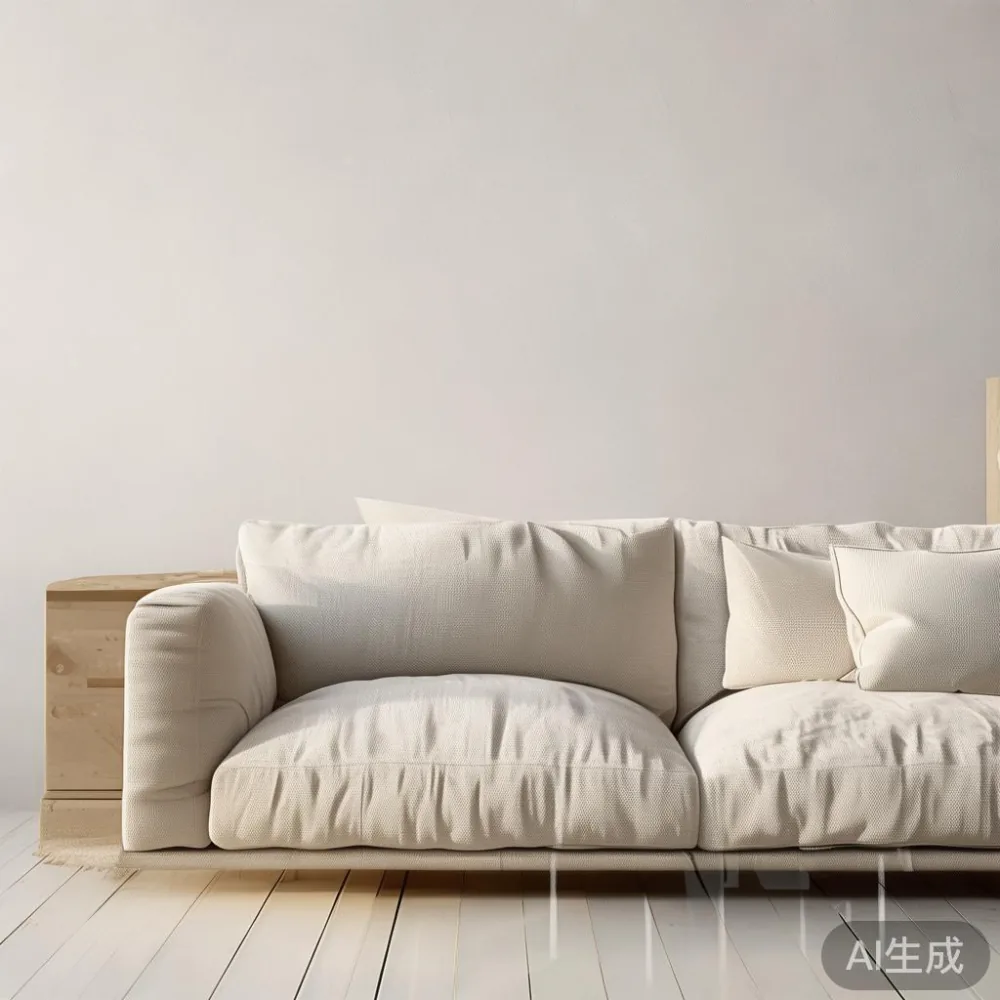
What is the difference between Italian light luxury sofa and modern furniture?
The difference lies primarily in design philosophy, material quality, and price point. An Italian light luxury sofa emphasizes understated elegance, superior craftsmanship, and the use of high-end, often natural materials like fine solid wood, top-grain leather, and marble table accents. Modern furniture, while also sleek, can be more mass-produced, utilise a wider range of materials including veneers and engineered woods, and focuses more on current trends than on timeless artisanal quality. The Italian approach is about creating a statement of quiet, sophisticated comfort.
The Initial Investment: A Singaporean Perspective
The upfront cost is the most obvious difference between these two materials. In Singapore, where space is a premium and quality is often prioritised, the initial investment can be a deciding factor. Let's consider a common living room set: a sofa and a coffee table. A solid wood sofa from a reputable maker like MIDHILL, known for its commitment to quality, might start around SGD 3,500. A matching solid wood marble table could add another SGD 2,800. The initial combined cost would be approximately SGD 6,300.
For a similar-sized sofa with a veneer finish, the price could be significantly lower, perhaps starting around SGD 1,800. A veneer coffee table might cost SGD 800. The initial combined cost here would be around SGD 2,600. This represents a saving of nearly SGD 3,700 at the point of purchase. This is a substantial amount, especially for young couples in a Bedok or Tampines HDB flat who are furnishing their first home. The lower initial price tag of veneer furniture is undeniably attractive and can fit more comfortably into a budget.
However, this initial saving must be viewed within the full context of ownership. The value of a piece of furniture is not just in its purchase price but in its longevity and performance over time, particularly in a home with pets. A veneer piece might save money initially, but its lifespan and resilience are key factors in the long-term calculation.
Year 1-2: The Wear and Tear Test
The first couple of years are where the differences in durability become most apparent. A solid wood piece is built to withstand the rigours of daily life. A solid wood bed frame can endure children jumping on it, and a solid wood dining table can handle the scuffs of chairs and the occasional enthusiastic pet. The surface can be maintained with simple wood polish, and minor scratches can often be buffed out, restoring the wood's original lustre. For a pet owner, this means peace of mind. The furniture looks good and functions well without constant anxiety.
Veneer furniture, however, shows its vulnerability more quickly. The thin wood layer is susceptible to damage. A pet's claws can easily catch the edge of a veneer nightstand, lifting the wood and creating a snag. A dog's wagging tail can chip the veneer on the corner of a veneer wardrobe. These damages are not superficial; they compromise the integrity of the piece. Once the veneer is compromised, moisture can seep into the MDF core, causing it to swell and bubble. Repairing this is rarely a simple fix. You can't sand and refinish a veneer surface to remove deep scratches without sanding through the veneer itself. The result is a piece of furniture that begins to look worn and damaged long before its time.
My colleague, Sarah, who lives in a Punggol condo with her two cats, experienced this firsthand. Last month, she visited my home and remarked on the condition of my solid wood dining table. I've had it for three years, and it has a few light marks from use, but it looks solid and well-maintained. Her own veneer dining table, purchased at the same time, has several chips and lifted edges from her cats climbing on it. She expressed regret, noting that the initial savings were quickly overshadowed by the frustration and the compromised look of her dining area.
Year 3-5: The Cost of Maintenance and Replacement
By the third to fifth year, the financial and practical implications of material choice become starkly clear. A well-made solid wood piece requires minimal maintenance. An occasional polish with a quality wood conditioner is often all that's needed to keep it looking its best. More importantly, solid wood is an investment in longevity. If a solid wood sofa cushion wears out, you can often have it reupholstered. If the finish becomes dull, a professional refinishing service can bring it back to life. This extends the functional life of the furniture indefinitely, delaying or even eliminating the need for a replacement purchase. For pet furniture, this is a critical advantage, as the piece is subjected to more stress than typical furniture.
Veneer furniture, in contrast, often reaches a point of diminishing returns around the three-to-five-year mark, especially in a home with pets. The damage accumulated over this period is often cumulative and irreversible. A chipped corner on a veneer nightstand is a permanent eyesore. A scratched surface on a veneer wardrobe cannot be restored. At this point, the owner is left with two choices: invest in professional repair, which can be costly and may not fully restore the piece, or replace the entire item.
Let's put some numbers to this. Reupholstering a solid wood sofa might cost between SGD 800 and SGD 1,500, a fraction of the cost of a new one. Repairing a significant veneer damage, on the other hand, could cost SGD 500 or more for a single piece, and the result might still be noticeable. If you have to replace the veneer sofa and coffee table after five years due to irreparable damage, you're looking at another SGD 2,600 or more. This cycle of replacement is a hidden cost that significantly impacts the total cost of ownership.
The Hidden Costs: Delivery, GST, and Resale Value
The initial price tag doesn't tell the whole story. In Singapore, the Goods and Services Tax (GST) of 9% applies to all furniture purchases. This must be factored into the cost. For the SGD 6,300 solid wood set, the GST is an additional SGD 567. For the SGD 2,600 veneer set, it's an extra SGD 234. While the absolute GST amount is lower for the cheaper option, the percentage is the same.
Delivery is another factor. Many companies offer free shipping over a certain threshold, but this often applies to larger items. For smaller pieces or if the total order value is below the threshold, delivery fees can apply. These costs add up over time, especially if you are replacing furniture more frequently. A solid wood piece, with its longer lifespan, means fewer delivery charges over a 10 or 15-year period.
Finally, consider the resale value. A well-maintained, high-quality solid wood piece holds its value remarkably well. When it's time to move or downsize, you can often sell a solid wood bed frame or dining table for a reasonable percentage of its original price. Veneer furniture, however, has virtually no resale value. Its engineered wood core and damaged veneer finish make it undesirable on the second-hand market. The money spent on veneer furniture is almost entirely a sunk cost with no return.
Choosing Pet Furniture That Endures
For the discerning homeowner in Singapore who values both aesthetics and practicality, especially when pets are part of the family, the choice becomes clear. While veneer furniture offers a lower initial entry point, the long-term costs in terms of maintenance, repair, and replacement make it a less economical choice. A solid wood piece represents a true investment. Its durability, repairability, and timeless appeal ensure that it remains a beautiful and functional part of your home for decades. The Japandi marble fabric care required for a sophisticated marble table is a small price to pay for the elegance and longevity it brings to a space.
Ultimately, the decision to invest in solid wood pet furniture is a decision to invest in your home and your lifestyle. It's about choosing quality that can withstand the joyful chaos of pet ownership without sacrificing style. It’s about creating a living space that is not only beautiful but also resilient, a space that you and your furry friends can enjoy together for years to come.