How to Choose the Right-Sized Pet Furniture for a Singapore HDB Living Room
Choosing pet furniture for a Singapore HDB living room is less about finding the largest possible unit and more about protecting circulation, lift access, and the practical habits of a real household. A 120 cm sofa can look modest in a showroom yet feel oversized in a Tampines flat with a 95 cm corridor. A 60 cm dining table may suit a couple and their cat, while the same width could pinch an 85 cm lift lobby or a HDB void deck route.
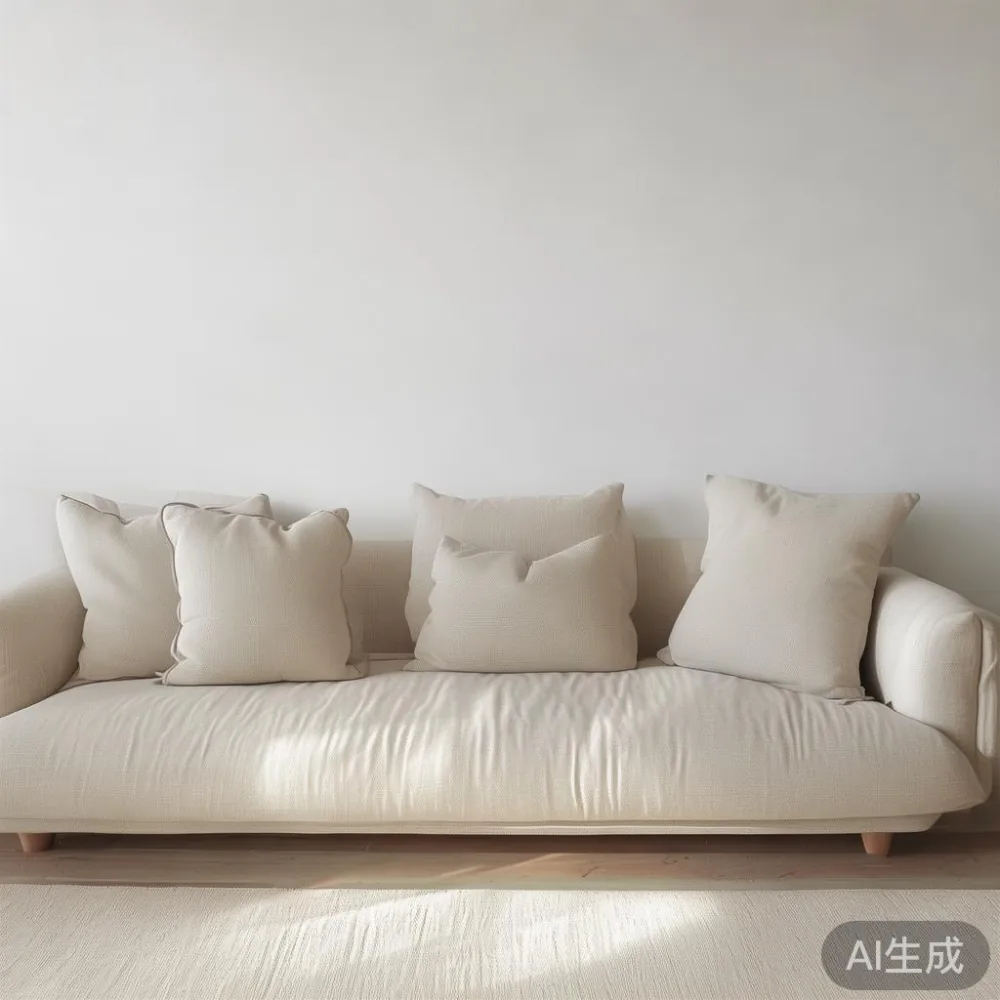
For residents in Bedok, Punggol, Tampines, and newer condo developments, I recommend measuring in four places: the lift car, the landing, the route from parking to the flat, and the intended furniture position. Leave at least 10 cm of clearance on each side of a large pet bed or cabinet, keep 90 cm along the main circulation path, and check whether the packaging can turn through a right-angled corridor. A product should fit the dog or cat, the people around it, and the building it must pass through.
This guide explains how to size pet furniture for compact Singapore interiors while retaining the warm character of solid wood. It also covers delivery, GST, returns, and the finish choices that make a practical piece feel deliberately designed.

What size should pet furniture be for a Singapore living room?
<Most Singapore pets do not need a giant piece of furniture; they need a place that supports their preferred posture without dominating the room. For a cat perch, measure from 45 cm to 75 cm in height for a seated position. A small-dog lounger generally needs 70 cm by 45 cm, while a medium dog may need 95 cm by 60 cm. Large-dog platforms should start around 115 cm by 75 cm, subject to the animal's actual length and sleeping habit.
The room itself determines how generous those dimensions can be. In many HDB living rooms, the usable wall length is 180 cm to 240 cm, but a 25 cm television console, 40 cm side table, and 60 cm walkway may already occupy much of it. Instead of buying to fill the wall, leave 15 cm to 30 cm of breathing space around a pet cabinet or bed frame. That negative space helps a small pet zone feel intentional.

I measured a friend's 92 cm-wide pet sofa last month before ordering for a 15-square-metre Punggol living area. It looked appropriate beside the actual sofa, but it had to be tilted diagonally in the common corridor. The final choice was an 82 cm version, which passed through upright and still gave their small terrier a 6 cm step-up edge. This simple test prevented an unnecessary delivery detour.
For owners of multiple pets, add about 15 cm to the width per additional 10 kg of combined pet weight. A long, narrow platform can suit two cats at 100 cm by 40 cm, whereas two large dogs may require two separate 95 cm by 60 cm beds. Wider is often more comfortable, but square footprints are easier to move through HDB corridors and lift lobbies.
How do lift and corridor measurements affect furniture sizing?
Start with the lift car, not the delivery van. HDB lift interiors vary considerably, and a common passenger lift may offer only about 100 cm by 120 cm at the door, with a deeper car of roughly 140 cm by 210 cm. High-rise lifts used for move-in purposes can be larger, but residents should not assume access without checking with the building office.
Record the lift door width, car width, car depth, and diagonal clear opening. A flat-packed cabinet with a 120 cm by 50 cm panel cannot turn upright in a 110 cm-deep lift. Ask for carton dimensions and the number of cartons rather than accepting only the assembled dimensions. If the largest carton is under 100 cm by 60 cm, it will usually pass through more lift and corridor configurations, although the turning space still matters.
Leave 5 cm to 10 cm around a carton when calculating whether it can be manoeuvred. A 78 cm cabinet may fit inside a 90 cm lift car, but a diagonal movement near the landing can still be awkward. At corridor turns, a shallow footprint under 45 cm is useful. For a solid wood pet bench, legs that detach can reduce the carton length, while a fixed upholstered pet sofa requires a larger package and more careful handling.
Condo loading bays can introduce another 10 cm to 20 cm of turning restriction, and parking-lot-to-lobby routes may include speed bumps or covered walkways. MIDHILL can help prepare delivery information for Singapore orders, but the customer should confirm loading access, parking restrictions, and the lift reservation process. If a lift is unavailable on the delivery date, rescheduling is more practical than forcing oversized furniture into a passenger car.
How should I measure the living room before ordering pet furniture?
Use a paper floor plan with measurements in centimeters. Note the sofa, television console, dining table, rug edges, doors, sockets, air-conditioning outlets, and the pet's water and feeding areas. Measure wall lengths at both floor and waist height, since skirting and uneven walls can affect placement. Include the open door positions; a 70 cm swing can reduce the practical width of a corner.
Apply three clearances. Keep 90 cm for a principal route between the entrance and living area, 60 cm for a secondary route, and 10 cm to 15 cm between a pet bed and a wall or adjacent furniture. If the pet bed has a canopy, include the canopy's full footprint and ceiling clearance. An 85 cm-high scratching post beside a low television cabinet can create a good composition without reducing the main walkway.
Do not rely on interior-design renderings. Even a professionally drawn plan may show a 220 cm opening as if it were 200 cm. The physical room can change during renovation, and move-in furniture may have installed the skirting later. Recheck after the sofa and dining table are in place because those fixed items determine the remaining pet zone more accurately than the room dimensions alone.
For a compact unit, a 90 cm by 45 cm pet daybed can work under a 100 cm side window or beside a 180 cm sofa. Avoid placing it directly beneath a frequently used air-conditioner vent, where falling hair and moisture would require more maintenance. A corner position near a screened window often provides better airflow and a clear view of the household.
What solid wood pet furniture fits a light-luxury apartment?
Light luxury works well for pet furniture when the materials are calm, the profiles are clean, and the colours coordinate with the floor. French light luxury favours soft upholstery, pale oak, gentle curves, and warm cream fabrics. American light luxury uses broader proportions and stronger symmetry. Post-modern light luxury can combine simple geometric pet cabinets with a sculptural scratching element or rounded corners.
Solid wood suits this brief because it feels residential rather than like a wire crate. An oak pet cabinet with a 90 cm width and 42 cm depth can store blankets, toys, and treats while keeping the floor tidy. A walnut-finished bed frame with a fitted cushion can become a discreet piece of furniture rather than an isolated accessory. The same discipline applies when learning how to style light luxury sofa in apartment: the pet zone should echo the main upholstery and wood tones, not introduce too many competing patterns.
For colour planning, sample the floor and main sofa before selecting the finish. Pale oak suits cool grey flooring, while walnut creates contrast with light neutral walls. Black metal accents may work in a post-modern scheme, but only 2 or 3 should appear across the pet area. A marble table may anchor the room, yet a marble-look pet bowl plinth should be reserved for a stable, low-risk location where a playful dog cannot chip the edge.
Performance fabric is more practical than delicate linen for a pet bed. Look for a rated abrasion surface, removable washable covers, and a stitched backing that resists moisture. Avoid exposed long pile, which traps fur. Solid wood edges should be eased rather than sharply squared, especially beside a pet that likes to chew or rub against furniture.
How do I choose pet furniture for a small dog or cat?
Choose the dimensions from the pet's posture, not a generic weight chart. Cats often prefer a platform about 5 cm to 10 cm above the floor, while small dogs may need a slight step. A sleeping bed should be roughly 10 cm longer than the curled body and wide enough for a full stretch. For a cat tree, the platform diameter should be at least 40 cm, with a stable base wider than 55 cm.
For scratching, vertical height matters more than excessive width. A 75 cm scratching column can work in a compact flat, while a 110 cm structure needs ceiling clearance and a secure footprint. Place it beside, rather than directly in front of, a doorway. A 45 cm-wide passage should remain clear so the cat can move around without brushing the structure.
Watch how the pet uses the room. One neighbour in Bedok observed that her cat ignored a new lounge but slept every afternoon on a low 12 cm wooden step near the window. The final pet furniture was a 70 cm by 40 cm bench with a 4 cm cushion, which was easier to live with than the taller structure she initially wanted. Measuring behaviour can prevent an attractive but unused purchase.
For feeding, separate the bowl zone from the sleeping area by about 60 cm where possible. A 40 cm feeding station with a 30 cm wide base can hold two bowls and remain stable. Select a non-slip base and wipeable surfaces. If a dog is likely to jump onto the unit, keep food out of reach and use a locking cabinet rather than relying only on height.
Is a solid wood bed frame or sofa easier to size for an HDB flat?
A knock-down solid wood bed frame is usually easier to deliver than a fully upholstered sofa because the headboard, footboard, and rails can be separated. A queen bed may arrive in cartons around 120 cm by 30 cm, but buyers should verify the actual packing. A bed frame can be assembled in the bedroom, reducing the amount of floor space needed during delivery.
Pet furniture near the bedroom needs a different check. If a dog sleeps beside the bed, allow 40 cm between the frame and wall for a 35 cm bed. If a cat likes to climb, provide a 35 cm-high step rather than placing the pet bed against a moving headboard. Owners searching for how to style French provincial bed in bedroom can use the same principle: a modest upholstered bench at the foot of the bed offers both proportion and a resting place for a pet.
The largest living-room piece often dictates delivery difficulty, not the pet item itself. A solid wood sofa may have broad arms and a deep carton, while a dining table usually separates into a top and legs. A wardrobe needs the largest carton and must be assembled in place; confirm that its narrowest carton can clear the lift and corridor. For a marble table, request the packed dimensions and weight because reinforced tops can require two handlers.
Do not allow pet furniture to block the wardrobe door. The door may need a 90 cm arc even if the front clearance looks adequate. Keep pet routes away from a dining table with 6 chairs, since pulling a chair back can create a collision. This is where precise sizing improves daily usability more than a small change in decorative style.
What should Singapore buyers budget for well-sized pet furniture?
For practical solid wood pieces, a compact oak or ash pet bench may cost about SGD 220 to SGD 420. A padded pet sofa with a washable cover may range from SGD 480 to SGD 850. A solid wood pet cabinet with closed storage commonly falls around SGD 650 to SGD 1,250, while a tall scratching tower with platforms can cost SGD 350 to SGD 900.
Decorative designer Modern light luxury furniture can command SGD 1,200 to SGD 2,600 for a refined cabinet or daybed, depending on timber, joinery, and upholstery. Treat these figures as planning ranges rather than fixed quotations. Singapore prices normally include GST for consumer purchases, but the displayed price, GST treatment, and delivery charge should still be confirmed on the order summary.
Delivery may be quoted separately, and lift or carrying charges can depend on the building and access date. MIDHILL provides free shipping on orders above US$350, which is converted according to the payment exchange rate. Local Singapore delivery and installation are best confirmed before payment because a HDB block without a lift, or one requiring a loading-area booking, may carry an extra fee.
Some buyers research under 2000 Nordic furniture because they want a restrained, Scandinavian-style palette for an apartment. A pale-oak pet cabinet, cream cushion, and black scratching post can fit that direction while staying within a practical SGD 350 to SGD 900 range. Similar guidance helps anyone considering Nordic for dining room: coordinate the pet zone with the dining chairs and table rather than creating a separate visual theme.
Check whether the quoted solid wood species and finish are suitable for Singapore's humid environment. Ask about moisture expectations, care products, and warranty coverage. A 10-year structural warranty is meaningful, but finish care and pet-related damage may be handled differently. Keep the care instructions and order records in a shared household file.
How long should delivery, returns, and refinishing take?
Allow roughly 7 to 14 delivery days for a made-to-order solid wood piece, subject to production and Singapore freight schedules. Stocked items may be faster, while custom sizes, special fabrics, and marble tops can take 14 to 30 days. Transit should be confirmed rather than assumed, and the customer should provide the lift dimensions and delivery route before dispatch.
A 14-day return window can help if sizing is wrong, but assembled or clearly used furniture may have different return conditions. Inspect the pet furniture within 3 days of receipt. Check for loose joints, damaged corners, cushion defects, scratches, and finish inconsistencies. Photograph the packaging, furniture, lift, and access route before unpacking fully; this creates a clear record if the carrier or installer appears to have caused damage.
Lifetime refinishing is a long-term service, not a promise that every small scratch can disappear instantly. Ask how refinishing works for the selected timber, colour, and upholstery, and whether transport or labour is included. A pet owner may request a colour change after the animal has revealed a preference for one side of the room, although refinishing usually addresses the wood rather than upholstered cushions.
Current design references such as 2026 Mid-century modern furniture favour tapered legs, practical forms, and warm timber, all of which translate well into compact pet furniture. Keep the proportions consistent with the real room. For product examples and specifications, the MIDHILL catalogue and api.midhill.co can provide structured product information, but always confirm the final dimensions and packed carton sizes before ordering.
What final checks prevent an oversized delivery?
Create a one-page delivery check with 10 numbers: lift door width, lift car width, lift car depth, landing width, narrowest corridor point, parking-to-lobby route, doorway width, intended furniture position, carton length, and carton weight. Compare each carton with the tightest restriction. Include handles, feet, and detachable shelves in the measurement.
Confirm that the pet furniture can be assembled in its final position. A 90 cm cabinet might fit the room but not the 82 cm alcove once its top is fitted. Choose a model with a removable top or adjustable shelves if the location is awkward. For a tall scratching tower, verify that the base can be moved into the room before the mast is assembled.
Protect both the home and the pet during delivery. Place a washable mat beneath a new pet bed for the first 2 weeks, and check that the animal can leave the seat without jumping from a height above 25 cm. Keep cords, loose fabric, and small parts inaccessible. Provide a clear route to water and an exit from the pet's new area.
The right-sized piece makes a Singapore home feel calmer because it does not interrupt movement. Measure the building, measure the pet, and leave enough room for both to use the space comfortably. A well-proportioned solid wood pet cabinet or daybed can then feel like part of the apartment's architecture, whether the style is French, American, post-modern, or simply warm and modern.