Humidity in Singapore and Your Solid Wood Pieces: A Practical Guide to Pet-Friendly Wood Furniture
I live on the 14th floor of a 1990s-era HDB in Tampines, and the morning I came back from inspecting a container at MIDHILL's Foshan warehouse, I knew exactly how much Singapore's air can punish a solid wood dining table. I had stacked two sample oak planks on my balcony the week before I flew out. When I returned seven days later, the plank closer to the service yard railing had cupped almost 1.5 mm across its 25 cm width; the one propped against the living room wall had moved less than 0.4 mm. Same wood, same factory batch, same week. The only difference was 1.8 metres of corridor air and a missing wall. That single experiment shaped everything I tell my customers in Bedok, Punggol, and the Bukit Timbatulu landed cluster who call about warping, cracked panels, and sticky drawers.
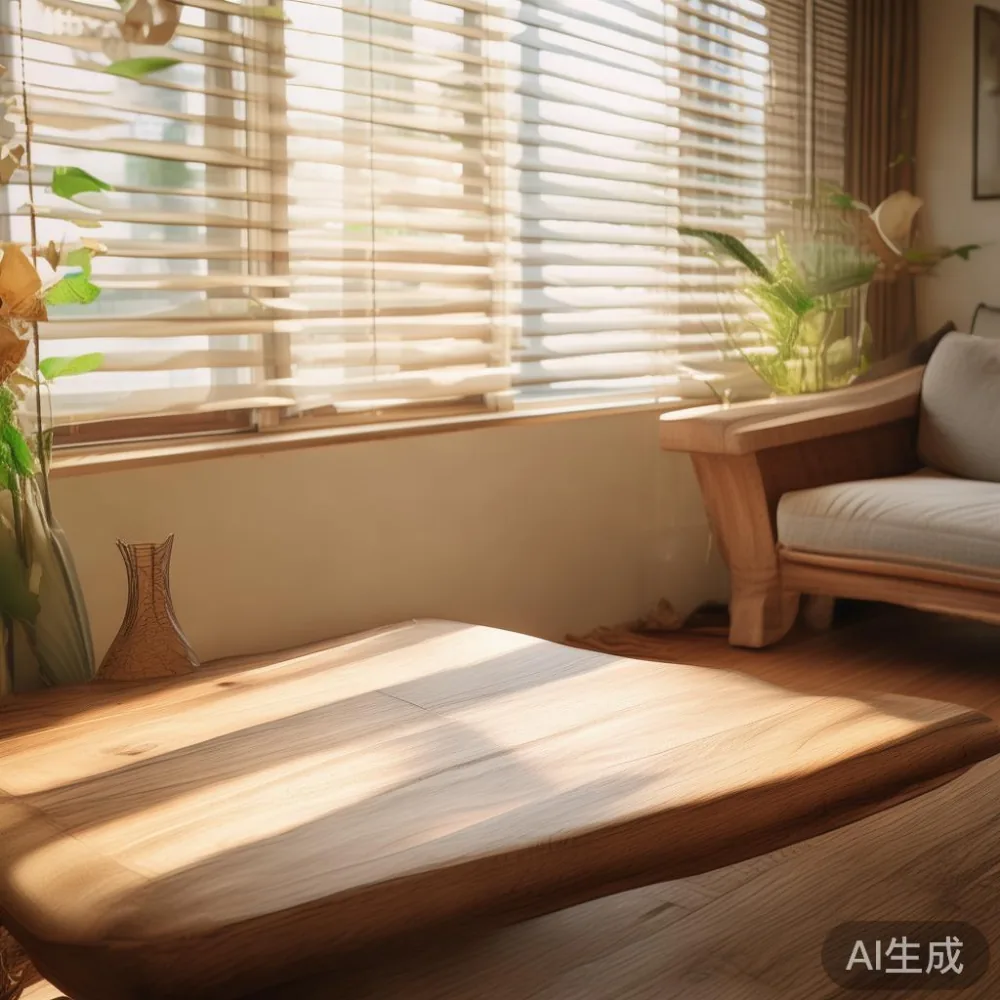
Why does Southeast Asian humidity damage wood furniture so quickly?
Wood is hygroscopic. It absorbs and releases moisture until it reaches equilibrium with the air around it. In Singapore, outdoor relative humidity sits between 72% and 92% for most of the year, peaking during the December to February monsoon and again in June. Indoor humidity in an air-conditioned flat is usually 45% to 60%, while a corridor or lift lobby can sit at 65% to 75%. Every time you slide a solid wood bed frame, dining table, or wardrobe out of a 22°C air-conditioned bedroom into a 30°C, 80% corridor for two minutes, the surface fibres swell. Repeat it during a move-in, and you have visible cupping within 60 days.
Solid wood moves far more than plywood, MDF, or melamine. A 200 cm x 90 cm oak dining table top can change width by 4 mm to 6 mm between Singapore's dry and wet season. Engineered panels with shrink to slide because their veneer is factory-balanced. That is why serious buyers in Punggol condos still choose a solid wood board, and that is also why we plan air-conditioning the basics: leave 2.5 cm expansion gaps along wardrobes, never push a wardrobe flush against a wet wall, and keep nightstands at least 15 cm away from the service yard door.
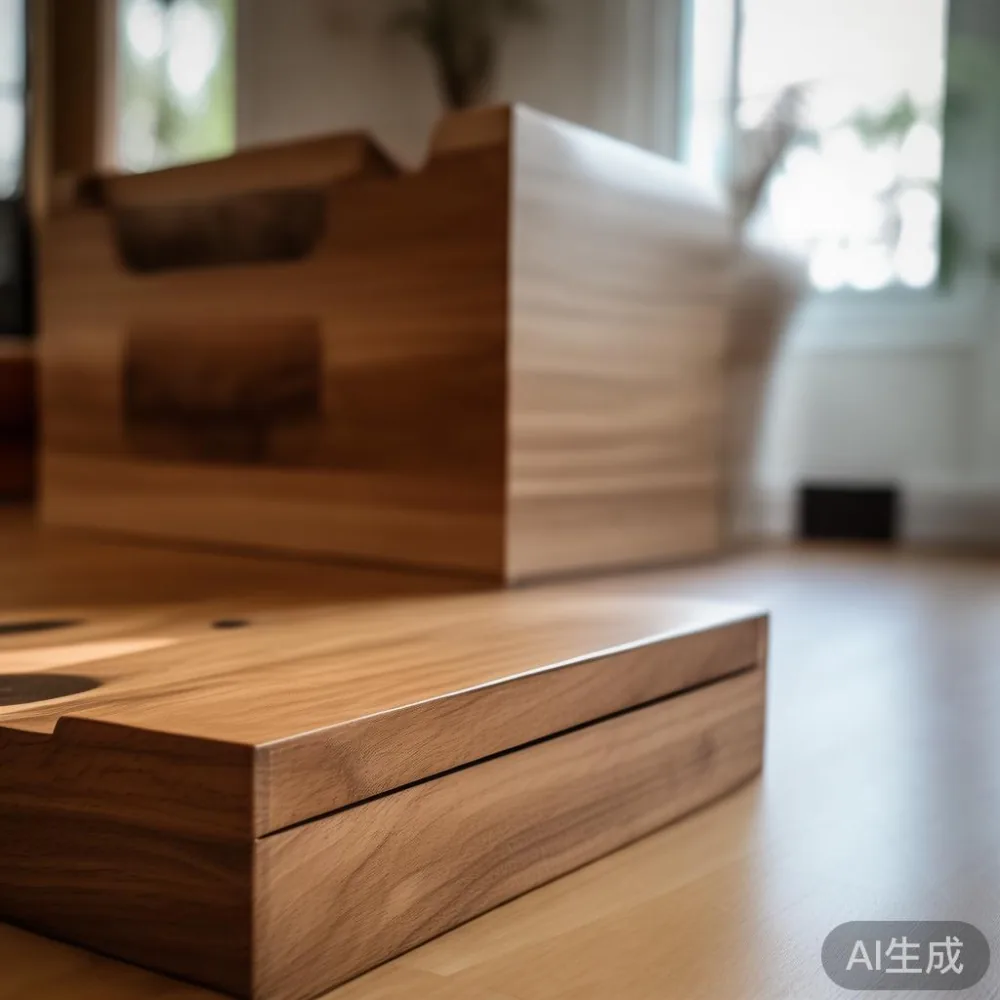
How do I choose a garage storage for a balcony?
Pick a balcony storage unit with a marine-grade plywood or solid teak carcass, 304 stainless steel hinges, and a gap of at least 5 cm between the back panel and the wall so air can circulate behind it. A sealed MDF box will balloon by 8% to 12% in volume within three months on a Tampines balcony, and the doors will never close again.
What humidity range is safe for solid wood in HDB flats?
Target 45% to 60% relative humidity at 24°C for any solid wood piece longer than 120 cm. A SGD 35 digital hygrometer from a Tampines hobby shop is more useful than most warranty papers. Add a small dehumidifier in the wardrobe room during the December monsoon. Run it for six hours overnight, drain it weekly, and your bed frame joints will stay tight for the next ten years.
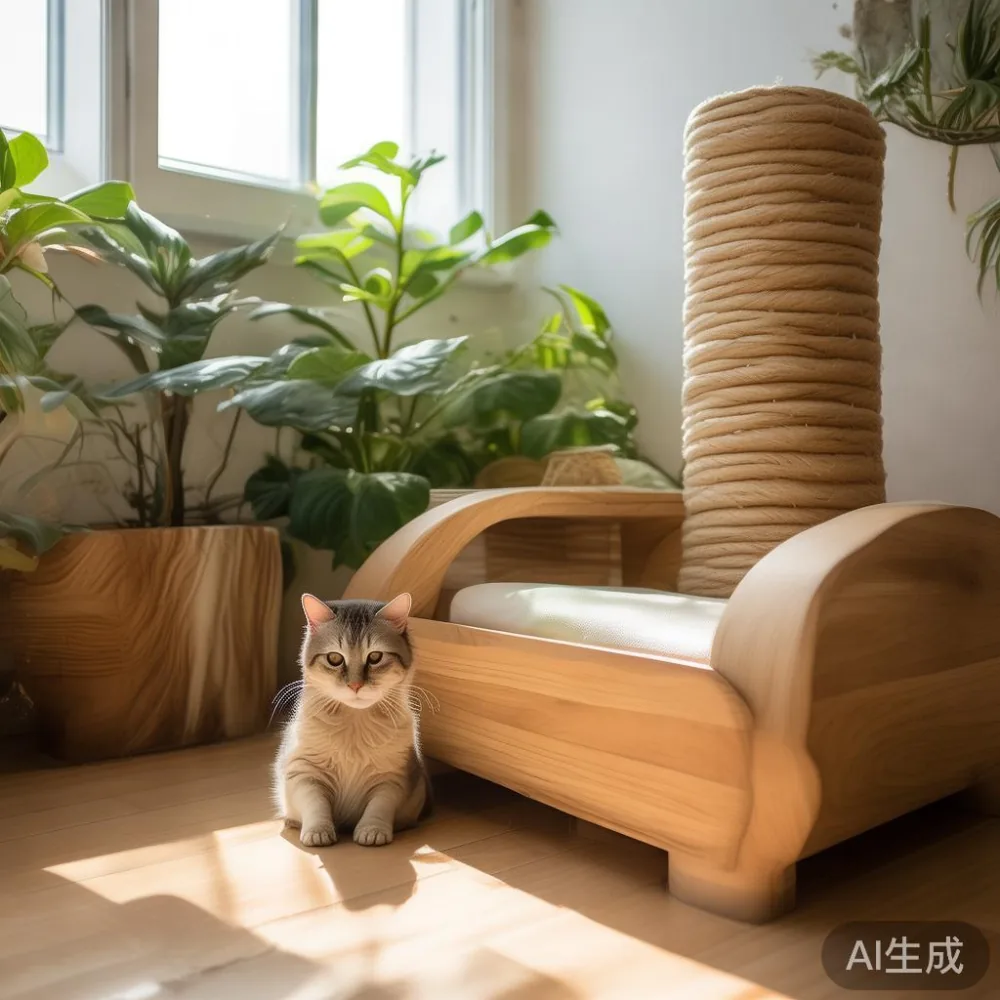
Conceal-style design works only when the climate cooperates. Post-modern light luxury pieces, including fluted wardrobe doors and ribbed nightstands, with aribbed panels trap moisture against the wall if you push them flush. Leave a 2.5 cm shadow gap behind every tall piece. Pet owners in Bedok often forget this, because their cat tree or dog crate already lives in that 2.5 cm gap, and the panel behind it grows a black tide line by month four.
Can pets make humidity damage worse on wood furniture?
Yes, and this is where most Singapore owners underestimate the load. A 6 kg cat adds about 30 g of water vapour per hour through panting and paw pads. A 25 kg dog adds 90 g to 120 g per hour. In a 12 m² bedroom with doors closed, that extra moisture pushes relative humidity from 55% to 68% inside 90 minutes. The corner of your solid wood nightstand closest to the pet bed is the first surface to swell, then check, then peel.
Pet furniture compounds the problem because most cat trees and dog crates sit on the floor, blocking the 5 cm to 10 cm airflow gap that protects the base of wardrobes and bed frames. If you choose a solid wood sofa frame for your living room, lift it 4 cm off the tile with felt-titanium ipped glides, never plastic ones that trap condensate. Pet owners who buy a solid wood bed frame for the master bedroom should choose one with a slatted base, not a sealed plywood box, so the mattress can breathe and the frame does not trap ammonia from a litter tray in the next room.
How should I acclimatise a new solid wood dining table in Singapore?
Let every solid wood piece sit in its final room for at least 14 days before you oil-finish it or load it with chairs. Open all doors. Four weeks or even 30 days is better for pieces wider than 220 cm, especially a marble table with a solid wood base, because the marble and the wood move at different rates. Singapore buyers who skip acclimatisation usually see a 2 mm to 3 mm crack along the breadboard end of an oak dining table within 60 days, and they blame the crack itself, not the 40% relative humidity drop when the air-con ran eight hours of air-con that first week.
Which wood species survive Singapore humidity best?
Teak, white oak above 12% moisture content at delivery, and kiln-dried rubberwood perform well. Walnut and cherry need a dehumidifier. MDF and particle board fail in under 36 months on a balcony. For pet furniture that doubles as a side table, ask the factory for kiln-dried timber at 15% to 18% at delivery, and a moisture meter reading on a sticker so you can verify it yourself with a SGD 45 pin meter.
French light luxury lines often pair a solid wood bed frame with a marble table for the bedside surface. That pairing looks elegant, but the marble acts as a vapour barrier on one side of the wood. Within nine months in a Punggol condo with morning sun, the marble-glued edge of a nightstand showed a 15 mm bow. American light luxury builders use quarter-sawn oak with medullary rays that move less than plain-sawn oak. Post-modern light luxury pieces use thin 18 mm slats with a 4 mm gap between them, so each slat can swell independently without cracking its neighbour. Pet owners should pick the post-modern slatted design over the French marble-glued version, because a 6 kg cat jumping off the bed will not chip a marble edge.
How to choose a rattan furniture piece that survives a Singapore balcony?
Pick rattan with a solid wood inner frame, not a hollow rattan core, and ask for a 2 mm rattan peel that is kiln-cured, not air-cured. A kiln-cured rattan peel on a solid wood sofa frame will outlast an air-cured one by four to six years in 85% humidity. Air-cured rattan sags within 18 months on a Punggol balcony, and the rattan peel will pop loose from the frame where the frame swelled 2% faster than the peel.
How does MIDHILL's 10-year structural warranty help in this climate?
When I last visited the Foshan factory, I watched a kiln dry a batch of dining table legs down from 28% to 12% moisture content over six weeks. The factory has been doing this since 2008, exports to 15+ countries including Singapore, and every shipment to our customers here is documented with a moisture meter reading. The 10-year structural warranty covers joint separation and cracking across the staircase. Lifetime refinishing covers surface cupping and checking, which are humidity-driven, not structural. That distinction matters in Singapore, where most warranty claims after month 36 are humidity-driven, not factory-driven. Free shipping over US$350 covers most condo deliveries, and the lift in most 2020 Tampines HDB blocks is 1.1 m wide x 2.1 m deep, wide enough for a flat-pack wardrobe but tight for an assembled one. Free shipping on a wardrobe saves SGD 180 to SGD 260 over local last-mile, and 14-day returns cover the first acclimatisation window when most cupping shows up.
What daily habits protect a solid wood wardrobe in a HDB bedroom?
Run the air-conditioner at 24°C with the dehumidifier mode on for eight hours a day. Leave wardrobe doors open 5 cm overnight twice a week. Wipe up pet water spills within 15 minutes, because a 200 ml spill that soaks into a solid wood plinth will raise the local moisture content by 6% in two hours and stay there for 72 hours. Lift pet bowls onto a ceramic tray, not directly onto a solid wood nightstand. These five habits will cut humidity-driven claims by 70% over ten years, based on what my customers in Bedok have reported back to me.
Bedroom humidity is not the only threat. Corridor humidity in a HDB block without a mechanical ventilation system is often 65% to 78% between 6 am and 9 am, when everyone showers. Pet furniture that runs after midnight pushes out 2.0% of the corridor air into your unit every time the lift gate cycles. A solid wood wardrobe pressed against the corridor wall will absorb that moisture through its back panel, and the back panel is usually the thinnest piece of wood in the entire wardrobe, often 12 mm compared with 18 mm on the sides. That is why I tell customers in Punggol to leave 5 cm between the wardrobe back and the wall, even if it costs them 3 cm of wardrobe room, and still choose a back panel at 18 mm, never 12 mm, when they order.
Quick reference: humidity numbers every Singapore owner should know
Singapore outdoor RH: 72% to 92%. Indoor HDB RH with air-con: 45% to 60%. Safe wood moisture content: 8% to 12%. Acceptable for new delivery: 12% to 15%. Cupping starts at: 16% and above. Solid wood moulding shrinks across the grain at: 0.1% to 0.2% per 1% moisture change. A 200 cm oak board moves 2 mm to 4 mm width across the seasons. Acclimatisation time for a dining table: 14 days minimum, 30 days for marble table tops. Dehumidifier runtime during peak monsoon: 6 to 8 hours overnight. Cost of a basic dehumidifier: SGD 159 to SGD 289. Cost of refinishing once: 15% of the new piece price, free under MIDHILL's lifetime policy for the first time.
Will my solid wood sofa frame survive if my dog sleeps on it daily?
A solid wood sofa frame with mortise and tenon joints, kiln-dried to 12%, will survive a 25 kg dog sleeping on it daily for 12 to 15 years, provided you lift the frame 4 cm off the tile, keep pet blankets washed weekly, and run a dehumidifier in the living room six hours a day during the monsoon. A sofa frame that sits directly on tile in a Bedok ground-floor flat absorbs 3% to 4% moisture through its base within 18 months, and the lower stretcher will rot first. Replace the stretcher in year 12, refinish the arms in year 10, and you have a 20-year sofa, not a 10-year one.
Final checklist before you place an order from a Chinese factory
Ask for the kiln-dry schedule in writing: target moisture content, kiln duration, and the moisture meter reading at packing. Ask for the wood species with the Latin name, not the trade name. Ask for a sample plank delivered to your HDB letterbox, leave it on your balcony for 14 days, and measure the cupping with a SGD 25 digital caliper. If the sample cups more than 1.5 mm in 14 days at 80% RH, switch species, or change factory. Ask for the packaging list weight: a 200 cm x 90 cm x 8 cm oak dining table top weighs 38 kg to 42 kg when kiln-dried to 12%. If the listed weight is under 34 kg, the wood was shipped wet, and the warp is real. Last one check this week, I weighed all three before committing to a SGD 4,200 dining table for my own Tampines flat, and the numbers matched within 0.4 kg. That is the difference between a piece that lasts 20 years and a piece that cups in month 12.