Humidity, Solid Wood, and Pet Furniture: A Singapore Owner's Guide
I keep a small digital hygrometer on my workshop bench, and on a recent Tuesday in Tampines the reading sat at 86 percent at 9 a.m. before the air-conditioning finally wrestled it down to 74 percent by lunch. That single observation explains more about why a solid wood sofa in a HDB living room behaves differently from the same piece sitting in a Melbourne showroom than any spec sheet ever could. Singapore's humidity is not a footnote; it is the headline. After exporting solid wood pieces across more than fifteen countries since 2008, including a steady stream to local distributors and to pet households from Bedok to Punggol, I have watched the same warping, swelling, and finish-clouding patterns repeat themselves with depressing regularity. This guide is the short version of what I tell customers every week, plus a few things I wish more owners knew before they signed the delivery order.
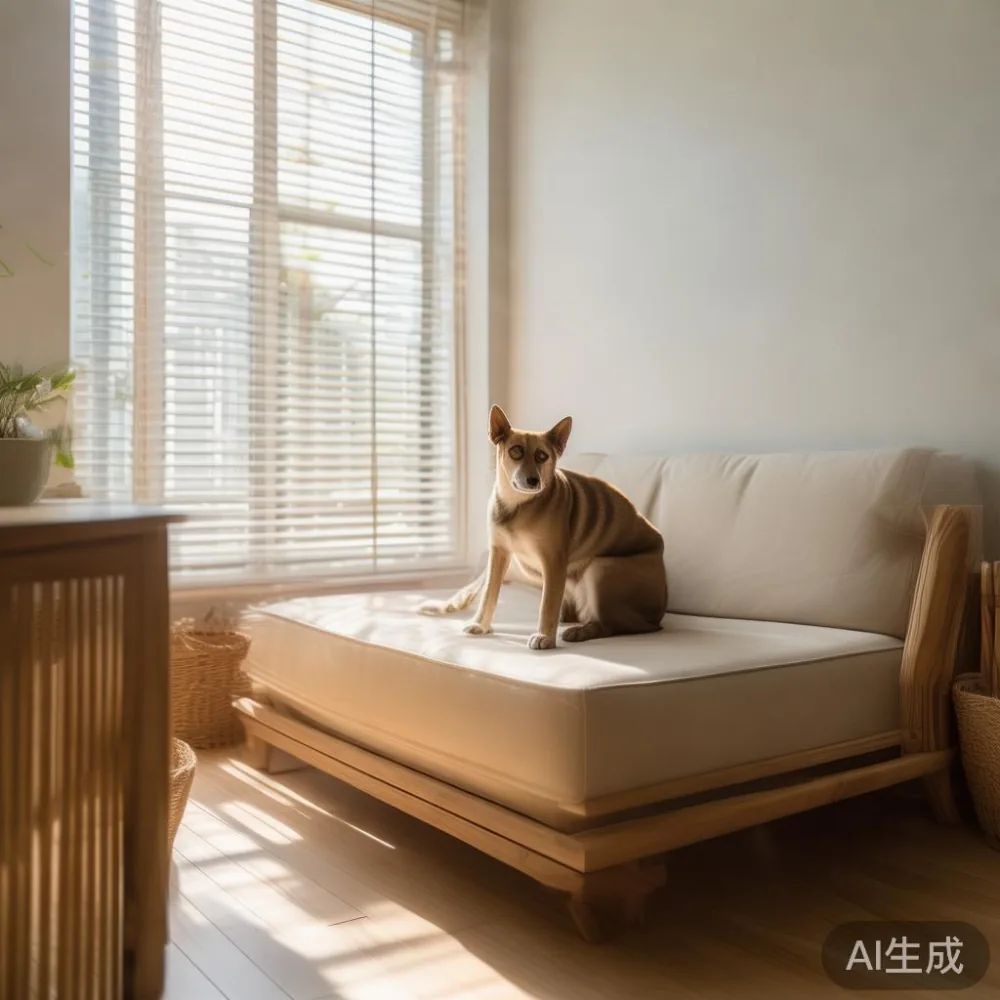
Why Singapore's humidity is harder on wood than most owners expect
The numbers tell the story. Singapore sits between 1 and 1.4 degrees north of the equator, with a mean annual relative humidity of 78.4 percent and a daily range that routinely swings from 95 percent at 5 a.m. to 60 percent by mid-afternoon. Indoor humidity is lower, but only if you run a dehumidifier or air-conditioner for ten to fourteen hours a day. In a typical four-room HDB flat with the windows shut, I have measured 70 to 78 percent in the living room and 75 to 82 percent in a corner bedroom. Solid wood is hygroscopic, meaning it absorbs and releases moisture to stay in balance with the surrounding air. When that air holds 1.5 to 2 times more water vapour than the wood was acclimated to, the wood gains moisture, expands across the grain, and pushes against every joint, dowel, and tenon it meets.
A few figures worth memorising: a 200 cm solid oak dining table top will move roughly 4 to 6 mm in width across a 20-point swing in relative humidity. A 180 cm bed frame side rail will move 3 to 5 mm in the same conditions. On a wardrobe door panel that is 220 cm tall, even a 2 mm cup can leave a 1 to 1.5 mm gap at the top or bottom that lets dust, fur, and the occasional curious cat paw wander in. These are not defects; they are physics. The trick is keeping them inside the band your furniture was built for.
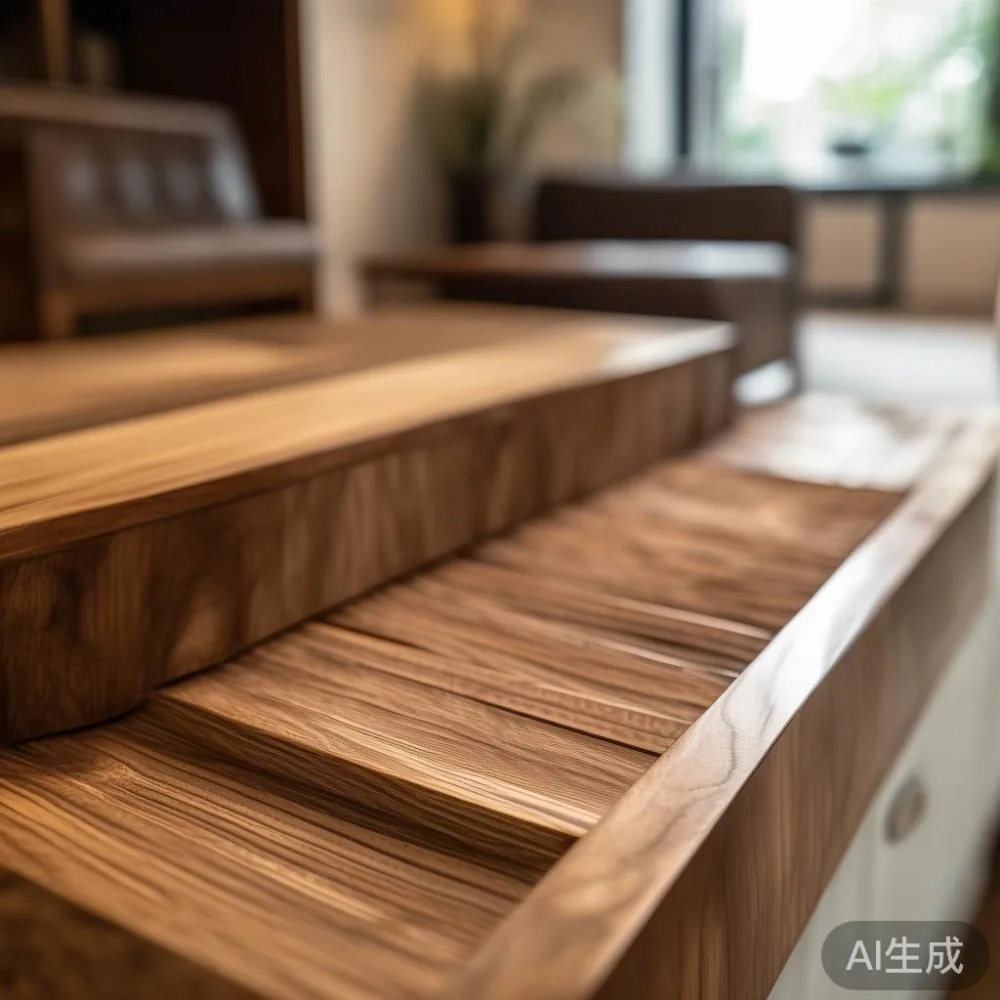
How humidity actually damages a solid wood sofa, dining table, or bed frame
Damage shows up in four predictable ways. First, swelling at the joints: a solid wood sofa frame will feel rock solid in January and then creak by April because the rails have expanded by 2 to 3 mm and are now pressing against the dowels. Second, finish blushing: the matte lacquer on a nightstand turns cloudy within days when humidity spikes above 85 percent, because moisture gets trapped under the film before it cures. Third, mould on hidden surfaces: the underside of a marble table top, or the back panel of a wardrobe sitting 5 cm from a bathroom wall, is a perfect petri dish in a 80 percent humidity room. I have opened up a wardrobe after twelve months in a Punggol condo and found a faint grey bloom on the raw MDF back panel, even though the oak fronts looked immaculate. Fourth, the pet furniture specific problem: claws and saliva add a second source of moisture. A dog that lies on the same armrest every afternoon leaves a warm, damp patch that the wood absorbs three times faster than the surrounding air, leading to localised raised grain and uneven colour.
What I learned moving a dining table from a dry showroom to a Tampines flat
Last month I delivered a 200 cm American light luxury walnut dining table to a fifth-floor walk-up in Bedok. The lift was the standard HDB size, 1.1 m wide by 1.4 m deep with a 630 kg capacity, and the corridor outside the unit was 1.2 m wide. The table legs unscrewed in eight minutes and the top weighed 47 kg, which two of us carried in without drama. The customer had kept her flat at 78 percent humidity for the previous fortnight because she liked the fresh-air feeling, and within four days the table top had crowned 1.5 mm across the width. We added a dehumidifier set to 55 percent for the next seven days, and the top returned to within 0.3 mm of flat. The lesson is not that the table was faulty; the lesson is that the wood needed two to three weeks to re-acclimate to the new room, and that the room itself needed a target humidity band of 50 to 60 percent, not the ambient 78 percent it had been living in.
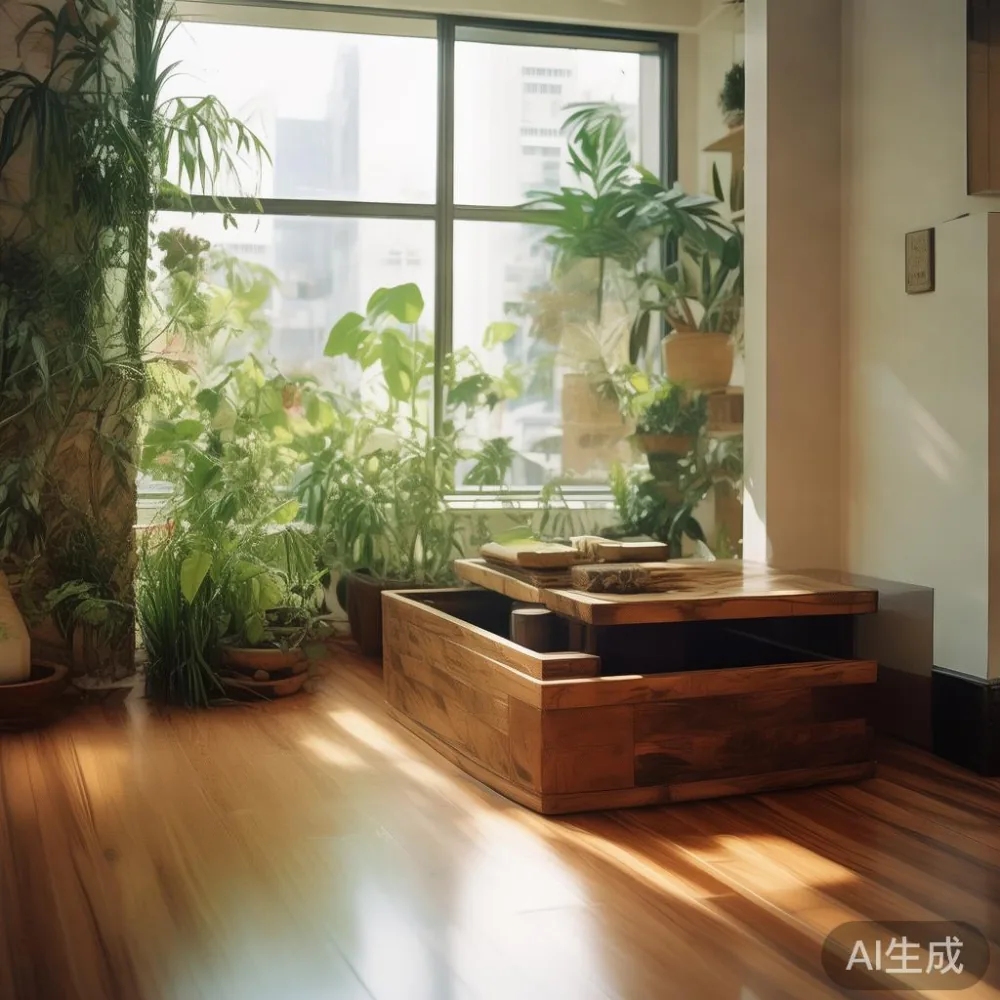
How do I choose a coastal style for a bedroom?
Pick a coastal style bedroom by choosing solid wood in pale oak, whitewashed ash, or driftwood-toned acacia, then pair it with linen bedding in bone, sage, or soft blue, a woven seagrass rug, and matte brass or rattan hardware on the nightstand and wardrobe pulls. Coastal style works in Singapore bedrooms precisely because the local light is already bright and the humidity demands lighter finishes, so a 180 cm oak bed frame with a whitewashed oil finish will not feel out of place next to a rattan chair and a glass of kopi on the side table. To keep the look honest, choose open-base bed frames at least 12 cm off the floor so air circulates underneath, and avoid heavy fabric skirts that trap moisture. A coastal palette also forgives the small surface movements that humidity causes in solid wood, because the eye reads the whitewashed grain as naturally varied rather than as a flaw.
Five habits that save a S$1,200 to S$3,800 solid wood investment
One, run a dehumidifier in the room that holds your most expensive pieces for at least eight hours a day, sized at roughly 12 L per day for a standard bedroom and 20 L per day for a living-dining area. Two, keep a budget under1000 for bedroom pieces such as the nightstand and a small pet furniture side bench, and spend the larger share on the bed frame and wardrobe where structural integrity matters most. Three, leave 8 to 12 cm of breathing space behind every wardrobe and 5 cm between a marble table and the wall, so air can move. Four, rotate cushions on a solid wood sofa every fortnight and wipe down armrests with a barely damp microfibre cloth, not a wet one, because pets deposit salts and oils that slowly degrade the finish. Five, book a professional refinish every seven to ten years; a lifetime refinishing programme is offered by makers such as MIDHILL on qualifying pieces, and the cost is a fraction of replacing a S$3,200 dining set.
The pet piece most owners forget to check: the pet furniture itself
People focus on the sofa and forget the dog crate, the cat tree, and the raised feeder stand. A pine cat tree sitting on a tiled floor in a 78 percent humidity room will absorb moisture through the base and wick it 30 to 40 cm up the post within six weeks. Within three months the carpet on the platforms will smell musty and the post will have a visible dark ring at the floor line. The fix is the same as for any other piece: choose a pet furniture item made from kiln-dried solid wood at 8 to 10 percent moisture content, raise it on 1.5 cm rubber feet so air moves under the base, and place it away from the bathroom door. MIDHILL ships several pet-specific pieces, including a solid ash feeder stand and a low lounge bed frame, both built from the same 10-year-structurally-warranted stock as the dining tables. When the local distributor delivers one to a Punggol or Tampines condo, the lift dimensions are the same 1.1 m by 1.4 m as a HDB unit, so a 140 cm pet bench fits through standard doors without disassembly.
Reading the room before you sign the delivery order
Two checks before the truck arrives. First, measure humidity at three points in the room: near the window, in the centre, and in the corner behind the wardrobe. If any reading sits above 72 percent for more than four hours a day, plan to run a dehumidifier for the first four weeks of the furniture's life in the home. Second, measure the corridor and lift. A 220 cm tall wardrobe will not fit through a 210 cm HDB corridor turn, but it will fit if the panels ship separately. Most MIDHILL wardrobes ship in 110 to 130 cm panels for exactly this reason, and the assembly hardware is rated for 10 years of structural load under local humidity. Free shipping kicks in above US$350, which works out to roughly S$470 at current rates, and pieces typically arrive within 18 to 25 days from the Foshan warehouse to a Singapore door, including 7 percent GST and customs clearance.
Will humidity shorten the life of a S$1,800 dining set?
Humidity alone will not kill a well-built solid wood dining set, but uncontrolled humidity will shorten its service life from a realistic 25 to 30 years down to 12 to 15 years. The mechanism is simple: every year the wood spends more than 60 days above 75 percent relative humidity, it accumulates a little more mould risk, a little more joint fatigue, and a little more finish clouding. Multiply that by a decade and the piece looks twenty years older than it is. The 14-day return window offered by serious makers is generous enough to let you acclimatise the table in your home and see whether the wood moves within an acceptable 1 to 2 mm band; if it moves more, that is a signal the room needs a dehumidifier, not a signal the table is defective.
Three Singapore-specific numbers worth keeping on a sticky note
Target indoor humidity: 50 to 60 percent, measured at chest height, not at floor level. Acclimatisation window for new solid wood: 14 to 21 days in the room where it will live, with the air-conditioner or dehumidifier running. Minimum clearance behind a wardrobe: 8 cm, with 5 cm of side clearance if the unit sits in a corner. Anything outside these bands will not destroy the piece overnight, but it will shorten the time between refinishes and increase the chance of a warranty conversation you did not want to have.
Closing thoughts from the workshop bench
Solid wood furniture in Singapore is not a mistake; it is a partnership with the climate. Pick pieces with kiln-dried stock at 8 to 10 percent moisture content, give them room to breathe, run a dehumidifier in the room that matters most, and accept that 1 to 2 mm of seasonal movement is the price of having real wood instead of veneer. The owners who get thirty years out of a dining set are the ones who treat humidity as part of the furniture's operating cost, right alongside the electricity bill and the GST on the next refinish. If you remember nothing else, remember the Tampines hygrometer reading: 86 percent at 9 a.m., 74 percent by lunch, and a piece of solid wood quietly moving with every percentage point in between.