Warm Minimal Pet Furniture: Matching Solid Wood Pieces to a Cosy Singapore Interior
I delivered a 1.8m solid ash dining table to a 4-room HDB in Punggol last month, and the corridor squeeze on the 9th floor was real. We had to stand the table on its side and pivot past the refuse chute. The lift opening was 80cm wide, the table was 76cm deep on its side, and we still shaved 2mm off a doorstop. The buyers, a couple with a fat tabby named Soba, were redesigning around warm minimal principles: cream walls, terrazzo floors, one textured rug, no clutter. What surprised me was how much the pets dictated the shopping list. They needed a pet furniture-friendly layout, scratch-resistant surfaces, and a sofa that could survive a daily cat-armour press. Here is how I would match solid wood pieces to a warm minimal interior that is also a real home for pets, with the lifts, corridors, and tropical humidity of Singapore firmly in mind.
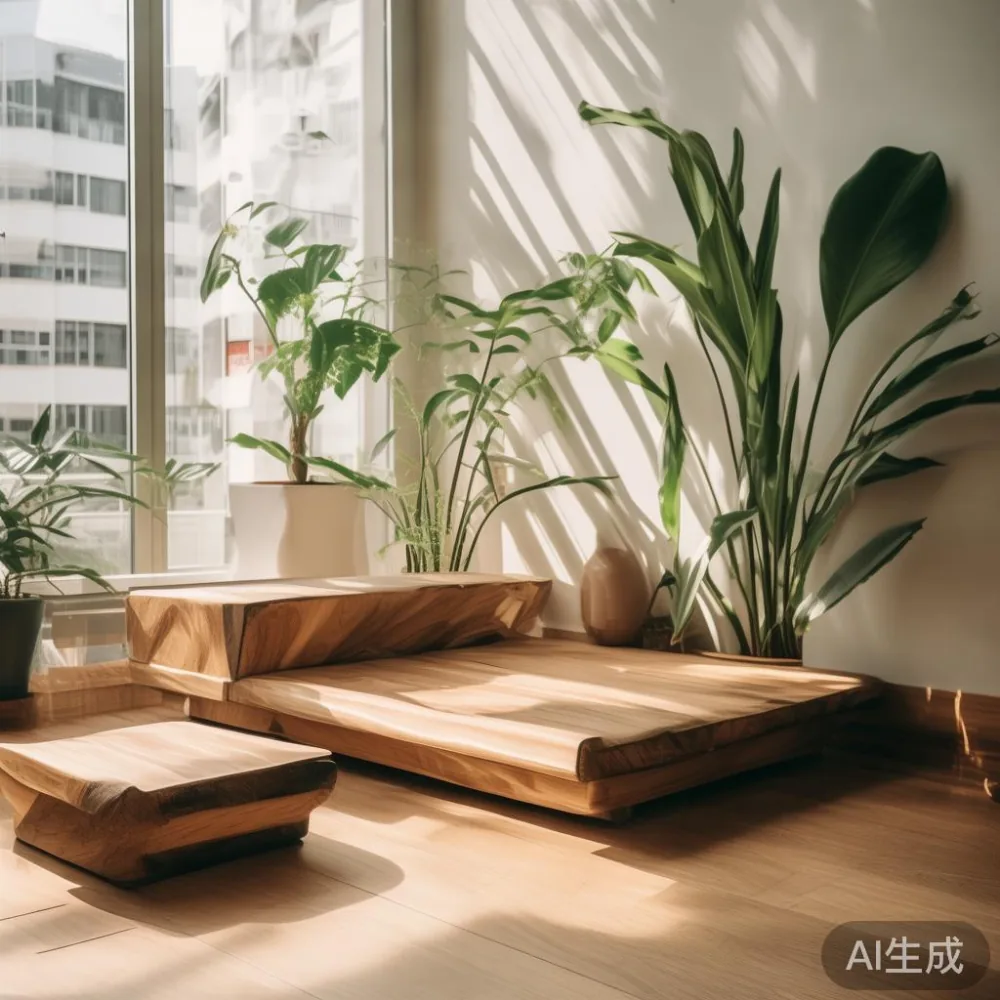
What does warm minimal actually mean for a Singapore HDB or condo?
Warm minimal is a softer cousin of Scandinavian minimal. Instead of cold whites and chrome, you are working with cream, oat, sand, muted clay, and warm timber tones such as oak, ash, and walnut. In a Tampines 5-room flat with 110 sqm of floor area, the trick is to keep about 60% of the room visually quiet and let two or three textured pieces carry the warmth: a boucle armchair, a travertine side table, a solid wood coffee table with visible grain. For pet owners, this is also a practical language. Light fabrics show fur, but warm neutral boucle and chenille hide it well between cleans, and a sealed solid wood surface wipes clean of paw prints in 20 seconds.
Light luxury, in the French or post-modern American sense, sits naturally inside this style. Think of a Parisian apartment where a beige full-grain leather sofa sits next to a single framed poster and a thin marble console; the room is not crowded with objects, but each object feels considered. You can translate that to a Bedok condo with one 2.4m solid wood TV console in white oil finish, one 1.6m boucle three-seater, and one travertine floor lamp, and the whole 28 sqm living room reads as warm, calm, and quietly expensive.
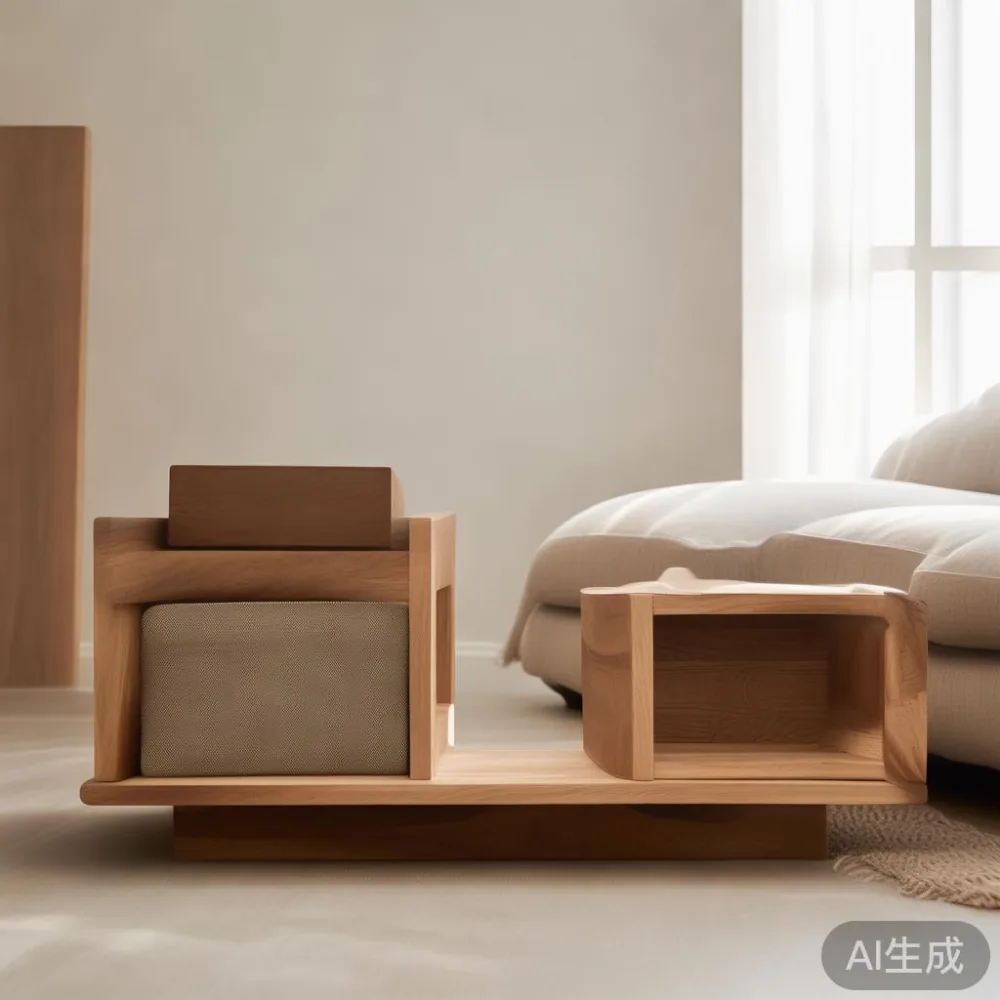
How do I choose a fabric sofa for a home office?
Choose a fabric sofa for a home office by prioritising a tight-weave, high-rub-count performance textile in a warm neutral, a hardwood internal frame that can take 140kg of daily sitting, and arms low enough to roll a chair under. A 1.8m three-seater in chenille or boucle at 30,000 to 40,000 rub counts will outlast a loose weave by years, and a removable, washable cover saves you when your retriever decides the armrest is a napkin.
In a Singapore home office, this matters more than people expect. I helped a Punggol client last quarter set up a 9 sqm study nook off the living room. He works from home four days a week and his Maine Coon, Pixel, supervises. We measured his desk height at 75cm, his chair arm at 68cm, and chose a compact 1.5m two-seater sofa with arms at 62cm so the office chair could tuck under the desk overhang. The sofa frame was solid ash, the cushions were high-resilience foam wrapped in dacron, and the cover was a removable oatmeal boucle that Pixel has so far failed to claw. Total landed in Singapore, including 9% GST and delivery up to the 12th floor: SGD 2,480.
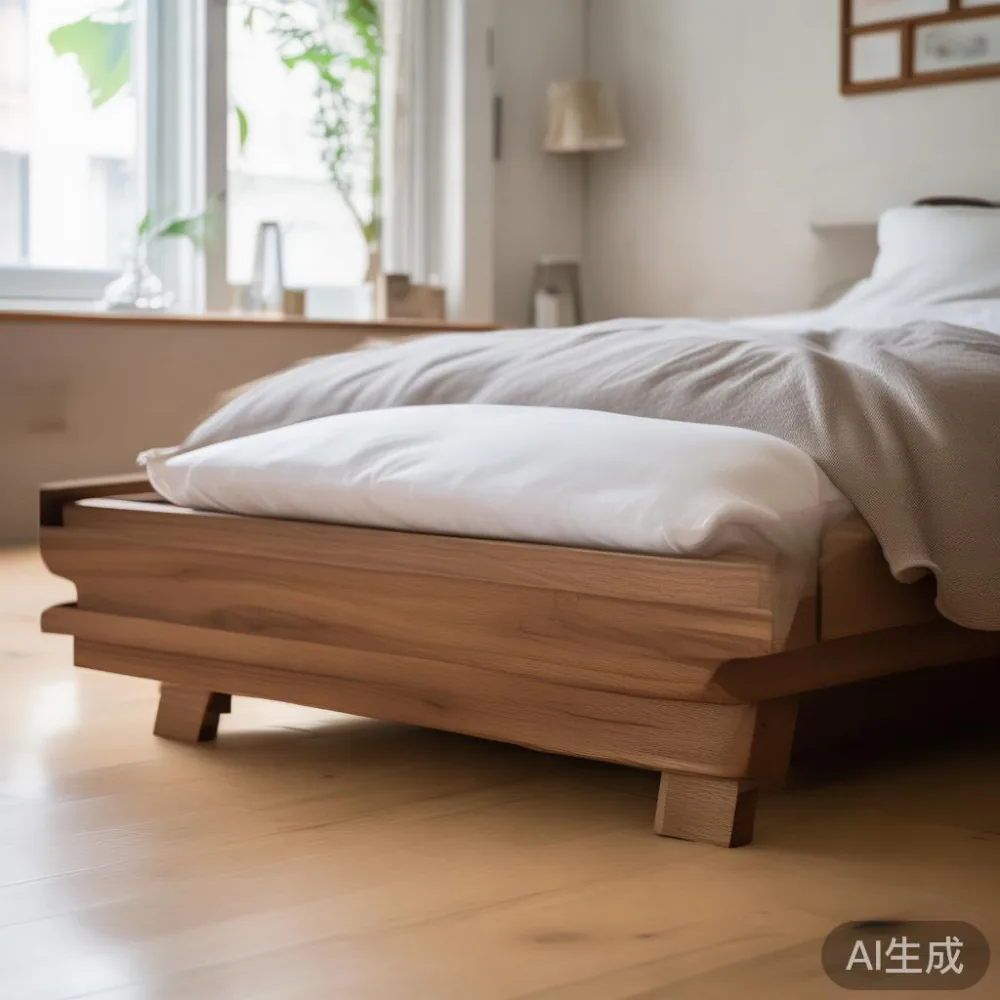
Which solid wood pieces survive dogs, cats, and tropical humidity?
Solid wood pieces survive Singapore humidity when the timber is properly kiln-dried to 8 to 12% moisture content, finished with an oil or matte lacquer that breathes, and joined with mortise and tenon or dowel rather than staples. For pet households, ash, white oak, and teak perform better than MDF or plywood because a deep scratch can be sanded out and refinished in an afternoon.
Here is the shortlist I walk clients through:
- Solid wood sofa frame: a kiln-dried ash or oak base at 45 to 55kg for a 2m three-seater, with cushions zipped in so you can refresh the cover every 18 months.
- Bed frame: a platform bed in solid white oak at 1.8 x 2.0m, slatted, with a 5cm gap between slats so cat hair does not build a felt carpet underneath.
- Dining table: a 1.4 to 1.8m solid ash or walnut top on a trestle base, finished with hard wax oil so water rings from a dog bowl wipe off with a cloth.
- Wardrobe: a floor-to-ceiling solid wood wardrobe at 240cm height to use the full HDB vertical space, with soft-close hinges rated for 100,000 cycles.
- Nightstand: a 45cm solid wood nightstand with a rounded edge profile, because cats launch off furniture at 3am and sharp corners leave marks on both the cat and the wall.
MIDHILL ships these pieces from Foshan with kiln-dried timber, and a 10-year structural warranty covers frame and joinery. In Singapore, the pieces arrive flat-packed or fully assembled depending on size; a 1.8m dining table is fully assembled in a wooden crate that measures 188 x 92 x 18cm and weighs 62kg. Two delivery agents bring it up to your floor on a trolley, and the lift call-out fee is waived above SGD 350, which most orders clear easily.
How should I plan delivery into a Tampines or Bedok corridor?
Plan delivery into a Singapore corridor by measuring three numbers before you order: lift door width, lift depth, and the tightest turn from lift to door. Most HDB passenger lifts are 80cm wide and 140cm deep, and older blocks in Bedok and Toa Payoh have narrower 70cm doors. A fully assembled 2m solid wood wardrobe at 60cm depth will not fit; it has to come flat-packed in two cartons with assembly in your home.
Last month I visited a renovation in Tampines GreenRidges where the buyer wanted a 2.4m solid wood TV console. The lift was the standard 80cm, but the corridor turn into the unit was a tight 90 degrees with a 95cm clear diagonal. We swapped the console to a 2.0m version at 40cm depth, which slid in cleanly. It cost SGD 1,820 landed, with free delivery and a 14-day return window in case the colour read differently in her living room light. She kept it. For pet owners, that return window is also useful: place the new pet furniture piece against your wall, watch how your dog reacts for two days, and return if it blocks a nap route.
How do I style a warm minimal living room around pets without cluttering it?
Style a warm minimal living room around pets by giving each animal a designated zone built into the furniture plan, not added on top of it. A litter tray cabinet doubles as a side table, a dog bed slides under a console, a cat perch sits on top of a wardrobe you already own. The room stays minimal because the pet infrastructure is hidden in pieces that already earn their footprint.
Concretely, here is the layout I sketched for a 32 sqm living-dining room in a Punggol Waterway Terrace condo, budget roughly SGD 7,500 all-in including GST and delivery:
- One 2.0m boucle sofa in cream at SGD 2,200, legs 15cm high so a robot vacuum passes under.
- One 1.6m solid ash coffee table with rounded corners at SGD 1,100, sealed with hard wax oil.
- One 1.4m marble table as a dining piece for four at SGD 1,650, base in solid wood to tie back to the coffee table.
- One 2.2m solid wood TV console with two woven rattan doors at SGD 1,800, inside which a cat litter box sits on a silicone mat.
- Two solid wood nightstands flanking a 1.8m bed frame at SGD 760 total, the bed frame itself at SGD 1,950.
The lighting plan matters as much as the furniture: one warm 2700K floor lamp near the sofa, one picture light above a single piece of art, and one table lamp on each nightstand. Total fixtures add about SGD 480, and you have a warm minimal room where pets live comfortably without the visual noise of a hundred small items. MIDHILL ships most of these pieces with white-glove delivery to mainland Singapore, which matters when you are ordering a 62kg dining table or a wardrobe in two cartons.
What fabrics, finishes, and colours hide pet hair without looking boring?
The fabrics and finishes that hide pet hair while staying warm minimal are textured weaves in mid-tone neutrals, not flat dark colours. Flat dark fabrics show every light-coloured hair, and flat light fabrics show every dark hair. Textured cream boucle, oatmeal chenille, sand-toned twill, and a heathered grey weave all blur fur visually until your next vacuum pass.
For leather, a beige full-grain leather sofa is the quiet hero of warm minimal pet interiors. Full-grain leather has a tight surface that does not snag, develops a patina rather than showing damage, and wipes clean of paw marks with a damp cloth in under a minute. In a light luxury French or American scheme, a beige leather three-seater against a cream wall and an oak floor reads as one composed object, not a sticky household problem. Avoid bonded leather, which peels within 18 months under cat claws, and avoid pure aniline, which stains from a single muddy paw print. Pigmented semi-aniline is the middle ground that most Singapore pet homes actually need.
For wood finishes, choose matte or low-sheen over high-gloss. Glossy lacquer shows paw prints the moment a wet nose touches it, and a satin or hard-wax oil finish forgives smudges for 20 minutes while you finish your coffee. White oak in a natural or white oil finish, ash with a clear matte sealer, and walnut with a light Danish oil all sit comfortably inside a warm minimal palette.
How long does solid wood pet furniture last in Singapore, and what does maintenance look like?
Solid wood pet furniture lasts 15 to 25 years in Singapore when it is kiln-dried, oil-finished, and kept out of direct afternoon sun through west-facing windows. The two enemies are humidity swings above 80% for months on end and constant direct UV. A simple test: if your AC runs most days and your windows have sheer curtains, your wood will move less than 2mm across a 2m span per year, which is within joinery tolerance.
Maintenance in a pet home is lighter than people fear. Vacuum upholstery weekly with a brush head, wipe wood with a barely damp microfibre cloth, oil high-touch zones like a dining table every 6 to 12 months, and refinish a scratched console in an afternoon with a 220-grit sand and a fresh coat of hard wax oil. MIDHILL offers lifetime refinishing on solid wood pieces bought through their Singapore channel, which means a 10-year-old dining table can be sent back, stripped, and resealed for the cost of shipping only. For a piece originally at SGD 1,650, that single service can reset its life twice over.
Numbers worth keeping: a 1.8m solid ash dining table weighs 58 to 65kg, a 2m three-seater sofa frame weighs 48 to 55kg, a 1.8m bed frame weighs 42 to 48kg, and a 240cm wardrobe in two cartons weighs 95 to 110kg total. Free shipping kicks in above US$350, which is roughly SGD 470, so most single-piece orders qualify. GST is 9% in Singapore, factored into the landed price I have quoted throughout, and the 14-day return window gives you time to live with a piece before committing.
Where should I spend and where should I save on warm minimal pet furniture?
Spend on the pieces you touch every day: the bed frame you sleep on, the sofa you collapse onto, the dining table where three meals happen. Save on the occasional pieces: the second nightstand, the console in the guest room, the marble table that holds a lamp and one book. Pet households specifically should spend on upholstery and mattress-grade foam, because those take the most abuse, and save on decorative finishes that a dog will never notice.
A practical budget split for a three-bedroom Singapore condo, all-in including 9% GST and white-glove delivery:
- Living room anchor (sofa + coffee table): SGD 3,000 to 4,500
- Dining set (table + four chairs, or table + bench): SGD 2,200 to 3,200
- Bed frame and two nightstands: SGD 2,400 to 3,200
- One wardrobe or one large console: SGD 1,800 to 2,600
- Lighting, rug, two or three pieces of pet furniture such as a litter cabinet and a perch: SGD 600 to 1,000
Total for a full warm minimal, pet-ready home sits between SGD 10,000 and SGD 14,500, which is the band most Singapore owners find realistic for a phased renovation across two to four months. The order I usually suggest is sofa first, then dining table, then bed, then storage, then accents. Each piece earns its corner, each piece is solid wood or performance textile, and the room stays warm, minimal, and genuinely livable for the animals who share it.