How to Match Solid Wood Furniture to a Warm Minimal Home in Singapore (Without Losing the Pet-Friendly Bits)
I spent a Saturday morning in a Tampines 4-room HDB flat last month, helping a friend rearrange her living room around a new solid wood sofa she'd been saving up for. The sofa cost S$1,580, the side table was S$420, and by lunchtime we had moved four pieces, one cat tree, and two very unimpressed corgis into a configuration that finally felt calm. That afternoon is the reason this article exists — because warm minimalism, in a Singapore flat, is rarely about buying less. It is about choosing pieces that look quiet, feel warm, survive the humidity, and quietly accommodate a pet. If you are hunting for under 2000 Modern light luxury furniture, the good news is that the category has grown fast on this side of the Causeway, and Foshan workshops now ship directly to Singapore with surprisingly sensible lead times.
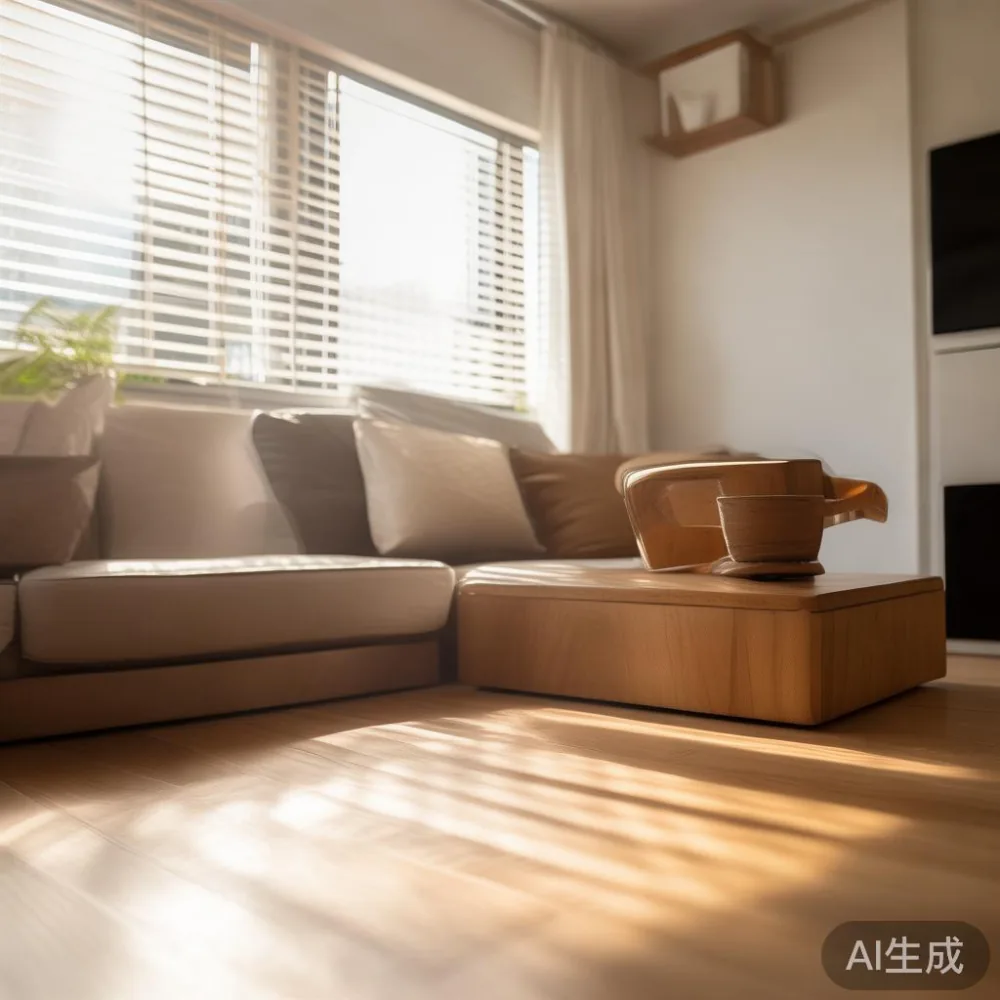
What does "warm minimal" actually mean in a HDB or condo?
Warm minimal is a softer cousin of the Scandinavian look. The bones are the same: clean lines, no clutter, restrained colour. But the temperature is turned up. The palette leans into cream, oat, sand, muted terracotta, tobacco, and warm putty rather than icy white and charcoal. The materials are tactile — solid oak, ash, walnut veneer, brushed brass, raw linen, bouclé, honed marble. The shapes are still simple, but the edges are slightly rounded, the proportions slightly heavier.
In a Tampines or Punggol BTO, where built-ins are usually white laminate from the developer, this style is forgiving: it warms up the room without forcing you to rip out your kitchen cabinetry. In a Bedok resale flat with older floor tiles, a few warm rugs and a solid wood dining table can do most of the visual heavy lifting. Condos in the 70–90 sqm range, the kind you find around the East Coast or around HillV2, work particularly well because the ceiling height (around 2.7–3.0 m) gives the bigger pieces room to breathe.
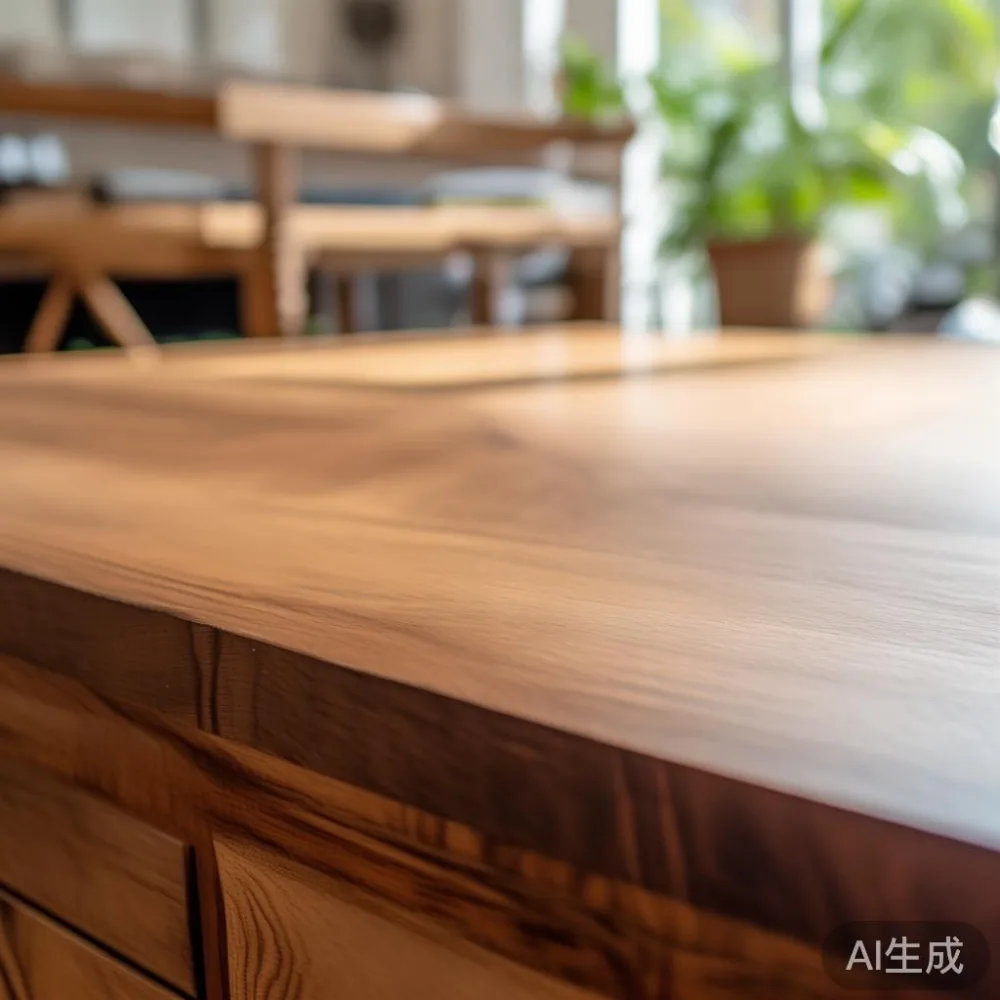
Is a solid wood sofa worth the extra spend for pet owners?
Short answer: yes, with caveats. A solid wood sofa frame — kiln-dried oak, ash, or beech — will outlast a plywood or MDF frame by 10–20 years, which matters when you have a 14 kg cat that treats the armrest as a launch pad. The cushions are the part that takes the punishment, not the frame, so look for high-resilience foam wrapped in a down-feather topper, with a removable, washable cover. Performance boucle and woven chenille handle claws better than loose-weave linen.
On price, expect to pay S$1,400–S$3,200 for a three-seater solid wood sofa in Singapore retail. The midhillco@gmail.com inbox has had several readers ask whether they should stretch to a full-grain leather — my answer is usually: only if your pet is a calm adult cat. Puppies, kittens, and most dogs will scratch leather within a month. Fabric is the more honest choice.
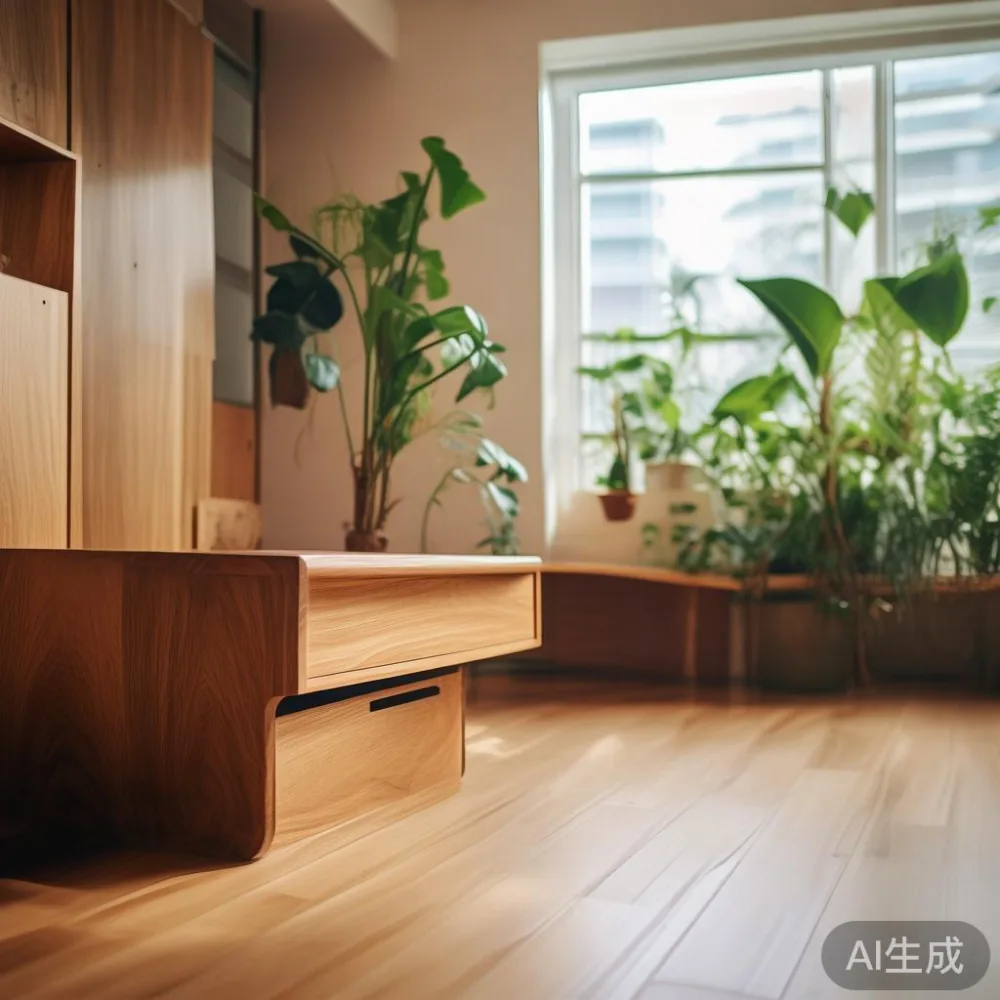
A real spec example: a 210 cm three-seater, 92 cm deep, 85 cm tall, with a 12 cm seat height, weighing around 55 kg. That weight is a clue — anything under 40 kg for a sofa this size is almost certainly using a hollow frame. Two delivery men plus a lift of at least 1.0 m wide (standard in newer HDB blocks) is the minimum to get it upstairs.
Japanese sofa vs Japandi sofa — what is the actual difference?
This comes up more than you would think, especially on the Japanese sofa vs Japandi sofa question. A Japanese sofa is a piece designed in the Japanese tradition: low seat height (28–38 cm), thinner arms, often a futon-style removable cushion, and a frame in pale ash or hinoki cypress. A Japandi sofa is a hybrid — Japanese proportions married to Scandinavian upholstery. The seat is still low, but the silhouette is more generous, the cushion is fixed or semi-fixed, and the colour palette is wider (oat, smoke, charcoal, putty).
For a small HDB living room, a true Japandi three-seater (around 190–210 cm wide, 85 cm deep) usually fits better than a chunky American-style sectional. I have seen a 198 cm Japandi sofa land in a 5-room Punggol flat, with the corridor measured at 1.1 m and the lift at 1.2 m wide — it just cleared both. Anything wider than 215 cm and you risk a refusal-to-deliver conversation with the courier.
Wood notes from a home visit: a pale ash Japandi frame will read cooler and more modern; a warm oak frame will read cosier and slightly more French light luxury. If you are styling the rest of the room around one, the sofa dictates the wood tone of the dining table, the bed frame, and the nightstand. Pick the sofa first, then match everything else to it.
How to style a Japandi bed in apartment layouts under 12 sqm
The short guide to how to style Japandi bed in apartment layouts starts with the platform. A genuine Japandi bed sits low — platform height around 22–28 cm, mattress top around 45–50 cm from the floor. In a 10–12 sqm second bedroom, that low profile is your friend: it leaves the wall above the headboard free for a single horizontal artwork, a 90 cm wide oak floating shelf, or a pair of slim wall sconces.
Sizing for a Singapore second bedroom: a queen (152 x 188 cm) needs at least 60 cm of walking space on one side and 80 cm on the other to feel comfortable. A king (182 x 188 cm) usually crowds the room and forces the wardrobe to be shallower. Stick to queen unless the room is over 14 sqm. Headboard height should stay under 110 cm — anything taller starts to fight with the air-con trunking, which on HDB layouts sits at roughly 2.4 m.
Fabric choices: washed linen in oat, brushed cotton in stone, or a tight-weave bouclé in cream. Skip the high-gloss lacquers — they show cat hair within four minutes, and they fight the warm-minimal mood. A solid ash or white oak frame at 35–40 kg is light enough for two people to move during a 14-day return window, which is a useful safety net if the colour reads wrong in your actual lighting.
How to style a European wardrobe in apartment layouts without it looking heavy
The question of how to style European wardrobe in apartment rooms comes from a real anxiety: European wardrobes are usually tall (210–230 cm), deep (60–65 cm), and visually solid. Drop one of those into a 9 sqm HDB bedroom and you lose the room. Three tricks soften them.
First, raise the wardrobe 8–12 cm off the floor on a recessed plinth. The shadow underneath reads as lightness, and you can store flat shoeboxes there. Second, run a continuous pelmet at ceiling height so the wardrobe looks built-in rather than placed. Third, split the front into three vertical panels instead of the usual four — wider panels read as calmer and slightly more French light luxury.
On the is European wardrobe worth it question: for most Singapore homes, a 180 cm wide, 60 cm deep, 220 cm tall three-door wardrobe in white oak or ash veneer, weighing 95–120 kg, runs S$2,200–S$3,800 landed. The structure is the draw — a 10-year warranty on the frame and lifetime refinishing on the veneer is the kind of offer that turns a 15-year purchase into a 25-year one. Lift access matters: 1.2 m clear opening is comfortable; 1.0 m is workable if the wardrobe is delivered flat-packed in two cartons.
For the smaller bedrooms in a 3-gen Punggol flat, a 120 cm two-door version (around 65 kg) is the practical pick. You can flank it with a 50 cm solid wood nightstand on one side and a slim 35 cm tall dresser on the other, and the room still works.
Is a Japanese wardrobe worth it compared with a custom carpenter build?
The companion question — is Japanese wardrobe worth it — has a different answer depending on whether you already have a built-in carpentry quote. Japanese wardrobes, in the piece-furniture sense, are usually 90–180 cm wide, 40–55 cm deep (shallower than European), with sliding or lift-up doors, often in pale ash or beech. They are quieter in the room, take up less wall, and force you to be honest about how much you actually own.
Price-wise, a 150 cm Japanese-style wardrobe in solid ash lands around S$1,800–S$2,600. A custom HDB carpenter build for the same footprint is S$1,400–S$2,200 in 2025, plus 8% GST on top, so the gap is narrower than people think. The piece-furniture version wins on: shipping in one carton, a 14-day return if it doesn't fit, and the ability to take it with you when the lease ends. The custom build wins on: maximising an awkward corner, full-height ceiling use, and integration with the room's electrical points.
If you are a tenant in a River Valley or Orchard condo on a two-year lease, the piece-furniture Japanese wardrobe is the more honest choice. If you own the HDB and plan to stay 10+ years, custom is the call.
The dining table, the marble table, and why warm minimal still needs one cool surface
Every warm-minimal room needs one cool, hard surface to stop the palette from going mushy. A marble table is the classic answer. A 140 cm round or 160 x 80 cm rectangular marble-top dining table, on a solid ash or walnut base, gives you that one calm, cool anchor in a room full of linen and oak. Expect to pay S$1,800–S$3,400 for a real marble-topped version, weighing 65–85 kg.
If marble is outside the budget, a sintered stone top on a solid wood base reads almost identical from two metres away, costs S$900–S$1,600, and shrugs off a hot pot at 180 °C. For a family of four in a 4-room HDB, a 140 cm round seats four comfortably and fits through a 1.0 m lift when the legs are unscrewed. For six, push to 160 x 80 cm and accept the corner will brush the wall — which is fine, because you will be sitting, not running laps.
Pair the marble table with solid wood dining chairs in beech or ash, and a single low linen-upholstered bench on one side. The bench tucks under the table when not in use and is the most Singaporean dining move I know.
Pet furniture choices that quietly earn their place
Pet furniture is the part of the warm-minimal conversation that gets ignored, and it is the part that determines whether the room actually stays calm. Three pieces earn their place in a Singapore home: a solid wood cat tree, a low-profile litter-box cabinet, and a dog-friendly side table that doubles as a step.
A solid wood cat tree in beech or ash, 140–160 cm tall, with two sisal-wrapped posts and a felt-lined top platform, runs S$320–S$580. Choose a model with removable, washable cushions — in this climate, anything you cannot wash at 30 °C will smell of pandan by month four. A litter-box cabinet, 90 x 50 x 55 cm, in white oak veneer with a magnetic side opening for the scoop, runs S$220–S$420. The dog step that doubles as a side table, 45 x 35 x 38 cm, holds up to 25 kg, and lets an older corgi onto the sofa without drama — S$140–S$260.
All three should match the wood tone of the sofa, bed, and dining table. That is the discipline. If the cat tree is a different species of wood, the eye reads it as clutter, and warm minimal is dead. This is also why some Singapore owners buy pet furniture from the same workshop as the main pieces — the grain and stain match by default, and the room holds together.
How does shipping, GST, and warranty actually work for imported pieces?
Buying from a Foshan-based maker in 2025 is straightforward, but the numbers matter. A 3-piece living room set (sofa, side table, marble table) shipped to a Singapore HDB via sea freight runs about S$180–S$280, with 8% GST added on the landed value above S$400 personal relief. Orders above US$350 — roughly S$470 — usually ship free from MIDHILL and similar workshops, which is one of the quieter perks of buying direct.
Lead time from Foshan to a Singapore warehouse is typically 18–28 days by sea, plus 5–10 days for last-mile delivery. Air freight is 7–10 days door-to-door but adds S$400–S$700 per cubic metre. For a full living-and-dining set, sea is the rational call. A 10-year structural warranty on the frame, a 14-day return window, and lifetime refinishing on solid wood pieces are the kind of terms that have moved a lot of Singapore buyers away from pure custom carpentry. I have walked through the MIDHILL showroom twice this year and the finish on the ash and walnut frames is consistently clean — the sanding is fine, the joinery is tight, and the pieces feel heavier than the price suggests.
Is post-modern light luxury just a fancier way to say warm minimal?
Sort of, but the labels are useful. Post-modern light luxury tends to be more decorative — curved sofa arms, scalloped marble edges, brushed brass inlays on a solid wood side table, slightly more saturated colours (oxblood, forest, ink blue). Warm minimal is the quieter sibling: same materials, fewer flourishes, tighter silhouette. The two coexist easily in the same home. A post-modern light luxury marble table in the dining area, a warm-minimal Japandi sofa in the living area, an American light luxury bed frame in the master — that mix is what a lot of the new Tampines and Punggol interiors are quietly becoming.
The rule of thumb I share with anyone who asks: one decorative piece per room, the rest calm. A scalloped marble table is plenty if the dining chairs are simple beech. A curved-arm sofa is plenty if the bed frame is straight ash. That is how warm minimal stays warm instead of tipping into busy, and how the pet furniture, the human furniture, and the one cool marble surface all hold the same conversation.