How to Match Pet-Safe Solid Wood Furniture to a Warm Minimal Interior (Without Losing Cosiness or Clutter Space)
Living in a 4-room HDB in Tampines or a newer condo in Punggol means working with roughly 90 to 110 sqm of interior space, a lift opening of about 2.1 m wide, and a corridor that measures around 1.2 m. That geometry quietly decides everything you bring home: a 220 cm dining table will not even turn the corner on level 12 of your block. Add a curious cat who scales the bookshelf and a small dog who thinks every corner is a nap zone, and the brief gets sharper. You still want warmth, you still want a calm visual line, and you still want furniture that survives claw, drool, and the occasional accident from a rescue kitten. This guide is written from a spec sheet I keep on my phone, three showrooms I walk through each month, and one frustrating Saturday when my neighbour tried to wrestle a 2.4 m wardrobe up the service lift alone.
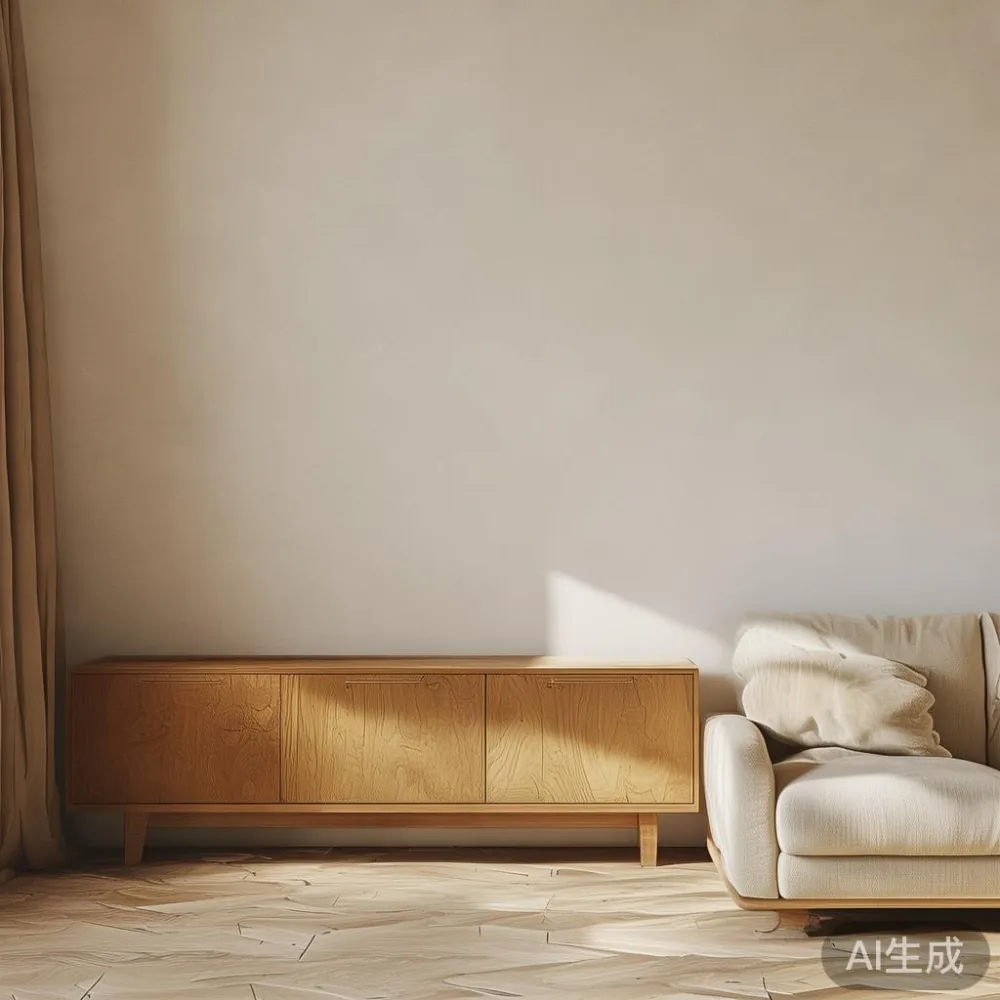
Why warm minimal works so well for pet households in Singapore
Warm minimal sits between Japanese restraint and the softer, golden-hour palette that designers in Tokyo and Copenhagen both borrowed from Scandinavian hygge. The visual room temperature is a touch above pure white, the silhouettes are clean, but the materials speak back: solid oak with an open grain, linen-blend upholstery, travertine, brushed brass, raw cotton rugs. In a 95 sqm BTO flat where sunlight is filtered through HDB frosted glass most afternoons, that warmth matters more than a magazine spread will admit. Cool greys and high-gloss laminate read as clinical, and clinical rooms tend to collect pet hair visually. Warm woods, on the other hand, absorb the tiny dust drift before your eyes catch it.
Pet owners also benefit from the discipline. Warm minimal reduces the small objects that a French bulldog will absolutely try to chew: fewer tabletop vases, fewer dangling cords, fewer visible cushions to be dragged into a corner. The room still feels lived-in, but the surfaces stay clear enough that a wet nose does not mean a daily clean-up marathon. When I visited a colleague's resale flat in Bedok last month, she had cut her shelf count from seven open units to three closed oak cabinets, and her corgi had stopped knocking things over within a week. There was also a clear, repeatable formula she kept: one tall piece per wall, one grounded horizontal piece at mid-height, and one soft layer on the floor.
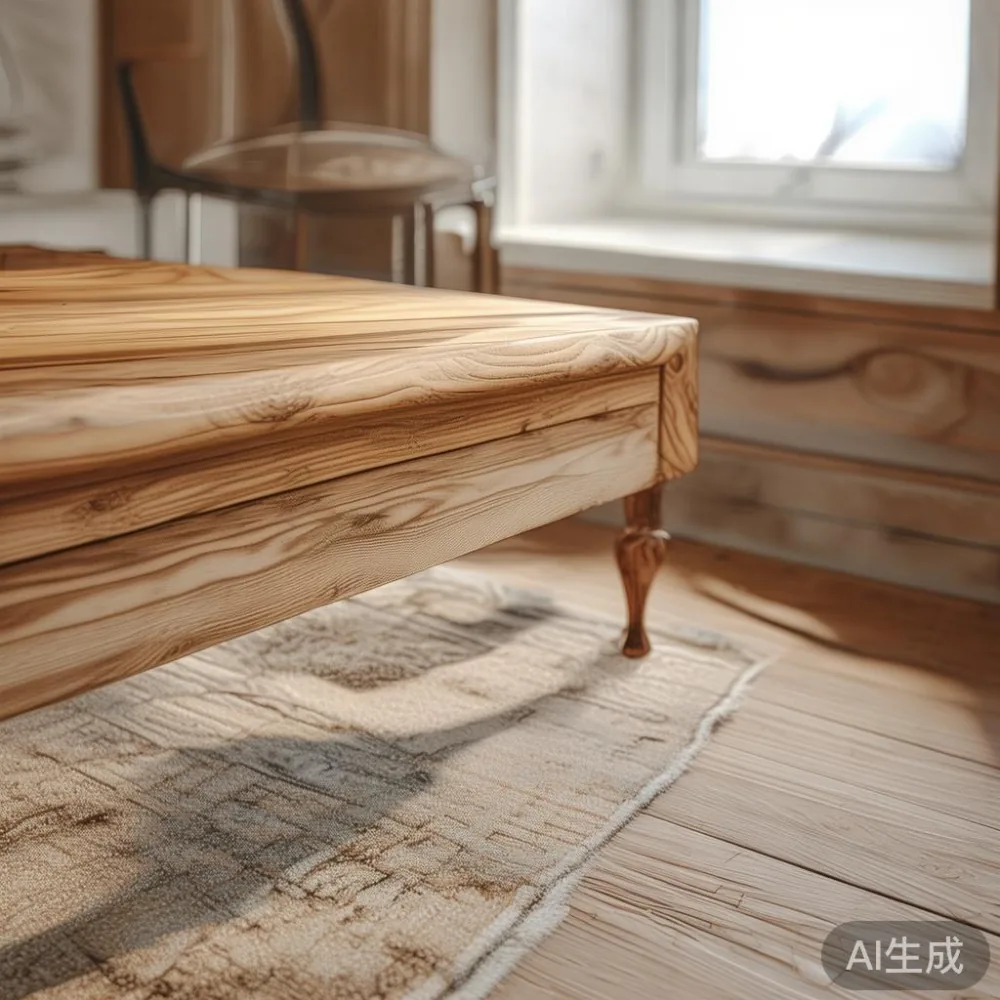
What does warm minimal actually look like in numbers?
Working from catalogues I trust, the typical palette splits into three temperature bands. Walls usually land around warm white (think Farrow & Ball Wimborne White at roughly 7000 K, or a Kohler cotton tone). Wood tones stay between honey oak and walnut, which reads as the 1500 to 1800 mired shift that designers call "amber zone." Metals are brushed brass or aged copper at 5 to 10 percent sheen, never mirror chrome. Upholstery stays in oat, stone, smoke, and pale clay. Those four colours, repeated across a solid wood sofa, a bed frame, and a dining table, tie the whole flat together even when the HDB layout pushes the living and dining areas into one bright open rectangle.
For the furniture itself, the rules are simpler than most style blogs make them. Repeat the same wood across at least three visible pieces. Repeat the same metal across at least two. Anchor every room with one matte stone or marble surface, kept small, roughly 60 to 80 cm so it does not visually compete with the wood. Avoid more than three texture families per room: wood, woven textile, and either stone or wool. Any more, and the eye starts reading clutter, which is the exact feeling warm minimal is trying to remove.
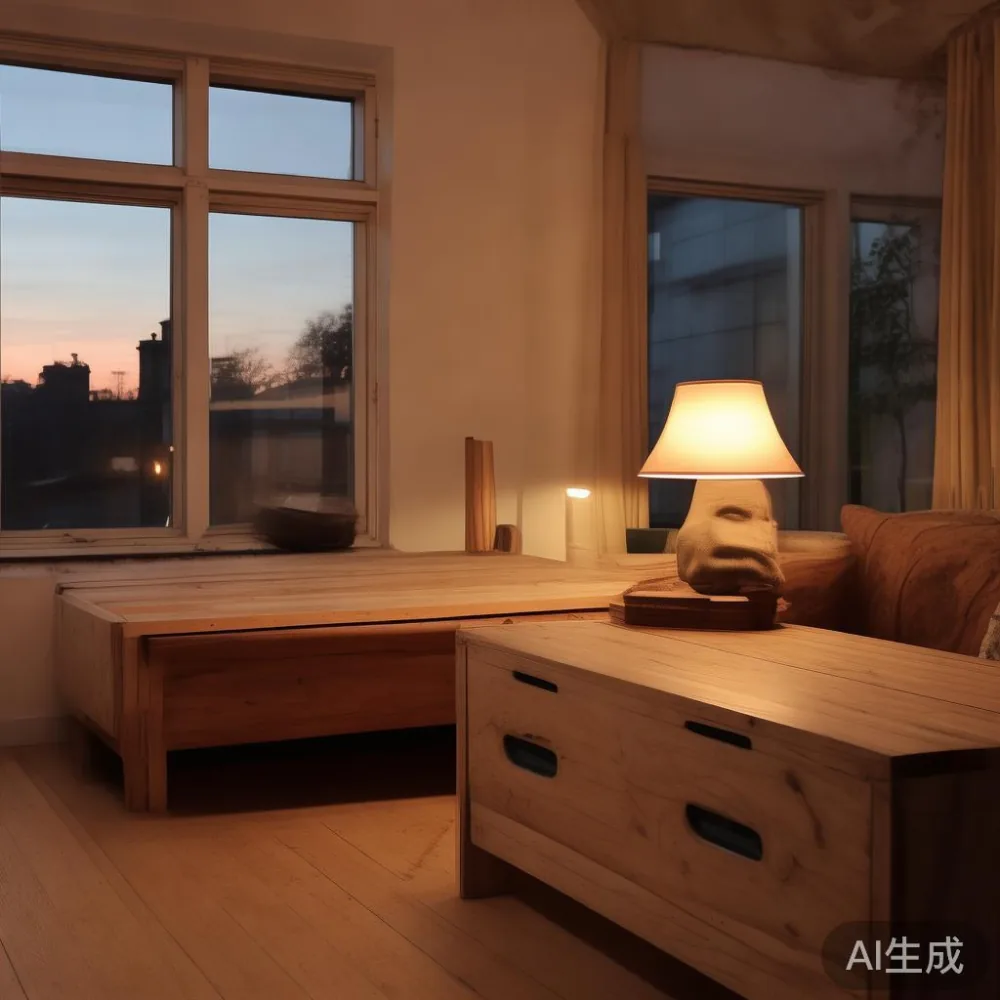
Choosing solid wood that survives a cat or a mid-sized dog
This is the core question for any pet household, and it is where the construction of the piece matters as much as how it photographs. Solid oak, ash, and walnut rank high on the Janka hardness scale (oak sits at about 1360, ash at 1320, walnut at 1010), so they resist claw marks far better than rubberwood or soft pine. Avoid particleboard cores covered in a 0.6 mm veneer sheet because the moment a 6 kg cat sharpens one claw, the surface paper peels back and the swollen MDF underneath shows through within a season. A genuine solid wood sofa frame, where the arms, base, and back panels are kiln-dried hardwood rather than plywood blocks, will hold up for ten or more years even with daily use. Midhill's specific build, which I have handled in their Foshan workshop and again during a Jurong East delivery two months ago, uses through-tenon joinery on the sofa frame and a 6-month air-dry plus 7-day kiln-dry sequence for the planks. That is why their 10-year structural warranty is offered without the small print most competitors hide behind.
Finishes matter almost as much. A matte hard-wax oil (such as Osmo Polyx-Oil 3054) lets you spot-repair scratches with a re-coat rather than sanding the whole panel. High-gloss polyurethane looks impressive on day one but shows claw damage like a mirror shows wrinkles: everything. For upholstery, performance linen with a 30,000 Martindale rub count or a tightly woven olefin blend will hold its thread density even with repeat paw contact. Skip boucle if your dog sheds; the loops grab hair and the hair refuses to let go. I learned this the slow way with a cream boucle armchair that became a fur monument for three years before I gave up.
How should you plan the layout around lift and corridor limits?
Singapore lift cabins on most HDB blocks measure 1.4 m wide by 2.1 m deep internally, with a door opening of 0.9 m. Service lifts on newer condos stretch to about 1.8 m by 2.6 m, but they often must be booked 48 hours ahead and only carry up to 1000 kg. That single digit, 1000 kg, is your budget for an entire shipment. A solid walnut dining table for six at 180 x 90 cm weighs roughly 65 to 80 kg. A queen-size solid wood bed frame at 210 x 160 cm runs 70 to 90 kg. A three-seater sofa lands between 55 and 90 kg depending on the frame and suspension. Stack them on one delivery and you are already at 200 kg of furniture before packaging, before the marble table you cannot forget to order.
Now the corridor question. HDB corridors at levels 4 to 12 typically measure 1.2 m wall to wall, with a 0.9 m clearance after handrails. Any piece deeper than 1.1 m, when stood on its end, will scrape the wall. A 220 cm wardrobe, even disassembled into two halves of roughly 110 cm each, will still measure 60 cm deep, which only clears the corner if the corridor turns wider than 90 degrees. This is why several condo management offices in Punggol require a pre-delivery measurement form. Bear this in mind if you are also browsing options that include a tall cabinet from a sample room marked "Japanese furniture for sale" — the photo may show a 200 cm unit that cannot physically reach your floor from the lift lobby.
Where does the marble table fit if you have a pet?
Marble is not a default yes in a pet home. A honed finish hides scratches better than polished; veined Carrara or warm Emperador (which leans amber) hides the orange tea-stain that every kopi spill leaves. Treated correctly with a penetrating sealer once every 12 months, a 70 cm round marble table works at the entry of a dining area beside a solid wood sofa, doubling as a key bowl and a cat-occupied perch. Avoid placing marble where your dog walks wet from his evening wash; the brass feet of most pedestals pit in under six months of standing water.
Because marble is cold under paw, and because cats avoid cold surfaces, a smaller 60 cm marble side table beside a leather sling chair can quietly become your cat's no-go zone. That is one trick I picked up from a designer in Tiong Bahru last quarter. Place your marble table where you want paw traffic to drop, your woven rug where you want paw traffic to slow, your nightstand where you want paw traffic to stop entirely. The texture alone does the training.
Will warm minimal feel too cold for a flat with two dogs and a toddler?
Not if you build the warmth into the materials rather than the styling. A solid wood bed frame in walnut, dressed with stone-washed linen, looks minimalist but stays cosy. The nightstand can be the same wood, with a single ceramic lamp and no other objects on top. Skip the throw pillows on the bed, because they become toddler cushions by 7 am; instead layer a 200 x 240 cm rug in raw wool under the front third of the bed frame so your feet land on something soft. That moves the warmth to the floor, where children and puppies notice it far more than on a high shelf.
For the wardrobe, consider the best European light luxury wardrobe for 2026 — a term buyers use to describe slim-profiled, smoked-oak or grey-walnut wardrobes with handleless push-latch doors and a single brass detail at the drawer pull. The Midi range from Foshan makers such as Midhill — and yes, the brand's MIDHILL wardrobe that I inspected at their MacPherson showroom uses a handleless push system rated to 100,000 cycles — fits this brief and keeps the visual field clean enough that even a 45 kg retriever bouncing past will not register much furniture. European light luxury wood beds in this category, with low profiles (around 35 cm from floor to slat) and tapered legs in brushed brass, also pass the sniff test of any dog who reads the floor plan before lying down.
How do you style a solid wood sofa so a cat does not shred it in 18 months?
Three habits protect a solid wood sofa against any cat under 6 kg: provide an alternative scratch surface within 1.2 m of the sofa arm, rotate the cushion covers quarterly so UV fade is even, and trim claws every 3 weeks. Choose a tightly woven slipcover in a tonal oat or smoke, because solid colour hides individual pulled threads. Avoid prints, which reveal every snag. Pair the sofa with a stone or marble side table, a single ceramic floor lamp, and a slim oak or walnut bookshelf hung at 110 cm so it is above head height. Pulling these pieces back from the wall by roughly 12 cm creates that gallery line that warm minimal lives for, while keeping scratch surfaces accessible.
Among sofas built around a solid oak frame with sinuous spring or pocket-coil suspension, the best Post-modern sofa for 2026 in the local market leans into the silhouette rather than the detail: low arms, a single bench cushion, and a wooden plinth base rather than skinny legs that show pet hair underneath. Brands like Midhill have moved their Post-modern sofa collection toward a 92 cm seat depth, which both a 1.8 m adult and a 6 kg cat can claim at the same time.
What about Japanese silhouettes and how to style Japanese sofa in bedroom?
Japanese-style bedrooms work particularly well in a small HDB master bedroom of 12 to 14 sqm, because the low platform frame reduces visual mass and leaves the ceiling height of 2.7 m readable. A tatami-style platform bed in solid ash, at 12 to 18 cm platform height, supports a futon or a pocket-spring mattress and is far easier to keep clean than a box-spring on legs. Add a single tall wardrobe with sliding doors in white oak, one low nightstand, and a reading lamp on a clamp mount. The walls stay empty, the floor stays readable, and your cat has clear lines of sight across every square metre.
For the question of how to style Japanese sofa in bedroom, treat the sofa as a bench at the foot of the bed frame. A 140 cm two-seater, in linen with a thin oak base, doubles as a clothes chair, a quiet reading spot, and a launchpad for the cat. Keep the styling tight: one throw, one lumbar pillow, nothing else. This is also the answer to where Japanese furniture for sale options actually earn their keep in a Singapore flat — low seats, shallow shelves, and a 30 cm clearance under the bed frame that doubles as concealed storage for the vacuum.
Can warm minimal still handle dining with a Golden Retriever underfoot?
Yes, with a few rules. The dining table should be at least 180 cm long to give every chair 65 cm of personal space, but no more than 220 cm, because at that length your Golden will need to turn sideways to pass between chairs and the wall in a typical 2.9 m wide HDB dining zone. Pick a table with rounded ends rather than sharp 90-degree corners; knocked elbows heal, but knocked shins on a sharp corner leave a bruise for a week. Choosing Rustic for dining room pieces can sound misleading here, because heavy rustic timber reads visually loud; what you actually want is solid oak or ash with a fine sandblasted texture, an oiled finish, and no visible bolts on the apron. That keeps the warm minimal line intact while surviving paw scuffs and dropped cutlery for years.
Pair the dining table with upholstered chairs in a performance weave (oat or clay), or with a single bench on one side that a dog can nap under. Marble tops here are not advised. They do not survive daily Singapore kopi splashes from the morning rush, and the sound of metal cutlery on stone will wake a napping dog two rooms away.
How many pieces do you really need for a 4-room HDB?
For a 4-room flat of about 92 sqm, the typical minimal layout runs 12 to 14 pieces total: one three-seater solid wood sofa, one two-seater or armchair, one media console at 180 cm, one dining table for four, four to six dining chairs or one bench, a queen bed frame and one or two nightstands, one wardrobe at 180 to 220 cm, two closed cabinets or bookcases, one marble or stone side table, and a low bench at the entry. That count leaves room for one accent chair or one extra lamp but no more. Anything beyond 18 pieces tips the eye back into cluttered territory.
Within that budget, the categories from MIDHILL's 2026 catalogue (which I reviewed at their MacPherson showroom two months ago) cover the brief without forcing you into custom work. Their solid wood sofa, bed frame, dining table, and Midhill wardrobe lines share the same brushed brass foot and the same matte clear oil, which means three pieces from one maker already give you the colour repetition warm minimal demands. Their lifetime refinishing service is the safety net for the day your retriever finally draws blood on a tabletop: ship the panel back to Foshan, and a new 6 mm top layer is fitted, sanded, and oiled for roughly S$180 to S$280 per panel including return courier.
What does the delivery and warranty math look like in SGD?
For a Singapore HDB address, a 12-piece solid wood order from a Foshan maker typically lands between S$6,800 and S$14,000 before shipping, depending on whether you pick oak or walnut and whether you add a marble table. Sea freight from Foshan takes 14 to 21 days door-to-door; air freight on smaller orders takes 7 to 10 days but costs roughly 2.4 times as much per cubic metre. White-glove delivery in Singapore, including two-man carry-in, hoist-up if needed, and packaging removal, runs S$120 to S$280 per trip for HDB and S$180 to S$380 for landed or larger condo units. Orders above S$350 usually qualify for free shipping under many cross-border promotions, but confirm whether the figure is in SGD or USD before you place the order, because the 9% GST applied at the border can swing the final number by 8 to 11 percent on a full-house shipment.
The 14-day return window gives you room to live with the pieces before committing. Keep the original timber crates for at least 30 days, because some surface checks, especially in kiln-dried walnut, only show after the piece sits in air-conditioned humidity for two to three weeks. A 10-year structural warranty on frames, plus lifetime refinishing, is the cleanest indicator that the maker is willing to bet on their own wood. Brands that quietly hedge with a 2- or 3-year warranty tend to use plywood cores they would rather not name.
Bringing it together: a warm minimal room that pets will actually use
The honest goal is not a showroom. It is a Tampines three-bedder with a corgi who steals socks, a Punggol two-bedder with a cat who sleeps on the wardrobe, a Bedok condo with two rescues still learning the crate. The room should feel quiet, the wood should be the warmest thing in it, and the pet furniture category items — the litter box cabinet, the feeding station, the raised bed, the scratch post — should disappear into the warm minimal line as quietly as the rest. That is the brief: not showy, not cold, not cluttered, and built so the chair your cat chooses on day one is still the same chair five years from now.