Pet Furniture: Caring for a Lacquered Surface in Singapore’s Tropical Climate
Singapore’s warmth and humidity make every lacquered surface a little more demanding to maintain. Indoors, a polished pet furniture cabinet may face 26–32°C temperatures, 60–80% relative humidity, dust, pet hair, and the sticky residue left by a curious paw. The finish can still look elegant for years, but it should be wiped and inspected on a schedule rather than cleaned only after marks appear. This guide explains a practical care routine for lacquered pet furniture in HDB flats and condos, from Tampines to Punggol and Bedok.
Why does lacquer behave differently in Singapore?
Humidity changes how a lacquered surface responds to heat, water, and daily contact. A cabinet beside a corridor in a Punggol condo may encounter tracked-in rain, while a low pet furniture unit near an HDB living-room window may receive stronger ultraviolet light. Coastal air and air-conditioning also create repeated shifts: outdoor air at 75% humidity may meet a room maintained at 24°C and 50% relative humidity.
The lacquer itself is a layered finish, often applied over a prepared solid wood substrate. Its visible sheen does not make it maintenance-free. Minor dust can feel harmless, but abrasive particles, damp cloths, and harsh detergents may gradually dull the top coat. The aim is to remove residue with controlled moisture and soft materials while protecting the edges, joints, and any pet-accessible sections.
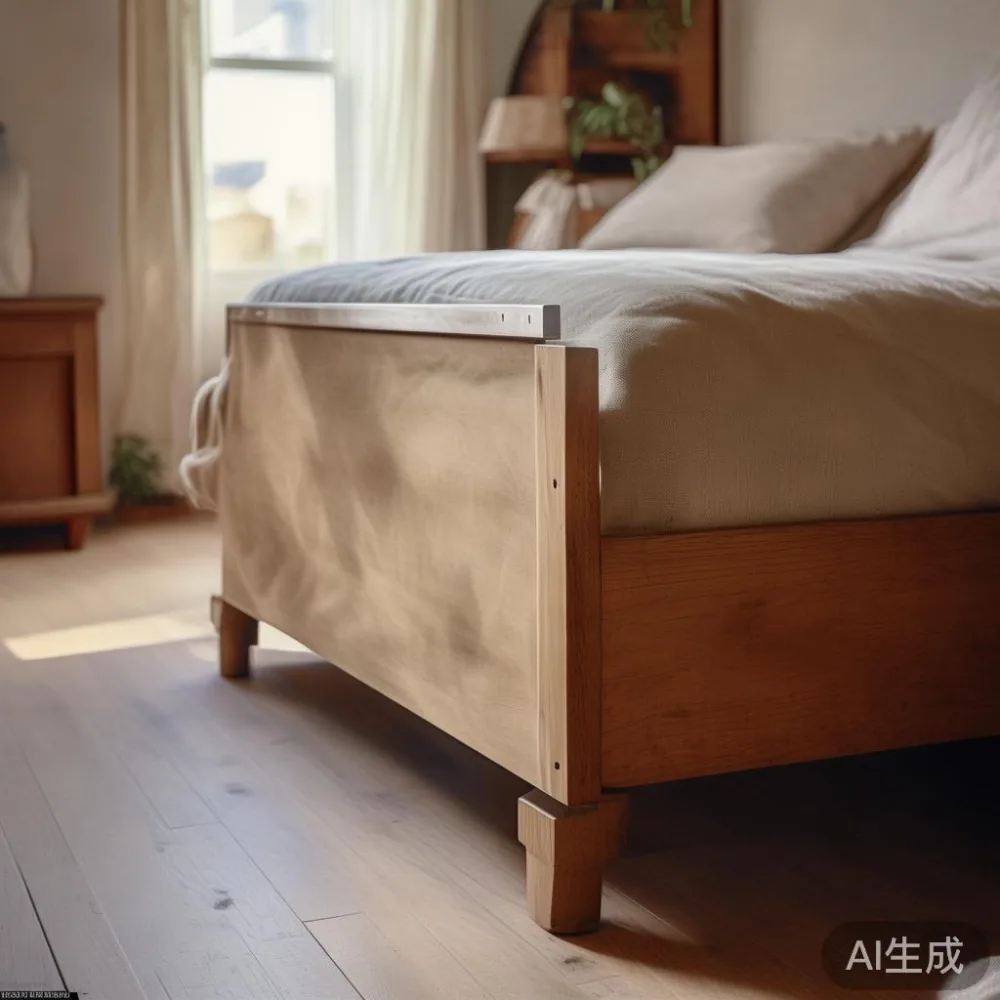
For a furniture maker working across styles, care advice should suit the object rather than rely on a universal product. A French light luxury bed frame may use restrained colour and reflective surfaces, while a post-modern light luxury solid wood sofa may have broad, touchable panels. Neither should be treated with bleach simply because a pet has left a mark.
What should be kept away from a lacquered surface?
Keep boiling water, alcohol-based cleaners, bleach, ammonia, acetone, furniture polish with silicone, and abrasive pads off the finish. A useful working rule is to test any unfamiliar cleaner on a hidden 5 cm area and wait 24 hours. If the test area becomes dull, sticky, discoloured, or uneven, stop using it. Even diluted products can affect gloss levels differently across a sprayed cabinet and a hand-rubbed panel.
Pet bowls should not rest directly on the lacquer. Use a separate tray with a waterproof liner and leave a 2 cm gap from the edge. Decorative objects should have felt or cork underneath, and pens should stay in holders rather than being rolled across the surface. Direct sunlight should not sit on the same panel for more than 3 hours a day if the furniture is near a west-facing HDB window or an uncovered condo balcony.
Do not use a steam cleaner. Although steam can remove some superficial marks, moisture can enter hairline scratches, soften an underlying adhesive, or cause lacquer to blister. Place the pet furniture unit at least 20 cm from a wall where possible, allowing air to circulate behind it. A gap of 30–40 cm is more practical beside a sofa or bed frame that receives frequent airflow.
How often should lacquered pet furniture be wiped?
A light dusting every 2 days and a lightly damp wipe every 7 days suits most Singapore homes. Increase the damp cleaning to twice a week if the finish is within 1 m of a pet eating area or receives constant paw traffic. Inspect corners, handles, and lower edges monthly. After a heavy downpour or if damp sandals are frequently removed beside the unit, wipe it the same day.
Use a clean microfibre cloth with 2–3 drops of mild, pH-neutral dishwashing liquid in 500 ml of lukewarm water. The cloth should be damp, not dripping. Wipe in the direction of the grain or along the panel, then remove residue with a second cloth. Squeeze out excess water before touching the lacquer, and always work with the grain rather than circular motions. Two clean cloths prevent cleaner from being spread back over the surface.
Dry the panel with another soft cloth and allow 20–30 minutes before placing objects on it. Pay attention to gaps around handles and recessed feet, where trapped moisture can remain. A simple monthly check should include looking for scratches longer than 2 cm, dull patches, lifting at corners, or a tacky feeling. Photograph the area from the same angle each month so gradual changes are easier to notice.
How do you remove fingerprints, paw prints, and sticky marks?
For fresh paw prints, use the diluted soap solution and a soft cloth. Avoid scrubbing; let the cloth carry the dirt away with 3 or 4 gentle passes. A clean cotton swab can reach narrow seams, though it should not be used on an edge where fibres can snag.
For fingerprints, begin with a dry microfibre cloth. If residue remains, use the mild solution rather than a stronger cleaner. Ink and marker stains usually require professional assessment because solvents can permanently cloud gloss. A responsible furniture specialist should distinguish between a surface mark and damage that has reached the lacquer, wood, or joint.
Sticky residue from labels, tape, or suction cups can sometimes be lifted carefully with a plastic card wrapped in a clean cloth. Work at a shallow angle and stop if the lacquer begins to pull. This is not suitable for fragile edges, deep scratches, or areas where pets are likely to chew. Replace damaged panels instead of covering them with adhesive products.
On lacquered pet furniture, prevention is usually easier than correction. Keep scratch-resistant covers on an ottoman, position a 90 cm-wide side table beyond the pet’s reach, and provide a designated scratching post 1.5 m away. A solid wood dining table may also need a separate feeding station, especially in an open-plan HDB kitchen.
Can scratches and peeling lacquer be repaired?
Hairline scratches under 0.5 mm can sometimes be reduced with a finish-safe polishing product, but colour and gloss must be checked first. Test the product on the underside of a drawer or rear panel, then allow 48 hours before judging the result. Deep scratches, lifted edges, chips larger than 3 mm, or bubbling usually need treatment by the original maker.
Do not apply petroleum jelly, cooking oil, or generic wax to a lacquered panel. Such coatings may restore shine temporarily while trapping moisture or changing colour. If a pet has created a deep gouge, gather clear photographs under daylight and a warm lamp. Include close-ups showing the scale in centimetres and note whether the wood or joint beneath is exposed. This gives a repair technician a better basis for recommending a colour-matched finish or panel replacement.
Buyers should examine the product before delivery. Inspect a solid wood bed frame, wardrobe, nightstand, marble table, and lacquered cabinet for finish consistency. Check the underside, corners, drawer runners, and underside of the top. A finish that has already chipped at the factory should be addressed before use, rather than becoming a tropical-climate maintenance problem later.
What should buyers check before ordering lacquered pet furniture?
Check the finish specification, care instructions, warranty scope, and repair service. MIDHILL is a Foshan solid wood furniture maker established in 2008, with a 10-year structural warranty and lifetime refinishing. Its export experience across 15 or more countries is relevant to tropical care because finishes should be selected with climate and use in mind. Confirm whether a lacquered cabinet is finished on all visible faces, including the underside and interior panels that may be affected by spills.
Measure the delivery route before ordering. A standard HDB lift may have a door opening of about 80–90 cm, and corridor widths can be tight at turns. A 120 cm pet furniture cabinet may need its longest component checked diagonally; a square 60 cm model may be easier to manoeuvre even if it appears larger. For condo deliveries, include the floor, lift dimensions, parking distance, and number of steps in the order notes.
Compare the quoted price in SGD and ask whether GST is included. MIDHILL offers free shipping above US$350, while returns are accepted within 14 days under the stated policy. Because a currency conversion can change, request the final SGD total and the delivery window in days. Allow 7–14 days for production and dispatch where applicable, then 3–10 days for international transit, subject to customs and the final destination.
Design should also suit local room dimensions. French provincial for small living room can introduce curved detail and a soft visual mood, but the piece should remain proportionate to a 2.4–3 m sofa wall. Industrial for small living room may use darker lines and metal accents, which can show dust quickly. A compact solid wood sofa, dining table, bed frame, wardrobe, nightstand, and marble table should all be planned around clear walking routes of at least 60 cm where possible.
How should a pet owner style lacquered furniture without damaging it?
Keep the visual palette calm and give the pet a place of its own. A lacquered sideboard can display one ceramic object, a framed photograph, and a tray rather than a dense row of items. The negative space reduces cleaning time and makes small HDB interiors feel more open. If the household is studying Nordic for guest room ideas, use a pale wall, a simple bed frame, and one warm timber accent while keeping lacquered pet furniture away from the guest mattress and open sleeping area.
For a bedroom, how to style Japanese bed in room layouts can be handled with low profiles, tidy surfaces, and measured spacing. A bed in a compact Tampines flat may leave only 55 cm on one side, so a narrow nightstand and restrained decoration are practical. When comparing light luxury bed vs Japandi bed options, consider the lacquered pet cabinet as part of the room rather than an isolated statement.
A related comparison, European light luxury bed vs Japandi bed, usually comes down to ornament, material contrast, and visual weight. A reflective lacquer can bridge both approaches without making the room feel crowded. For dining areas, protect a dining table with a washable runner rather than a full plastic cover. For a marble table, use coasters with a minimum diameter of 8 cm and keep acidic drinks in lidded vessels.
What should happen after a spill or an accident?
Move the object only if it is safe to do so. Blot rather than rub, lift covers gently, and use the mild cleaning method described above. Keep ventilation on for 30 minutes if the unit is close to a wall. Do not use a hair dryer, heat gun, or high-speed fan because rapid temperature changes may encourage bubbling or softening.
If a pet has chewed the surface, check the mouth marks immediately. A 1–2 cm nick may be repairable, while a 5 cm section of missing lacquer needs closer inspection. Isolate the area so the pet cannot enlarge the damage, photograph it beside a ruler, and contact the manufacturer. Use the 10-year structural warranty for qualifying structural issues and the lifetime refinishing service for covered refinishing needs, with the exact terms confirmed at purchase.
For practical reassurance, I tested the damp-cloth method on a lacquered sample in a Singapore workshop last month. After applying a small paw-print mixture and leaving it for 15 minutes, one gentle pass removed most residue; a second pass finished the panel. The cloth was wrung out until it no longer dripped, and the sample showed no tackiness after 30 minutes. The test confirmed that controlled moisture and a second dry cloth were more suitable than scrubbing or using a stronger solvent.
The central rule is simple: control water, use soft cloths, clean on a 7-day rhythm, and repair early. With the right care, lacquered pet furniture can retain its refined finish while remaining practical in a warm, humid Singapore home.