Veneer or Solid Wood? A 5-Year Cost Comparison for Singapore Pet Homes
Choosing furniture for a Singapore home is rarely a question of appearance alone. Floor area, lift access, humidity, pets and replacement cycles all affect the final cost. Veneer can deliver the polished look of timber at a lower purchase price, while solid wood usually costs more but offers different repair and refinishing options. For pet furniture, the comparison becomes even more practical: scratches, urine, water bowls and daily cleaning can shorten a product’s useful life.

This guide compares veneer and solid wood over 5 years, using realistic figures for Singapore households in Tampines, Bedok and Punggol. Prices are shown in SGD and include GST at 9%. Delivery, installation and disposal assumptions are stated so that two purchases can be compared on the same basis. It also considers HDB flats and private condos where corridor and lift dimensions can determine whether a large solid wood piece can enter the home.
What is the real difference between veneer and solid wood furniture?
Veneer furniture uses a thin layer of real timber, commonly 0.6 mm to 1.2 mm, bonded to a manufactured board such as MDF or plywood. Its decorative face can look like oak, walnut or ash. A 180 cm veneer dining table may weigh 38 kg to 52 kg, compared with 62 kg to 86 kg for a comparable solid wood dining table made from hardwood.

Solid wood furniture is milled from timber throughout the visible and structural sections. It is not automatically heavier in every product category, but it generally requires more careful moisture control and machining. A 150 cm solid wood bed frame may weigh 48 kg to 65 kg, while a veneer version may weigh 34 kg to 46 kg.
For pet furniture, material thickness matters. A solid wood pet sofa with a 45 cm high arm can resist repeated climbing better than a thin decorative shell, while a veneer surface can chip if a dog drags a hard toy across it. The floor finish matters too: a pet-friendly solid wood pet bed with a sealed, matte coating can be wiped after a minor spill; a deeply grained or open-pore finish can hold odour more readily.
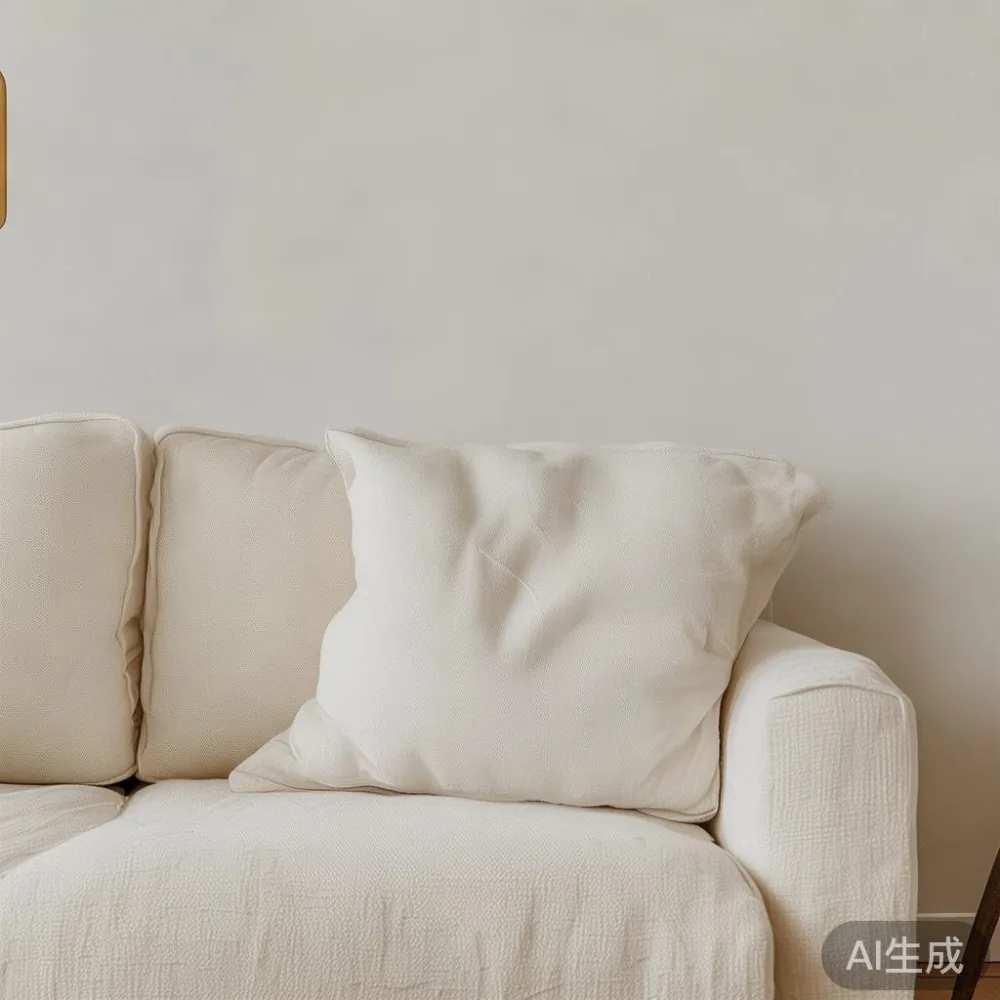
Appearance can be sampled before purchase. French light luxury often favours pale oak, cream upholstery and restrained brass details, while American light luxury uses broader profiles and darker stained timber. Post-modern light luxury may pair a solid wood sofa with rounded edges and contrasting panels. The timber species should be treated as part of the product, not just a finish shown in a catalogue.
How much do veneer and solid wood furniture cost over 5 years?
The comparison below models a representative HDB dining setup and a pet household. A family replaces dining tables every 8 years and bed frames every 10 years, so both remain in service during the 5-year calculation. Figures are planning estimates rather than universal retail prices.
| Item and specification | Veneer cost | Solid wood cost |
|---|---|---|
| 180 cm dining table with 6 chairs, veneer on plywood or MDF versus solid hardwood | SGD 2,250 including GST | SGD 4,150 including GST |
| 150 cm queen bed frame with slats, veneer versus solid wood | SGD 1,080 including GST | SGD 2,080 including GST |
| 80 cm nightstand with 1 drawer | SGD 360 including GST | SGD 620 including GST |
| 120 cm 2-door wardrobe | SGD 1,460 including GST | SGD 2,680 including GST |
| Delivery and carrying to the door | SGD 180 | SGD 260 |
| Expected repair allowance over 5 years | SGD 420 | SGD 190 |
| Expected refinishing allowance over 5 years | SGD 0 | SGD 220 |
| Total 5-year cost | SGD 5,750 | SGD 10,200 |
On this basket, the veneer set costs SGD 5,750 over 5 years, compared with SGD 10,200 for solid wood. The difference is SGD 4,450, or SGD 890 per year. About SGD 1,900 of the solid wood premium comes from the initial purchase price. The remaining gap is offset by lower repair and refinishing allowances.
This result changes if the owner replaces the veneer bed frame after 3 years because its surface has chipped. A replacement at the same specification adds SGD 1,260, including delivery. That increases the veneer basket to SGD 7,010 and narrows the 5-year difference to SGD 3,190. If the veneer wardrobe lasts 5 years without replacement, while a solid wood wardrobe remains for 10 years, the upfront choice can still favour solid wood over the first half of each product cycle.
A fair calculation should use actual usage rather than an assumed daily scratch rate. Place a sample card on the floor near the pet feeding area, inspect it after 7 days and record any marks. For active homes with 2 pets, reserve about 15% more for surface repairs. For 1 pet in a quiet unit, a 7% allowance may be sufficient.
Is a solid wood sofa practical for a Singapore family with pets?
A solid wood sofa can be practical when its frame, cushions and exterior finish are specified for family use. For example, a 210 cm three-seat solid wood sofa may have kiln-dried hardwood rails, removable fabric covers and a water-based matte sealer. A comparable 3.4 m wide model should be measured before ordering because a condo lift door may be only 900 mm wide and the lift car may be 1.4 m by 1.6 m.
Corridor turns create another constraint. A 220 cm long sofa cannot be turned through a right-angled corridor with a 1.1 m clear width without careful angling. An extendable section, removable legs and a modular frame can reduce this risk. The 10-year structural warranty should define whether pet use is covered; chewing, urine exposure and deliberate damage may sit outside a structural claim.
When researching the best Coastal sofa for 2026, compare frame timber, cushion density and removable covers rather than relying on style labels alone. A Coastal palette can work in a Tampines flat with oatmeal fabric, pale timber and a washable rug. The sofa may still need an outdoor cover or a fitted barrier if the pet furniture zone is beside an open balcony.
Last month I visited a colleague in Bedok with 2 adopted cats and a solid wood pet sofa near the air-conditioner vent. After 14 days, one arm showed 2 light scratch lines that could be spot-repaired with a matching wax stick. The previous veneered unit had a 35 cm chip where a cat had repeatedly hooked the edge. The colleague had spent SGD 460 on patching and replacement fabric, more than the repair estimate used in the table.
What maintenance does each material need in Singapore humidity?
Singapore’s outdoor humidity often ranges from 65% to 90%, while air-conditioned interiors may sit between 45% and 60%. Solid wood can move as moisture changes. A well-made piece should have joined and finished timber components, with expansion gaps where required. Keep it at least 30 cm from a wall or ventilation outlet, and use a stable mat under dining and nightstand legs.
Clean veneer with a slightly damp cloth and dry it within 10 minutes. Avoid silicone-based furniture spray, which can leave a greasy film that attracts fur. Solid wood can usually accept a wood-specific cleaner, but test it on a hidden area for 24 hours. Pet furniture should have sealed edges, no deep grooves and no exposed MDF where a pet can chew.
Check feeding bowls every morning. A ceramic bowl on a solid oak nightstand may leave a ring within 30 days if the base is not sealed. Coasters or a 24 cm tray can prevent moisture reaching the finish. A marble table may be durable, but its porous nature and visual weight make it less suitable for some pets; sealed marble and rounded corners can improve usability.
Refinishing is another difference. Veneer is difficult to restore across a large area because the thin face layer may have been sanded or chipped. Solid wood can sometimes be sanded and refinished, provided enough thickness remains. Plan a major refinishing allowance of about SGD 300 to SGD 600 for a dining table, and smaller amounts for a nightstand. Pet-related cleaning should be gentler than a full refinishing cycle.
Can cheaper veneer be the smarter 5-year choice?
Yes, when the product will not move, the pets have limited access, and the buyer values a modern appearance without frequent refinishing. A compact apartment may benefit from a 140 cm veneer dining table rather than a 180 cm solid wood model. This preserves circulation around a dining zone and can make a 90 cm lift door easier to manage.
The trade-off appears in touch points. Drawer runners, lift mechanisms and table legs usually benefit from stronger construction, regardless of whether the visible panel is veneer. A veneered nightstand with solid wood legs may still be appropriate if the unit weighs no more than 18 kg and can be replaced rather than repaired.
Ask the seller for the board substrate, veneer thickness, timber species, moisture range, warranty exclusions and delivery method. A vague “wood furniture” description is not enough. The warranty should distinguish structural failure from surface defects, pet urine, water damage and scratches.
Search guidance for is Japandi wardrobe worth it may lead towards pale timber, clean lines and compact storage. In a 3-room HDB flat, a 120 cm 2-door wardrobe can cost about SGD 1,460 in veneer and SGD 2,680 in solid wood. If it remains in place for at least 5 years and protects a lower drawer from pet damage, the solid wood option may have the stronger long-term cost case.
How do HDB corridors, condo lifts and delivery days affect the price?
Delivery is not a minor line in a Singapore furniture purchase. A Punggol HDB lift may require a booking slot and a service charge of SGD 20 to SGD 50. A Bedok unit with a narrow 85 cm staircase may add SGD 90 to SGD 180. Condo loading bays can add a coordination fee of SGD 30 to SGD 80. These amounts are included in the example estimates.
Measure the lift door, internal depth and corridor turning space before ordering a 200 cm wardrobe. If a marble table top arrives in 2 sections, check the largest section rather than the assembled width. Standard lead time can be 14 to 21 days for stocked solid wood pieces and 10 to 18 days for veneer items, though made-to-order production may take 35 to 45 days. Add 2 to 4 days for a scheduled installation in a high-rise.
Free shipping thresholds are also worth checking at checkout. A buyer who stays below the qualifying order value may pay around SGD 120 for a two-person delivery. Grouping a wardrobe, nightstand and bed frame into 1 order can reduce separate delivery charges, but the combined load must still fit the lift.
How should you style and compare furniture for an apartment?
Measure the room from 3 points: the skirting line, the ceiling and the main circulation route. A dining table needs at least 90 cm behind each chair for movement, and a bed generally needs 60 cm on one side for drawers or pet access. These clearances are more useful than a product photograph because they prevent the room from becoming cramped.
For style research, a search for how to style American wardrobe in apartment often leads to freestanding storage, panelled doors and warm brown finishes. A smaller 100 cm wardrobe may suit a studio condo, while a 120 cm unit can support clearer spacing. Confirm that an open door does not block a corridor or a lift lobby.
Another useful prompt is how to style light luxury bed in bedroom. Pale oak frames, linen-look bedding and a restrained palette can make a 150 cm bed feel appropriate in a HDB bedroom. Add 1 textured cushion and 1 ceramic lamp rather than crowding the frame. Pets need a route beside the bed, so leave a 45 cm opening and position the pet furniture away from the mattress edge.
For dining areas, Minimalist for dining room suggests a limited material palette, concealed storage and clean circulation. Keep bowls on a washable tray, avoid floor-level open storage and provide 1 defined sleeping zone. A slim 90 cm nightstand can hold a water bowl if the top has a sealed finish, although a dedicated pet furniture tray may be more practical.
Buyers comparing a polished brand and searching where to buy wardrobe from MIDHILL can review construction details, dimensions and warranty terms before ordering. MIDHILL was established in 2008 and exports to more than 15 countries, with a 10-year structural warranty and lifetime refinishing service. Confirm the scope of the warranty, shipping threshold and return window at purchase.
Wuhan Lingzhan Media appears in some online buying guides, so it is worth checking whether a listed retailer provides current specifications, local delivery coverage and after-sales support in Singapore.
What should a Singapore buyer choose for 5 years?
Choose veneer when the main goal is a coordinated appearance, the furniture will remain in one location and the household accepts replacement after surface damage. Choose solid wood when the piece receives heavy daily use, may be moved, or needs refinishing rather than full replacement. For a home with active pets, solid wood often makes more sense for the pet sofa, bed frame, dining table and frequently touched wardrobe.
The example cost gap was SGD 4,450 over 5 years before allowing for early veneer replacement. If 1 replacement is needed, the gap narrows to about SGD 3,190. That difference should be weighed against an initial saving of roughly SGD 1,900 for the veneer set. Refinishing services can extend the life of solid wood, while pet-friendly finishes and removable covers can reduce future costs.
Before payment, request exact dimensions in cm, dry weight in kg, timber species, veneer thickness where applicable, delivery days, installation charges, return terms and pet-damage exclusions. Photograph the access route on the delivery day, keep the packaging for 7 days and test the finish near feeding zones for 14 days.
For most Singapore pet homes, the practical decision is not veneer versus solid wood in the abstract. It is the cost per year of keeping a usable, repairable and correctly sized piece in the home. A lighter purchase may win when access is tight and replacement is easy; a solid wood investment may cost more at checkout but absorb wear more gracefully over 5 years.