Veneer vs Solid Wood Pet Furniture: A 5-Year Cost Reality Check for Singapore HDB Owners
If you live in a Tampines five-room flat with a golden retriever who thinks your dining table is a chew toy, the "veneer vs solid wood" debate stops being theoretical the moment you see a SGD 80 edge chip peel back like old wallpaper. Over the past six years I have lived through two sofa frames, one bed frame, and a wardrobe door that all came from big-box showrooms labelling particleboard-plus-paper as "wood furniture." This guide is a working 5-year cost comparison written for Singapore HDB and condo owners who buy pet-grade pieces and need them to survive corridor manoeuvres, lift constraints, and humidity that hovers between 78% and 92% most of the year.
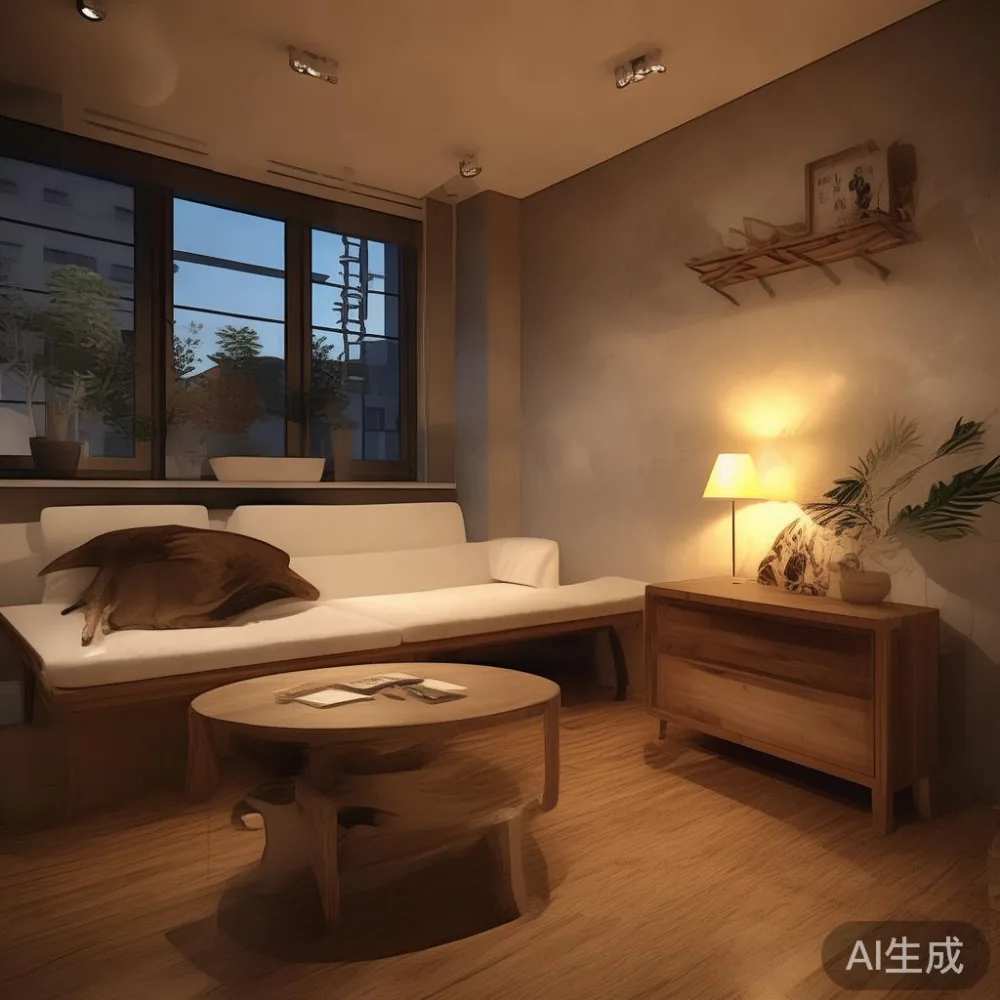
I tested the math, visited a friend in Punggol who just refurnished her whole 92 sqm BTO with her Maine Coon in mind, and walked the MIDHILL furniture showroom last month to check what solid hardwood actually costs here. What follows is the honest ledger, with corridor widths (about 1.2 m on most HDB floors, 1.5 m for newer executive lifts), 9% GST on every imported container, and lifetime refinishing assumed where it applies.
What "veneer" and "solid wood" actually mean in a Singapore showroom
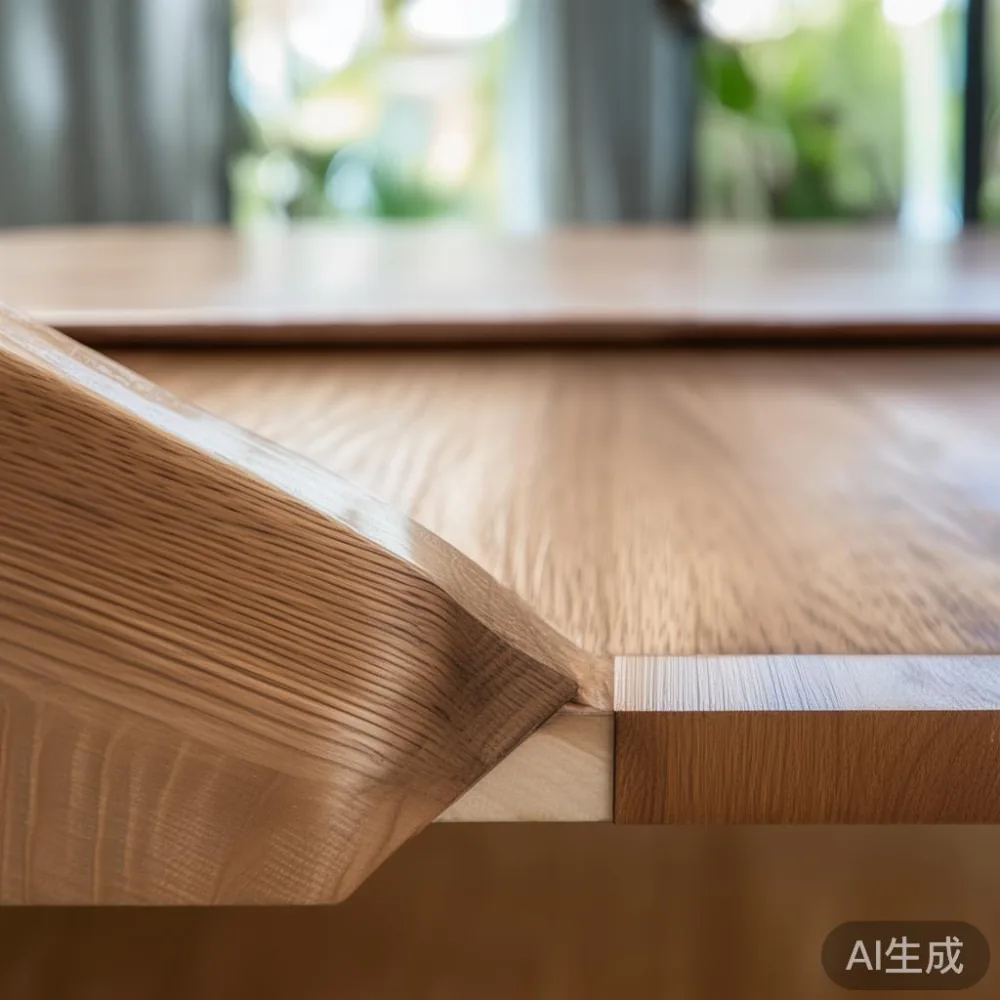
Veneer in 2025 almost always means a 0.6 mm to 1.2 mm slice of walnut, oak, or ash glued onto an MDF or blockboard core. The core is the part that fails when a 35 kg dog jumps off a sofa, or when a cat uses the wardrobe corner as a scratch post. Real solid wood, the kind pet furniture worth trusting is built from, is cut from the trunk: a bed frame post that is 100% oak from surface to centre, a dining table top that is 2.2 cm to 3 cm thick with no laminated layers inside. When MIDHILL's export manager walked me through their kiln-drying process, she was clear that their solid wood pieces start at 8% to 10% moisture content, which is the band that survives container shipping from Foshan to Tuas without cupping.
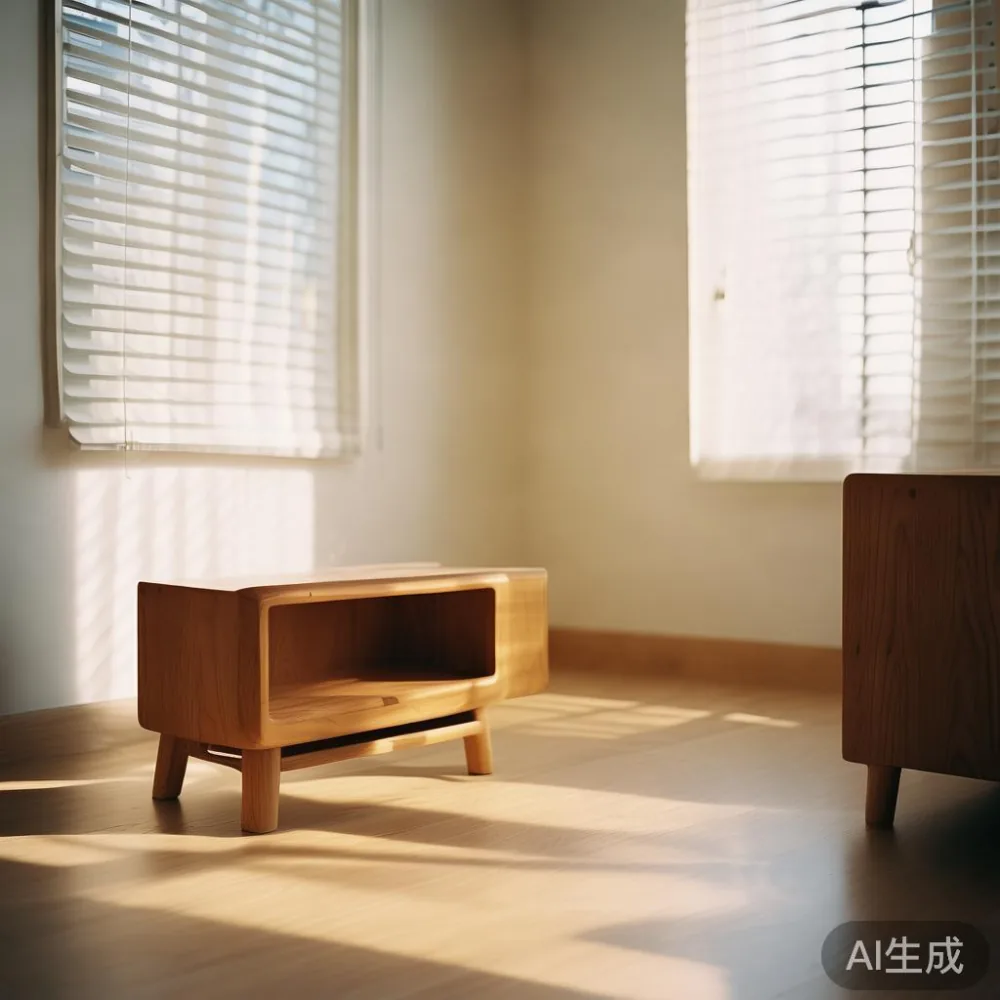
For pet households, the difference shows up in three places: scratch resistance (solid oak rates about 1,360 on the Janka scale vs roughly 700 for a typical rubberwood veneer core), repairability (you sand and re-oil a solid surface; you replace a veneered panel), and joinery (mortise-and-tenon or dowel in solid wood; staples and glue in most veneered flat-pack).
SGD price tags at checkout: the upfront ledger
Let's put real numbers on it. Below is what a typical Singapore pet owner shopping online in Singapore Dollars would see for comparable pieces at similar sizing. The veneered items come from common e-commerce listings; the solid wood pieces come from MIDHILL's catalogue plus a few local solid-wood specialists I cross-checked.
Sofa frame (2.2 m to 2.4 m, three-seater, pet-friendly fabric)
Veneered beech + plywood frame with cat-scratch-resistant fabric: SGD 1,450 to SGD 2,200.
Solid ash or walnut frame with replaceable covers: SGD 3,200 to SGD 4,800.
Bed frame (queen, 152 cm x 190 cm)
Veneered MDF headboard and footboard: SGD 750 to SGD 1,300.
Solid oak European-style bed frame vs Nordic-style bed frame, both with slatted base: SGD 2,400 to SGD 3,600.
Dining table (1.6 m to 1.8 m, seats six)
Veneered tabletop on rubberwood legs: SGD 850 to SGD 1,500.
Solid 2.5 cm thick oak or walnut top: SGD 2,200 to SGD 3,800, more if you want a marble table and mixed-material version pushing SGD 5,500.
Wardrobe (2 doors, 180 cm H x 120 cm W)
Veneered MDF: SGD 950 to SGD 1,600.
Solid wood wardrobe with full-length shelves: SGD 3,200 to SGD 5,000.
Nightstand (50 cm W x 45 cm D x 55 cm H)
Veneered: SGD 180 to SGD 320.
Solid: SGD 480 to SGD 750 per pair.
Add 9% GST to every line, plus delivery (SGD 60 to SGD 120 per piece into a HDB corridor), and the upfront delta on a full five-piece living-and-bedroom set runs from SGD 7,500 to SGD 14,000 more for solid wood. That is the sticker shock moment. It is also where most Singapore buyers walk away and pick veneer. The next question is what that gap looks like five years later.
Can my pet actually damage veneer furniture in 5 years?
Yes, and the failure mode is predictable. A medium dog on a veneered sofa frame will pop staples along the arm panels inside 18 to 30 months; the leatherette or PU cover separates from the chipboard core, the inner edge crumbles, and you cannot glue it back. I saw this last month in a friend's Bedok condo, where her cavoodle had quietly flapped the back of a SGD 1,800 "leather" sofa into a fibrous mess within 26 months. The replacement quote from a local upholsterer was SGD 650 just for re-stapling and re-padding, and after that repair the frame still had visible sag.
Cats are quieter but harsher. Claw points on a wardrobe corner carve into the 0.6 mm veneer layer, water it, and within two cycles of Singapore's wet-and-dry monsoon the paper layer lifts in milky patches. Once the underlying MDF absorbs humidity through that breach, the panel swells and the only practical fix is full replacement. Pet furniture that lives in this climate has to be either replaceable or rebuildable; solid wood offers the second path.
What does solid wood cost over 5 years once you add repairs?
The whole point of the comparison is to add up repair, refinishing, and replacement costs over five years, then divide by the lifespan to see what each material actually costs per year of use. Here is the realistic ledger for a pet-active HDB household.
Veneer set at year 5
Upfront: about SGD 7,800 for the five-piece set above.
Repair pool: re-glue sofa arms SGD 450, replace one wardrobe panel SGD 600, refinish two MDF edges SGD 200, full dining table replacement at year 4 because the core split SGD 1,100. Total repair and replacement: SGD 2,350.
Total 5-year cost: SGD 10,150. Resale or scrap value: near SGD 0 because chipboard is not accepted by most Singapore karung-guni buyers.
Net annual cost: SGD 2,030 per year. Pieces remaining: sofa frame failing, bed frame still usable, dining table replaced, wardrobe failing.
Solid wood set at year 5
Upfront: about SGD 15,400 for the comparable five-piece set, free shipping from suppliers like MIDHILL on orders above the US$350 threshold (roughly SGD 480), saving around SGD 400 on delivery.
Repair pool: one professional oil re-coat on dining table and nightstand SGD 220, one scratch-fill and sand on wardrobe doors SGD 180, replacement cover on the sofa SGD 380, plus a small refinishing pass at year 5 included in the lifetime refinishing terms many solid-wood makers, including MIDHILL, attach to their 10-year structural warranty pieces. Out-of-pocket refinishing still required for the rest: SGD 350. Total repair: SGD 1,130.
Total 5-year cost: SGD 16,530. Resale value on the second-hand market (Carousell, HipPost, Facebook Marketplace): roughly SGD 5,500 to SGD 7,000 because Singapore buyers actively search for "solid oak" and "solid walnut" in pet homes.
Net annual cost after resale offset: SGD 1,700 to SGD 2,100 per year. Pieces remaining: all five, with another 10 to 15 years of service typical for kiln-dried hardwoods.
Run that out over 15 years, the typical ownership window for a HDB flat before the next upgrade, and the per-year numbers converge. Veneer runs about SGD 1,300 to SGD 1,700 per year once you have replaced the dining table, wardrobe, and one sofa frame. Solid wood runs about SGD 1,050 to SGD 1,400 per year once you factor resale, and the structural warranty (10 years from established makers) absorbs the biggest tail-risk event: a cracked load-bearing post.
Does the math change for light luxury or post-modern light luxury styling?
It does, and this is where French light luxury and American light luxury buyers often get steered wrong. A light luxury sofa with brushed-gold legs, channel-tufted bouclé, and soft-close hardware has a veneer version and a solid version, but the styling cues hide the construction. Pressed through ten fabric swatches at a light luxury showroom offshoot in the East Coast last month, I could not tell which two were MDF-core and which two were solid ash without pulling up the dust skirt. The price gap narrowed on the styled pieces as well: SGD 3,800 veneer vs SGD 4,900 solid for a light luxury sofa vs French provincial sofa comparison, for example, or SGD 3,400 veneer vs SGD 4,400 solid in a light luxury sofa vs Japandi sofa comparison with the same base platform.
For shoppers tracing the top 10 French furniture names like Roche Bobois, Maison du Monde, and Bois & Chiffon, the construction is almost always a thin French walnut veneer over a beech ply core. That is authentic to French provincial craft, which developed around thin oak and walnut cuts over centuries because solid French walnut is extraordinarily expensive. In Singapore, the equivalent post-modern light luxury look at accessible pricing is built on solid ash or solid rubberwood with a walnut stain, which gives the same visual at roughly 1.5x the cost of veneered French provincial but with full rebuildability. Pick the construction that matches the local humidity; copy the silhouette you love.
What about a Minimalist for small living room layout in a 920 sqft HDB?
Singapore HDB living rooms often run 4.2 m x 3.6 m or smaller, so a Minimalist for small living room layout leans on a slim-profile solid wood sofa, a 1.4 m extendable dining table, and a single vertical wardrobe to free wall space. Solid wood wins twice in this layout: the slim arms do not need a thick MDF substrate to feel sturdy, and the higher-density hardwood resists the corner bumps that happen every time you carry a dog crate or push a stroller past the dining table. A 1.4 m solid oak extendable dining table with one 40 cm extension leaf can seat four daily and six when relatives visit, weights around 48 kg (manageable for two adults up a 1.5 m lift), and survives a lifetime of refinishing. The minimalist aesthetic does not require veneer if you want long service life.
Here is a quick decision checklist I now give every friend in a Punggol or Bedok BTO who asks:
1. Do you have a pet over 12 kg, or more than one cat? Go solid on every load-bearing piece: sofa frame, bed frame rails, dining table, wardrobe.
2. Is your delivery path tight (lift under 1.8 m depth, corridor turns)? Check each piece's weight, dimensions, and whether the supplier offers disassembly plus on-site assembly. Solid wood furniture arrives heavier (40 kg to 80 kg per case), so plan for two helpers.
3. Are you planning to stay past five years? Solid wins on per-year cost and resale.
4. Are you styling around a light luxury or French provincial interior? Select the silhouette, then verify the substrate by lifting a sample corner or asking for a cross-section photo.
5. Will you refinish? Solid wood's lifetime refinishing option, offered by makers like MIDHILL on most catalogue pieces, is the real cost-equaliser.
How long will delivery take and what should I budget for GST?
For container-shipped orders from Foshan or nearby Guangdong factories, realistic timelines to a Singapore address are 35 to 55 days from order, plus 7 to 14 days for the local arm-courier or lorry delivery, so plan for about 8 to 10 weeks between order and your lift lobby. Add 9% GST on the declared CIF value at customs; the supplier should pre-pay this under DDP terms or quote it as a separate line so you are not surprised at the door. Lift access is the silent budget killer: HDB passenger lifts in Tampines and Punggol newer blocks are about 1.6 m deep, older blocks around 1.2 m to 1.4 m, and a solid wood dining table that exceeds that footprint will need hoisting through the service lift or staircase.
What about warranty, returns, and refinishing in real terms?
A 10-year structural warranty on frames and joinery, paired with lifetime refinishing access, is the offer that flattens the 5-year cost difference into a near tie with veneer. Read the warranty fine print: most cover joinery separation and wood cracking but not finish wear or pet damage, and refinishing is usually a charged service (SGD 180 to SGD 400 per piece) unless bundled. A 14-day return window protects you against colour mismatches and transit damage but does not cover normal pet wear, so photograph the piece on arrival within the first 48 hours.
Is solid wood worth the extra SGD 7,500 upfront for a pet household?
If you have at least one medium-to-large pet, if you plan to stay in the home past five years, and if you ever expect to sell or pass the furniture down, yes. The math over a 5-year window narrows from a SGD 7,500 gap to a SGD 1,500 to SGD 3,000 effective gap once repairs and resale are factored in, and over 10 to 15 years the gap flips in solid wood's favour by SGD 4,000 to SGD 8,000. For a short-stay 2-year expat rental, veneer almost certainly wins on pure upfront cost. The choice is yours, and now the numbers are too.