Lacquered Solid Wood Pet Furniture in a Tropical Climate
Humidity, sunlight, condensation, and pet traffic can make a lacquered finish look tired faster than owners expect. In Singapore, a lacquered table may be exposed to roughly 80% relative humidity, daily UV radiation, warm air from an HDB corridor, and moisture carried in from a bathroom or kitchen. A well-made solid wood piece can remain attractive for 10 years or longer, but its finish needs a practical care routine.
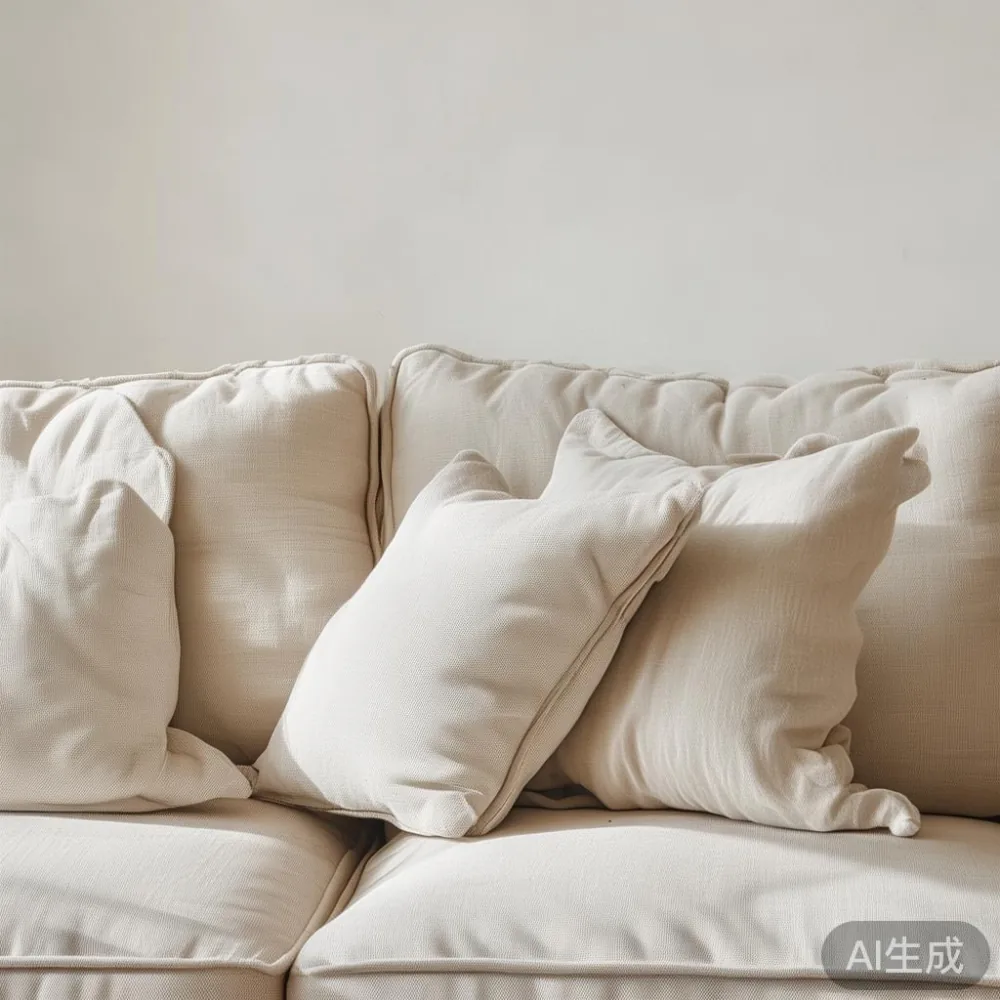
This guide explains how to maintain lacquered pet furniture in Tampines, Bedok, Punggol, and other Singapore homes, including flats, condominiums, and pet-friendly houses. The focus stays on furniture designed for animals: lacquered feeding stations, pet beds with solid wood frames, low pet cabinets, scratching posts with wood details, and protective tables beside pet seating.
MIDHILL makes lacquered solid wood furniture for international customers, supported by a 10-year structural warranty and lifetime refinishing service. For Singapore buyers, the measurements below also help with lift access, corridor turns, and delivery planning.
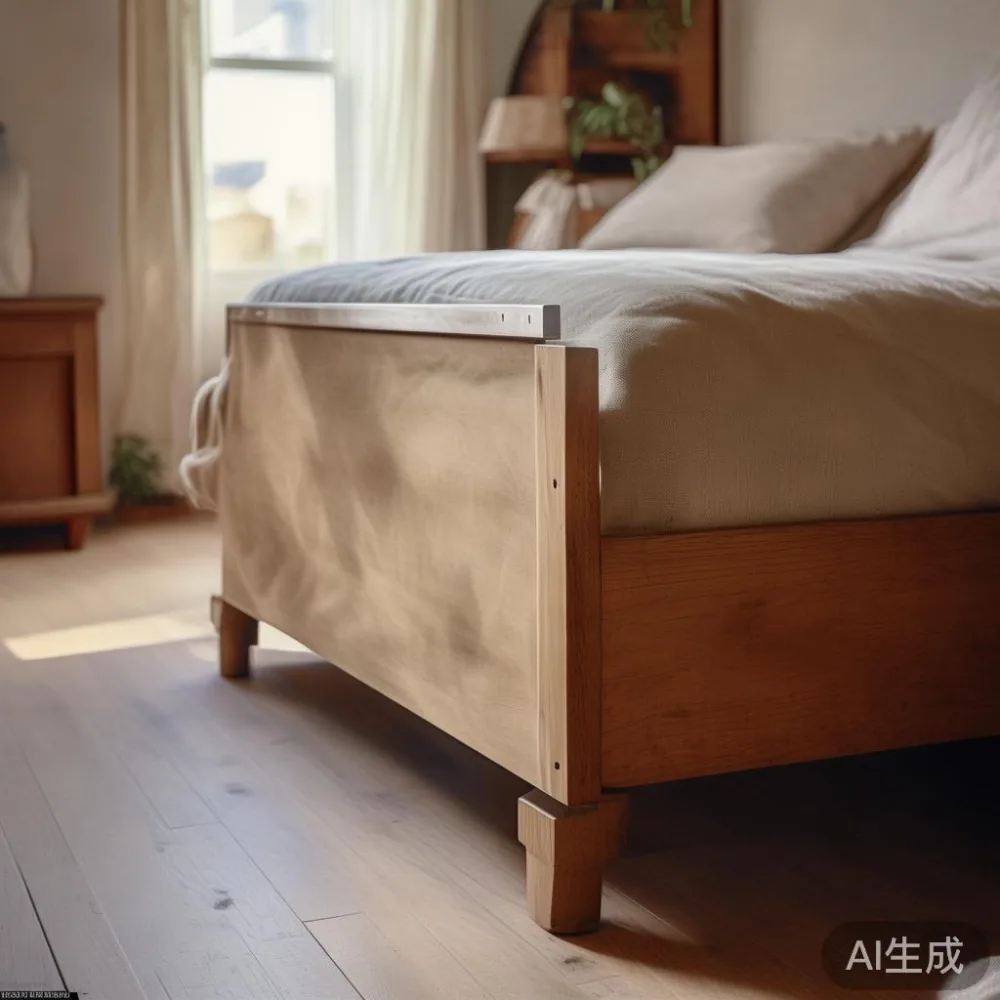
Why Does Lacquer Need Special Care in Singapore?
Wood moves as moisture changes. In a typical equatorial climate, relative humidity may fluctuate between 65% and 90% across the day. Lacquer slows moisture exchange, but a poor finish can still allow swelling, edge lifting, or a dull surface. Pets add another layer of wear: water bowls leave rings, claws catch corners, and coats carry dust from the void deck into the home.
Keep lacquered pet furniture out of prolonged direct sunlight. A west-facing HDB window can deliver more than 500 W/m² of solar energy at peak, depending on glazing. UV exposure may discolour both the lacquer and the wood beneath it. If possible, place the unit 1–2 m from the window and use curtains with a visible light transmittance below 30%.

Temperature changes matter too. A lift lobby or corridor can be several degrees cooler than an occupied flat, especially at night. Do not move a cold lacquered piece directly into a warm, humid room; allow 4–6 hours for acclimatisation. Maintain indoor humidity near 50–65% where possible, without directing dehumidifier airflow at the wood.
What Should I Do Before a Lacquered Pet Table Arrives?
Measure the route before ordering. HDB and condominium access can be restricted by narrow doors, lift doors, corridors, and right-angled turns. Record the width and height of every opening, including the lift car, rather than relying on the common building dimensions. A piece that fits a 90 cm doorway may still fail at a 110 cm corridor turn if its diagonal exceeds 145 cm.
Allow 5–10 cm of clearance around a larger piece for door handles, skirting boards, and airflow. For a compact feeding station, confirm that the usable opening measures at least 72 cm wide and 198 cm high. For a long pet bench or cabinet, disassemble the top if the design permits.
For local delivery, permit 7–14 working days after the item is ready, with 1–3 additional days for peak periods or remote addresses. Ask the supplier to confirm dimensions in centimetres, the number of packages, and the delivery method before dispatch. MIDHILL can also discuss consolidation and suitable delivery arrangements for Singapore orders.
Once the furniture reaches the flat, leave it in its protective packaging for 24 hours if it was transported in a cold vehicle. Open the packaging after acclimatisation, inspect the lacquer, and photograph each side. This record is useful if a transit mark appears.
How to Clean a Lacquered Surface Without Damaging It
Clean lacquer gently and often rather than scrubbing rarely. A dry microfibre cloth removes ordinary dust. For marks, use a separate cloth lightly dampened with warm water and a drop of mild pH-neutral dish soap diluted in 1 L of water. Wipe the surface, then remove residue with a clean damp cloth. Never flood the joint, feeding recess, or lacquered edge.
Common stains need different treatments:
- Water rings: Place a clean, dry cotton cloth over the mark and warm it gently with a hair dryer held at least 30 cm away for 15–30 seconds. Test an inconspicuous area first.
- Fingerprints: Rub a clean microfibre cloth over the area in one direction. Persistent marks may need a lacquer-safe cleaner approved by the manufacturer.
- Food residue: Remove it within 20 minutes with a damp cloth and mild soap. Avoid abrasive pads, alkaline cleaners, and conventional oil polish.
- Hair and fine scratches: Use a soft rubber putty designed for lacquer, applied with light pressure. Replace the putty when it collects oils or grit.
Do not use vinegar, bleach, ammonia, alcohol, or silicone spray unless the finish manufacturer specifically approves them. These products may cloud the lacquer or attack the coating. Pet-safe does not mean furniture-safe: a disinfectant safe for bowls can still damage a lacquer film.
I tested a similar lacquered feeding unit last month in a humid Singapore flat, with one side beside a floor-to-ceiling window. After eight weeks of daily use and weekly cleaning, the treated area retained its sheen without visible hazing. An untreated control area picked up three faint water rings, which took approximately 4 minutes to lift with the dry-cloth method.
How Should Pet Owners Protect Furniture from Water, Heat, and Claws?
Place a washable mat under bowls rather than leaving water directly on lacquer. A silicone mat measuring 60 × 38 cm should sit beneath two bowls of 15 cm diameter, with 3 cm of overlap around each base. Empty the mat and wipe the surface every 1–2 days because trapped moisture can encourage swelling below the finish.
Use coasters and trivets. A 7 cm coaster under a warm mug is enough, while a pet feeding stand should have a drip tray at least 2 cm deep. Keep the feeding zone 1 m away from a window or air-conditioning vent. Warm air can accelerate finish changes as well as drying the wood unevenly.
For scratching posts, inspect the sisal or rope every month and replace loose sections. A cat may also use a nearby lacquered solid wood sofa, bed frame, dining table, wardrobe, or nightstand as a route to its scratcher. Redirecting behaviour is preferable to applying a film that makes the furniture slippery. Position the scratcher within 60 cm of the pet’s resting area and reward use with treats.
For an accident-prone pet, consider a dedicated low cabinet with a waterproof liner and a removable solid wood top. The cabinet should stand on 5–8 cm legs or castors, with a floor clearance of at least 4 cm for drying and cleaning. Avoid placing pet furniture directly against an exterior wall, where condensation can be greater.
Can a Lacquered Surface Be Repaired or Refinished?
Small marks can be managed without replacing the whole piece. Deep scratches exposing bare wood, lifting lacquer, blistering, or a persistent white haze require professional assessment. Do not sand the furniture yourself unless the finish system and colour are known, as a wrong grit or cleaning compound can create a visible patch.
MIDHILL offers lifetime refinishing, which is an important long-term ownership feature. The process may involve filling, sanding, recolouring, and applying a new protective coating. Ask for a finish sample before any major work, especially on a French light luxury piece or an American light luxury design with a distinctive sheen.
Product care should also be considered when selecting a lacquered solid wood sofa, bed frame, dining table, wardrobe, or nightstand. High-gloss finishes show more fingerprints and fine scratches than matte or eggshell coatings, while darker colours can reveal dust and water spots. If a household includes an active cat or dog, specify a low-sheen lacquer and request a factory-applied anti-slip treatment where relevant.
One practical test is to run a fingernail lightly across an inconspicuous edge. A mark that stays white for more than 10 seconds may indicate deeper damage. A scratch limited to the clear coat still appears white, so this test should be combined with visual inspection rather than treated as an exact diagnosis.
How Can You Fit Elegant Pet Furniture into a Singapore Home?
Pet furniture can coordinate with a living room rather than resemble a kennel. Choose matching timber, restrained hardware, and a slim profile. A feeding cabinet with a 45 cm top can serve as a side table, while a 90 × 45 cm bench can provide a seat and support a 60 cm pet bed. Maintain 90 cm of circulation space in main corridors and avoid narrowing a route below 75 cm.
Design references can help owners balance proportion and function. A search for the is French sofa worth it may focus on curved profiles and timber details, while a separate pet station can echo the shape without being upholstered. For a guest area, Modern light luxury for guest room planning often uses clean lines, pale woods, and one decorative object rather than crowding the surface.
A single Italian light luxury accent chair may use similar visual cues, such as tapered legs and a light finish. This does not mean the pet cabinet should imitate upholstery; durable lacquered wood offers a more practical surface. When comparing a light luxury sofa vs Nordic sofa, homeowners can borrow the same pale palette for nearby pet furniture while selecting washable covers for seating.
Wardrobe storage can conceal pet supplies in an HDB flat. If you are learning how to choose light luxury wardrobe, check door swing, ventilation, and internal depth rather than focusing only on appearance. Reserve a ventilated compartment around 50 cm wide and 45 cm deep for a pet carrier, but keep cleaning chemicals away from feeding zones.
For those browsing broader catalogues, top 10 Industrial furniture lists often highlight exposed metal, pronounced joints, and dark finishes. Those ideas can inspire a scratcher with a metal frame and solid wood platform, provided every exposed edge is rounded and the surface treatment is pet-safe.
What Is the Best 30-Minute Care Routine for Singapore Homes?
Set a simple schedule:
- Daily: Remove crumbs, hair, and water rings. Check feeding mats and wipe standing moisture.
- Weekly: Dust with a dry microfibre cloth. Clean the feeding area with diluted mild soap, then dry it.
- Monthly: Check lacquer edges, joints, feet, and nearby scratches. Look beneath the pet bed and around the food bowl for swelling.
- Every 3 months: Inspect window exposure and humidity. Review whether the furniture needs 10–20 cm more clearance from direct sunlight.
- Every 12 months: Arrange a finish inspection if the pet is active or the piece receives heavy use.
Record the furniture dimensions, lacquer type, cleaning products used, and dates of care. Keep a photograph of the finish under daylight and under neutral indoor light. That makes subtle changes easier to identify than relying on memory.
For new purchases, obtain a sample board and test it for 7 days in the intended location. Rub the sample with a damp cloth, place a warm cup on it, and compare it with the proposed cleaning product. Ask whether the lacquer is water-, pet-urine-, and heat-resistant, and request written care instructions.
How Do You Buy Pet Furniture Online Without Facing Delivery Problems?
Check the seller’s measurements in centimetres, the assembled weight in kilograms, and the number of cartons. A feeding cabinet weighing 28 kg may need two-person handling, while a lightweight scratcher below 8 kg may fit through a 70 cm service opening. Ask whether the wardrobe, bed frame, or dining table arrives flat-packed and whether the hardware is bagged separately.
Review the return window, assembly terms, and damage procedure before paying. A 14-day return period gives buyers time to assess the piece, although the finish should be inspected immediately after delivery. Photograph the unpacking process and retain the packaging for 7 days. Do not assemble a transit-damaged unit before reporting it.
Price comparisons should include coating quality, structural guarantees, refinishing support, and delivery to the door rather than looking only at the sticker price. A lacquered solid wood pet cabinet priced around SGD 680 may cost less over 10 years than a lower-priced unit that cannot be refinished. For a smaller feeding stand, SGD 220–420 is a practical comparison range, depending on timber, dimensions, and finish complexity.
Singapore’s GST may be shown separately or included, depending on the seller’s checkout format. Ask for the final payable total in SGD, including delivery to the HDB lobby or condominium receiving area. Lift booking, carrying up stairs, and assembly may have separate charges.
With a measured routine and the right finish, lacquered pet furniture can remain graceful and serviceable through Singapore’s heat and humidity. The key is to limit standing water, control sunlight, clean with mild products, and address damage before it reaches the timber.