Solid Wood Furniture Costs in Singapore Explained
Last month I visited a friend in a 4-room HDB flat in Tampines who had just bought a solid wood dining table online. The listing said "solid wood," the price was S$899, and the delivery slot was a four-hour window on a Saturday morning. Three weeks later the top was bowing, the colour did not match the sample swatch, and the seller had stopped replying to WhatsApp messages. She ended up returning it for a refund, lost the S$80 delivery fee, and started the search again — this time asking me, a furniture specialist, one very specific question: why does one solid wood dining table cost S$900 and another cost S$3,200, when both boxes say "solid wood"?
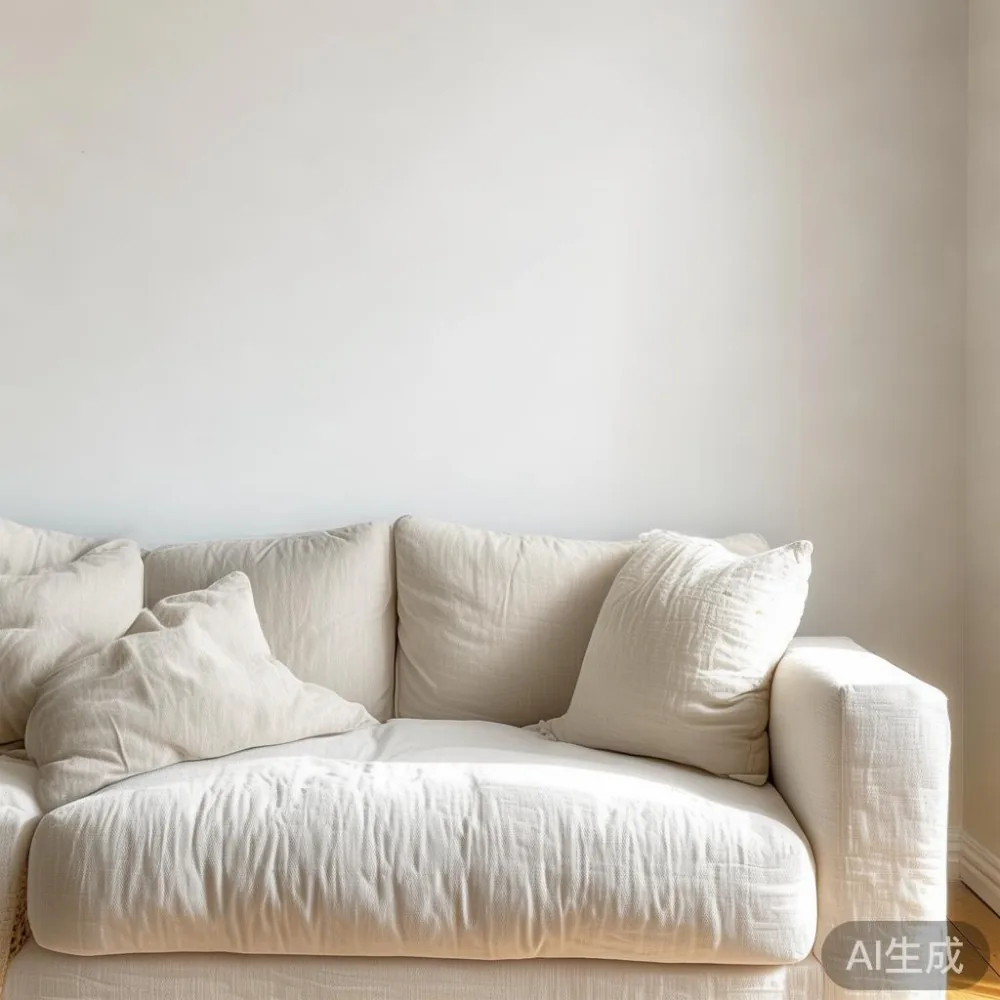
That question sits at the heart of this article. Solid wood furniture in Singapore — from a bed frame in a Punggol condo to a wardrobe in a Bedok BTO — is priced by a handful of honest, measurable variables. None of them are mysterious once you know where to look. And once you understand them, you can also understand why well-made pet furniture (the small but growing category of beds, dining platforms, and litter-box cabinets built from solid timber) sits at a particular price band rather than at the S$199 promotional level you see on Carousell.
What is the difference between French corner sofa and modern furniture?
French corner sofas are built around a deeper seat depth of 95–105 cm, lower back cushions filled with a 70/30 down-and-foam blend, and a solid wood internal frame using kiln-dried beech or ash at 8–12% moisture content, while modern furniture as a category is defined by lighter visual weight, exposed legs lifting the base 12–18 cm off the floor, and a wider tolerance for engineered panels or metal sub-frames. In Singapore showrooms, the price gap between the two comes from three measurable factors: frame timber density (French frames average 28–32 kg/m³ heavier), upholstery yardage (a corner sofa needs 14–18 m of fabric versus 6–9 m for a 2-seater modern sofa), and joinery (mortise-and-tenon corners versus cam-lock bolts). When a brand such as MIDHILL labels a piece American light luxury, they are usually pointing at the second category — clean lines, visible wood grain, and lighter proportions — but with a frame that still uses solid hardwood rather than plywood.

Timber species: not all "solid wood" is the same wood
The single largest cost driver is the species of timber used for the main boards. In the Foshan production belt that supplies most of Singapore's independent furniture retailers, four species dominate:
- Rubberwood (Hevea) — plantation-grown in Malaysia and Thailand, harvested at 25–30 years, priced around USD 480–620 per cubic metre CIF Singapore. Common in entry-level dining tables and bed frames from S$499–S$1,100. Density roughly 560–640 kg/m³.
- Ash (Fraxinus) — imported from the U.S. Northeast and Eastern Europe, USD 950–1,250 per m³. The default for what designers call Japandi mid-century modern japan silhouettes, with pale tone and straight grain. Density 670 kg/m³.
- White oak (Quercus alba) — USD 1,800–2,400 per m³. Used in higher-end dining tables and wardrobes, identifiable by the long medullary rays on quarter-sawn boards. Density 755 kg/m³.
- Walnut (Juglans nigra) — USD 2,800–3,600 per m³. Reserved for statement pieces: marble-top dining tables, headboards, and nightstands where the chocolate-brown grain is the design feature.
A 1.6 m rubberwood dining table uses about 0.08 m³ of timber, so the raw wood cost is roughly S$55. The same table in white oak costs S$225 just for the boards, before joinery, finishing, or shipping. That single variable explains more price variation than anything else a sales consultant will talk about.
Why does kiln-drying matter so much for a Bedok or Punggol HDB flat?
Singapore sits at 1° north of the equator. Indoor relative humidity runs 65–80% for at least nine months a year, and air-conditioned bedrooms can drop to 45–55% overnight. Timber that was dried to 8% moisture content in a Foshan kiln and then shipped in a container for seven days will arrive in Jurong at around 11–13%. If the maker did not dry it long enough, that board is going to move — cupping on a 200 cm dining top, gaps opening on a wardrobe door panel, or a drawer bottom shrinking 4–6 mm.
Reputable makers hold their stock in a climate-controlled warehouse for 30–60 days after kiln-drying, re-test with a pin-type moisture meter (target 10–12% for Singapore delivery), and only then cut joints. MIDHILL publishes a 10-year structural warranty partly because their internal standard requires this re-conditioning period — a wardrobe that survives 10 Singapore monsoon cycles without a cracked panel is one whose timber was properly rested. The cheaper alternative is to cut and pack within five days of kiln-drying, which keeps the factory cost low but pushes the risk of warping onto the customer six months after delivery.
What makes "pet furniture" different from regular solid wood furniture?
This is the category most Singapore buyers underestimate. Pet furniture is a subset of household furniture built around three specific design constraints: scratch resistance at the timber finish, a structural load rating higher than human-weight-only items, and a geometry that fits standard pet behaviour patterns (curled sleeping, leaning, jumping). A solid wood pet bed for a 25 kg Golden Retriever needs to hold 75 kg dynamic load (3× safety factor), which means thicker legs (at least 55 × 55 mm versus 35 × 35 mm on a human side table) and corner blocks glued and screwed, not just dowelled.
The price uplift for a properly built pet furniture piece versus a visually identical regular piece is usually 20–35%, and it comes from:
- Finish — a water-based polyurethane with ceramic additive (e.g., the Eurocryl EC-7000 series used in higher-end production) costs about S$18–22 per litre versus S$6–9 for a standard NC lacquer, and you need three coats instead of two.
- Joinery upgrade — corner blocks of the same species as the main frame, plus 8 mm hardwood dowels, plus a bead of waterproof PVA. A regular side table might skip the corner blocks.
- Edge profiling — a 6–8 mm radius on every exposed edge (so a dog or cat cannot splinter itself) adds S$25–40 of CNC time per piece.
- Removable cushions — pet beds need zippered, machine-washable covers in fabric that survives 200+ wash cycles at 30°C, which is a different supply chain from human upholstery.
The honest reason pet furniture often seems expensive online is that the category is small enough that nobody is subsidising it with container-volume discounts yet. A 40-foot HQ container holds roughly 280 pet beds versus 460 standard side tables, so the freight per piece is higher. As the category matures and Foshan factories allocate dedicated lines, the price gap should narrow, but in 2024–2025 you should still expect to pay S$320–S$680 for a well-made solid wood pet bed with a washable cushion.
Hardware, marble, and the small things that add up to a big number
Open any Singapore furniture catalogue and you will see two price tiers within the same product photo. The difference is almost always in the hardware and the surface inserts:
- Drawer slides — a Chinese-made ball-bearing slide costs S$4–6 per pair and cycles about 25,000 times. A German Hettich or Blum soft-close slide costs S$18–28 per pair and cycles 80,000–100,000 times. On a six-drawer wardrobe that is a S$96 difference at the slide level alone.
- Marble tops — a sintered stone or natural marble top on a 1.4 m dining table adds S$650–S$1,400 depending on whether you choose Carrara white (Italian, S$180 per slab m²), Guangxi white (Chinese, S$70 per slab m²), or a sintered stone like Dekton (S$140 per slab m², but 12 mm thick instead of 18–20 mm natural stone). A "marble table" listed at S$1,299 is almost certainly sintered stone; one at S$3,400 is natural Italian or Turkish marble.
- Leg metalwork — a steel sled base with powder coat adds S$110–180 to a dining table; a brass-plated stainless base adds S$280–420.
- Upholstery yardage — for a 4-seater solid wood sofa frame, expect 11–14 m of fabric. A Chinese performance velvet at S$18–24/m adds S$220–340; an Italian woven wool at S$70–95/m adds S$770–1,330.
For a bed frame, the hidden cost driver is the slat system. A 13-slat poplar setup with a non-woven backing costs about S$55 in materials. A 26-slat beech setup with adjustable lumbar zones costs S$160–220. Both hold a 200 kg person on paper; only one still feels solid at year eight.
How do Singapore delivery constraints change the price you actually pay?
A 4-room HDB flat in Bedok has a typical corridor width of 1.2 m, a lift car of about 1.1 × 1.4 × 2.3 m, and a main door of 0.9 m wide. A 2.1 m tall wardrobe that works fine in a Punggol condo landing will not fit through a HDB corridor turn if it is not built knock-down. Makers who ship flat-pack with an assembly-on-site service can use thinner, taller packing; makers who ship fully assembled charge more because they have to engineer around lift geometry.
This is where the Foshan production model earns its reputation: the best factories design knock-down joinery (figure-8 locks, dowel-and-glue, hidden cam bolts) that can be assembled in 25–45 minutes by two people with an Allen key. The retail price of a wardrobe in Singapore reflects three delivery-related line items:
- Free shipping threshold — MIDHILL, for example, absorbs the freight on orders above US$350 (around S$475). Below that, expect a S$60–120 delivery surcharge to a Singapore address.
- Lift-access delivery — ground floor to your door, included. Staircase carry (e.g., a walk-up on the third floor of an older block) is typically S$15–25 per floor per item.
- Installation — basic placement is included; full assembly of a wardrobe or bed frame is S$40–90 depending on piece count.
- GST — 9% on the landed price for goods above S$400 personal import threshold. Most Singapore-based showrooms include this in the ticket price; direct-from-Foshan buyers see it as a separate line.
Add an additional 14-day return window, a lifetime refinishing commitment (sanding and re-lacquering of a dining table top is roughly S$280–420 if you pay out of pocket), and a 10-year structural warranty, and you begin to see why the all-in price of a S$2,400 white oak dining table is actually quite reasonable when amortised over 15–20 years of use.
Does "post-modern light luxury" actually mean anything, or is it a marketing term?
Honest answer: it is a styling shorthand, not a quality certification. The phrase post-modern light luxury, along with its siblings American light luxury and French light luxury, refers to a visual vocabulary — soft curves, mixed materials, restrained metallic accents — that emerged from late-2010s Shanghai and Milan design studios. None of these labels guarantee a specific timber or joinery standard. A French light luxury nightstand from one factory might be solid ash with dovetail drawers; from another, it might be MDF with a walnut veneer.
The practical test is to ask three questions at the showroom:
- What is the moisture content reading on the moisture meter right now? (Anything above 14% is a red flag for Singapore.)
- Can I see the inside of the drawer box — is it the same wood as the outside, or a different species?
- What is the density of the cushion foam on a sofa, and is the cover removable?
These three answers will tell you more than any style label. A piece that passes all three is worth the price tag; a piece that deflects them is not.
So what should a Tampines buyer actually do this Saturday?
If you are furnishing a 4-room HDB flat or a three-bedroom condo in Punggol and you are trying to stay under a realistic S$6,000–S$10,000 furniture budget, here is the framework that has worked for the customers I have walked through it:
- Spend on the pieces you touch every day: a solid wood bed frame, a dining table that seats four, and one sofa. Skimp on the occasional-use items (side tables, accent chairs).
- Specify the timber species in writing, and ask for the moisture meter reading at delivery. Reject anything above 14%.
- For any piece that a pet will use — bed, platform, dining-side bench — insist on the pet furniture grade construction: 6 mm edge radius, water-based PU finish, corner-blocked joinery. The 20–35% premium pays for itself in the first year a dog decides your S$1,800 nightstand is a chew toy.
- Buy from a maker who will still be here in 2030. A 10-year structural warranty and a lifetime refinishing service are not free for the buyer — they are baked into the price — but they convert furniture from a depreciating asset into something closer to a 20-year fixture.
Your friend's S$899 dining table was cheap because the timber was rushed, the moisture content was not checked, and the seller had no warehouse to stand behind. The S$3,200 version costs more because the kiln drying took longer, the wood was rested, and the company putting it in your HDB flat is the same one you will call if a leg cracks in year four. That is the entire story of solid wood furniture pricing in Singapore, told honestly.