The Silent Enemy: Humidity and Its Impact on Solid Wood Furniture in Singapore
Singapore’s climate is a defining feature of life here. The constant warmth, the lush greenery, and the unmistakable humidity are part of the nation's identity. For residents of HDB flats in Tampines, condos in Punggol, or anywhere in between, this environment presents a unique set of challenges, especially for furnishing your home. The air, thick with moisture, is a constant, silent force that can affect everything from the air you breathe to the integrity of your furniture. This is particularly true for solid wood furniture, a choice prized for its natural beauty and durability but also inherently sensitive to its surroundings.
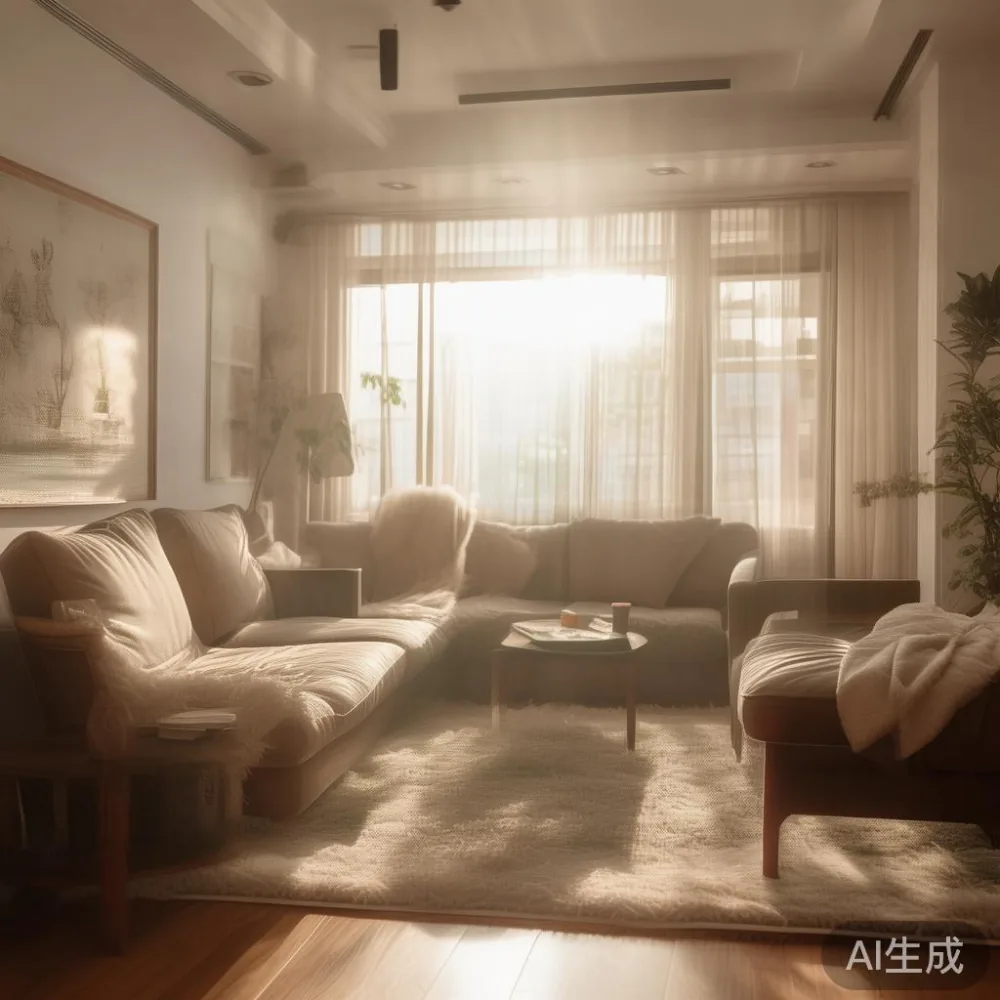
Wood is a hygroscopic material, meaning it absorbs and releases moisture from the air. In a place like Singapore, where relative humidity often hovers between 70% and 90%, wood is in a constant state of absorbing moisture. This natural process can lead to several issues that every homeowner should be aware of. Understanding this relationship is the first step towards protecting your investment and ensuring your home remains a comfortable and beautiful sanctuary for you and your family.
How Humidity Physically Affects Wood Furniture
The science behind wood's reaction to humidity is straightforward. When wood absorbs moisture, its fibers expand. Conversely, when it loses moisture, it contracts. This natural swelling and shrinking, known as movement, is a characteristic of all wood. However, in Singapore's high-humidity environment, the expansion is often more pronounced and continuous. This constant state of expansion can manifest in several visible and structural ways.
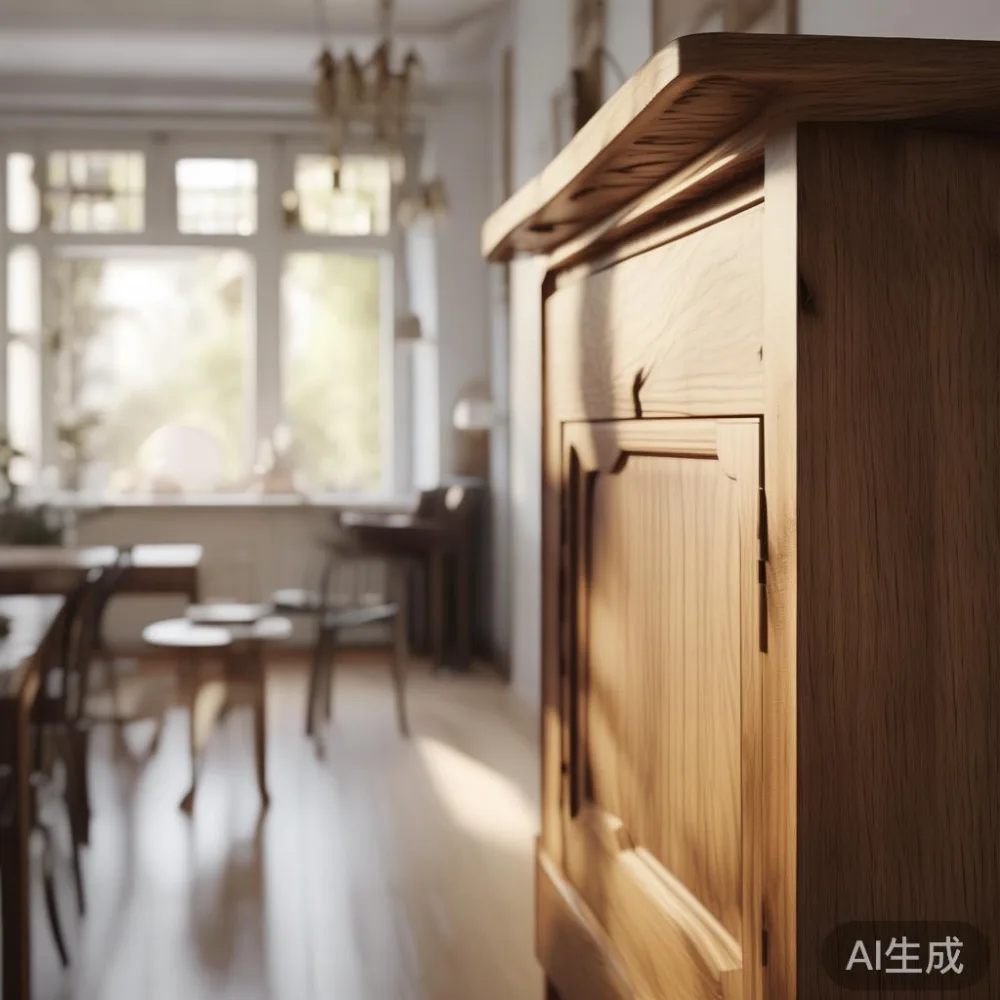
One of the most common signs of humidity stress is warping. A solid wood dining table top, for example, may begin to cup, where the edges rise up while the center remains flat, or it might twist into an uneven shape. A door panel on a wardrobe might not sit flush within its frame anymore, or a solid wood bed frame could develop slight gaps between its panels. These issues are not merely cosmetic; they indicate that the wood fibers are under stress. In severe cases, the constant pressure can cause joints to weaken, leading to structural instability. A nightstand might become wobbly, or the legs of a sofa could begin to feel less secure. This is why the quality of construction and the wood's inherent stability become so important for long-term use in our climate.
Why Solid Wood is Still the Best Choice (If You Choose Wisely)
Given these challenges, one might ask why choose solid wood at all? The answer lies in its unparalleled character and longevity. A well-made piece of solid wood furniture, like a French light luxury sofa or a Scandinavian for small living room, offers a depth and warmth that veneered or laminate pieces simply cannot replicate. The natural grain, the way it ages, and its potential for refinishing make it a timeless choice.
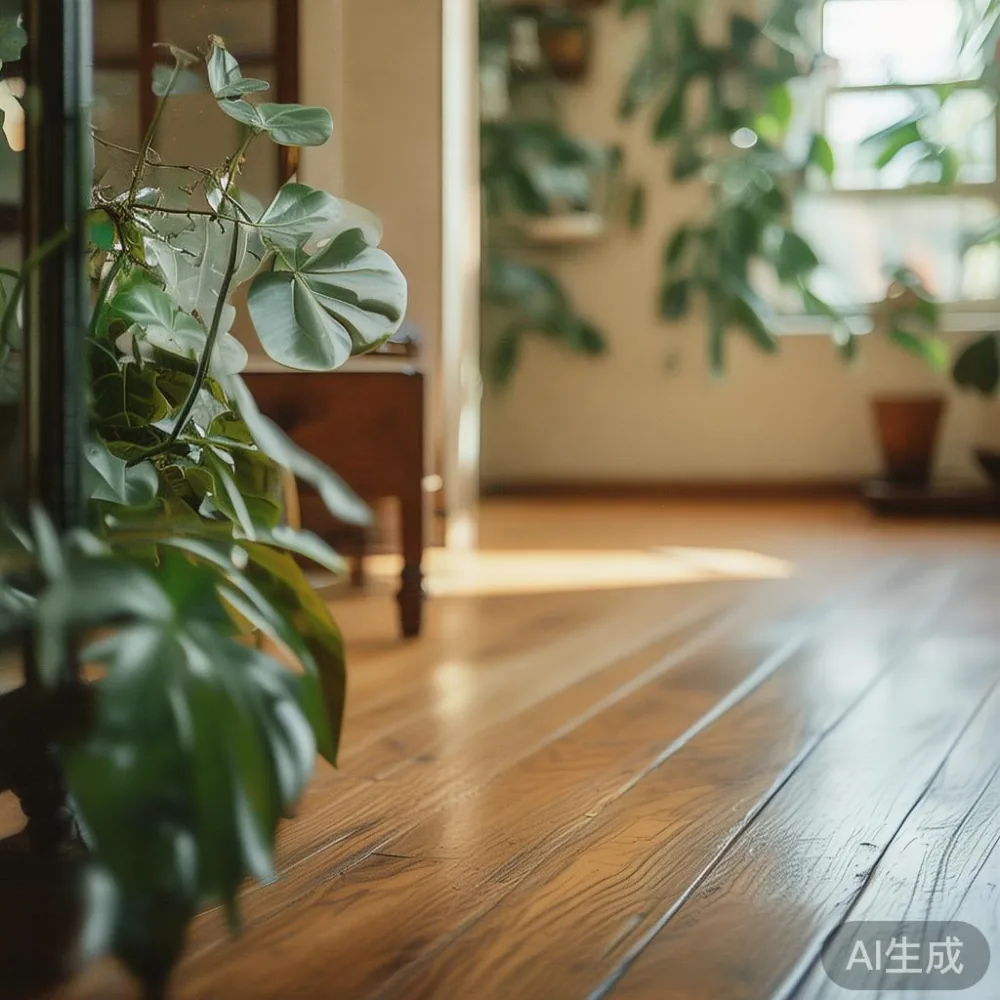
The key is not to avoid solid wood, but to choose the right type and ensure it is properly prepared for the local climate. Different wood species have varying levels of density and stability. For instance, teak and white oak are known for their high density and natural resistance to moisture, making them excellent choices for Singapore. Reputable manufacturers understand this. A good Foshan furniture maker will source appropriate woods and employ techniques like careful kiln-drying to reduce the wood's moisture content to a level suitable for our environment, minimizing future movement.
Also, the construction method plays a critical role. Furniture that uses traditional joinery techniques, such as mortise and tenon or dovetail joints, is far more resilient to the stresses of humidity than pieces held together solely with screws or staples. These interlocking joints allow the wood to expand and contract without coming apart. This is a proof of the importance of craftsmanship, something that defines a piece of furniture built to last.
How to Choose Italian Light Luxury Bed for a Humid Climate
The allure of Italian light luxury design is undeniable. Clean lines, minimalist forms, and a focus on high-quality materials create a sophisticated and calming bedroom environment. When selecting an Italian light luxury bed, or any bed for that matter, for a humid Singaporean home, you need to look beyond just the aesthetics. The structural integrity of the bed frame is paramount.
First, investigate the wood species used. Ask the retailer or manufacturer what type of solid wood comprises the frame. As mentioned, teak, oak, or even acacia are better choices than more porous woods like pine or ash. A solid wood bed frame made from a stable species will withstand the years of humidity far better than a cheaper alternative. Second, examine the joinery. Run your hand along the joints of the headboard, footboard, and side rails. You should feel solid, smooth connections, not gaps or rough edges. A well-constructed frame will feel sturdy and rigid.
Another practical consideration for Singaporean homes is the design's footprint. Many condos and HDB flats have standard lift and corridor widths. A bulky, ornate bed frame might be impossible to manoeuvre up the stairs or around tight corners. Look for designs that are elegant but also practical in their dimensions. A lower-profile bed, for instance, is often easier to handle and can make a smaller room feel more spacious. This foresight in delivery and placement is part of the ownership experience.
Protecting Your Furniture: Practical Care Tips
Once you've invested in quality solid wood furniture, ongoing care is necessary to help it thrive in Singapore's climate. The goal is to manage the environment around the furniture to minimize extreme fluctuations. Here are some practical steps you can take.
First, position your furniture wisely. Avoid placing a solid wood sofa or dining table directly in front of an air-conditioning vent. The cold, dry air blowing onto the wood will cause it to shrink rapidly, creating a shock that can lead to cracking. Conversely, don't place it in a spot where it receives direct, prolonged sunlight, which can dry out the wood and fade its finish. A stable, indirect light source is ideal. Second, consider using a dehumidifier in particularly damp areas like walk-in wardrobes or during the wettest months. It can help take the edge off the humidity without creating a bone-dry environment. Third, regular dusting with a soft, dry cloth helps remove any abrasive particles that could scratch the finish. Finally, if you notice the wood looking dry, a high-quality furniture oil or wax polish can help replenish its natural oils and provide a protective barrier against moisture.
Can My Pet Ruin My Solid Wood Furniture?
This is a common concern for many pet owners who appreciate natural materials. The answer is yes, but not necessarily in the way you might think. Your pet is unlikely to be affected by the humidity, but their claws and chewing habits can certainly impact your furniture. A sharp scratch from a cat's claw or a chew mark from a teething puppy can mar the surface of a beautiful solid wood bed frame or the leg of a sofa.
The good news is that solid wood is remarkably resilient. Minor scratches can often be buffed out with a soft cloth. Deeper gouges can sometimes be repaired with wood filler and refinishing. This is where the value of a lifetime refinishing guarantee offered by some manufacturers becomes apparent. However, prevention is always better than cure. Providing your pets with designated scratching posts and chew toys is the most effective way to protect your furniture. For pet owners, choosing durable woods and finishes is an important part of the selection process.
Making a Smart Investment for Your Home
Furnishing a home is a significant investment, and in Singapore, with its high cost of living and GST, every dollar counts. When you spend SGD 2,500 on a solid wood dining table or SGD 1,800 on a bed frame, you want to be confident that it will last for decades, not just a few years. Understanding the impact of humidity is fundamental to making a smart purchase.
Look for brands that offer structural warranties. A 10-year structural warranty, for example, provides peace of mind, indicating the manufacturer's confidence in their product's ability to withstand the stresses of daily life and the local climate. This warranty covers the core frame of the furniture, ensuring that joints remain stable and the structure doesn't fail. It's a safeguard against poor craftsmanship. Similarly, a lifetime refinishing policy means that even if the finish becomes worn or damaged over time, it can be restored to its original beauty, extending the life of the piece indefinitely.
Logistics are another practical factor. When buying furniture online, check the shipping policy. Free shipping over SGD 350 is a significant benefit that can save you a substantial amount. Also, consider the delivery timeframe. A reputable company will provide a clear estimate, such as 14-21 business days for delivery to Singapore, so you can plan accordingly. The 14-day return policy is also important, giving you a window to inspect the furniture upon arrival to ensure it meets your expectations and is in perfect condition.
Ultimately, the choice between an American bed vs Japandi bed or an American bed vs Nordic bed comes down to personal style and the specific needs of your space. A Japandi bed might offer a minimalist aesthetic perfect for a small bedroom, while an American bed could provide a more substantial, traditional look. The important thing is that whichever style you choose, it is built with the local climate in mind. A well-made piece of furniture, designed for durability and backed by strong warranties, is not just an addition to your home; it's a long-term investment in comfort, style, and quality of life that will withstand the test of time and humidity.