How to Choose the Right Size of Pet Furniture for a Singapore HDB Living Room
Choosing pet furniture for a Singapore HDB living room is mostly a question of circulation, not decoration. A 45 cm console may look modest in a show flat, yet it can pinch a route between the lift lobby and the front door. A 30 cm pet bench may suit a compact home, while a 120 cm feeding station could become an obstacle near a corridor wall. The right dimensions should accommodate your pet, preserve clear walking space, and fit the real dimensions of your flat.
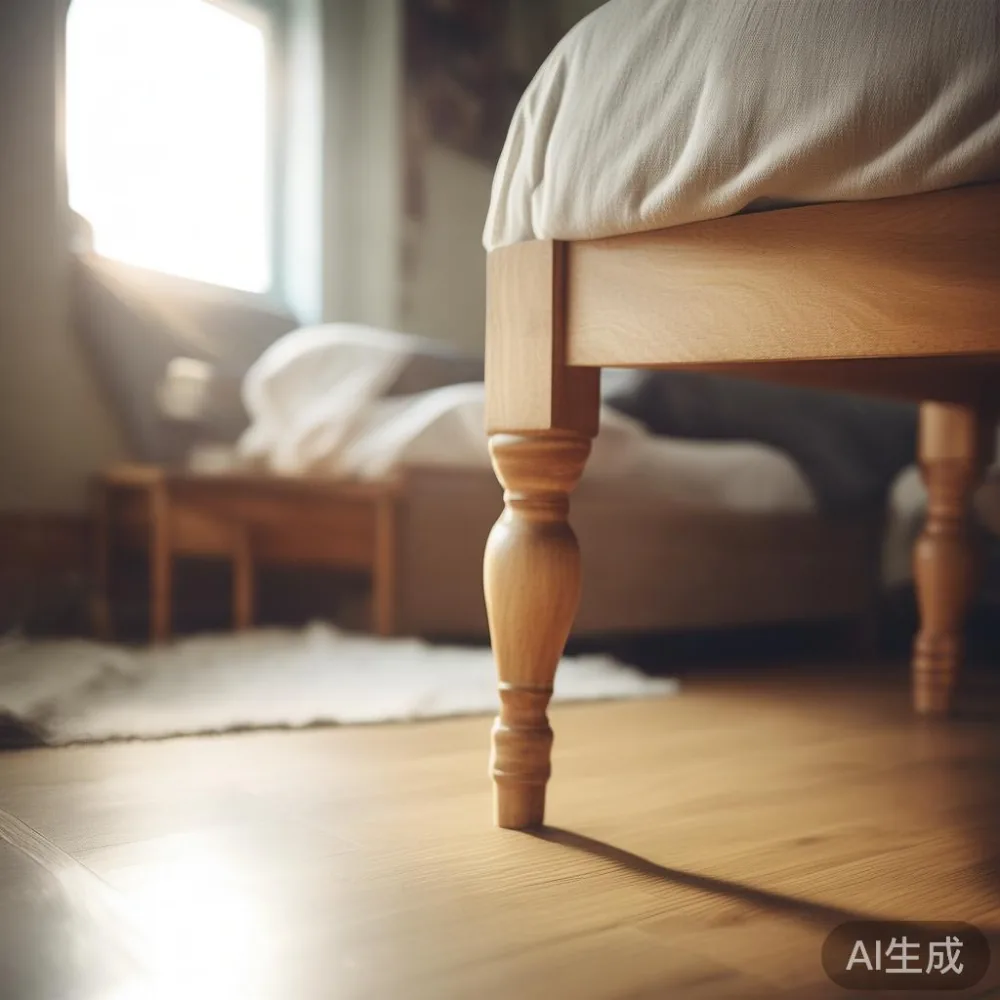
This guide uses practical measurements from Singapore homes and common furniture formats. It also considers the differences between HDB flats and condos in Tampines, Bedok and Punggol, including lift cars, common corridors, delivery access and the added GST shown at checkout.
What size should pet furniture be for an HDB living room?
Most pet furniture works well when it occupies no more than 8-12% of the usable living-room floor area. For a typical 3-room HDB living and dining area with about 18-24 sq m of combined floor space, that means reserving roughly 1.4-2.9 sq m for pet furniture. Small dogs need less, whereas multiple large pets or a pet feeding zone may justify a larger footprint.
Measure the finished room from the wall face to the opposite edge, not from a floor plan. Include the depth of skirting boards, which are often 10-15 mm in newer Singapore homes. A wall-mounted pet shelf can project 20-30 cm from the wall and therefore still intrude into the circulation route even when it uses no floor area.
Allow at least 60 cm for a main route and 75-90 cm where a person must turn while carrying an item. If a resident uses a walking frame or wheelchair, a clear route of 90-120 cm is sensible. Door leaves and electrical sockets need more consideration than the centre of a room: keep a 30 cm service gap where a pet bench might otherwise press against a plug.
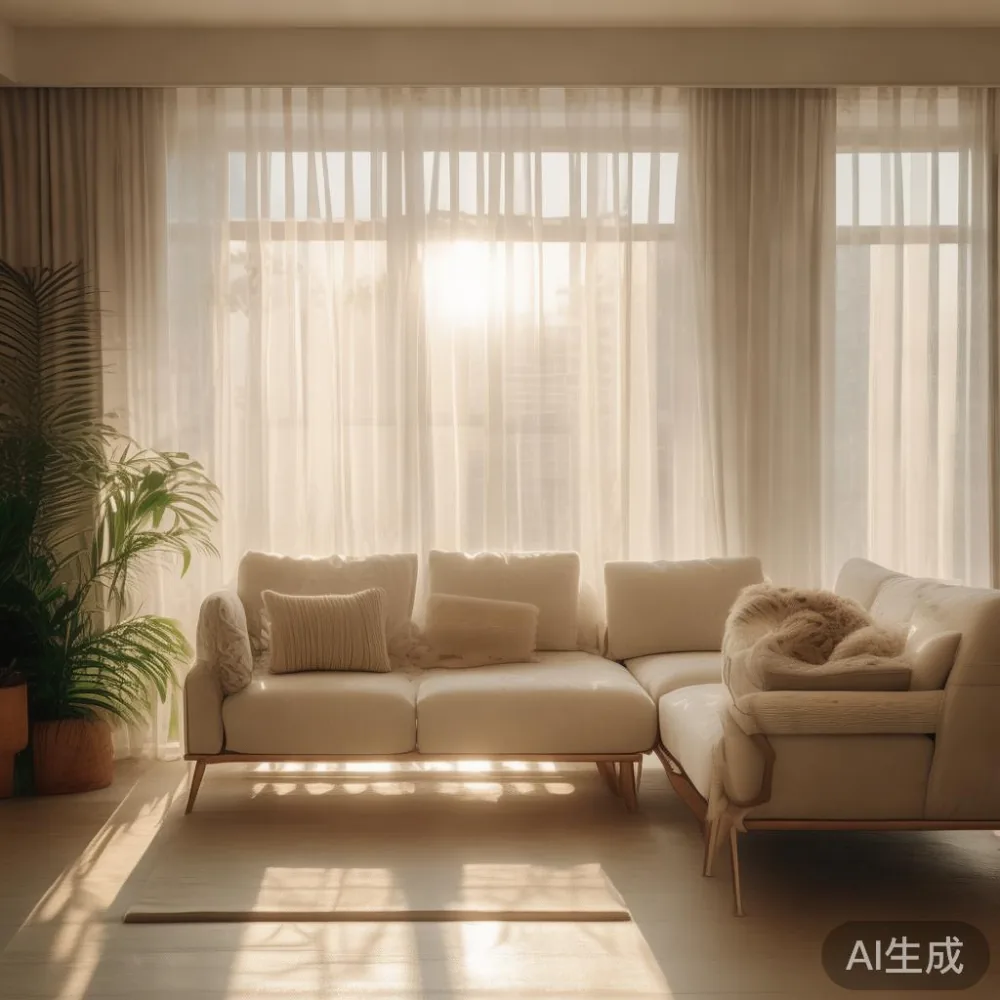
A compact pet home measuring 75-90 cm wide and 45-60 cm deep can serve one small dog. Medium and large dogs usually need a dedicated bed at least 10-15 cm longer than their body and 5-10 cm wider than their shoulders. For example, a 70 cm-long dog may need a 90-100 cm bed. Cats generally accept smaller furniture, but climbing structures still need stability and enough clearance for the cat to turn around.
How do I measure an HDB flat before ordering?
Begin with the route from the street or parking area to the lift, then from the lift to your front door. HDB lift interiors vary considerably: common passenger lifts measure roughly 110-140 cm deep and 100-110 cm wide at the door, with internal widths of about 90-110 cm. A large pet bed may enter diagonally, while a rigid pet cabinet may require the carton to be turned on its side. Check the lift’s posted dimensions and ask the building office about delivery-booking rules.
Corridor widths can also be less generous than they appear. Measure the narrowest point, including door frames, fire hose reels and boxes placed near service corridors. A 40 cm-wide pet ladder or narrow feeder should never block a shared corridor, even briefly. For condo deliveries, check whether the moving company needs a loading-bay booking, lift reservation or insurance cover; these arrangements can add 2-5 days.
Measure the actual door opening rather than estimating it from the nominal size. A standard HDB front door is often around 80-90 cm wide, while a pet cabinet at 55-65 cm wide may pass through readily. Remove the carton dimensions from the product listing: a piece may be 52 cm wide but arrive in a 68 cm package because of protective foam and corner boards.
Last month I visited a friend’s three-room flat in Tampines to review a new pet feeding station. The living room looked spacious in the developer’s photograph, but the sofa projection and dining chair reduced the usable route to 72 cm. Moving the dining table 18 cm towards the wall created a 90 cm path without making the room feel crowded. Measuring on site took 12 minutes and prevented a delivery-day problem.
How wide should the main passage beside pet furniture be?
Use the room as a sequence of zones: entrance, circulation, pet activity and seating. Pet furniture should sit against the longest uninterrupted wall or fit into a deliberate recess. It should not sit in a pinch point simply because that area appears empty. For a family that walks from the kitchen to the balcony, keep 75-90 cm clear. Where the pet furniture faces a frequently used doorway, allow 80-100 cm so that doors can open without striking it.
For a standard 280-330 cm HDB living-room wall, one medium pet bed and one narrow feeder can share the wall if there is at least 60 cm between them. A 100 cm feeding table, 20 cm deep, plus a 90 cm bed, 65 cm deep, uses less wall width than many people expect. The deeper dimension becomes important only if it affects a route.
Height should follow your pet’s posture and the view from your sofa. A 20-25 cm high feeder suits many small and medium dogs, while a 30-45 cm raised feeder can help taller pets. However, tall bowls are not automatically comfortable. The pet should be able to eat with its neck roughly level with its shoulders. A platform 5-10 cm above the floor can help older pets with stiffness, provided the unit remains stable.
Consider the reach of children and adults too. A pet shelf placed at 90-140 cm may be convenient for a seated adult, but a climbing tower should have steps that a child can avoid. Add 3-5 cm of clearance above a pet lounge if you intend to place a lamp or tray on it. This small allowance prevents accessories from being pushed off.
Which pet furniture dimensions work in compact Singapore homes?
For a 3-room flat, a pet bed measuring 90-110 cm wide and 50-65 cm deep is a practical starting point for one medium dog. In a larger 4- or 5-room HDB home, a 120-150 cm corner pet sofa may fit comfortably. In a compact condo, vertical storage can release floor area: a wall-hung perch with a 35-45 cm projection can replace a bulky tower, provided the fixing substrate is suitable.
Pet feeding furniture needs a different calculation. A 90-120 cm table gives space for two bowls, a water container and a mat. A 60-80 cm unit is enough for one pet and small accessories. Place it beside a wall rather than in front of a balcony door, and keep bowls at least 15-20 cm from the edge so they cannot be knocked off.
Scratching furniture must account for the stretch of the cat. A 70 cm-high scratcher may work for a kitten, while a 100-120 cm unit gives an adult cat a full-body stretch. For a tall tower, calculate the complete footprint, often 60-80 cm by 35-55 cm, and test whether it can be assembled before it enters the flat. Flat-pack boxes may fit through a lift yet become difficult to turn in a corridor.
The style of the surrounding pieces matters, but proportions come first. Pet furniture with tapered legs and a light solid-wood frame can complement French light luxury styling without making a small room ornate. A post-modern light luxury finish may suit a sharper HDB interior, while a practical pet gate should use a muted colour that blends with the walls.
How should a pet zone sit beside a solid wood sofa or dining table?
A pet zone usually needs visual separation rather than a physical barrier. Align the pet bed with the front edge of a solid wood sofa, or repeat one material and two colours throughout the area. If your pet furniture has a neutral frame, add a washable cushion rather than matching every texture exactly. This makes cleaning easier and reduces the need to replace an entire piece after a minor accident.
Leave 45-60 cm between a pet bed and the nearest dining chair when possible. This prevents a long tail or climbing pet from interfering with meals. A 180-200 cm dining table often needs 90 cm clearance around its ends and 75-90 cm behind occupied chairs. In many HDB dining areas, that leaves a wall zone of roughly 50-70 cm for a slim feeder, not a full dining table.
A marble table may be too cold or slippery for a pet to lie beside. Place a washable mat or rug beside it, with 5 cm of clearance from the stone base. If you are comparing furniture concepts, the French bed vs Italian light luxury bed question applies more to the bedroom, where the pet’s night position should not obstruct a 60 cm walkway. A bed frame in French light luxury can be paired with a compact pet cot if the proportion remains balanced.
For a room with a low coffee table, use a raised pet perch rather than placing the pet bed underneath. A table with a 40-45 cm height may support a 30-35 cm-high bed, while a 30 cm coffee table needs a lower perch. Keep the pet route clear of table legs so a tail does not catch.
How do lift and delivery constraints affect the furniture size?
Always check three numbers: the product’s outer dimensions, the carton dimensions and the narrowest access point. In many Singapore buildings, the route includes a covered walkway, a 90 cm door and a lift lobby. Add 5-10 cm of working tolerance at each turn. A product that fits the lift by only 2 cm may not pass after the carton bends or protective materials shift.
Heavy pet furniture also affects handling. A solid-wood pet cabinet may weigh 35-60 kg, while a tall cat tower might weigh 20-35 kg. Check whether the lift has a 1,000 kg capacity, as many do, but the real limits are the door width, trolley clearance and number of helpers. Two-person delivery is sensible from 35 kg. It usually costs SGD 20-60 within Singapore, depending on distance, stairs and booking time.
For made-to-order pieces, confirm whether the supplier holds stock or builds after payment. MIDHILL offers a 10-year structural warranty and lifetime refinishing on qualifying solid-wood furniture, which is relevant when a custom pet bench is designed around a tricky wall. These services should be confirmed in writing with the quotation, including the finish, lead time and delivery scope.
Singapore orders over US$350 qualify for free shipping under MIDHILL’s stated shipping policy; the local checkout still includes GST where applicable. Check whether the displayed price is before or after GST, as a 9% difference can affect a budget comparison. A feeder costing SGD 280 becomes about SGD 305.20 after GST, while a SGD 420 feeder becomes SGD 457.80.
Allow about 7-14 working days for standard Singapore delivery and 21-45 days for made-to-order items, depending on production and port schedules. These are planning ranges rather than guarantees. Condo loading-bay bookings can add several days, so measure before the maker dispatches the piece.
How do I keep larger pet furniture stable and easy to clean?
Stability should be judged after placement, not only by weight. A pet tower over 150 cm tall needs anti-tip securing and a broad base. Test it by applying firm pressure at the top; visible movement is a reason to adjust the position or improve the fixing. For a feeding station, place it on a level surface and keep heavy items low. A scratched surface should be easy to sand and refinish, which is useful for solid-wood pet furniture.
Choose removable covers or washable cushions where possible. Tight weave, treated fabric and sealed wood reduce odour and moisture penetration. Avoid loose rugs under feeding bowls, since pets may drag them. A rubber-backed mat, 90 x 60 cm, can define the feeding area while protecting the floor.
Think about maintenance frequency too. Pet beds need washing every 1-2 weeks during heavy shedding; feeders need wiping several times a week; scratching posts need replacement every 6-12 months. Budget SGD 40-120 for replacement covers and SGD 25-80 for new scratch surfaces each year. This operating cost can influence the choice more than a small change in appearance.
Lighting should be checked at night as well. A wall-mounted pet shelf at 120 cm high may need a 300-500 lumen lamp with a warm 2,700-3,000 Kelvin tone. Avoid exposed cords near climbing zones. Route them along skirting or within a conduit at least 10 cm from the pet’s reach where practical.
What should I compare before buying pet furniture?
Compare the outer size, usable resting size, height, weight and cleaning method. A product may be listed as 100 cm wide but offer only 70 cm of usable bed space because of side bolsters. Ask for a scale drawing if the pet furniture will share a narrow wall. The drawing should show door clearance, sockets and at least one circulation route.
Check the material and fixings next. Solid-wood frames generally offer better repair options than panels that cannot be refinished. A pet bed with a wooden frame and upholstered pad can align with a solid wood sofa, bed frame, dining table or wardrobe in the same home. A marble table needs a different balance because of its weight and reflective surface.
If a wardrobe includes an open pet alcove, reserve 60-70 cm width and 35-45 cm depth for a small-dog bed. Leave 75-90 cm for a medium dog. The idea of how to choose Mid-century modern wardrobe for a compact home applies here: prioritize internal zones over decorative bulk, and confirm that the pet opening does not reduce hanging space below what the household needs.
For the main bedroom, the question of how to style European light luxury sofa in bedroom is less useful than keeping the pet’s sleeping place beside a bed frame without narrowing the path. A slim perch, 100 x 35 cm, may suit a small flat better than a 130 cm cocoon. When considering whether the is European light luxury bed worth it, assess the mattress, frame clearance and access rather than assuming a larger bed can accommodate pet furniture too.
A separate lifestyle check can guide the room around it. A Modern light luxury coffee table often gives the living room a clean centre, so the pet zone should sit along the perimeter. If you plan a Japandi-style scheme, the question of how to style Japandi bed in apartment can be answered with a low oak pet platform and a linen cushion, provided the platform is stable and easy to wipe.
What is a sensible sizing checklist before checkout?
Write down the room’s longest usable wall, the narrowest route and the pet’s length, shoulder width and height. Add 10 cm to the pet’s body length for a bed and 5-10 cm to its shoulder width. Measure the delivery carton, not just the furniture. Photograph the lift lobby and corridor. Identify the assembly space, which should be at least 120 x 120 cm for larger flat-pack units.
Confirm the colour under the room’s evening lighting. Daylight can make warm oak appear more orange, while a cool 4,000 Kelvin bulb can make grey timber look cold. Request samples if possible and compare them with the existing solid wood sofa or dining table. Natural variation of 3-8% between solid-wood pieces is normal and should be discussed before approval.
Check the delivery terms, assembly service, return window and warranty in writing. MIDHILL provides a 14-day return period and lifetime refinishing on qualifying products, which can make a custom-sized piece easier to specify with care. Confirm that the terms cover pet furniture orders and that indoor use, wall anchoring and cleaning guidance are included.
Finally, leave 10 cm of visual breathing room around a pet bed where possible. A completely filled wall may look neat in a photograph but can feel constrained in daily use. The correct piece is not simply the largest one that fits; it is the one that gives the pet enough space while allowing people to move through the home comfortably.