The Humidity Hurdle: How Southeast Asia's Climate Impacts Your Solid Wood Pet Furniture
Living in Singapore, with its year-round high humidity and temperatures averaging 27-31°C, presents a unique set of challenges for homeowners. For those of us who cherish solid wood furniture, the environment can feel like a constant battle against warping, cracking, and mould. This is especially true for pet owners, who need furniture that is not only aesthetically pleasing but also durable enough to withstand the playful antics of their furry friends. The combination of a humid climate and the daily wear from pets makes understanding the relationship between wood and moisture a non-negotiable part of furnishing your home.
Why Humidity is the Silent Nemesis of Wood Furniture in Singapore
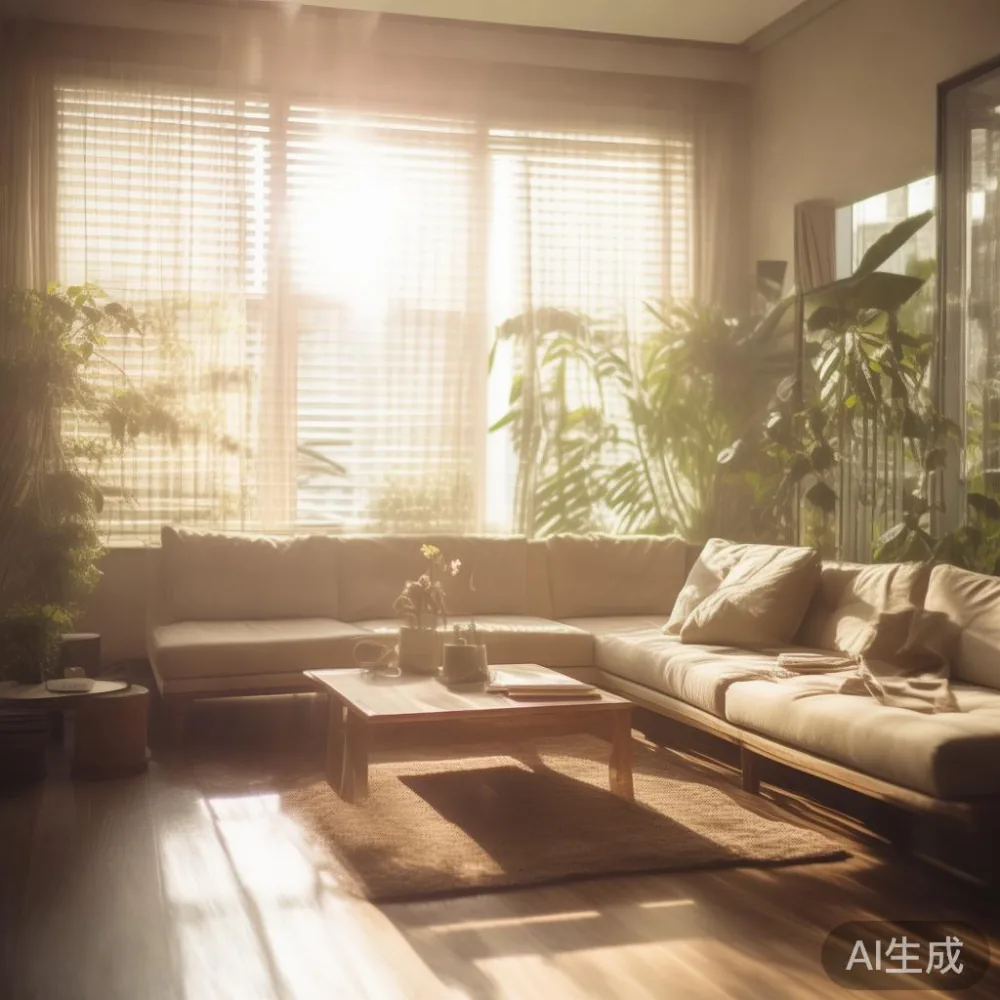
Wood is a hygroscopic material, which is a scientific way of saying it absorbs and releases moisture from the air. In a place like Singapore, where the relative humidity rarely dips below 70% and can soar to 90%, wood is constantly in a state of saturation. This continuous moisture absorption causes the wood fibres to swell. Conversely, on slightly drier days, the wood will release moisture and contract. This constant cycle of expansion and contraction is what leads to the most common problems: warping, where a flat surface like a table top or bed frame bends; cracking, where the wood splits along the grain; and, in extreme cases, joint failure, where the connections between pieces weaken and break.
Consider the practicalities of a Singaporean home. Many of us live in HDB flats where lift corridors are narrow, often measuring no more than 1.2 metres wide. A solid wood dining table or a large wardrobe needs to be manoeuvred through these tight spaces. If the wood has warped slightly during a humid week, it might just get stuck, turning a simple delivery into a logistical headache. This is why understanding the material you're buying is so important. For pet owners, this stability is paramount. A warped surface on a pet feeding station or a cracked leg on a cat tree can create hazards or simply look unsightly after a short period.
How Different Woods React to Singapore's Humidity
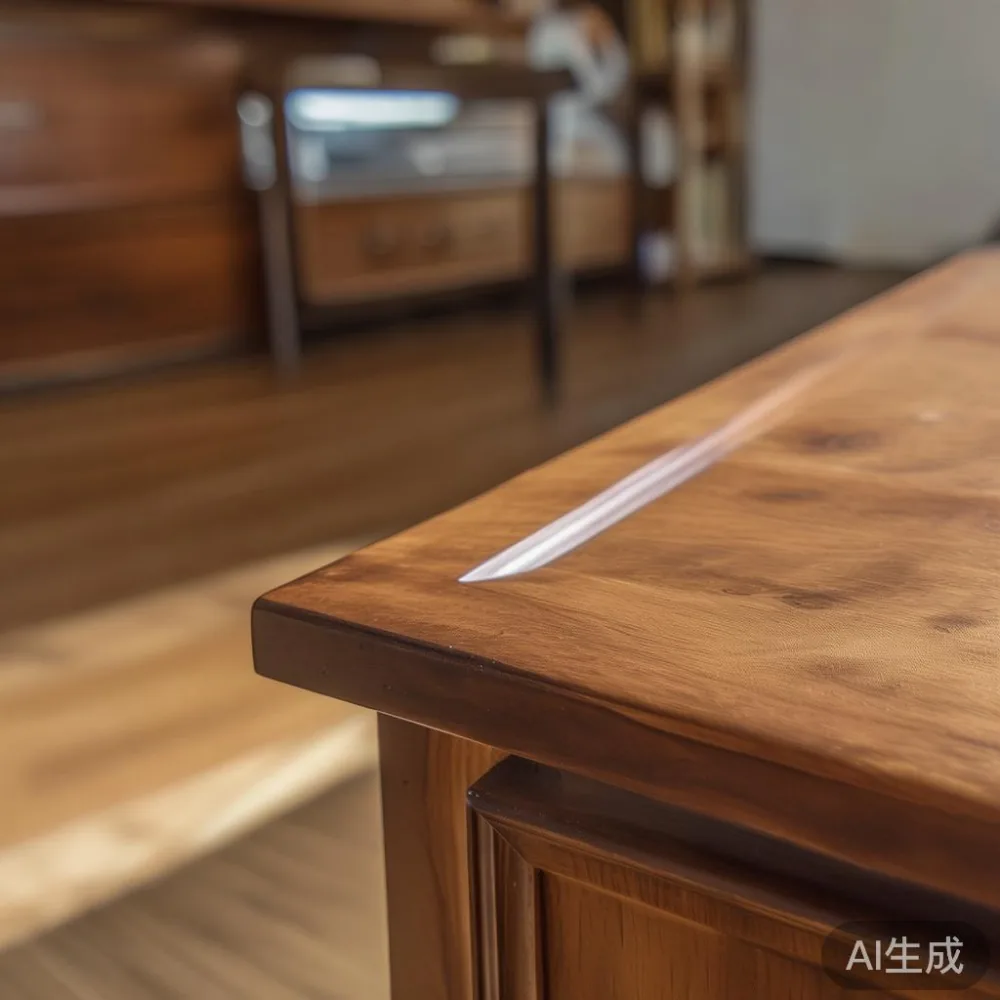
Not all wood is created equal, and their performance in a humid climate varies dramatically. Hardwoods, which come from deciduous trees, are generally denser and more stable than softwoods. This makes them a preferred choice for furniture that needs to withstand Singapore's climate. Teak, for example, is renowned for its high oil content, which naturally repels water and insects. A solid wood sofa frame made from teak will fare much better in our humidity than one made from a softer wood like pine.
At the same time, even the best hardwoods need proper care. My colleague, who lives in a Punggol condo, recently shared an experience with a poorly made European wardrobe. He mentioned, 'I bought a wardrobe that looked stunning, but within six months, the door panels had started to warp. The humidity in Singapore is relentless, and cheaper construction methods just can't handle it.' This highlights the importance of not just the type of wood, but also the craftsmanship. Furniture that uses techniques like mortise and tenon joints, which interlock pieces without relying solely on glue, will hold its shape much better over time. For pet furniture, which often has more complex shapes to accommodate scratching posts or sleeping nooks, this kind of solid joinery is critical.
Can You Really Have Light Luxury Furniture in a Humid Climate?
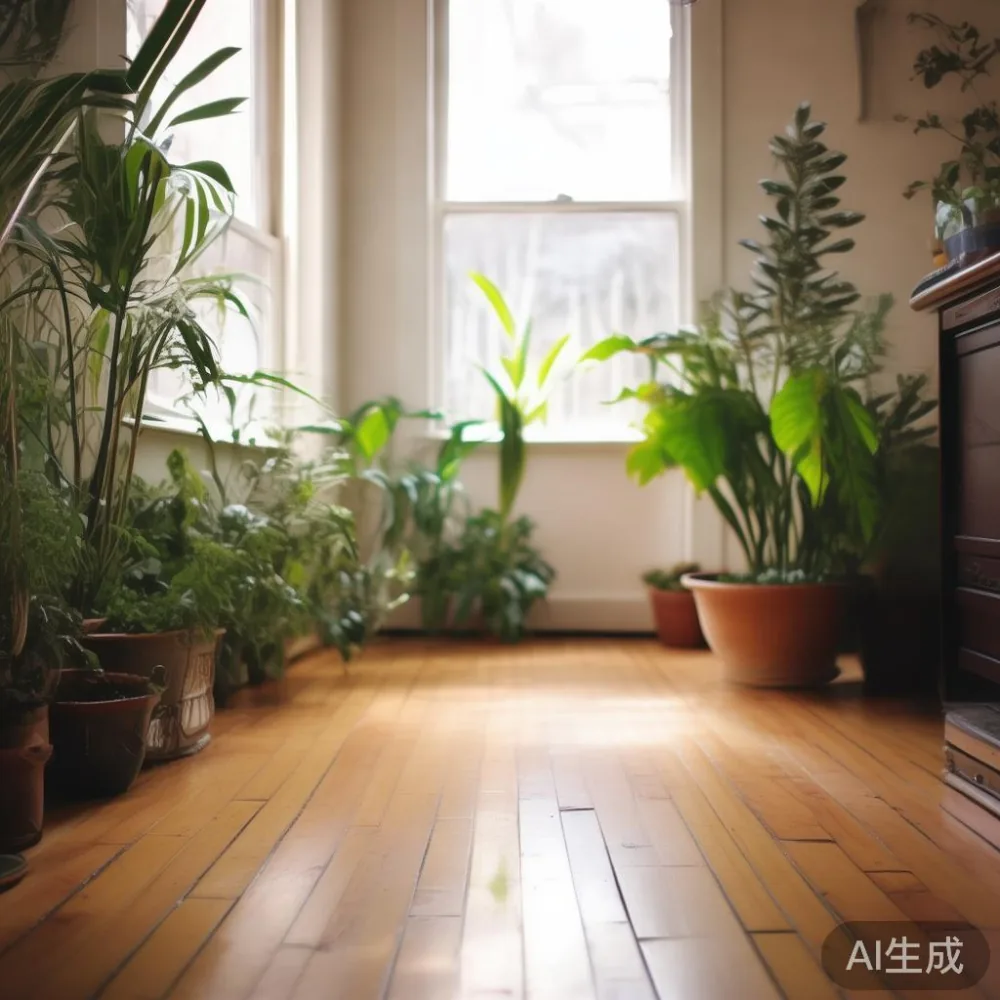
The concept of light luxury, which blends sophisticated design with everyday practicality, is incredibly popular in Singapore. It's about creating a home that feels both elegant and livable. However, the question arises: can you maintain the clean lines and refined finishes of light luxury furniture in a humid climate? The answer is a resounding yes, but with the right materials and construction. French light luxury, for instance, often features light-coloured woods and minimalist forms. To prevent these pieces from looking dull or warped, they must be made from stable hardwoods and finished with multiple coats of a high-quality, moisture-resistant lacquer or oil.
When considering a purchase, it's worth asking yourself: is Italian light luxury sofa worth it for my Singapore home? A well-made Italian sofa will use kiln-dried wood, a process that removes excess moisture from the wood before it's crafted into furniture, making it significantly more stable. The upholstery is also a key factor. For pet owners, choosing a sofa with a performance fabric—something stain-resistant and easy to clean—is as important as the wooden frame. This combination of stable construction and practical materials allows you to enjoy the aesthetic of light luxury without the constant worry of maintenance.
European Sofa vs Mid-century Modern Sofa: A Climate Perspective
When selecting a sofa, homeowners are often torn between different styles. The choice between a European sofa vs Mid-century modern sofa can come down to personal taste, but from a durability standpoint in Singapore's climate, there are subtle differences to consider. European sofas, particularly those from high-end manufacturers, often feature a heavier, more substantial frame. They are typically built with solid wood frames that are meticulously jointed, providing a stable base that is less susceptible to warping. The focus is often on deep, luxurious cushions and premium leather or fabric upholstery.
On the other hand, the American sofa vs Mid-century modern sofa debate often highlights a different approach. Mid-century modern furniture, while iconic for its clean lines and organic shapes, was originally designed for a different climate. Many pieces from that era used woods like teak and walnut, which are naturally stable, but the construction can sometimes be more slender. For a Singaporean home, a mid-century modern sofa needs to be exceptionally well-made. The legs must be securely attached, and the frame should be solid enough to handle the weight of multiple family members and pets without flexing or warping. A poorly constructed mid-century piece can look out of place in a humid living room, developing creaks and wobbles as the wood expands and contracts.
Is European Wardrobe Worth It for Your Singaporean Bedroom?
A wardrobe is a significant investment, and the question of whether to splurge on a high-end piece is common. So, is European wardrobe worth it in a humid climate like Singapore's? Absolutely, but for specific reasons. A European wardrobe is more than just storage; it's a piece of cabinetry designed to last decades. The key lies in its construction. These wardrobes are typically made from kiln-dried hardwoods like oak or beech. The drying process reduces the wood's moisture content to a level that minimizes future expansion and contraction in response to humidity changes.
Also, the internal fittings of a quality European wardrobe are often superior. They feature smooth-gliding drawer runners and sturdy shelf supports that won't warp under the weight of clothes. For a pet owner, this means the wardrobe can withstand the occasional bump from a playful dog or the weight of a cat sleeping on top without issue. The finishes are also more sophisticated, often using a multi-layer lacquer that protects the wood from moisture and scratches, ensuring it looks pristine for years. While the initial cost might be higher, a well-made European wardrobe is a long-term solution that won't need replacing due to warping or joint failure, making it a practical choice for the Singaporean home.
Practical Tips for Protecting Your Solid Wood Furniture from Humidity
Even with the best furniture, a little proactive care can go a long way in preserving it. The first step is to manage the environment in your home. Using a dehumidifier, especially in air-conditioned rooms, can help maintain a more stable humidity level, ideally between 45-55%. This is particularly important for bedrooms and living rooms where you spend a lot of time. Placing silica gel packs inside drawers and wardrobes can also help absorb excess moisture.
For your furniture itself, regular dusting with a soft, dry cloth is important to prevent dust from trapping moisture against the surface. Avoid using wet cloths or harsh chemical cleaners, as these can strip the wood's natural oils and protective finish. Instead, use a specialized wood polish or oil every few months to nourish the wood and maintain its protective layer. For pet furniture, this routine is even more critical. Wipe down surfaces after pets have been on them, and consider using pet-safe cleaning products to remove any dirt or fur that could retain moisture.
Why Your Choice of Pet Furniture Matters in a Humid Climate
Pet furniture is not just a functional addition; it's an integral part of your home's design and needs to withstand a unique set of challenges. In a humid climate, the materials used for pet furniture are paramount. A cheap particleboard cat tree, for example, will absorb moisture from the air, swell, and eventually disintegrate. A solid wood pet bed frame, on the other hand, will remain stable and sturdy. The choice of materials affects not only the longevity of the piece but also the safety of your pet.
When selecting pet furniture, look for solid wood construction, reinforced joints, and non-toxic, moisture-resistant finishes. A marble-topped pet feeding station, for instance, is an excellent choice because marble is non-porous and won't absorb moisture or odours. It's also easy to clean, which is a bonus when dealing with pet messes. Investing in high-quality pet furniture means you won't have to replace it every year, saving you money in the long run and ensuring your home remains a beautiful and safe haven for both you and your pets.
Boho for Guest Room: Creating a Relaxed and Durable Space
The Boho for guest room style is all about creating a relaxed, eclectic, and welcoming atmosphere. It often features a mix of textures, natural materials, and earthy tones. This style can be perfectly suited for a Singaporean home, but it requires careful material selection to thrive in our humidity. A key element of the Boho look is the use of natural wood, like a solid wood bed frame or a nightstand with a live edge. To ensure these pieces last, they should be made from stable hardwoods like mango wood or acacia, which are known for their durability and resistance to warping.
Pairing these wooden pieces with natural fibre rugs and linen cushions can complete the look. The key is to balance style with practicality. For example, a pet-friendly guest room might feature a durable linen sofa that can withstand occasional pet hair and is easy to vacuum. By choosing materials that are both aesthetically pleasing and resilient to humidity and pets, you can create a guest room that is not only stylish but also practical and low-maintenance.
What Should I Look for in a Solid Wood Dining Table for My Singapore Home?
Choosing a dining table is a significant decision, and in Singapore's climate, it's important to know what to look for. First, always opt for solid wood over veneers. Veneers are thin slices of wood glued onto a cheaper substrate like MDF, which will warp and swell in high humidity. A solid wood table, while more expensive, is made from a single piece or several solid pieces of wood, making it far more stable. Look for tables that have been kiln-dried to ensure the moisture content is controlled.
Next, consider the construction. A table with a thick top, at least 4-5 cm, will be less prone to warping than a thinner one. The base should be solid, with legs that are securely attached to the tabletop using screws and dowels, not just glue. For a Singaporean HDB flat, where space is often limited, consider extendable dining tables. These allow you to accommodate more guests when needed and can be compacted for everyday use. A light luxury for dining room table, for instance, might feature a clean-lined base with a marble or solid wood top, offering both style and functionality for a humid climate.
Making the Right Investment for Your Home
Furnishing your home is an investment in comfort, style, and longevity. In a humid climate like Singapore's, making informed choices is the key to ensuring that your furniture remains beautiful and functional for years to come. This means prioritizing solid wood, stable construction, and quality finishes. It also means understanding the specific needs of your lifestyle, whether you have pets, children, or frequently host guests.
When you choose a piece of furniture that is designed to withstand the local climate, you're not just buying an object; you're investing in peace of mind. A well-made solid wood sofa or bed frame will be a centrepiece in your home for a decade or more, weathering the humidity without losing its charm. For those looking for a combination of style and durability, exploring options like a Wuhan Lingzhan design, which often emphasizes clean lines and solid construction, can be a great starting point. Ultimately, the right furniture will enhance your living space, stand up to the challenges of the environment, and provide a comfortable home for you and your loved ones, including your pets.