How to Care for Lacquered Pet Furniture in Singapore’s Humid Climate
Lacquered wood can look polished and calm in an HDB flat or a private condominium, yet Singapore’s heat and humidity demand careful maintenance. Temperature often reaches 32–34°C outdoors, indoor relative humidity commonly sits around 60–80%, and afternoon showers can send damp air through open windows. A lacquered surface exposed to those conditions may develop haze, sticky patches, fine cracks, or dull patches around pet bowls and scratching posts.
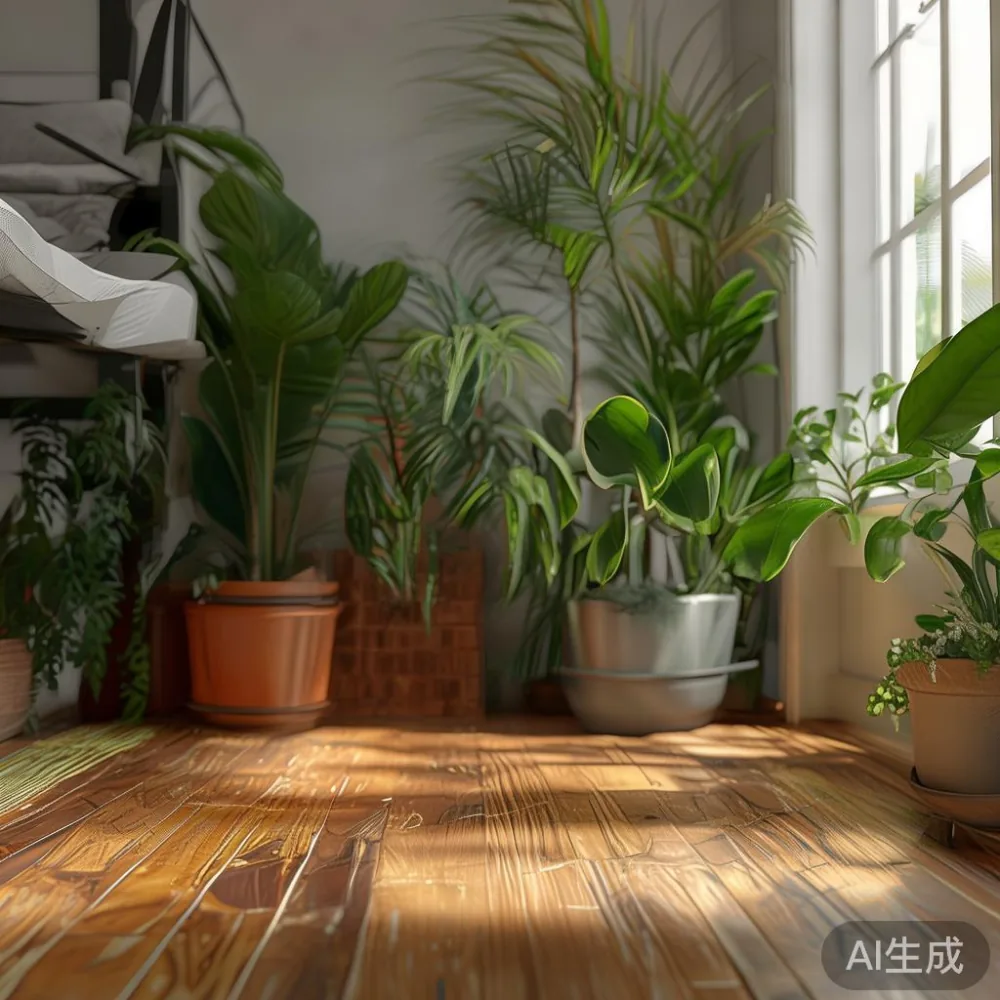
This guide focuses on pet furniture: lacquered feeding stations, low pet benches, scratching cabinets, pet consoles, and compact side tables designed for bowls, lamps, and daily accessories. The same care principles apply when a pet-friendly surface appears within a solid wood sofa, bed frame, dining table, wardrobe, nightstand, or marble table, but cleaning methods must always follow the finish manufacturer’s instructions.
For Singapore shoppers comparing lacquered pieces with solid oak, teak, or ash options, material selection matters as much as the colour. MIDHILL exports solid wood furniture to more than 15 countries, provides a 10-year structural warranty, and offers lifetime refinishing. Those practical commitments are useful, but daily lacquer care still protects the appearance of pet furniture between professional services.
How should I care for a lacquered pet table in a humid Singapore home?
Begin with moisture control. Keep the piece at least 30 cm from an open window, 60 cm from an air-conditioning vent, and 15 cm from a wall that may feel damp. Those distances are not decorative rules; they reduce direct airflow and trapped moisture. In a compact Tampines flat, place a feeding station against an interior wall rather than beside a balcony door. In a Bedok condominium, keep pet furniture away from the laundry balcony where wet towels and steam are common.
Use a coaster beneath every bowl. A water bowl with a base diameter of 16 cm should have a waterproof mat at least 20 × 20 cm, extending 2 cm beyond the bowl. A 24 cm feeding bowl needs a mat of at least 28 × 28 cm. Wipe the mat every evening and remove standing water after each meal. Pet furniture should not be used as a food-preparation surface, so crumbs and oily residues should not remain overnight.
Clean lacquer gently with a soft, lint-free cotton cloth barely dampened with diluted pH-neutral dish soap. For a 500 ml spray bottle, mix 5 ml detergent with 495 ml water and add 2 drops of unscented white vinegar. Test the mixture on an unseen 5 × 5 cm area for 10 minutes. Spray the cloth rather than the furniture, then wipe in the direction of the grain. Dry with a separate cloth within 2 minutes.
Do not use silicone sprays, furniture polish, ammonia, bleach, alcohol, wire wool, or abrasive pads. Coffee rings, sticky paw prints, and dull marks often come from household sprays and textured cloths rather than the lacquer itself. If a stain remains after 3 gentle passes, leave the area alone and contact the finish supplier. Repeated scrubbing can abrade a lacquer layer that may be less than 0.1 mm thick.
Will lacquer haze or peel in Singapore’s heat and humidity?
Heat and humidity can affect lacquer even when the furniture is kept indoors. Lacquer typically becomes soft or tacky under severe heat stress, while long periods of high humidity can encourage moisture-related movement beneath sealed wood. An engine room can reach 38–40°C, so a lacquered pet console should never be placed near an equipment ledge, water heater, or drying rack. A bedside pet table in a Punggol bedroom should remain at least 1.5 m from a bathroom door.
Watch for early warning signs. Haze appears as a cloudy film that does not disappear after wiping. A tacky patch remains after a dry cloth passes over it. Fine lines usually appear along edges, around bowl recesses, or at joints where the wood moves. Bubbling, lifting, or a 5 mm blister requires prompt attention; keep pets away and avoid pressing the raised area.
Temperature changes matter too. If an air conditioner lowers the room from 29°C to 23°C in 20 minutes, large lacquered surfaces may respond more noticeably than smaller accessories. Set the air conditioner to 25–27°C where practical, avoid directing cold air onto the furniture, and allow 60 minutes of stable temperature before wiping condensation. Singapore’s typical indoor range of 23–28°C is suitable for lacquered furniture.
Seasonal inspection is sensible even without obvious damage. Check the underside, bowl recess, leg joints, and areas concealed by rubber feet every 3 months. Use a moisture meter calibrated for wood and look for readings above 18% around persistent damp zones. A reading is a guide rather than a diagnosis, since lacquer and species affect results.
Can pets safely live beside lacquered furniture every day?
Yes, with sensible placement and routines. Keep water bowls on a protective mat and remove splashes within 10 minutes. Position scratching posts at least 45 cm away from a lacquered cabinet, since repeated kicking can transmit vibration and knocks. A 42 kg dog leaning against a low pet bench may be fine if the piece is stable, but the bench should not be used to support a pet or treat as a step.
Pets should not have access to polishing cloths, aerosol cleaners, oil-based treatments, or small detachable hardware. A bottle of furniture cleaner stored beside a feeding station is a needless risk. Use a lidded, pet-safe container and keep the recommended dilution instructions nearby.
For scratching posts, inspect the sisal fibre every 2 weeks and replace loose strands. Frayed fibre traps moisture and can rub against lacquered panels. If a post stands on the same lacquered pet table, fit a separate 3 mm cork or rubber pad beneath it. A 40 × 40 cm pad distributes pressure across a 30 × 30 cm base and reduces scratching at the corner.
Route charging cables away from furniture with warm electronics. A 10 W pet camera can raise the local surface temperature slightly, while a 65 W lamp may create a hotter zone. Leave at least 20 cm around heat-producing devices. This precaution protects lacquer, wiring, and the pet simultaneously.
What is the safest way to remove scratches, stains, and paw marks?
Start with the least aggressive treatment: a dry microfibre cloth, followed by the diluted soap method described above. Soft white erasers can sometimes lift fresh graphite or rubber marks, but test on a 5 × 5 cm hidden area and use 3 strokes only. Keep erasers away from textured surfaces because particles can lodge in grain.
For adhesive paw prints, lift residue with a plastic card rather than a metal blade. Work from the outer edge towards the centre over 30 seconds. If a mark remains, document it under neutral daylight before considering any additional product. Never test nail-polish remover, thinner, acetone, or turpentine; these may strip colour and damage the clear finish.
Scratches need a different approach. Hairline marks in a clear lacquer can sometimes be reduced with a finish-compatible maintenance product, but solvent content, gloss level, and curing time vary. Use only a product approved for the exact lacquer type and seek advice before applying it to pet furniture. Deep scratches that expose wood or run across more than 2 cm require professional assessment.
When comparing surfaces for a compact home, many designers use French sofa vs Modern sofa references to understand proportion, then choose lighter pet furniture that does not overwhelm a 4.5 × 5 m living room. A French light luxury approach suits curved profiles and warm timber; American light luxury often means generous proportions and restrained detailing; post-modern light luxury supports clean geometry and mixed materials. In all three styles, finish care should remain understated and controlled.
Likewise, a European light luxury TV console may sit near a pet resting area, but food, water, and scratching posts should remain on separate furniture. If the console shares a room with an active pet, add a 1 cm felt or cork isolator under movable stools and keep at least 40 cm between the console and the pet’s damp bowl zone.
How often should lacquered pet furniture be maintained?
A simple schedule prevents most problems. Wipe feeding surfaces after every meal, around 3 times per day. Remove water and crumbs every evening. Use a dry cloth each Sunday, and apply the diluted cleaner every 2–4 weeks, depending on hair, dust, and cooking activity. Inspect corners and bowl rings monthly. Record any haze, tackiness, or lifting in a photo with the date and room conditions.
Cleaners should not be applied more often than weekly unless the finish supplier permits it. Over-cleaning removes surface oils, leaves a film, and can encourage a patchy appearance. More solution does not mean faster drying; 30 ml on a 40 × 40 cm cloth is enough. Excess moisture can enter a joint or collect beneath a rubber foot.
Arrange professional inspection every 12 months for high-use pet furniture, especially in open-plan flats where cooking steam and wet-weather humidity overlap. A specialist can assess sheen consistency, edge adhesion, and joint movement. MIDHILL offers lifetime refinishing, which gives owners a route for restoring eligible furniture after years of use rather than automatically replacing every marked piece.
Delivery and access deserve planning as well. Check a condominium lift’s internal dimensions and door width before booking, and reserve a 20-minute unloading window. A 120 × 60 cm pet table should be measured diagonally when packed because carton corners and protective packaging affect the fit. Corridor turns may need a second person even when the lift is large enough.
Which timber and finish suit a Singapore apartment?
Solid teak and ash are commonly considered for humid interiors, but every lacquered surface needs protection from standing water. Teak’s natural oils make it practical for pet settings, while ash offers a pale appearance suited to Scandinavian, Japanese, or modern interiors. Confirm the actual wood species, veneer construction, core material, and lacquer chemistry before purchase; a marketing photograph cannot reveal how a base board reacts under a bowl.
For narrow HDB bedrooms, Mid-century modern for bedroom layouts can make a lacquered nightstand feel less bulky. Choose a unit 40–50 cm wide, keep the bowl or lamp on a tray, and leave 5 cm between the nightstand and the wall for airflow. Mid-century modern for hotel projects often favours slim profiles, warm timber, and precise spacing, principles that also work in a Punggol study.
If the room includes a bed frame, the pet’s water station should not sit on the bedside surface. Use a separate 35 cm-high pet stand in a washable corner. A dining table is also unsuitable for pet feeding because grease and claw debris are difficult to remove from a large lacquered plane. Place pet furniture beside the dining area, at least 60 cm away, so splash zones remain separate.
For coordinated planning, an online source such as m.midhill.co can help compare dimensions, finishes, and delivery details. Prices in Singapore should be confirmed in SGD, including GST and delivery charges. A typical feeder or side table may fall within a few hundred SGD, while larger configured pieces will vary by timber, size, and finish. Orders above US$350 qualify for free shipping under the stated delivery offer, although local terms should be verified at checkout.
A wardrobe needs the same discipline: do not place a wet bowl beneath hanging clothes, and keep the door clear by 60 cm so pets do not brush the lacquered edges. A marble table should never be treated with an acidic cleaner merely because it shares a room with a lacquered nightstand. Different materials need different products.
What should I do if the lacquer is already hazy, sticky, or lifting?
Isolate the affected pet furniture immediately. Move it away from direct airflow and sunlight, place a towel beneath leaking or damp accessories, and prevent the pet from touching the area. Do not place an ice pack directly on the surface; rapid cooling can increase condensation. Let the furniture reach room temperature naturally for at least 4 hours.
Do not press, scrape, or sand blistered lacquer. Record the affected area, estimate its size, and take photographs under diffuse light. Note whether the issue is haze across a broad section, a sticky patch of roughly 2 cm, or lifting along a 10 cm edge. This information helps a technician distinguish heat stress, contamination, moisture exposure, or substrate movement.
For a full refinishing discussion, ask about the finish system, expected colour variation, cure time, and pet-safe use after treatment. A refinished panel may need 7–14 days before heavy contact, depending on the lacquer and ventilation. Keep bowls off it during that period and allow 30 cm of clearance around the piece while it cures.
I tested one of my colleague’s lacquered pet benches last month in a humid room kept near 29°C. A 24 cm water bowl was moved from the top onto a 30 × 30 cm mat after the first week. At the 4-week inspection, the former bowl ring had left a faint 6 mm mark, while the protected area retained an even sheen. The experience confirmed that simple separation worked better than applying several household cleaners.
For buyers forming a long-term collection, references such as the best Post-modern bed for 2026 can help create a coherent bedroom scheme, but finish performance should guide pet-furniture decisions more than a trend label. The same logic applies when exploring how to style Japandi bed in apartment layouts: use washable materials near pets, reserve pale lacquer for low-contact surfaces, and keep food and water on dedicated pet furniture.
A lacquered piece suited to Singapore should be chosen for sound construction, manageable care, and correct placement—not for the promise that it will remain untouched. Solid wood furniture can age gracefully, while lacquer needs a disciplined routine. With bowls protected, moisture controlled, and damage checked every 3 months, pet furniture can retain its clean lines through years of humid weather and daily use.