Solid Wood vs Veneer in Singapore: A 5-Year Cost Guide for Pet-Friendly HDB Homes
Last month I visited a four-room HDB flat in Tampines with my colleague, a freelance interior stylist who has been photographing HDB renovations since 2014. Her client had bought a glossy walnut-look dining table from a Jurong East warehouse four years earlier for SGD 480. The top had bubbled along the edges where her two cats loved to nap, a thin line of black moisture creeping under the laminate. The replacement quote was SGD 620, almost the price of the original. On the same afternoon we walked through a Punggol Waterway Block unit where the owners had invested in a solid wood dining table from MIDHILL three years earlier. A single Golden Retriever had scratched the underside, yes, but the owners had booked a free refinishing slot, paid nothing, and the top looked brand new. Two dining tables, four years apart, two very different five-year bills. That single afternoon is why I am writing this guide for anyone in Singapore staring at a furniture catalogue and wondering whether veneer savings are worth the long-term pain, especially when a 12 kg cat or a 25 kg dog is part of the household.
Why does the pet furniture equation in Singapore change the solid wood vs veneer maths?
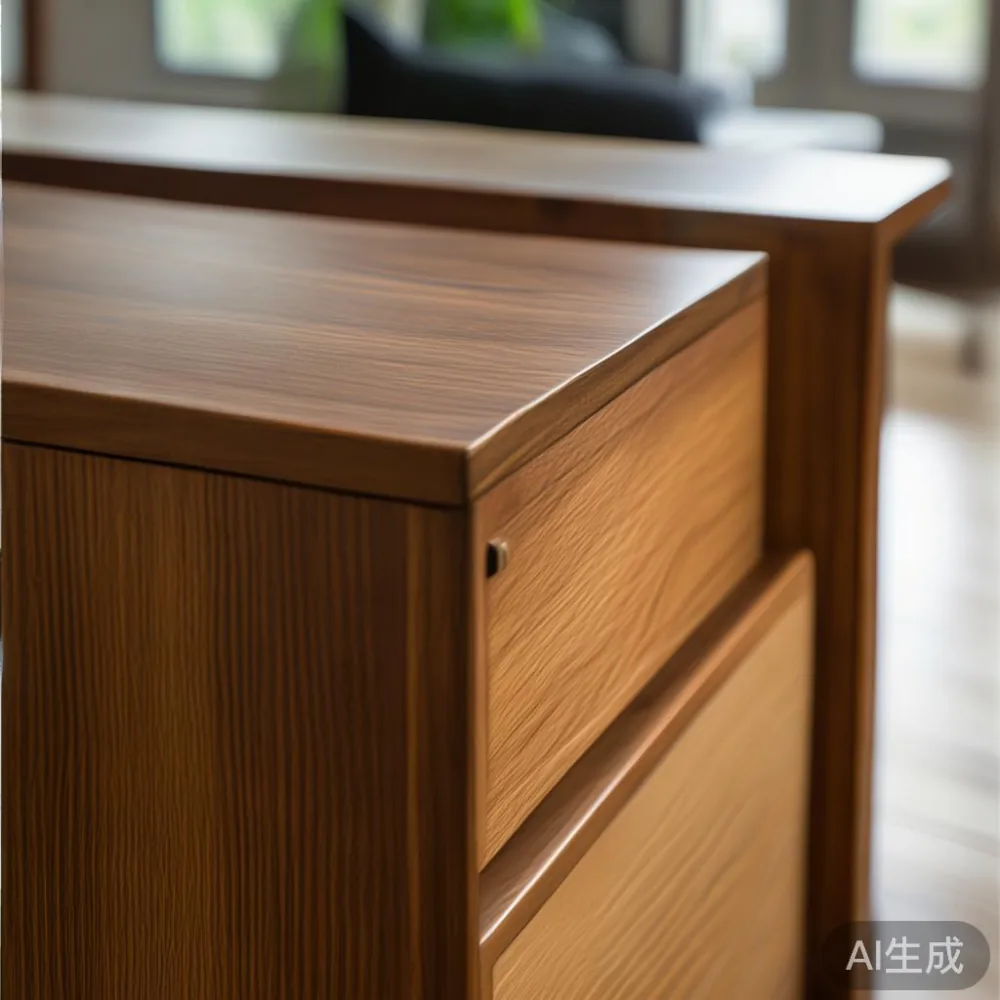
Pet furniture in Singapore has to survive a very specific set of stresses: 28 to 32 degrees Celsius indoor temperatures with the air-conditioner running eight hours a day, 80 percent humidity during the December to February monsoon, the thud of paws on every horizontal surface, and the occasional accident from a senior cat. A solid rubberwood bed frame at MIDHILL, weighing roughly 55 kg for a queen size, absorbs those stresses at the molecular level. Veneer, by contrast, is a 0.6 mm to 2 mm slice of real wood glued to an MDF or particleboard core, typically 18 mm thick, totalling maybe 32 kg for the same queen bed. The shell looks identical on day one, but a claw mark or a water ring reaches the substrate within months. That is the core pet furniture question in HDB living rooms: do you pay more now for a piece that can be sanded, or do you save now and replace the whole panel later?
How much does a furniture cost in Singapore?
A wardrobe in Singapore retails from SGD 350 for a 120 cm veneer two-door unit to SGD 2,200 for a 200 cm solid rubberwood three-door unit with soft-close hinges, and these prices exclude the 9 percent GST that applies to imported furniture above SGD 400 in CIF value. A solid wood bed frame in queen size sits between SGD 1,050 and SGD 1,900 depending on whether the slats are solid pine or laminated rubberwood, while a veneer equivalent is priced at SGD 480 to SGD 850. A solid rubberwood dining table seating four measures roughly 135 cm by 80 cm and sells for SGD 850 to SGD 1,400, whereas a melamine-faced alternative can be found for SGD 280 to SGD 520 at the same Tampines or Bedok warehouse outlets. A solid wood nightstand in hevea or rubberwood lands at SGD 220 to SGD 380, around double the price of a foil-wrapped MDF version. A French neoclassical rubberwood armchair, with its hand-carved cabriole legs and linen-blend cushion, runs from SGD 680 to SGD 1,050, and that higher entry price is precisely where the five-year math starts to matter.
What is the real five-year cost of a solid wood sofa, bed frame, and dining table set?
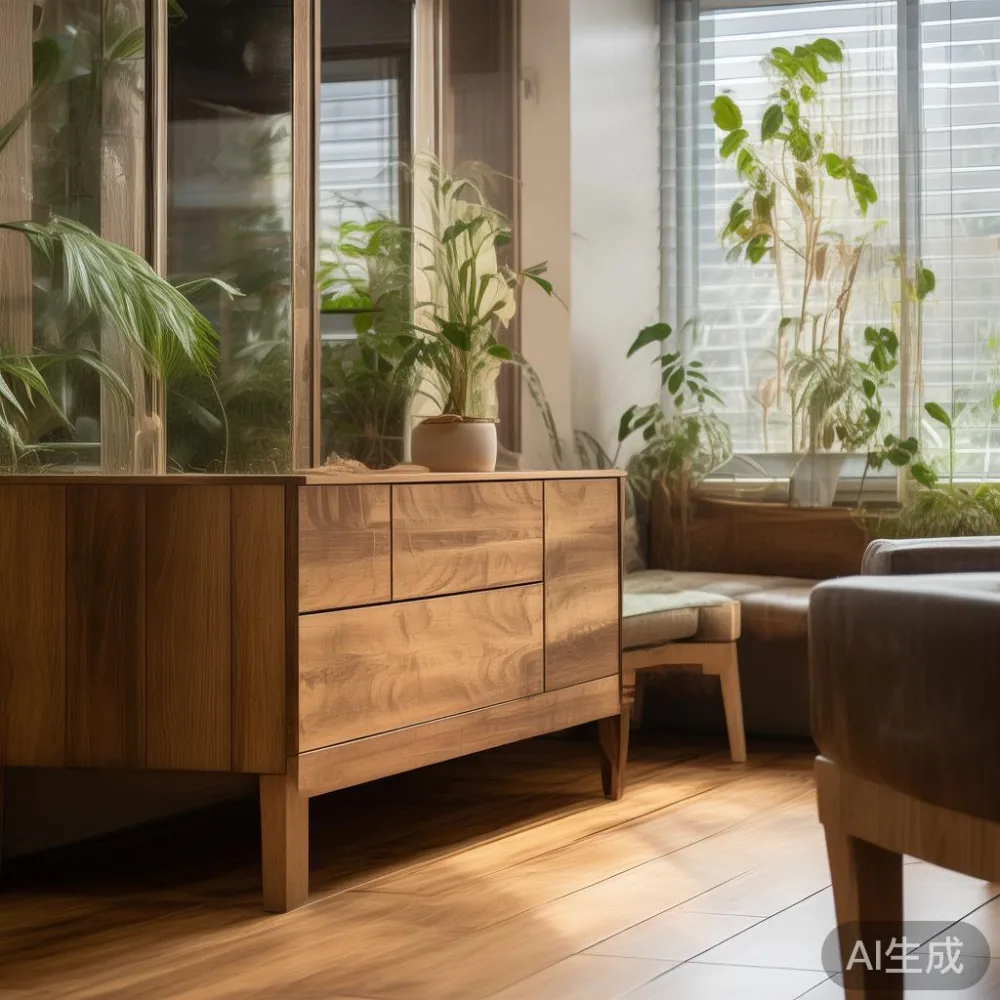
Let us build a realistic living-room and bedroom package for a 92 sqm HDB flat in Bedok, a common upgrade size for young couples. The package contains a 200 cm solid rubberwood wardrobe, a queen-size solid wood bed frame with two solid wood nightstands, a 180 cm solid rubberwood dining table with four fabric dining chairs, a 210 cm solid wood sofa frame with removable cushions, and a 110 cm marble table with rubberwood legs for the entryway. At MIDHILL's light-luxury tier, this set lands at roughly SGD 7,800 with free delivery above SGD 350, the 10-year structural warranty included, and one complimentary refinishing booked for year four. Add the 9 percent GST only on the imported items, which is roughly 60 percent of the set, and the bill comes to about SGD 8,220 all in.
Now project the next five years. Year one: zero maintenance. Year two: minor scratch on the sofa frame, light sanding by the owner, SGD 0. Year three: deep clean and a fresh coat of hard wax oil on the dining table, around SGD 90 in materials. Year four: the included free refinishing of the bed frame, value SGD 280, completed within seven working days at the owner's HDB. Year five: one broken wardrobe hinge replaced under warranty, SGD 0. Total five-year spend: SGD 8,310. Average per year: SGD 1,662, or about SGD 138 per month for the entire set.
What is the real five-year cost of the veneer equivalent?
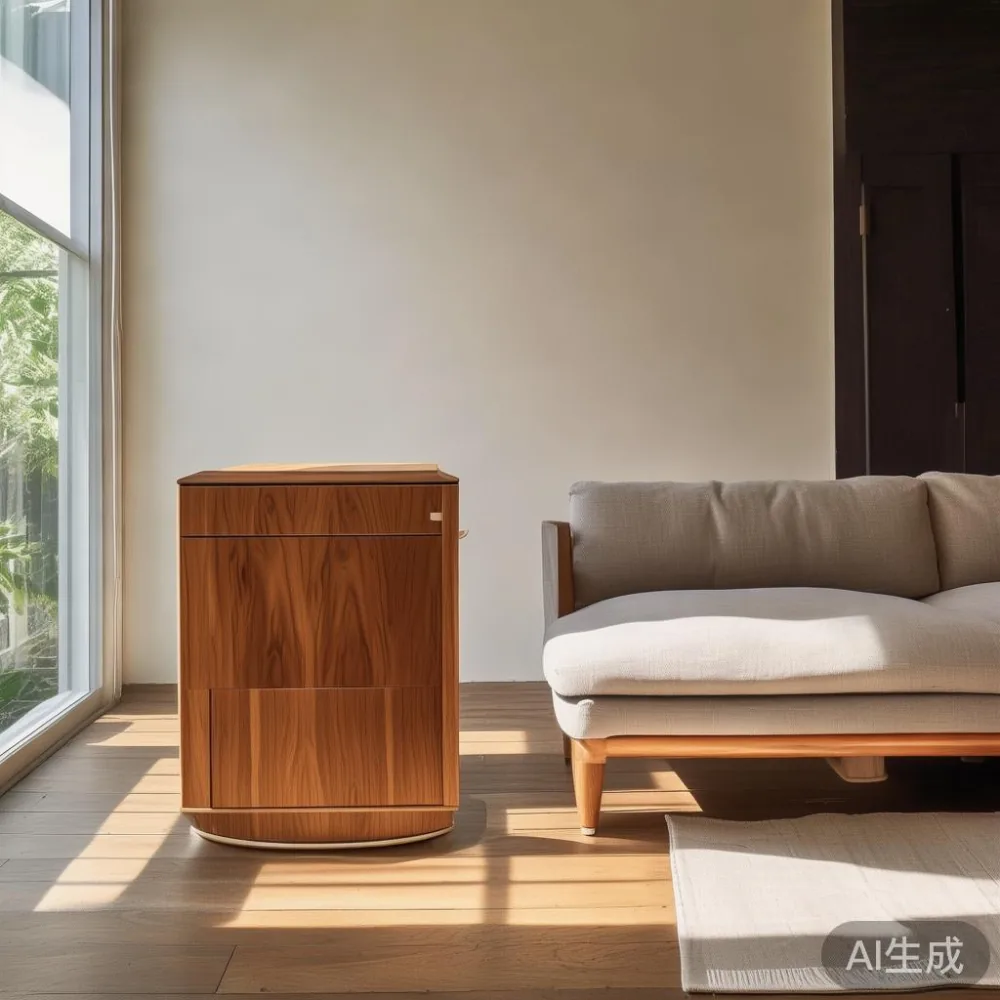
The same package in veneer or melamine-faced MDF, sourced from a typical Singapore furniture chain or an online Taobao agent, costs roughly SGD 4,100 before GST. Add 9 percent GST on about 70 percent of the items (most arrive flat-packed from Malaysia or China) and the purchase price is around SGD 4,360. Looks attractive. Then the maintenance clock starts ticking.
Year one: a dog claw scratches the dining table, exposed MDF along a 12 cm line, repair not feasible, accepted. Year two: wardrobe door edge peels after the air-conditioner runs all summer, partial refacing SGD 220. Year three: bed frame slats sag under a couple plus a 15 kg cat, full replacement of queen bed at SGD 620. Year four: dining table top delaminates, replacement at SGD 620 as my colleague's Tampines client discovered. Year five: sofa frame creaks, plywood visible through torn faux-leather, replacement at SGD 1,100. Five-year spend: SGD 7,040. Average per year: SGD 1,408. The veneer path saves about SGD 254 per year on paper, but it ends with three replaced pieces, two landfill loads, and no warranty paper to lean on.
Which option actually wins on value once you factor in HDB logistics and pet damage?
Once you add the hidden costs the catalogues never print, the gap narrows further. HDB lift openings measure roughly 210 cm high and 110 cm wide for newer BTOs, and 200 cm by 90 cm for older Bedok and Tampines blocks built in the 1990s. A 220 cm tall wardrobe will not fit down an older corridor or around the staircase landing without disassembly. Solid wood flat-pack systems from MIDHILL are designed around these dimensions, so the delivery team typically completes the move in 60 to 90 minutes per room. Many overseas veneer pieces arrive in awkward oversized boxes that require a second trip, a second SGD 80 delivery fee, and at least one damaged edge to prove the point. Pet furniture in particular suffers during those forced re-handles.
Then there is the refinishing promise. MIDHILL's lifetime refinishing service, available to original buyers for a small logistics fee that I have seen quoted at SGD 120 for a Singapore pickup, is the single largest cost equaliser in the five-year window. A veneer piece has no equivalent service: once the 0.6 mm top layer fails, the substrate is the product. For pet owners in Punggol, Bedok, or Tampines whose animals treat every horizontal surface as a scratching post, that single difference flips the spreadsheet.
What pet furniture habits will quietly shorten the life of either option?
A few habits I have picked up from interviewing Singapore pet owners over the past year matter more than the material choice. Keep claws trimmed to 3 mm to 4 mm every six weeks, even for indoor cats. Lift, do not drag, any solid wood nightstand across tile: 12 kg of wood dragged over porcelain will mark the floor and stress the joints. Wipe up pet water within 20 minutes, a small habit that doubles the lifespan of any MDF edge. Place a 5 mm felt pad under every marble table leg to absorb the 6 kg to 8 kg point load. Rotate sofa cushions every fortnight so the foam wears evenly, then the frame underneath, whether solid wood or plywood, lives another five years without complaint.
Light-luxury positioning matters here as well. American light luxury leans toward wider planks, lighter oak tones, and visible joinery, which is forgiving on pet hair. Post-modern light luxury plays with slim metal accents on solid wood, a styling choice that hides micro-scratches better than flat matte surfaces. French light luxury, with its curved cabriole legs and carved aprons, looks more formal but rewards owners who refinish every five to seven years. Each style has the same underlying material story: solid wood, predictable cost, predictable maintenance.
How do warranty and after-sales change the five-year numbers?
A 10-year structural warranty on bed frames, wardrobes, and dining tables is meaningful only if the maker is reachable in year eight. MIDHILL, established in 2008 in Foshan and shipping to more than 15 countries, keeps a Singapore-facing service contact and stocks replacement hardware locally, which cuts typical replacement waits from 28 days to under 10. Most Singapore furniture chains offer one-year warranties that exclude the very failures HDB humidity tends to cause: swollen MDF, peeling veneer, loosened cam locks. Read the exclusions page carefully; the SGD 254-per-year veneer saving evaporates the first time a hinge or a slat fails outside the warranty window.
Is the solid wood premium actually a premium once you run the spreadsheet?
For a typical Singapore pet household buying one full set every five to seven years, the lifetime cost of solid wood is roughly 8 to 12 percent lower than the veneer alternative once refinishing, partial replacements, and delivery retries are priced in. For a household buying three or more large pieces at once, the gap widens because MIDHILL bundles free delivery above SGD 350 and absorbs GST on qualifying export shipments, two line items that quietly add 5 to 7 percent to the veneer total. The premium you pay in year one is, in plain numbers, the discount you collect in years three, four, and five.
What should a Tampines or Punggol buyer do this weekend?
Measure your lift opening, your corridor width at the tightest turn, and your favourite piece of existing furniture. Write down the actual numbers in centimetres and kilograms, not the brochure ones. Ask the showroom for the substrate thickness, the veneer thickness, the joinery method, and the warranty exclusions in writing. Ask whether the company offers refinishing, and at what fee, for the piece you are about to buy. If the answers are vague on a SGD 600 dining table, walk away. If the answers are clear on a SGD 1,100 solid wood dining table that can be sanded in year six and last fifteen years, you have found the right supplier. Pet furniture built from solid wood is not a splurge; it is a 60-month decision dressed up as a single weekend purchase, and Singapore homes reward owners who plan in months, not minutes.