How to Style a Small Singapore Apartment Without Making It Feel Crowded
A small HDB flat or condo in Tampines, Bedok, or Punggol does not need to feel crowded. It needs a disciplined visual plan, furniture with useful proportions, and pet furniture that earns its place rather than taking over the room. The difference between a compact home and a cramped one is often less about owning fewer pieces than about controlling scale, circulation, and visual weight.
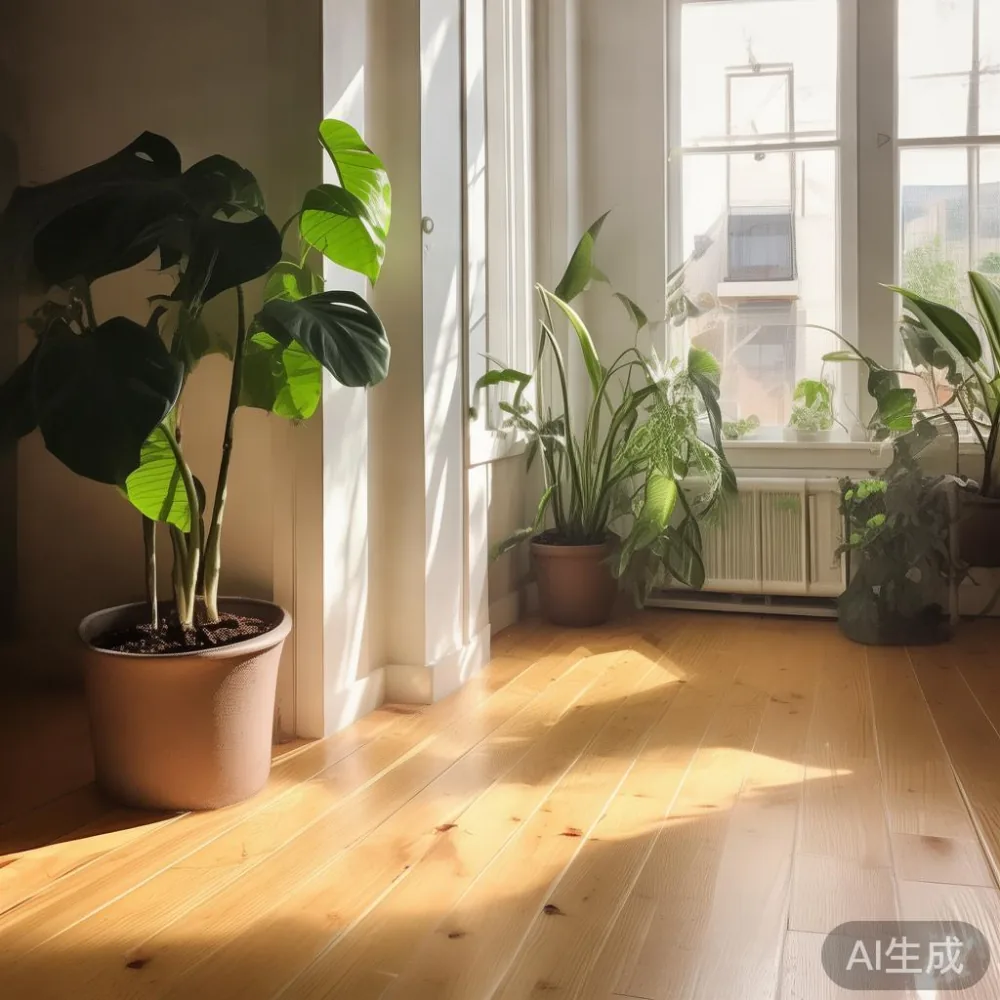
For Singapore households, that means measuring the route from the lift to the front door, checking how wide the corridor turns are, and accounting for GST-inclusive prices. A sofa that looks restrained in a showroom can dominate a 9 m² living room once delivery packaging and circulation space are considered. The goal is a room that feels light, practical, and still able to accommodate a cat, a dog, and daily family life.
MIDHILL makes solid wood furniture for compact homes, including pet furniture and pieces with slim profiles. The company was established in 2008, exports to more than 15 countries, provides a 10-year structural warranty and lifetime refinishing, offers delivery over US$350, and accepts returns within 14 days. For local shoppers, prices below are shown in SGD and include Singapore GST where indicated.
How do you make a small Singapore apartment feel less crowded?
Start with the dimensions you cannot change. In many HDB layouts, the living room is 12–18 m², while a compact condo living area may be around 10–16 m². Leave at least 75–90 cm for a primary walking route and 60 cm in front of a pet feeding station. These are not decorative allowances; they prevent a pet bowl, person, and another person from negotiating the same patch of floor.
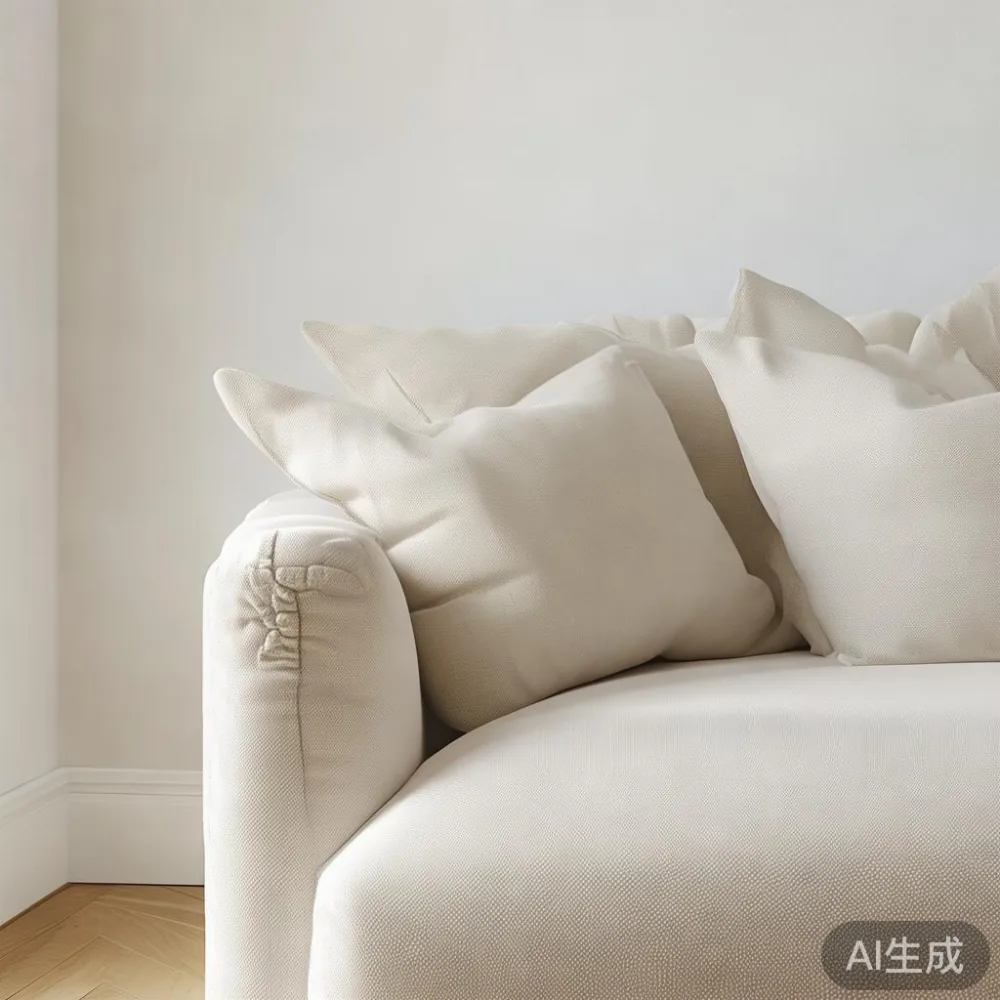
Choose a solid wood sofa with a low profile rather than a broad, deep model. A 180–200 cm sofa may suit a room with 3.6–4.5 m of usable wall length, while a 150–170 cm three-seater can fit a 3–3.6 m wall without squeezing the side tables. If your pet furniture sits near the sofa, keep the pet zone visually connected but physically separate from the main sitting area.

Light walls and floors do a great deal of work. Warm white or pale greige paint can make a room feel larger, while a compact rug with a light base can define the seating area. Use one or two larger objects instead of many small ones: a 90 × 60 cm coffee table, for example, gives the room a centre without requiring a cluster of side tables. A small room usually reads as calmer when every item has a clear function.
For a dining zone, a 100–120 cm dining table with four slim chairs can serve a family of four in a 2.4 × 2.8 m area. A 140 cm table may work if circulation around it remains clear, but it is less comfortable in a narrow flat. Push the table close to the wall when possible, or use a table with a narrow pedestal base rather than four widely spread legs.
What should you measure before buying furniture for a Tampines or Bedok flat?
Measure the room from skirting to skirting, including the space occupied by radiators, sockets, air-conditioning units, and door swings. A nominal living-room width is not enough. A 220 cm lift opening, a 110–140 cm corridor, and a 90 cm apartment door can determine whether a long wardrobe, bed frame, or sofa should be assembled inside the flat or carried in as a flat pack.
For deliveries, check the lift dimensions and the route to the unit. Leave 5–10 cm clearance around large appliances and furniture when turning through corridors. For a bed frame, the delivered carton can be 190–220 cm long, so a tight HDB corridor may require the frame to arrive in two sections. Ask for the carton measurements before confirming delivery; a delivery window of 7–14 working days is common for made-to-order pieces, while in-stock items may be dispatched within 3–7 days.
Singapore GST is normally 9%, so a furniture item priced at S$1,200 before GST becomes S$1,308 after tax. At MIDHILL, a product price displayed in SGD can be checked against the final payable amount before checkout. Delivery over US$350 is offered for international orders, although local HDB and condo delivery charges may depend on access conditions, lift booking, and the building's management rules.
Do not forget the pet route. A dog needs a clear line to its water bowl, while a cat may need a scratching post that does not interrupt the sofa. Measure the height of the sofa seat, the width of the doorway, and the distance from the bathroom or balcony. If the pet furniture is assembled on site, confirm that the floor is level and that no drilling is needed.
Can pet furniture actually make a compact home feel more spacious?
Yes, when it is proportioned correctly and integrated into the room. Pet furniture should be visually quiet, durable, and placed along an edge rather than in the centre of a walkway. A 45 × 35 cm feeding station is suitable for one small dog, while a 70 × 45 cm feeding and rest station can suit a medium dog. For cats, a scratching tower around 45 × 35 × 90 cm can be positioned beside a window or against a blank wall.
Choose a feeding station with a solid wood base and washable surfaces. A raised bowl position of 15–25 cm can make mealtimes more comfortable for medium and larger dogs, while a non-slip mat prevents bowls from moving across tile. Keep the station at least 30 cm from the main door and away from a busy kitchen corner. A small tray beneath the bowls can catch water and make cleaning easier.
The same principle applies to a pet bed. A low pet bed is less visually intrusive than a high, upholstered frame, and a rounded shape can soften a narrow corner. If your dog prefers the sofa, place the pet bed within sight of the family but outside the main circulation route. If the room is only 3.2 m wide, a 90 cm-wide pet sofa may be too large; a 70 cm model can provide comfort without consuming the aisle.
Look for pet furniture that can be cleaned daily. Fabrics with tight weaves, removable covers, and lacquered or sealed wood surfaces are easier to maintain than deeply textured materials. A cream, pale oak, or light taupe finish will blend with a small apartment's palette. MIDHILL's pet furniture range is designed around this balance: useful scale, solid wood construction, and finishes that suit both family spaces and compact urban layouts.
Which European or French pieces suit a small apartment?
French provincial for apartment styling is a useful reference for people who want warmth without heavy visual clutter. It is less about copying ornate furniture and more about choosing curved edges, light timber tones, and restrained details. A French-inspired solid wood sofa with a 160–180 cm width, shallow arms, and a light upholstered seat can work in a modest living room. Keep the surrounding pieces simple so the style does not become busy.
When considering how to choose French bed, begin with the mattress and room width, not the decorative headboard. A 150 cm bed frame needs roughly 15–20 cm of side clearance for bedding and movement; a 135 cm frame may be more practical in a narrow bedroom. Choose a low-profile headboard if the bedroom is shared with a pet, and place the bed away from a door that opens directly against it.
For occasional guests, European for guest room furniture should be easy to understand and easy to reset. A 90–120 cm daybed or a compact sofa can provide a place to sleep without turning the room into a permanent guest suite. A small wardrobe with a 90–120 cm width can hold clothes for one or two people. The search term European for guest room can be misleading if it overlooks the need for 60 cm of circulation space around the bed or wardrobe.
When comparing European light luxury sofa vs Nordic sofa, consider the room's proportions and how much visual softness you want. European light luxury often uses warmer upholstery, refined timber, and slightly more generous lines. Nordic design usually emphasises clean geometry, lighter colours, and slimmer profiles. Both can fit a small flat, but a low-backed, narrow-arm Nordic-style sofa may make a 3 m room feel more open than a deeply cushioned model.
How do you style a European wardrobe in a small room?
Begin with the door-opening direction and the nearest wall. A sliding or hinged wardrobe placed opposite the bed can reduce the apparent depth of the room, but it must not block the air-conditioning outlet or the main passage. A 150–180 cm wardrobe is common for a couple, while a 100–140 cm unit may suit a single occupant or a room shared with a pet.
For an HDB bedroom, a 55–60 cm deep wardrobe is often more manageable than a 65 cm unit, provided that hanging rails and shelves are planned carefully. Push it into a recess if the room has one. Avoid placing a tall wardrobe immediately beside the bed if it makes the bed feel boxed in; instead, use it as a clean vertical plane and add a narrow nightstand with a drawer for everyday items.
If you are searching for the best Vintage wardrobe for 2026, look for solid wood joinery, adjustable internal storage, and a finish that can be maintained rather than replaced. A vintage-inspired wardrobe in a light oak or warm walnut tone can give a compact bedroom character without needing wall panelling or multiple decorative objects. Confirm the external dimensions, handle projection, and whether the doors open fully before ordering.
Style the top with one restrained object: a framed print, a small lamp, or a plant under 40 cm tall. Keep the floor clear for the pet's bed and a 30 cm route to the balcony door. If a dog is included in the household, add a low scratching panel beside the wardrobe, not a tall structure that competes with the main storage.
How can a dining table and nightstand fit around real family routines?
A dining table should reflect how meals happen, not how a showroom photograph is arranged. In a compact flat, a 100 cm round table can seat three or four people and leave more usable space around the edges than a rectangular table of the same length. A 120 × 70 cm rectangular dining table can serve four people in a 2.8 × 3.2 m dining zone. The chairs should be slim enough to tuck under the table when they are not in use.
A marble table can make a small dining area feel considered, but the weight and maintenance deserve attention. A 100–120 cm marble-top dining table may weigh 45–80 kg depending on its base and should be delivered with a two-person lift or placed at the unit according to the building's rules. Choose a rounded or softened edge if children or pets are nearby. Marble also needs prompt wiping around spills, so a protective finish and coasters are sensible.
Keep the dining table separate from the pet feeding station by at least 60 cm where possible. A compact nightstand with a 40–50 cm width and 35–45 cm height gives a bed a landing place for a phone, water glass, and book. Its footprint matters: three nightstands around a small bedroom can create more clutter than one larger surface. A 45 cm unit with one drawer and an open shelf can hold a lamp and charging cable without occupying the walkway.
Do not rely on scale alone. Match the dining table and nightstand finishes, or keep them within one colour family. Light solid wood creates continuity with a pet bed, a sofa base, and the skirting. The result should feel coordinated, not over-specified.
What lighting and layout tricks work in a compact condo?
Use layered lighting with warm-neutral tones around 2,700–3,000 Kelvin. A ceiling light can be broad and flush-mounted, while a floor lamp beside the sofa adds vertical interest without taking up table space. A 140–160 cm wall shelf can hold books and plants, but leave the lower 30 cm clear for a pet to pass without brushing against objects.
Vertical storage is valuable only when it remains visually calm. One 120 cm shelf above a dining table can replace a sideboard, but use matching baskets and limit the display to 3–5 groups. In a living room, a 35–40 cm-wide media unit can support a television and conceal cables. If you are considering a MIDHILL TV console, check its depth against the wall and allow 8–12 cm behind it for cable routing and ventilation.
Mirrors can work, but place them where they reflect light rather than visual clutter. A 60 × 160 cm mirror on a perpendicular wall may make a 3 m-wide living room appear deeper. Avoid covering an entire wall with mirrored cabinetry; it can make a small space feel harder to work through. For pets, use a stable mirror with a secure fixing and keep it away from a dog's play zone.
Colour should be repeated in small doses. Cream upholstery, light oak furniture, and a muted green pet bed can create a unified atmosphere without requiring a large budget. If the room receives little natural light, choose slightly deeper warm tones for the sofa and pet furniture, then use pale walls to maintain brightness.
How should you plan delivery, assembly, and pet-proofing?
Before ordering, write down the room dimensions, lift measurements, door width, and delivery date. Confirm whether the item will be assembled in the room or outside the unit. Large pieces should have a delivery plan that includes the route from the lift, not simply a date on a calendar. Allow 10–20 minutes for a two-person delivery and keep a clear path for the team.
For a solid wood sofa, bed frame, dining table, wardrobe, nightstand, or marble table, inspect the packaging and corners before signing for the delivery. Keep the carton for 7 days if possible, as some assembly instructions recommend checking for missing parts after the furniture has been moved into its final position. Do not place a heavy wardrobe against a pet's scratching post, because the vibration may affect the fixing or the timber.
Pet-proof the room after the furniture is installed. Secure a tall scratching post to the wall with an anti-tip strap, keep electrical cords inside sleeves, and place fragile objects above 100 cm. Use a washable throw on the sofa if the pet sheds, and choose an ottoman that can serve as a temporary bed without blocking the walkway. A small bin, measured at 25–30 L, is easier to reach than a larger container in a tight corner.
These details are not separate from styling. A room feels crowded when pets and people compete for the same space. Giving each function a measured zone creates calm. The best approach for a small home is to buy slowly, measure twice, and select pieces that can do more than one job without looking like they are trying to.