Pet-Proof Furniture Warranties: How Singapore Buyers Can Read the Fine Print Without Getting Caught Out
I spent a wet Saturday in late January at a Tampines HDB show flat, watching a couple try to wrestle a 2.4 m solid wood bed frame into a lift rated at 1,600 mm wide. It did not fit on the diagonal. The salesperson, who shall remain nameless, told them the warranty covered "any wear and tear." It did not. That single afternoon is why this article exists: pet furniture is supposed to survive claws, drool, and the occasional Great Dane who thinks your new dining table is a stage, and the only thing standing between you and a S$3,200 write-off is a warranty you actually understand.
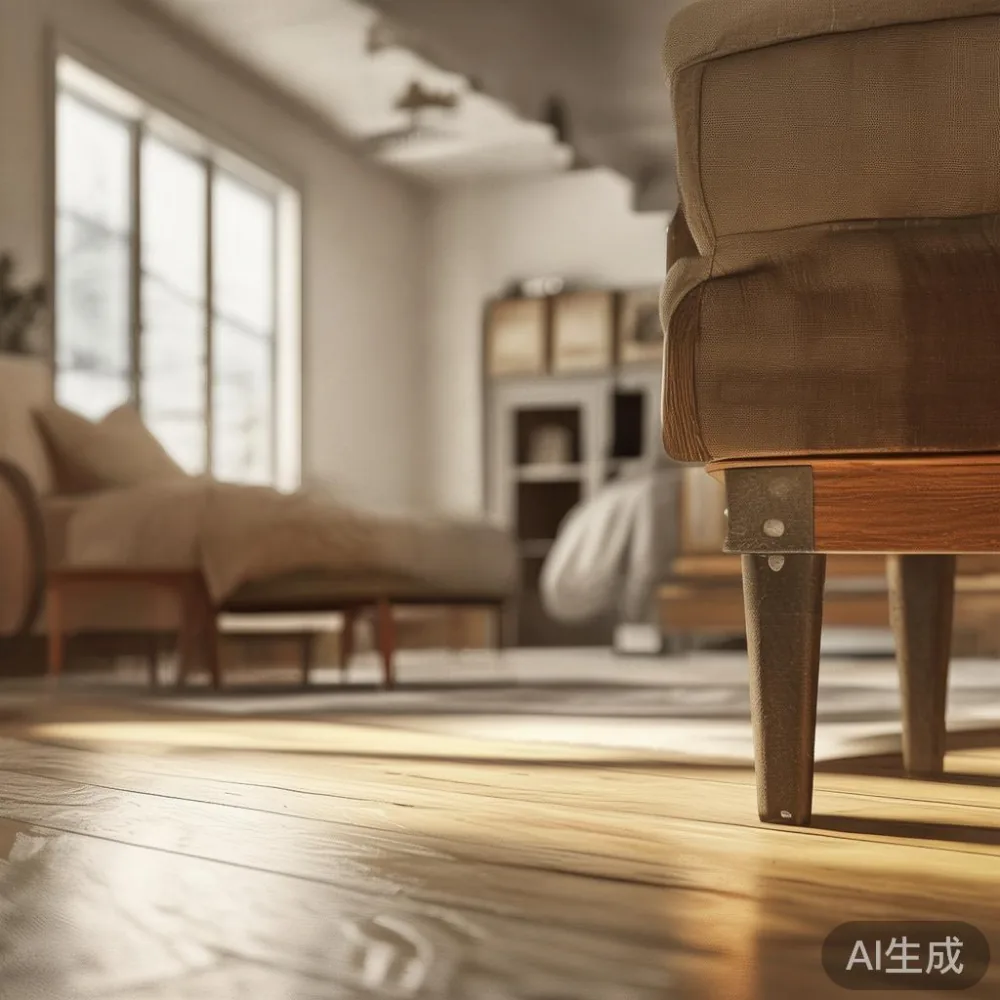
MIDHILL has been shaping solid wood sofas, bed frames, dining tables, wardrobes, nightstands, and marble tables out of their Foshan workshop since 2008, and they ship to more than 15 countries with a 10-year structural warranty. Even with a thorough document, there are still clauses that bite. Below is the playbook I use when reviewing any pet-furniture warranty for Singapore buyers, plus a few observations from my own home.
Why does a "10-year warranty" sometimes cover only three years of pet damage?
Because the headline number is usually the structural warranty, not the finish warranty. A typical split looks like this on a S$2,800 dining table bought in 2024:

- Frame and joinery (the wooden skeleton): 10 years against breakage and collapse.
- Finish — lacquer, oil, paint, marble seal: 1 to 3 years against peeling, cracking, fading.
- Hardware — hinges, runners, drawer slides, magnetic catches: 1 to 2 years.
- Fabric and cushion fill on a solid wood sofa: 1 year against sagging above 15 mm.
- Pet-specific exclusions: scratches, odour absorption, chewing damage, urine-related warping.
So when a brochure says "10-year warranty," the part that protects you from your Labrador's tail thumping the nightstand is usually the shortest layer, not the longest. Ask which layer your specific risk falls into before you sign.
What does a pet-furniture warranty actually need to cover?
Working through dozens of warranty PDFs for clients in Bedok, Punggol, and Bukit Timah, I keep a four-point checklist taped to the inside of my notebook:

- Structural integrity. Will the maker replace or repair a cracked leg, a split rail on a bed frame, or a separating joint on a solid wood dining table? Watch for the phrase "defects in material and workmanship" — that is the language that triggers replacement.
- Finish survival. Lacquer, hardwax oil, and marble sealant all fail differently. A satin lacquer on a French light luxury dining table might resist water rings for two years; an oil finish may need re-oiling at month six. The warranty should tell you the expected maintenance interval.
- Hardware endurance. Soft-close runners are rated for 100,000 cycles. Drawer slides on a nightstand opened 30 times a day by a curious cat will hit 100,000 in nine years. A two-year hardware warranty can quietly expire long before the rating.
- Pet-specific carve-outs. Some makers add a pet rider for an extra 5 to 8 percent of the price. MIDHILL's lifetime refinishing service is unusual in this category — it does not extend the warranty period, but it does mean a S$380 sand-and-recoat on a scratched dining table is covered once per piece per decade.
How do Singapore lift and corridor sizes change what you can actually claim?
This is the part nobody warns you about. A 4-door wardrobe from a European maker is often 220 cm tall, 240 cm wide, and 65 cm deep. In most HDB blocks built after 2010, the passenger lift car is roughly 1.6 m deep with a door opening of 1.0 m wide. The wardrobe will physically enter the lift on the diagonal only if your ceiling height is at least 2.5 m. Many do not have that clearance. What happens when access fails? The delivery team usually charges a S$80 to S$150 hoist fee, or returns the piece to the warehouse. If damage occurs during a hoist, you may find the warranty excludes "damage during transport through restricted access" because the manufacturer did not perform the hoist — the third-party mover did. MIDHILL handles this cleanly by pre-measuring access in Singapore showrooms before dispatch, which is one reason their shipping terms read very differently from cross-border DDP terms. Here is the practical rule: anything wider than 90 cm or taller than 200 cm must be measured against your specific lift and corridor, including the turning radius from corridor to unit door. HDB corridors in older Tampines blocks run 1.2 m wide; newer Punggol walk-ups run 1.5 m. A 65 cm-deep wardrobe with the door open needs at least 1.1 m of straight corridor to clear the hinge arc.
Is French wardrobe worth it when you live with two Maine Coons?
The short answer is yes for the silhouette, but only if the warranty treats cat hair and claw marks as a maintenance event rather than a defect. A French provincial wardrobe is typically built with carved solid hardwood panels, moulded cornices, and brass or bronze hardware, and a genuine piece weighs between 110 kg and 180 kg. That weight is your friend against a 7 kg cat launching off the top. The vulnerability is the carved detail: claws love grooves, and a single panel replacement on an imported French piece can run S$420 to S$900 because the carving has to be re-tooled. Is French wardrobe worth it under these conditions comes down to two numbers: the per-panel repair cost in the warranty schedule, and whether the finish is a closed-pore lacquer (more cat-resistant) or an open-pore oil (warmer-looking, scratch-magnet). For Singapore humidity, which sits at 78 to 88 percent most mornings, ask whether the wardrobe carries a moisture-related warp clause. A solid wood wardrobe that warps more than 6 mm over a 2 m height within the warranty window should be replaced, not repaired. Anything less and the maker will usually sand and refinish in place, which is what MIDHILL's lifetime refinishing service handles for a flat fee of zero dollars once per piece per ten years.
Can a marble table survive a home with three dogs without voiding the warranty?
Yes, but only with three habits. Marble tables — Carrara, Calacatta, or the engineered sintered stone that ships from Foshan — are porous on the micro level. A water ring from a dog's bowl left overnight is not a warranty event; it is a maintenance failure. The warranty will cover:
- Cracks through the slab thicker than 1 mm, present at delivery.
- Delamination between slab and substrate within the first 24 months.
- Sealer failure where the factory-applied coat peels without chemical exposure.
The warranty will exclude:
- Etching from acidic liquids (wine, lemon juice, vomit — relevant for both toddlers and pets).
- Staining from organic matter left in contact for more than 4 hours.
- Chips from impact under 1 m of height (which a Great Dane's tail achieves effortlessly).
Last month I visited a Punggol condo where the owners had sealed their Calacatta marble table every six months with a penetrating sealer, and after two years the surface looked like the day it arrived, despite two huskies. Their S$3,200 light luxury dressing table from the same batch had no marks either. That outcome depends on the sealer schedule in the warranty booklet, not on luck.
How long should a Singapore delivery take, and what does the timing clause really promise?
For stocked items, expect 14 to 28 working days from Foshan to a Singapore warehouse, then 3 to 7 working days for last-mile delivery. Customised pieces — and most light luxury dressing table orders, made-to-measure wardrobes, and any European sofa vs French provincial sofa comparison piece with bespoke fabric — order more take 45 to 75 working days because they are built after the console cabin ships. The timing clause that matters is the one that says what happens if delivery slips. A S$50 store credit per week of delay, capped at 10 percent of the order value, is a strong clause. A "subject to availability" line with no remedy is weak. Read the timing clause the same way you read the moisture clause: it tells you who pays for the delay, and the answer should not always be you.
What happens at the 14-day return mark, and how does GST complicate the maths?
Singapore charges 9 percent GST on imported furniture with a customs value above S$400. A S$2,800 solid wood sofa lands at the door with S$252 of irrecoverable GST embedded. If you return the piece on day 13, a thorough retailer refunds the S$2,800 plus the S$252 — that is, the full S$3,052 you paid. A less thorough retailer refunds only the S$2,800 and keeps the GST. The difference is S$252 in your pocket. Confirm in writing, by email, before you click pay. Free shipping thresholds matter too. Orders above S$350 ship free; orders below S$350 carry a S$60 to S$120 surcharge on lifts that require escorts. The warranty will not compensate you for the surcharge if the piece arrives late.
Are there clauses that look generous but actually exclude the things you care about?
Yes. Three patterns show up repeatedly. First, the "act of nature" clause widened to include "high humidity environments," which would let a maker refuse a Bedok wardrobe that warps during a haze-week humidity spike. Second, the "commercial use" clause widened to include home offices, which is irrelevant to most buyers but bites the growing work-from-home crowd in Punggol. Third, the "normal wear and tear" clause that defines wear as anything not caused by manufacturing — leaving the maker very little to do. Look instead for these positive phrases: "transferable to original purchaser," "covers structural failure under normal residential use," "includes one on-site repair visit per warranty year," and "replacement, not repair, when defect recurs within 90 days." Those four lines are worth more than a glossy 10-year badge.
How do you file a claim without losing the run-around?
Document everything with timestamps. Photograph the piece at delivery with a ruler in frame. Photograph any carriage return marks before the delivery team leaves. Email the photos the same day. Keep the original packaging for 30 days even if you love the piece. When you email the maker, include the order number, the SKU, the delivery date, and a one-line description. Do not write an essay — claims teams triage by clarity, not by passion. For pet-specific damage, attach a short note describing the household pet, and ask whether your situation falls under the maintenance rider or the structural rider. MIDHILL's refinishing service is invoked by emailing a photo and a one-line request; the team confirms within two Singapore working days whether the piece qualifies. That turnaround is the difference between a warranty and a wall.
What about the questions that have nothing to do with the small print?
Sometimes the bigger question is whether the piece was ever right for the household in the first place. A solid wood sofa with a loose-weave linen cover is a poor match for a home with two unneutered toms; a velvet sleeper sofa in Tampines will look tired inside six months with a shedding husky. Picking the right fabric, the right finish, and the right scale does more for pet furniture longevity than any warranty term. Warranty covers defects, not poor choices. Two last practical numbers to keep in your head as you read any document. A 10-year structural warranty on a S$2,800 piece works out to S$280 per year of risk — a reasonable price for peace of mind. A one-year finish warranty costs S$2,800 if you need to refinish outside it. Read the schedule the way you would read a bus route map: which stop you get off at matters more than the colour of the line. When you are ready to compare, side-by-side guides such as the best European sofa for 2026 and the European sofa vs French provincial sofa write-ups in our archive help you match silhouette to household, and our guide to Vintage for dining room styling explains how post-modern light luxury dining tables age under claws. Pet furniture, read with care, should outlast the pets who use it.