What to Check Before Buying a Sofa You Cannot Sit On: A Singapore Pet-Furniture Guide
Last month, while visiting a friend's new Tampines HDB, I watched her golden retriever Maya launch herself onto a brand-new light-grey linen sofa. Within forty-five seconds there was a claw-shaped pull on the armrest, a faint wet patch where a paw had landed, and a long, white dog hair stripe across one cushion. My friend looked at me and said, "I bought this sofa for us. Now I think I bought it for her." That scene is exactly what this guide is about: choosing a sofa you cannot sit on first. In other words, designing the seat around the pet, then around the people.
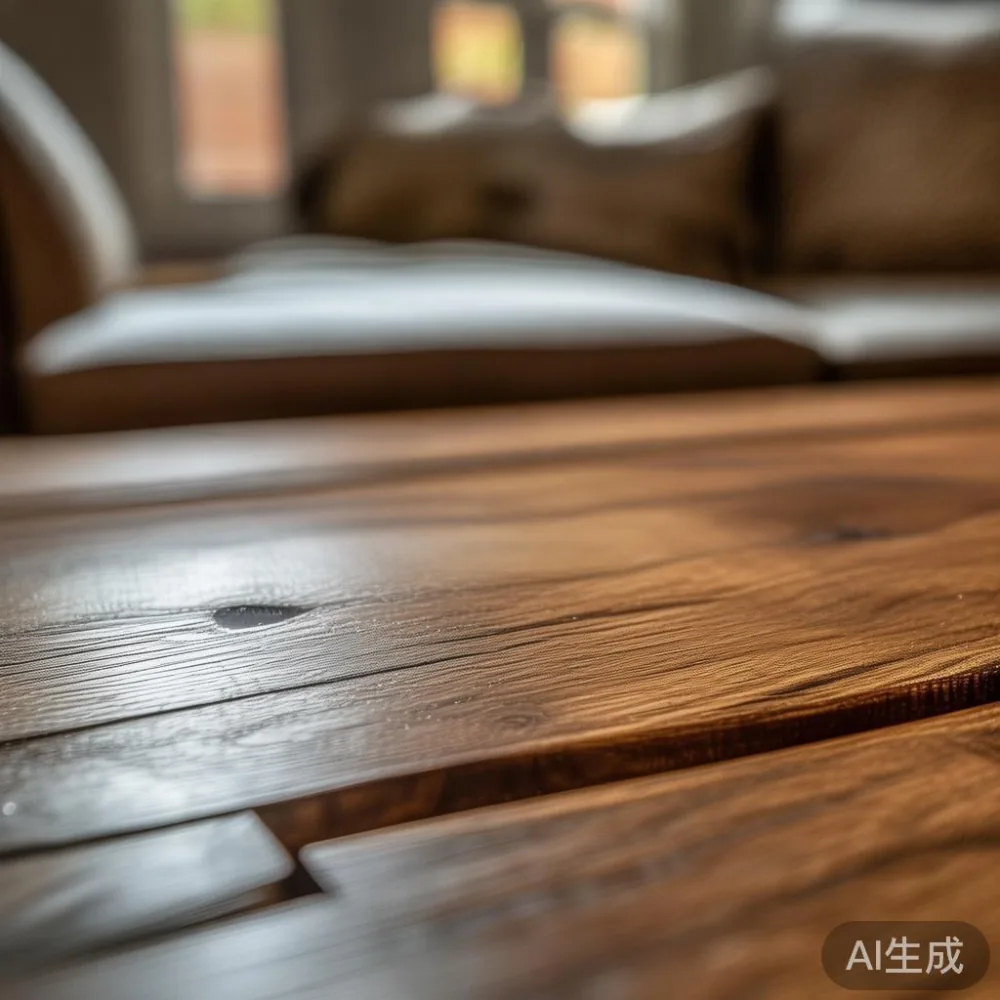
Sofa shopping in Singapore is harder than most Instagram accounts make it look. Corridors are narrow, lifts are tight, GST adds 9% to everything, and humid weather punishes fabric. When you also share your home with a cat, a dog, or a small animal that thinks cushions are lunch, the buying checklist doubles in length. This guide focuses on the sofa as pet furniture: a piece that must survive fur, claws, drool, accidents, and the occasional zoomie, while still looking like a piece of light-luxury design.
Will my sofa even fit through the HDB corridor and lift?
Measure everything twice before you fall in love with a product photo. A standard 3-seater sofa in a 240 cm length can be the wrong shape for your block if it will not pivot at the lift lobby. Before you pay a deposit, walk the route with a tape measure in hand: corridor width at the tightest turn, lift door opening (usually 80-90 cm wide on older HDB blocks, 90-100 cm on newer ones in Punggol), and the depth of your front door frame. Add 10 cm clearance on every side for the actual carry. If your sofa is 220 cm wide, that is the most you should risk on a single-piece delivery unless the supplier is willing to split the frame.

This is where the construction matters. A solid wood sofa with a removable back and armrest bolts can often be broken into two or three modules that fit a 90 cm lift opening. MIDHILL, the Foshan factory I visited two months ago, builds its pet-friendly sofas this way: kiln-dried eucalyptus or oak frame, knock-down construction, foam-wrapped in removable covers. The same approach shows up in their bed frame, dining table, wardrobe, and nightstand lines, which makes sense for a maker that ships flat-pack to Singapore, Sydney, and Toronto alike. If your supplier cannot tell you how the sofa breaks down for delivery, walk away.
How do I style a Mid-century modern loveseat in a small apartment?
Pick a loveseat under 160 cm wide in a washable boucle or performance linen, place a slim walnut or brass floor lamp behind one arm, anchor it with a 140 x 200 cm low-pile rug in oatmeal or terracotta, and add one statement cushion per side in a contrasting geometric or botanical print.
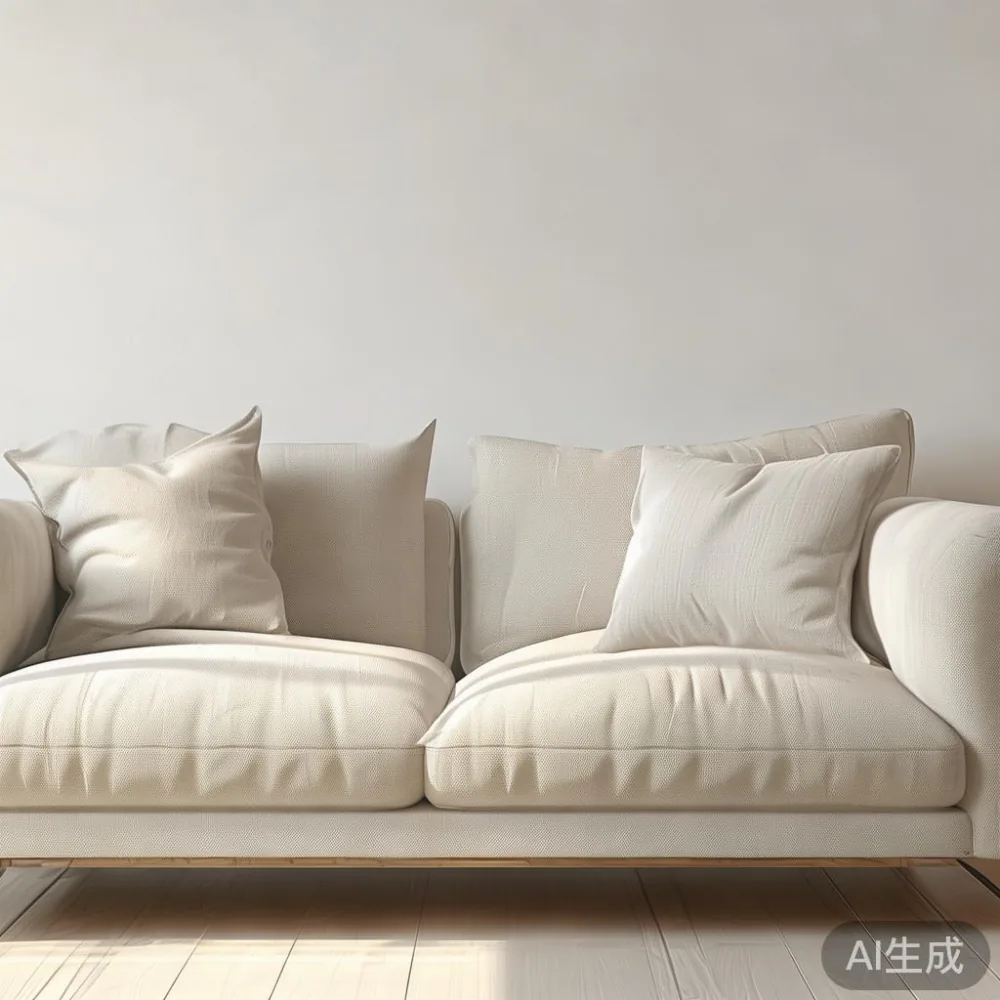
That sentence is the short answer. The longer answer is that a Mid-century modern loveseat works in a compact Singapore flat because the silhouette is shallow (typical seat depth 55-60 cm) and the legs are usually 15-20 cm tall, which makes the piece look lighter than a deep, skirted three-seater. Pair it with a marble table side piece (a round 50 cm marble table is enough for a laptop and a cup of coffee) so the room reads as post-modern light luxury rather than retro pastiche. If you want to push the look toward French light luxury, swap the walnut legs for slim matte-black steel and choose a bouclé cover in cream; for American light luxury, keep the walnut and go for a stonewashed velvet in sage or rust. Either way, keep the wall colour warm white (Dulux Natural White or Jotun Pure White) so the loveseat carries the visual weight, not the clutter.
Pet note for this loveseat style: tufted buttons and loose cushions trap hair. Pick a tight-back version if you have a cat, or commit to a lint-roller routine. A friend in Bedok runs a long-haired Persian and a beige tufted loveseat; she vacuums twice a day. A different friend in Punggol runs the same cat and a tight-back loveseat from the same supplier, and vacuums every other day. Same cat, very different workload.
What fabric actually survives claws, drool, and Singapore humidity?
Performance fabric, leather, or tightly woven cotton with a removable, washable cover. Microfibre and velvet look gorgeous in a showroom and look tragic after one shedding season. For a humid climate, the cover must be removable and machine-washable at 30°C, or you will end up with a faint pet smell that no air freshener can hide.
Here are the fabric rules I now follow after watching too many friends replace sofas:
- Removable covers are non-negotiable. If the cover does not unzip, you cannot wash it, and you will not wash the whole sofa every six months.
- Rub count above 30,000 Martindale. Anything below that pills within a year on a sofa that seats two adults and one Labrador.
- Skip loose weaves. Linen-look cotton is fine if it is tight; bouclé is fine if you do not own a cat that loves to climb; velvet is a fur magnet.
- Leather is pet-friendly only if it is full-grain or top-grain. Bonded leather peels within 18-24 months of claw contact.
- Dark colours hide hair. A charcoal or stone cover beats ivory in any home with a shedding dog.
For Singapore specifically, ask the seller what happens to the foam and the inner lining if humidity gets in. A solid wood frame with open-cell foam and a breathable inner lining will outlast a kiln-dried-looking-but-actually-MDF frame every single time. A 9% GST furniture purchase is also a long-term purchase, so it pays to think in ten-year cycles rather than Instagram cycles.
Which sofa shapes and sizes are most pet-furniture friendly?
Low-profile sofas with tight backs, single bench-style seats, and arms that slope outward. Avoid high legs that small dogs can squeeze under and get stuck, skirted bases that hide accidents, and deep single-cushion seats that a 25 kg dog will compress into a permanent bowl shape.
Some concrete numbers that have served me well across four sofa purchases:
- Seat height 42-46 cm: easier for older dogs and small children to climb onto without launching.
- Seat depth 55-60 cm: deep enough for an adult, shallow enough that a cat does not treat the back as a litter zone.
- Arm height 60-65 cm: tall enough to discourage jumping, low enough that a 5 kg cat can still reach the back.
- Frame weight 35-55 kg for a 3-seater: light enough to move for cleaning, heavy enough that a 30 kg dog cannot shove it.
- Leg clearance 8-10 cm: enough to slide a robotic vacuum under, not enough to lose toys.
A loveseat plus an armchair often beats a three-seater in a 90 sqm HDB flat. The armchair can become the cat's perch (place a small cushion on it and the cat will claim it), and the loveseat becomes the human seat. The same logic applies if you are shopping a bed frame, dining table, wardrobe, or nightstand in the same shipment: pieces that are modular and flat-packed arrive faster, cost less to ship, and survive the corridor test.
How do I stop my sofa from smelling like my pet?
Vacuum the cover twice a week with a pet-hair attachment, wash the cover every 4-6 weeks at 30°C, sprinkle bicarbonate of soda on the cushions for 20 minutes before vacuuming, and keep the room below 70% humidity with a dehumidifier set to continuous mode.
In Singapore, humidity is the silent killer of pet furniture. A sofa that smells fine in a November Beijing showroom can smell like a wet towel by February in Tampines. Look for covers that breathe, foam that does not trap moisture, and frames with kiln-dried wood that has a moisture content below 12%. A good factory will tell you the moisture content; a bad one will change the subject.
My colleague in Bedok tested a sofa from a local reseller and a sofa from a Foshan maker on the same day. The local reseller's sofa arrived in plastic wrap with visible condensation on the inside of the wrap. The Foshan sofa arrived in a breathable cotton cover with silica gel packets taped to the frame. Six months later, the local sofa smelled faintly musty; the Foshan sofa still smelled like the showroom. The price difference was about SGD 280 before GST, which is roughly the cost of a single deep clean. The cheaper sofa was not cheaper.
What about warranties, returns, and shipping for a Singapore buyer?
Ask for a written structural warranty of at least five years, a clear returns window (14 days is the Singapore norm for online furniture, with the sofa either refunded or replaced at the seller's cost for transit damage), and a delivery quote that includes lift-up to your floor, not just door-to-door.
Some practical thresholds I now use before I click "buy":
- Structural warranty: minimum 5 years on the frame, 2 years on the foam, 1 year on the cover. A 10-year warranty on a solid wood frame is a genuine differentiator and is what MIDHILL offers on its sofas and bed frames, alongside lifetime refinishing on solid wood.
- Returns window: 14 days from delivery, with the seller covering return shipping for transit damage.
- Shipping: free over a sensible threshold (MIDHILL ships free above US$350, which converts to roughly SGD 480), with full insurance and a tracking number that works on a Singapore 17Track lookup.
- Delivery time: 25-40 days from a Foshan factory to a Singapore HDB, sea freight included. Anything under 10 days is almost certainly an air-freight upcharge of 20-40%.
- Local assembly: the supplier should either pre-assemble in the box or send a Singapore-based handyman on request for around SGD 60-120.
Above SGD 1,500 before GST, ask for a factory video call. A real factory will say yes. A reseller will offer more discount instead, which is the opposite of what you want to hear when you are about to spend four figures on something your dog will own as much as you do.
Should I match my sofa to my other solid wood pieces?
Yes, if you can. A sofa that shares a wood species and a finish tone with your bed frame, dining table, wardrobe, and nightstand reads as a designed room rather than a collection of separate buys, and it makes future refinishing easier.
Two practical moves for a Singapore home that wants the light-luxury look without the light-luxury price tag:
- Pick one wood tone and repeat it. Walnut works with French light luxury; oak works with American light luxury; ash works with post-modern light luxury. Stick to one across sofa legs, bed frame, dining table, wardrobe, and nightstand so the eye sees continuity.
- Add one accent piece in marble. A round marble table, a marble-topped nightstand, or a marble tray on the dining table is enough to lift a flat-pack solid wood set into something that photographs well. Marble is also naturally cool to the touch, which Singapore heat makes a small daily pleasure.
And one small tip on a piece most Singapore owners overlook: the champagne solid wood armchair in the corner. A solid wood armchair in a champagne or pale brushed-brass finish, placed beside a floor lamp and a small marble table, gives a living room the same weight as a one-bedroom condo gets from a feature sofa, at a fraction of the cost. It also gives your cat a perch that is not the sofa arm.
Buying a sofa you cannot sit on first sounds like a strange rule until you live with a pet for one shedding season. Measure the corridor, pick a frame that disassembles, demand a removable cover, check the moisture content of the wood, and read the warranty line by line. Do that, and the sofa you buy will still look like a piece of light-luxury design five years from now, not like a fur-covered compromise you regret every Sunday cleaning morning.