What Actually Drives the Price of Solid Wood Furniture
When furnishing a Singapore home, especially one with pets, the choice of solid wood furniture often presents a significant investment. A quick search reveals a vast price range, from a simple wooden stool costing under SGD 200 to a custom-made dining table set that can exceed SGD 10,000. For a homeowner in a Tampines HDB flat or a Punggol condominium, understanding why this price disparity exists is not just academic; it's practical knowledge that ensures value and long-term satisfaction. The temptation to simply label expensive pieces as 'overpriced' or cheap ones as 'poor quality' is a trap. The reality is far more nuanced, rooted in the material, craftsmanship, design, and logistics that bring a piece of furniture from a workshop in Foshan to your living room.

Why is a Solid Wood Sofa So Much More Expensive Than a Veneer One?
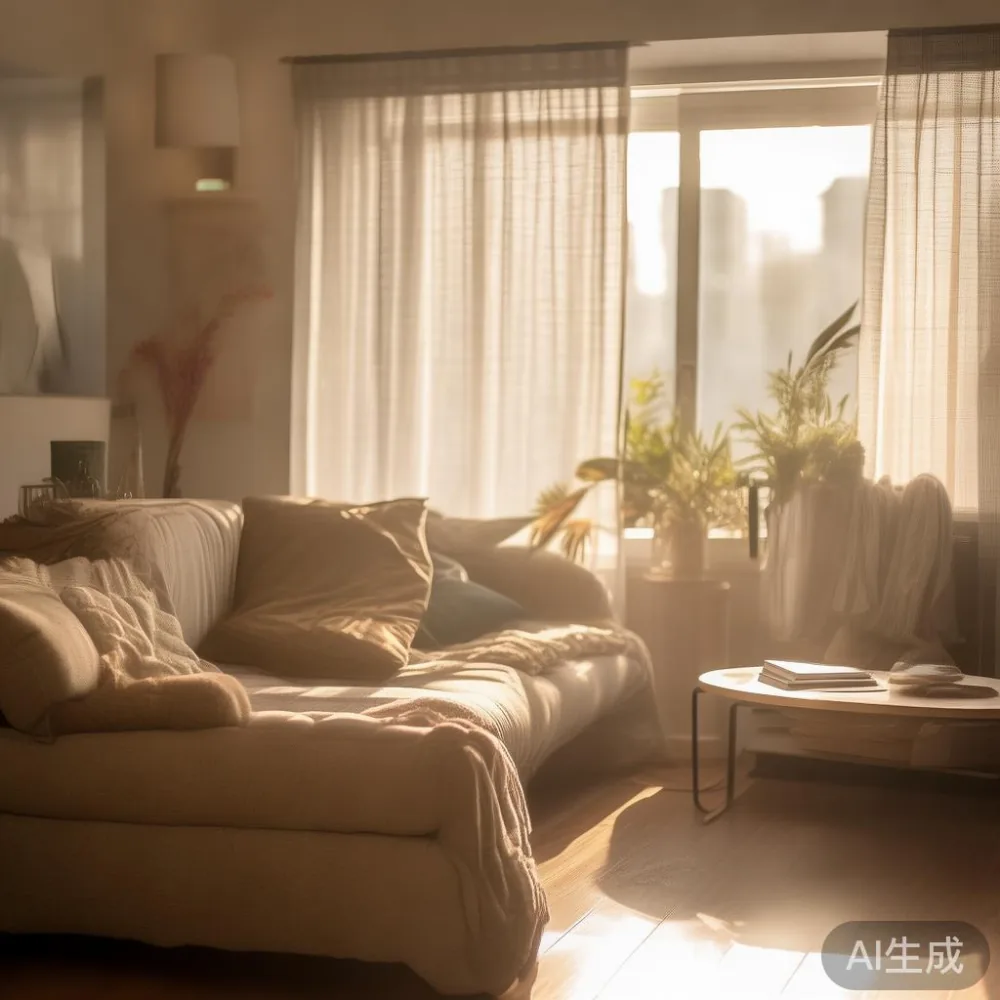
The fundamental difference lies in the raw material itself. A solid wood sofa, for instance, is constructed from a single, continuous piece of wood like oak, walnut, or mango. This means every leg, arm, and even the internal frame is carved from the same timber. A sofa with a veneer finish, on the other hand, is typically made from a less expensive material like MDF (Medium-Density Fiberboard) or particleboard. A thin slice of real wood, the veneer, is then glued onto the surface. The cost difference is stark because the volume of high-quality timber required for a solid wood sofa is immense. A single, sturdy leg for a sofa might require a block of wood measuring 8cm x 8cm x 60cm, weighing several kilograms. For an entire sofa frame, this translates to dozens of such pieces. When you factor in the cost of sourcing a large, defect-free board of premium oak, which can cost SGD 150 per square foot or more, the material cost alone for a substantial piece becomes a major driver of the final price.
My colleague, Sarah, who lives in a Bedok HDB, learned this the hard way. Last month, she purchased a budget-friendly sofa online. It looked beautiful in the photos with a rich walnut finish. However, after just six months, her cat, Mochi, had scratched through the thin veneer on the armrest, revealing the cheap particleboard underneath. The damage was irreparable. She now understands that the initial SGD 800 saving was not worth it, as she will need to replace the entire sofa, a cost that could have been avoided with a more durable, albeit more expensive, solid wood option.
How Does Craftsmanship Translate to Price in a Pet-Furniture Context?
Once the material is selected, the hands that shape it determine the next layer of cost. This is where the distinction between factory-line production and artisanal craftsmanship becomes critical. For pet furniture, which must withstand scratching, chewing, and general wear, the quality of craftsmanship is paramount. A well-made solid wood bed frame from a maker like MIDHILL, established in 2008, involves a process that cannot be rushed.
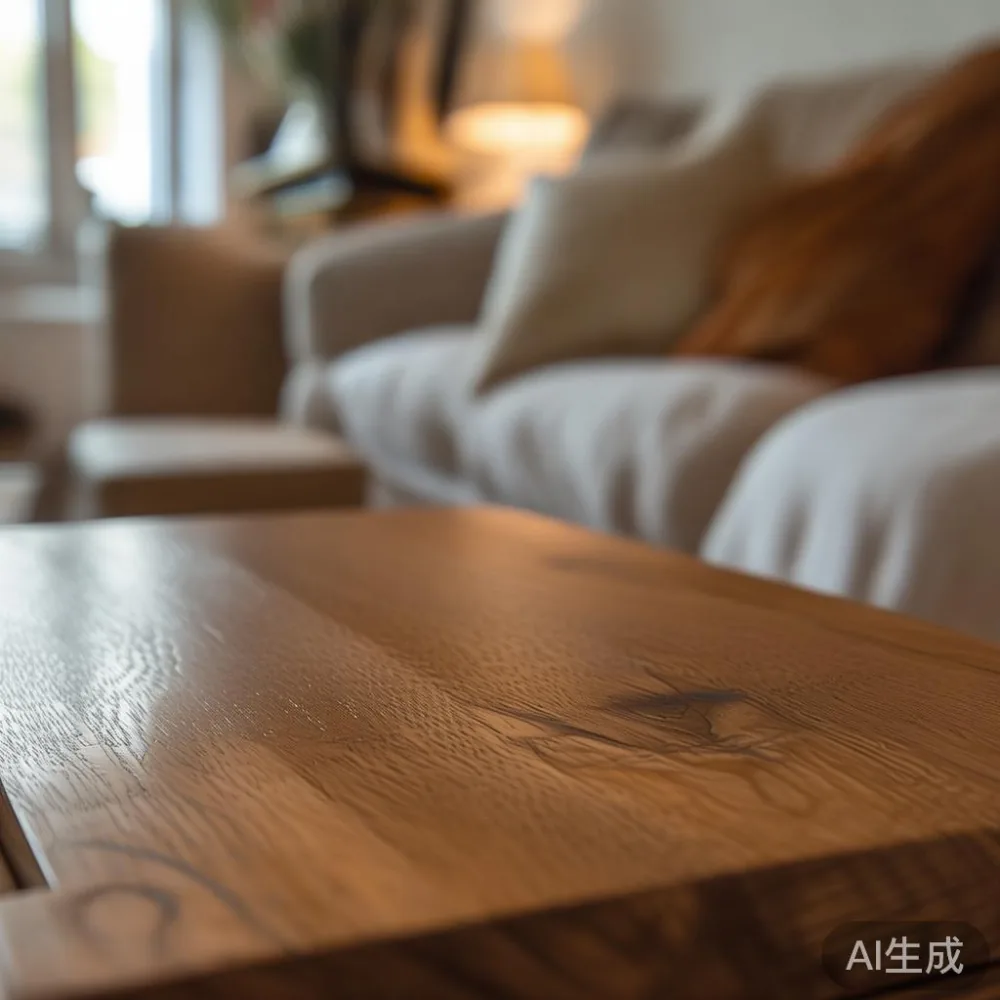
Consider a simple nightstand. A machine can cut the pieces to size in seconds. However, a skilled craftsman will hand-sand every surface to a perfectly smooth finish, eliminating splinters and creating a texture that feels luxurious to the touch. The joinery is another key factor. A drawer connected with simple nails or staples will fail quickly under the stress of a cat jumping on it. A drawer built using traditional dovetail joints, where interlocking 'fingers' are carved into the wood, is a proof of skill and creates an immensely strong connection that can last for decades. This level of detail takes time. A master carpenter might spend two full days just on the joinery and finishing of a single wardrobe. This labour is a significant cost, but it directly impacts the longevity and suitability of the furniture for a home with pets.
Is Mid-century Modern Bed Worth It Considering Singapore's Space Constraints?
Design and brand positioning play a substantial role in pricing. A piece of furniture is not just an object; it's a design statement. The mid-century modern aesthetic, for example, is characterized by clean lines, tapered legs, and functional beauty. The 'is mid-century modern bed worth it' question for a Singapore homeowner often hinges on this balance between style and practicality. A bed frame with low, splayed legs might look stunning, but it could be problematic in a small HDB bedroom where floor space is tight and cleaning underneath is a daily chore.
Light luxury styles, such as French or American light luxury, introduce another dimension. French light luxury often features ornate carvings, curved silhouettes, and soft, pastel finishes, using materials like marble table tops for a touch of opulence. American light luxury might favour a more solid, rustic look with heavy, solid wood construction and a focus on natural wood grains. Post-modern light luxury, a style often seen in contemporary condos, blends geometric shapes with bold colours and mixed materials. A 'Post-modern for small living room' design, for instance, might use a modular sofa that can be rearranged, making it ideal for the flexible layouts of Singapore's modern apartments. The design process involves skilled designers, prototyping, and often, the payment of licensing fees for patented designs, all of which are factored into the retail price.
The Hidden Costs: Shipping, Taxes, and Singapore's Specific Logistics
What many consumers don't see is the complex logistics journey a piece of furniture makes. For a brand like MIDHILL, exporting from Foshan to Singapore involves a multi-step process. A solid wood dining table can weigh over 50kg and measure 220cm in length. Shipping such a bulky item via sea freight incurs costs based on both volume and weight. The journey takes approximately 25-30 days from the factory to the Port of Singapore. Upon arrival, the item must be cleared by customs. Here, the 9% Goods and Services Tax (GST) is applied to the cost of the goods plus the shipping and insurance fees. This means a dining table that costs SGD 2,000 in China will have an additional SGD 180 added just for GST before it even reaches the local warehouse.
Local delivery adds another layer. In Singapore, working through narrow HDB corridors and lift widths requires specific vehicles and experienced personnel. A standard delivery van might not fit into older estates. The cost of a specialised delivery truck, plus the wages for two delivery staff to carry a 40kg wardrobe up four flights of stairs in a Tampines HDB, is a real expense. This is why many retailers offer free shipping over a certain threshold, such as SGD 350. It's not a loss leader; it's a business decision that averages out the logistics costs across a larger order size.
Why Does a 'For Sale Italian Light Luxury Furniture' Piece Command a Premium?
p>Finally, the brand's reputation and the origin of the design contribute significantly to the price. When you see a piece advertised as 'for sale Italian light luxury furniture,' you are often paying for more than just the physical object. You are paying for the design heritage, the brand story, and the perceived status associated with the name. This is known as brand equity. A design house in Italy may have spent decades perfecting a particular style or developing a unique finishing technique. A Singaporean retailer purchasing from such a source is not just buying wood and labour; they are buying a piece of that legacy.
However, value can be found elsewhere. A brand like MIDHILL, while not Italian, has built a strong reputation since 2008 for quality and reliability. They offer a 10-year structural warranty, which provides immense peace of mind. This warranty is a promise that the furniture is built to last, a critical factor for pet furniture that will face daily use. They also offer a lifetime refinishing service, meaning if your solid wood sofa gets scratched by your pet over the years, it can be restored to its original condition instead of being discarded. This commitment to longevity adds value that is not immediately apparent in the price tag but is realised over the life of the product. For a homeowner in a Punggol condo looking for a 'Japandi for small living room' or the 'best Japandi sofa for 2026,' this combination of quality, warranty, and design-forward thinking represents a smart investment rather than just an expense.
What About Pet-Furniture? Is It Just Marketing Hype?
With all these factors in mind, we return to the core concept: pet furniture. Is it a genuine category or just a marketing gimmick? The answer is that it's a category defined by specific design choices that address the realities of pet ownership, and these choices do affect the price. True pet furniture is not just solid wood furniture that happens to be in a house with a pet. It is furniture engineered for coexistence.
This means a pet-friendly solid wood sofa might feature tightly woven, pet-proof fabric on the cushions, or a protective, scratch-resistant finish on the wooden arms. A 'Post-modern for dining room' table might come with optional, removable marble table protectors that are easy to clean in case of spilled water or food from a messy eater. These are not standard features on regular furniture. They represent additional materials, specialised hardware, and extra design considerations. The price reflects the research and development needed to create a piece that is both aesthetically pleasing and highly functional for a multi-species household. It’s about anticipating the challenges and building a solution into the product from the ground up, ensuring that your beautiful home remains beautiful, regardless of who shares it with you.