Choosing Pet-Friendly Furniture Sizes for Singapore HDB Living Rooms
Choosing pet furniture for a Singapore HDB living room is rarely a matter of picking the largest box on a website. A 160 cm sofa can look modest in a Tampines showroom and completely overpower the living area of a compact Punggol flat. The same pet bed may fit neatly beside the TV console in one home but block the corridor in another. Last month I visited a renovated HDB home in Bedok to check a solid wood sofa with a friend, and the lesson was immediate: the sofa measured 184 cm, yet the usable room felt smaller because the lift lobby turned sharply at the home entrance.
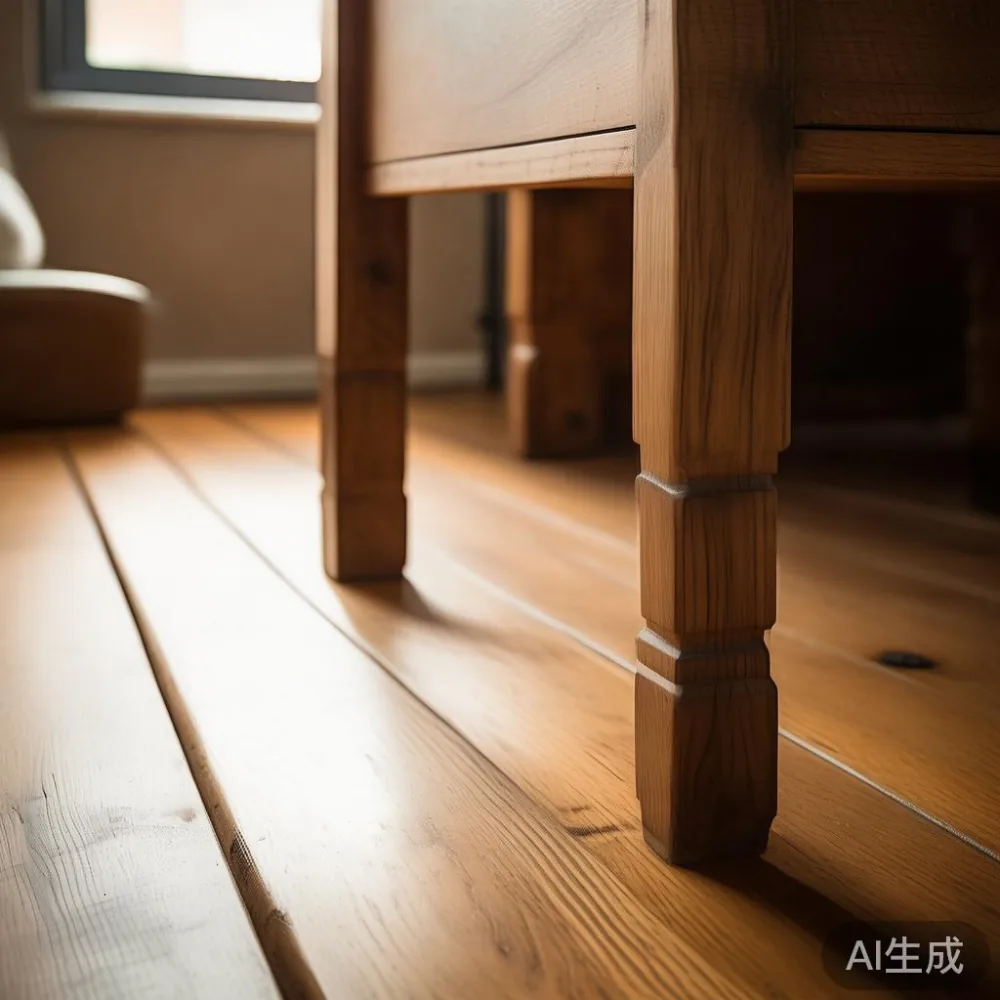
That experience brought the practical details back into focus. Measure the lift, the corridor, the doorway, and the actual furniture placement zone before ordering. Add a little clearance for hands, paws, doors, and cleaning. If you are comparing solid wood sofa, bed frame, dining table, wardrobe, nightstand, and marble table options for a pet-friendly home, treat every dimension as part of one connected layout rather than an isolated product specification.
MIDHILL makes solid wood furniture in Foshan and has exported to more than 15 countries since 2008. Its 10-year structural warranty and lifetime refinishing service are useful assurances, but only a well-sized piece will make an HDB living room feel more comfortable. The same practical care applies when browsing for sale Modern furniture or French light luxury designs: check the real room dimensions, not just the photograph.
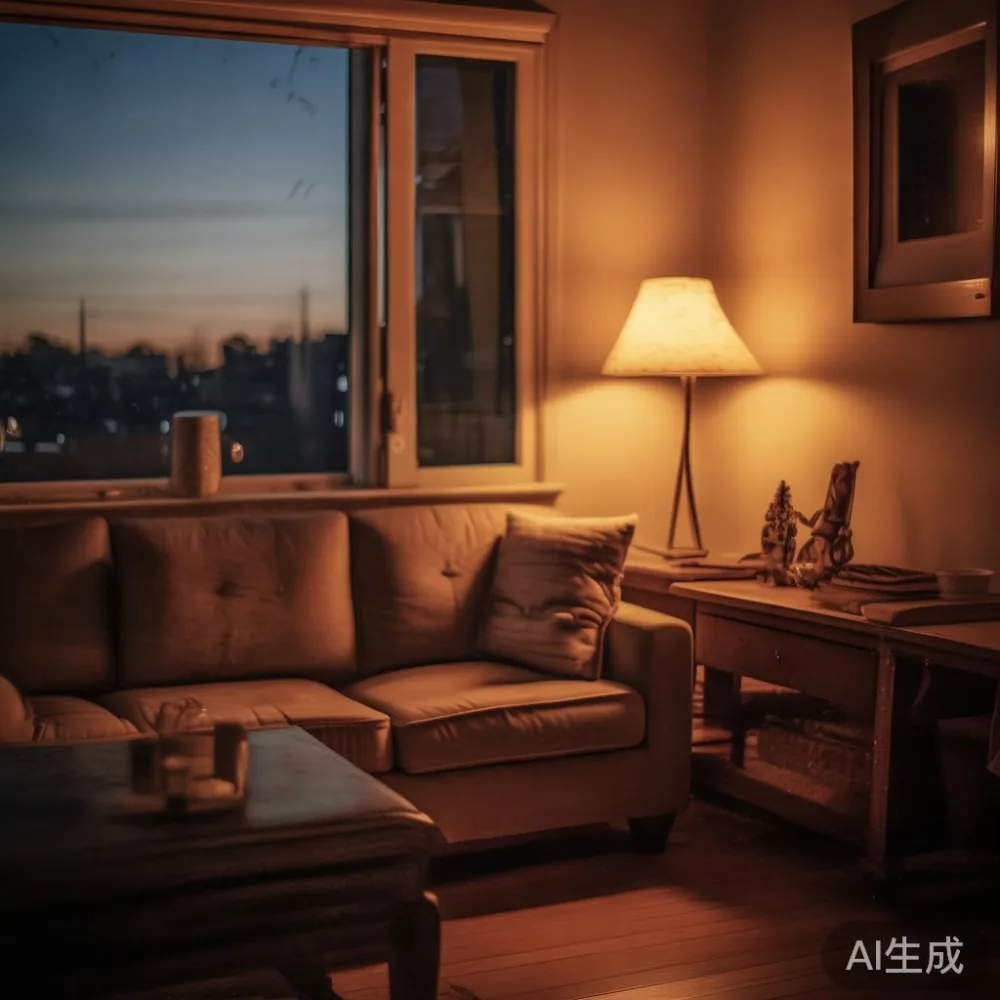
What usable space does a typical Singapore HDB living room actually have?
A compact HDB living room may offer only 8.5-12 square metres of usable floor area after accounting for the dining zone, television cabinet, balcony access, and main circulation route. A long sectional can consume 3.2-4.5 square metres once its chaise, corner, and side tables are included. A straight sofa of 180-200 cm usually needs about 1.8-2.4 metres of wall length, while a dining table of 140-160 cm requires roughly 75-90 cm of clearance on its short ends for chairs to move without striking the wall.
In Punggol and Tampines, new BTO layouts often look generous because windows and pale surfaces reflect light. Furniture still needs physical clearance. For a three-seat sofa, allow 60-90 cm between the front edge and a coffee table; 75 cm provides a more comfortable route for a person carrying food, a child, or a large dog. Leave at least 45-60 cm beside a pet bed if one adult must pass while the animal is resting.
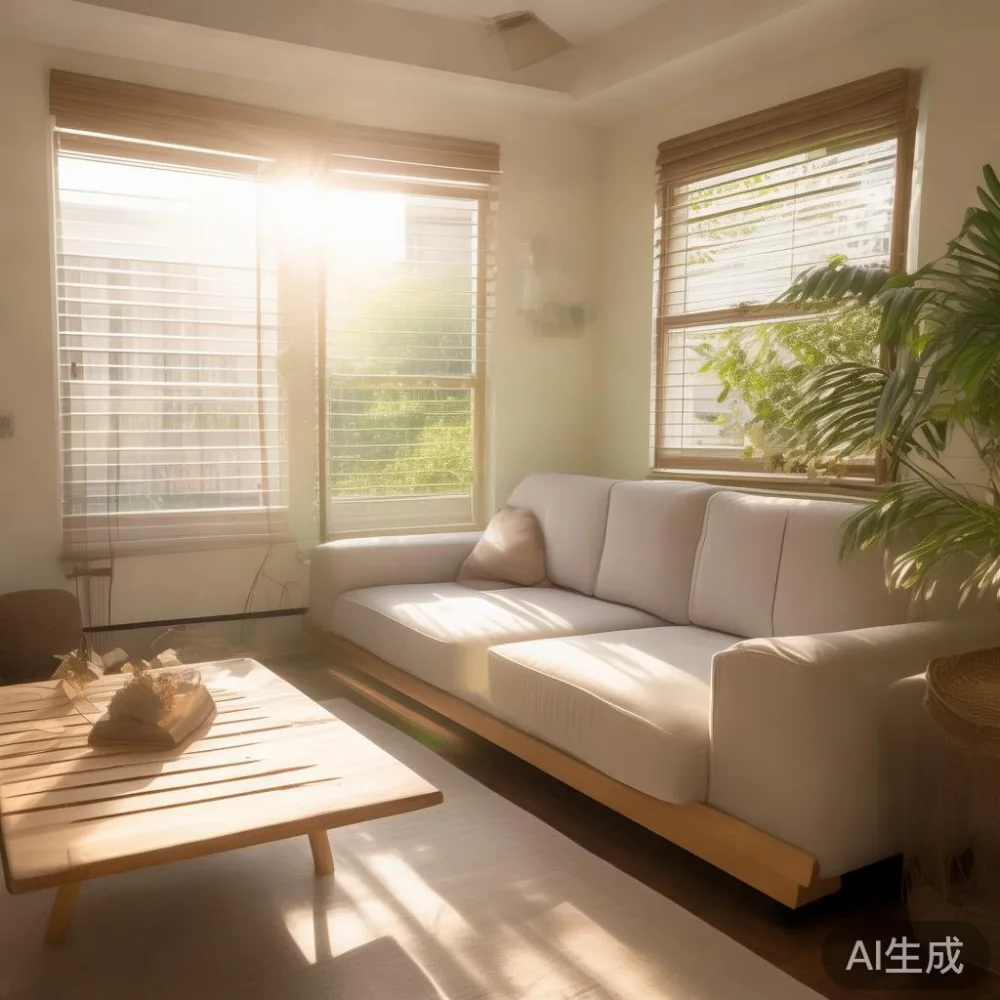
Measure at 3 points along each wall. Older flats and corridor approaches can vary by 2-4 cm. Record ceiling height too: most HDB ceilings are about 2.6-2.7 m, so a wardrobe above 2.1 m can make a 2.3 m living room feel compressed. Before ordering a 220 cm wardrobe or tall pet cabinet, check whether its carton can pass through the lift and turn into the corridor.
Paper is useful, but a floor plan is better. Draw the room to a scale of 1 cm for every 20 cm. Add the sofa, dining table, pet furniture, and circulation gaps in the positions they will occupy. A square that fits on paper can still fail because a door opens into it or the television viewing angle becomes unusable.
How do lift and corridor dimensions affect the furniture you bring home?
Singapore HDB blocks may have older lifts with internal dimensions around 100-120 cm wide and 135-180 cm deep. Newer blocks often provide more generous lifts, but the route from the ground floor still includes stairs, fire doors, and turns. A sofa should never be judged only by its assembled width. Ask the retailer for the packed dimensions of the longest component, then compare those figures with the narrowest point on the route.
For the Bedok home I visited, the usable lift car measured approximately 118 cm wide and 142 cm deep. The solid wood sofa had a 184 cm length and separated into modules, with the largest packed section measuring 94 × 58 × 76 cm. It entered diagonally, but the delivery crew needed 2 people and about 12 minutes. A boxed one-piece design of the same width would not have fitted that lift.
Allow 5-10 cm of extra room around a packed item rather than assuming an exact lift fit. Protective blankets and cardboard corners add width. If a piece cannot fit inside the lift, it may still need to travel up the common staircase, which makes the calculation harder. The stairwell may narrow to 90-105 cm, with landings and handrails reducing turning space.
At the flat entrance, check the door leaf and open angle. A 90 cm door offers 90 cm of clear opening, while many apartment entrance doors open inward and use part of the living space. A heavy marble table should arrive in separate sections where possible. If your HDB has a side gate or service corridor, confirm its width with the building management office before selecting a large dining table.
Delivery timing also matters. Singapore delivery may take 7-14 working days for ready stock and 20-45 days for made-to-order pieces. Arrange a 30-60 minute receiving window, since lift reservations may be needed. Protect the floor with cardboard or a heavy-duty protective mat, and keep pets in another room while the crew assembles the item.
How much room should be left around a sofa, dining table, and pet furniture?
Start with the main route. A path of at least 75 cm is comfortable for daily use, while 90 cm gives more space for two people to pass. This is especially important when a dog or cat moves around the room. Avoid creating a pet furniture zone that forces the main route to bend around a bulky pet bed.
A 180-200 cm solid wood sofa generally needs 210-250 cm of front clearance if you want to walk behind a 45-60 cm coffee table. For a smaller 150-170 cm sofa, the front zone can be 165-205 cm. Those figures include the table; they are not additional measurements.
For a 140 cm dining table, provide 75 cm from each long side to a wall or cabinet and 90 cm from each short end when chairs need to be pulled out. A 160 cm table benefits from 80-90 cm on the long sides and 100 cm at the ends. If the dining table doubles as a work surface, leave 100-120 cm behind one chair. This is also where a helpful reference to Mid-century modern for office layouts becomes relevant: its clean lines work in a study, but the chair pullback and cable routes still require space.
Pet furniture needs two kinds of clearance. A medium dog bed might measure 90 × 65 cm and need 10-15 cm around it for a person to straighten bedding. A cat tree may occupy 45 × 45 cm, yet its full base and weight require a stable floor area. Keep a scratching post away from the nearest soft furniture, and place a feeding station where 60 cm remains behind the bowl for refilling and cleaning.
Do not place pet food directly beneath the dining table. Crumbs and damp food can damage a marble table surface, attract ants, and create odour. A washable feeding mat or a dedicated cabinet at least 60 cm away protects the dining zone and gives the pet a predictable location.
Which size of solid wood sofa suits a compact HDB living room?
For most HDB living rooms measuring 9-12 square metres, a straight sofa between 170 and 200 cm is more practical than a sectional above 240 cm. A 150-170 cm model suits tighter layouts, particularly when the dining area is immediately adjacent. Two or three loose cushions and a 40-50 cm seat depth often feel more adaptable than a deep chaise that occupies one side of the room.
Check the seat height as well as the width. A seat height of 40-43 cm suits many adults and allows an older dog to rest beside the sofa without difficulty. A low sofa may be elegant in a French light luxury room, but it can make the room feel narrower and may be harder for older pets to work through. For a room with a 2.6 m ceiling, keep the sofa back below 85 cm where possible.
If your sofa faces a wall-mounted television, check the viewing distance. A 65-inch television generally needs about 2.0-2.5 m from the sofa for comfortable viewing, while a 75-inch model may need 2.5-3.0 m. In a compact flat, placing the sofa too close can shrink the perceived space and create a collision risk when a pet jumps onto it.
For fabric cleaning and pet hair, removable seat covers with machine washing up to 30 or 40 degrees are convenient. Confirm that the cover can be fitted without removing the whole frame. If you are searching for french sofas for sale, compare the frame material, cushion fill, cleaning instructions, and actual packed size. A curved French silhouette may require a larger route even when its listed width is within the lift limit.
For a Japandi or post-modern light luxury room, a simple timber frame and low-profile cushions create visual order. If you are learning how to style Japandi sofa in room, begin with a 1.8 m sofa, a 90 cm light-coloured coffee table, one 120 cm side table, and a restrained rug of 160 × 230 cm. Keep the rug fully within the seating zone rather than letting it disappear under every leg.
How should pet furniture be sized without taking over the living room?
Size pet furniture according to the animal, not the photograph. A cat needs a bed at least 45 × 45 cm, while a medium dog usually needs 90 × 65 cm or more. Measure the pet while lying down, then add 5-10 cm to each side. The height of a raised bed should be no more than 15-20 cm for a senior pet, unless the animal has a specific orthopaedic need confirmed by a veterinarian.
For scratching posts, the base should be at least 30 × 30 cm and may need to be 45 × 45 cm for a large cat. A tall post should be secured to a wall where permitted. Leave 10-15 cm between the post and the sofa so the cat can stretch without rubbing against the upholstery.
A pet cabinet should be wide enough for daily items but not so tall that it competes with the wardrobe. A low cabinet around 80-120 cm high and 40-60 cm deep can store bowls, toys, leashes, and cleaning supplies. Reserve a 10 cm plinth or legs for floor cleaning. If the cabinet is solid wood, choose a stable design with rounded corners and wall anchoring for a climbing cat.
Protect the main sofa with a washable throw rather than covering the whole frame permanently. Place the favourite pet corner near but not directly beside the air-conditioning vent or a sunlit window. Singapore heat and humidity can make a timber pet bed uncomfortable, so the pet should still have access to an indoor cooling area.
Aesthetically, pet furniture should read as part of the room. Light oak, warm walnut, and cream finishes work with both American light luxury and Japandi schemes. Dark pet beds can ground a pale room, while a tan bed may blend better with beige upholstery. Avoid matching every item perfectly; one or two deliberate contrasts make a compact area feel less crowded.
What measurements should you confirm before ordering furniture for Tampines, Bedok, or Punggol?
Create a measurement sheet with 8 columns: room length, room width, ceiling height, lift width, lift depth, lift door width, corridor narrowest point, and flat door width. Add the packed size and weight of each item. Also record the route from the street because a van may reach the block easily while the last few metres inside remain difficult.
Check the sofa, bed frame, dining table, wardrobe, nightstand, and marble table dimensions against both the room and the delivery route. The dining table may be easier to carry if it arrives as two halves. A bed frame may have long side rails, and a wardrobe may need flat-packed panels. A nightstand usually presents few problems, but its carton still needs to clear the lift and doorway without blocking the fire door.
Ask whether assembly is included and how many people are required. A solid wood dining table may weigh 55-85 kg, while a large wardrobe can exceed 100 kg in packed form. Some deliveries need 2 people; others need 3 for stairs or tight turns. Never ask a pet or child to assist, and secure any resident access door before the crew begins work.
Confirm the price in SGD, including GST. For example, a comparison budget of SGD 1,200-2,500 for a solid wood sofa, SGD 900-2,000 for a dining set, and SGD 300-700 for a pet bed can help prevent overspending. These figures are planning ranges, not fixed quotations. Custom sizing, stone tops, and premium finishes can change the final amount.
MIDHILL’s 10-year structural warranty gives useful cover for joinery and frame defects, while lifetime refinishing can help preserve a timber finish over time. Singapore customers can also use the stated 14-day return window and free shipping over US$350, with the local price shown in SGD at checkout. For made-to-order pieces, confirm the return terms before production begins.
How can you create a light-luxury living room that still works for people and pets?
Begin with proportion rather than ornament. In a 9-square-metre HDB living room, a 180 cm sofa, 90 cm coffee table, 140 cm dining table, and one 60 cm pet cabinet can form a coherent layout. Use at most 3 main finishes: pale walls, warm natural timber, and one metal or stone accent. This approach suits light luxury for dining room arrangements as well as a living area, where French light luxury might use curved arms and upholstered details while American light luxury favours broader, cleaner profiles.
Choose a rug that defines the sofa area without swallowing the whole floor. A 160 × 230 cm rug works with a 180 cm sofa, while a 200 × 300 cm rug suits a wider seating zone. Add a 5-7 cm gap between the rug edge and the coffee table for visual balance. Ensure the dining chair legs do not remain permanently on the rug during use.
Storage is the hidden controller of an HDB room. A dining table may need a drawer or cabinet beneath it for small items, but leave space for the dog to lie without being disturbed. A nightstand placed in the bedroom should be 45-60 cm wide and deep enough for a lamp, book, and charging cable. Near the living area, a 40-50 cm side table gives the sofa a functional landing surface without taking the place of the main coffee table.
For the final check, walk from the flat door to the television, balcony, dining chairs, and pet resting area. Use a tape measure on the floor to preserve the circulation path. Then sit in the sofa for 10 minutes and watch the room at night. If the pet can settle without blocking the route, guests can pass without squeezing around furniture, and the delivery crew can reach every placement position, the size is right.