Pet Furniture in Singapore: Caring for a Lacquered Surface in Singapore’s Trop
Singapore’s heat and humidity can make a lacquered surface look tired faster than expected. In a Tampines HDB flat, a Bedok condo, or a compact Punggol home, a glossy solid wood dining table or lacquered pet furniture may encounter warm air, kitchen vapour, matted pet hair, and condensation from an open drinks fridge. Good care does not require specialist equipment; it needs a measured routine and a few sensible habits.
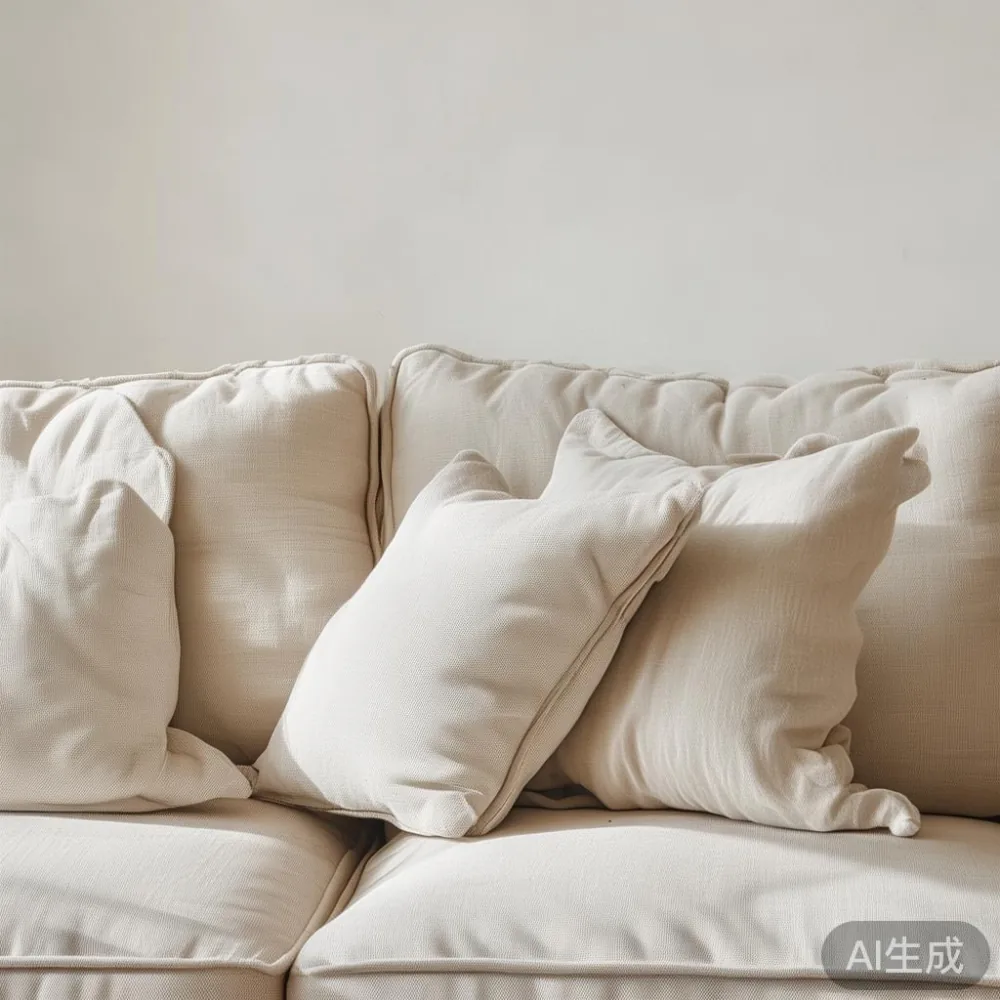
This guide explains how to clean and maintain lacquered wood in Singapore, with practical advice on humidity, sunlight, lifting, spills, pets, and seasonal touch-ups. MIDHILL uses lacquer on selected solid wood pieces, including a solid wood sofa, bed frame, dining table, wardrobe, nightstand, and marble table, while its pet furniture is designed for homes where animals are part of daily life.
Why Does Lacquer Behave Differently in Singapore?
Lacquer is a clear or coloured coating applied over a prepared surface. It may be nitrocellulose, water-based acrylic, polyurethane, or a multi-layer finish used on furniture. Unlike an untreated timber surface, properly cured lacquer resists moisture on the uppermost layer, but its edges, joints, and any scratches can expose more vulnerable materials below.
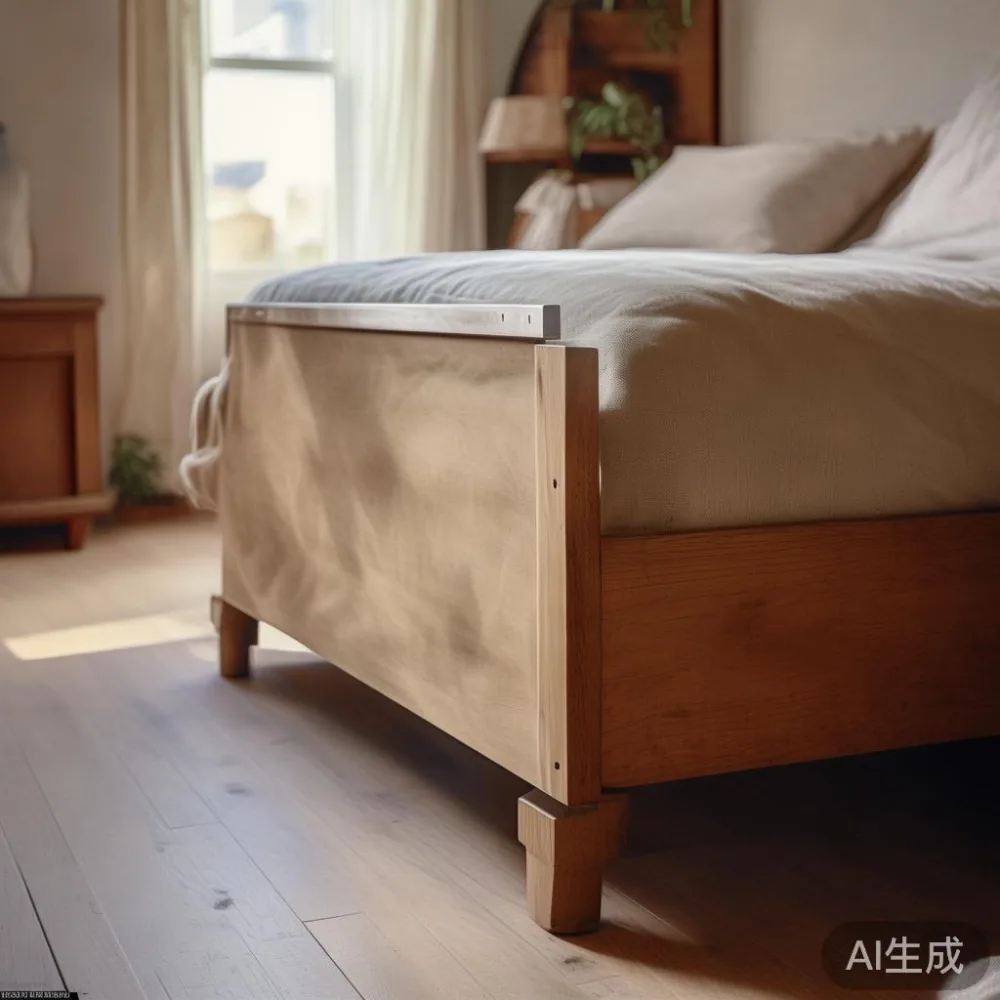
Singapore’s relative humidity commonly ranges from about 65% to 85% through much of the year. The Environment Singapore index for the previous month may be consulted before cleaning, though a household reading is less important than watching for visible condensation. A room can feel dry because of air-conditioning while an exterior wall remains warm. Moving a lacquered dining table 10 cm away from that wall may reduce repeated dampness.
Temperature changes matter too. A surface that moves from 23°C in an air-conditioned living room to 31°C near a corridor can expand slightly. Quality finishes are tested to tolerate normal movement; abrupt wetting, harsh cleaners, and damaged seals can still cause swelling, dulling, or fine checking. Lacquer should not be confused with a waterproof coating.

For buyers comparing forms, a search for American sofa vs Modern sofa can reveal different frame and cushion constructions, but the finish-care principle remains similar. American light luxury tends toward generous proportions and deep comfort, while post-modern light luxury often uses cleaner lines and mixed materials. Whatever the style, keep standing moisture and abrasive grit away from the lacquer.
What Supplies and Routine Should I Keep?
A small care kit is enough. Choose a clean, lint-free microfibre cloth about 20 cm square, a soft natural sponge, a soft nylon brush with 2 cm bristles, a neutral pH-7 cleaner, and a separate damp cloth for rinsing residue. A cotton swab can reach 5 mm into narrow grooves around hardware. Keep an eyedropper nearby for controlled application rather than flooding a joint.
For ordinary dusting, remove larger particles with the dry brush first. Dirt that rubs across lacquer under pressure can create fine scratches. A lacquered nightstand beside a bed should be vacuumed with a 10 cm nozzle or brush attachment held about 2 cm from the surface, then wiped with a lightly damp cloth.
Mix about 5 ml of mild, pH-neutral dish detergent with 500 ml of lukewarm water. More than 1% detergent can leave a sticky film that attracts dust. Apply the solution to the cloth rather than the furniture; the cloth should be damp, not dripping. Test an inconspicuous 5 cm area and wait 24 hours before checking for changes in sheen or colour.
Avoid acidic cleaners, bleach, alcohol, ammonia, “degreaser” concentrates, and polish containing silicone or wax. These products may appear to remove a mark quickly, yet they can soften lacquer, leave a hazy film, or reduce the grip of a later repair finish. A marble table needs its own stone-safe cleaner because acidic liquid can dull calcium-based marble.
How Do I Remove Dust, Hair, and Small Marks?
Start every 2 to 3 days with dry dust removal. For pet furniture near an entryway, use a rubber grooming glove or a brush with short, soft bristles. Vacuum pet furniture weekly with a smooth upholstery attachment; avoid a rotating brush if its bristles are rough. Keep hair from becoming embedded in textured fabric, but do not saturate the upholstered section with water.
For fingerprints on a lacquered panel, dampen the microfibre cloth with the diluted detergent solution and wipe along the grain in strokes no longer than 15 cm. Follow with a second clean, damp cloth. A 10 cm dish or coaster may mark the finish if it leaves a ring, so lift it instead of sliding it.
Fresh water marks can often be reduced by placing a clean cloth over the mark and pressing gently with a warm—not hot—towel for 30 seconds. Never use steam. Water beneath an intact lacquer film should not normally create a stain, so persistent marks may indicate a scratch, trapped moisture, or contamination from a cleaning product rather than ordinary humidity.
Small chips need a different approach. Place masking tape around the damaged 2 to 3 mm area, clean it, and use a lacquer repair pen matched to the sheen. Apply 1 thin coat, allow 4 to 6 hours, then reassess. Full refinishing can be discussed with MIDHILL, whose lifetime refinishing service provides a route for restoring furniture over its working life.
How Do I Protect Lacquer from Heat, Humidity, and Sunlight?
Keep lacquered furniture at least 60 cm from a window with direct sun and 90 cm from a heat source. Singapore’s midday UV index can exceed 8, and repeated exposure may fade colour or raise the surface temperature. Curtains or UV film reduce exposure without blocking airflow. In a west-facing Bedok condo, close the blinds before the afternoon sun reaches a wardrobe or bed frame.
Maintain a sensible distance from air-conditioner outlets. A cold draft followed by warm room air creates larger temperature swings, while a dusty outlet adds abrasive particles. Furniture should stand about 30 cm from an exterior wall in humid rooms. Use a hygrometer in the main living area and aim for roughly 45% to 65% relative humidity where the building allows it. Air-conditioning and dehumidification help during wet periods.
Do not place hot pans, kettles, mugs, or pet water bowls directly on the finish. A ceramic mug at 60°C can leave a ring or blister a thin lacquer layer. Use a coaster with a base of at least 8 cm, and replace felt when it is compressed or dirty. If the family eats at a dining table daily, clear crumbs before they lodge near the edge trim.
For homes with frequent visitors and pets, a coordinated pet furniture arrangement can protect the family’s main furniture without making the room look improvised. A scratching post at least 90 cm high, positioned beside—not directly against—a lacquered sofa, can redirect clawing. Feed pets on washable mats and keep water bowls in tiled zones. A 15 cm tray beneath a bowl helps catch splashes.
Can I Use Vinegar, Baking Soda, or Furniture Polish?
Vinegar is useful for some household tasks, but it should not touch lacquer. A pH of about 2.4 to 3 can dull the surface or soften some clear coats. A visible splash should be blotted immediately, then the area wiped once with plain water and dried. For deeper contamination, use the diluted pH-neutral detergent described earlier.
Baking soda is mildly abrasive and alkaline. Its fine particles can scratch a glossy finish when rubbed, and residue can remain in joints. Use it only when a product label confirms compatibility with lacquer, apply it as a paste rather than a powder, and remove it after 2 minutes. Polishes containing beeswax, carnauba, or silicone can create temporary shine but may complicate future refinishing. Clear or lightly tinted lacquer is generally maintained with diluted detergent and a clean cloth, not frequent polish application.
How Do I Care for Lacquered Pet Furniture?
Pet furniture receives a more demanding routine because claws, fur, saliva, urine, and paw grit meet the same surface. Separate liquid-base lacquer from fabric panels where possible. Check the underside and seams after cleaning, because a damp edge can be missed when the top feels dry. Lift the piece by its frame or base rather than the upholstered top, especially if it weighs more than 20 kg.
For a lacquered pet feeding station or storage cabinet, remove bowls and trays every day. Wipe the recess with a damp cloth, inspect for standing water, and let it air for at least 30 minutes before reinstalling the bowl. If a pet has climbed onto a pet bed, check for grit before wiping the lacquered frame. A damp pet’s claws can carry sand that behaves like an abrasive.
Upholstered pet furniture usually has a removable or washable textile, but the care label takes priority. Vacuum every week and wash only at the stated temperature. If a cover can be machine-washed at 30°C, check that it can be air-dried fully; a closed sofa or pet bed should not be reassembled while the foam remains damp. Keep cleaning solution away from exposed wood and lacquer.
For a coordinated living room, a low pet cabinet can sit near a sofa without blocking an HDB corridor. In a Tampines flat with a 90 cm internal corridor, a cabinet 45 cm deep leaves 45 cm for movement, while a bed frame placed at right angles to the corridor avoids a narrow pinch point. In a condo corridor, measure the door, lift, and turning space before delivery rather than relying on a catalogue image.
What Should I Do About Scratches, Peeling, or Bubbling?
Do not scrape, sand, or paint a damaged finish without identifying the lacquer system. If the surface scratches but the colour is intact, a matched touch-up product may work. If the coating has chipped to bare wood, the repair requires preparation and a compatible finish. If there are bubbles, a broad dull patch, or a musty smell beneath the lacquer, stop using moisture and have the piece assessed.
For pale scratches, place a clean, soft cloth over the area and move a warm iron barely above it for 5 seconds at a time. This can temporarily compress a shallow mark in some finishes, but it is not suitable for all lacquers or for dark, textured surfaces. Test away from the visible face, and never let the iron touch the wood. Professional repair is more predictable when several joints have lifted or the affected area is larger than 25 cm².
Deep scratches should not be filled with ordinary wood putty, which may shrink and show as a pale patch. A furniture conservator can choose a colour-matched binder fill or a lacquer retouch system. Photograph the damage under daylight and include a ruler for scale. Record the approximate date, cleaning products used, and whether the piece was exposed to water.
MIDHILL offers a 10-year structural warranty and lifetime refinishing, which can make repair planning easier for a solid wood dining table, wardrobe, or nightstand. Warranty and refinishing terms should be confirmed for the individual product, since finish coverage may differ from structural coverage.
How Do Delivery, Lifts, and GST Affect Furniture Care Planning?
A lacquered piece can arrive in excellent condition and still be damaged during installation. Singapore HDB lift dimensions and corridor turns differ between blocks, so provide the unit number, lift car dimensions, doorway widths, stair access, and turning radius before delivery. A dining table top of 180 cm may need tilting through a 90 cm door and turning within a 120 cm corridor. Two people should carry it if the assembled weight exceeds 25 kg.
Protect the surface during installation with a clean blanket or purpose-made cardboard, never adhesive tape directly on lacquer. Lift rather than drag pieces, and fit protective pads under every foot. Keep the packaging for 14 days if the item may be returned, but do not store timber parts in a humid balcony for months. MIDHILL provides 14-day returns and free shipping over US$350; local SGD checkout should confirm any applicable GST and delivery charge shown at payment.
Allow roughly 5 to 10 working days for standard production or dispatch depending on the piece and finish, with longer lead times for bespoke dimensions. Confirm the exact delivery date in writing. For a Weekend bed frame, check that the assembled frame fits the bedroom door and that the headboard does not obstruct the open position. Condo loading bays often require a booking, so include access restrictions in the delivery notes.
What Is the Simple Care Schedule for Singapore Homes?
Daily: wipe spills within 2 minutes, remove bowls from lacquered pet furniture, and dry standing water. Weekly: vacuum pet furniture, dust lacquer with a soft brush, and clean the feeding area with diluted neutral detergent. Monthly: inspect 5 high-risk spots—the dining table edge, nightstand ring, wardrobe side, pet cabinet recess, and windowsill-facing surface—under daylight. Twice a year, check silicone feet, felt coasters, finish edges, and humidity damage.
Use a simple maintenance log with 4 columns: date, product, treatment, and result. After 2 to 3 uses, stop using any cleaner that leaves haze or tackiness. If a water spill causes swelling, separate the item from the wall and contact a repair professional. If lacquer crazes across more than 50 cm², arrange an assessment before the finish begins lifting.
Style can shape the care routine. A French light luxury dining setting may use pale timber, marble, and reflective surfaces where fingerprints are noticeable. A post-modern light luxury room may combine lacquer with metal and glass, so cleaners approved for one material must not be transferred to another. Requests such as top 10 French furniture, Vintage for guest room, best Vintage sofa for 2026, best Italian light luxury sofa for 2026, or best Modern light luxury bed for 2026 can help define a visual direction, but material care should remain the deciding factor.
For a lacquered finish in Singapore, the dependable formula is low-moisture cleaning, controlled humidity, gentle contact, and prompt attention to damage. Protect the surface from pets without excluding them from the room, maintain a repair plan from the day the furniture arrives, and give each material the cleaner it actually needs.