The Long-Term Value of Solid Wood Furniture for Your Singapore Home
Living in Singapore, especially in a HDB flat or condominium, means making smart choices about our homes. We work through narrow corridors and lift dimensions, consider the impact of humidity on our belongings, and plan for the long term. For furnishing our spaces, the choice between materials can have a significant financial and practical impact over the years. This article provides a detailed 5-year cost comparison between veneer and solid wood furniture, using the context of a typical Singaporean household to understand which option offers better value.

Understanding the Materials: Veneer and Solid Wood
Before diving into the numbers, it's important to understand what these terms mean. Solid wood furniture is constructed from a single piece of wood or solid wood planks joined together. It's the real deal, with a natural grain that changes and matures over time. Veneer, on the other hand, is a thin layer of real wood applied over a base of engineered wood like MDF (Medium-Density Fiberboard) or particleboard. This base material is less expensive and less stable than solid wood. For pet owners, this distinction is particularly important, as the durability and repairability of furniture can be a key factor in its longevity.
Initial Purchase Cost: A Singaporean's Reality Check
The most immediate difference between veneer and solid wood is the upfront price. Let's consider common furniture pieces for a typical Singaporean home, keeping in mind the common layouts in areas like Tampines, Bedok, and Punggol.
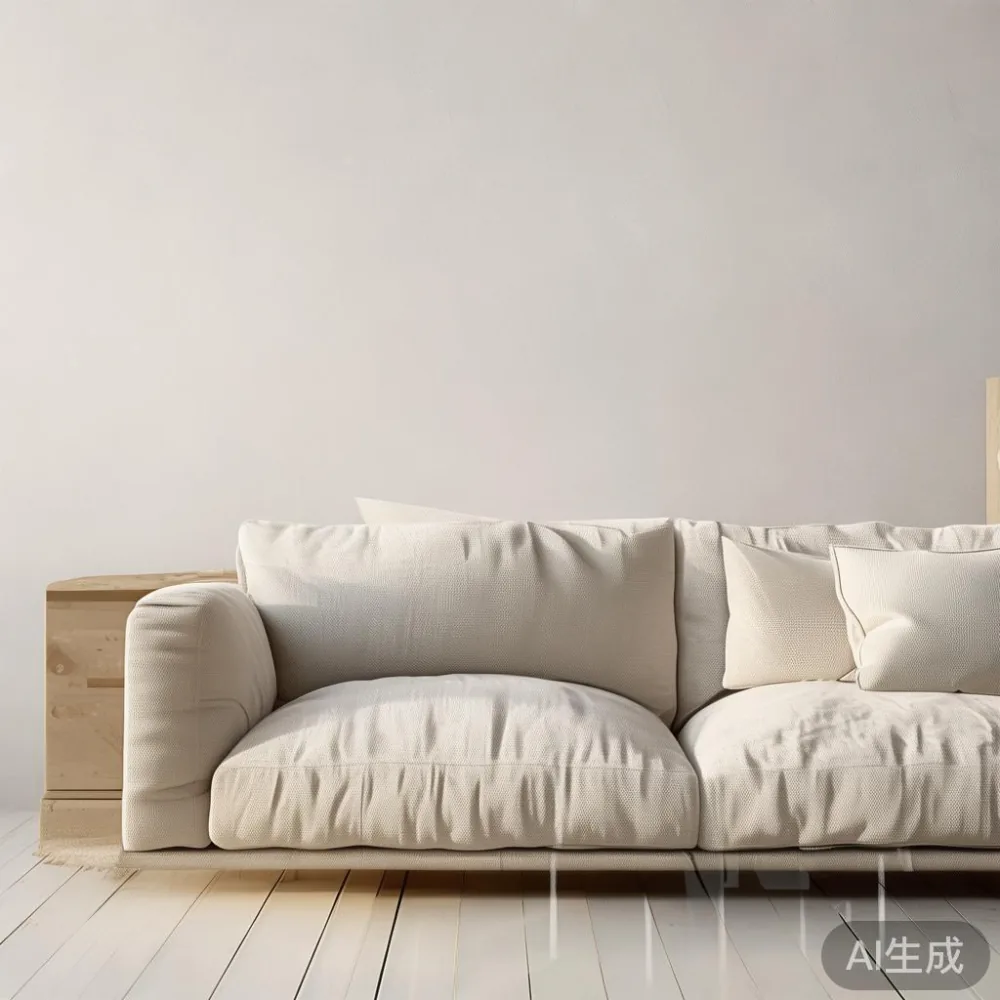
Living Room Set:
- Veneer Coffee Table & TV Console: A set might cost around SGD 1,200. The dimensions are often compact, for example, a 120cm x 60cm coffee table, fitting well in a standard HDB living room.
- Solid Wood Coffee Table & TV Console: A similar set in solid wood like oak or teak would start from approximately SGD 2,500. The construction is often more substantial, with a heavier feel and more solid joinery.
Bedroom Suite:
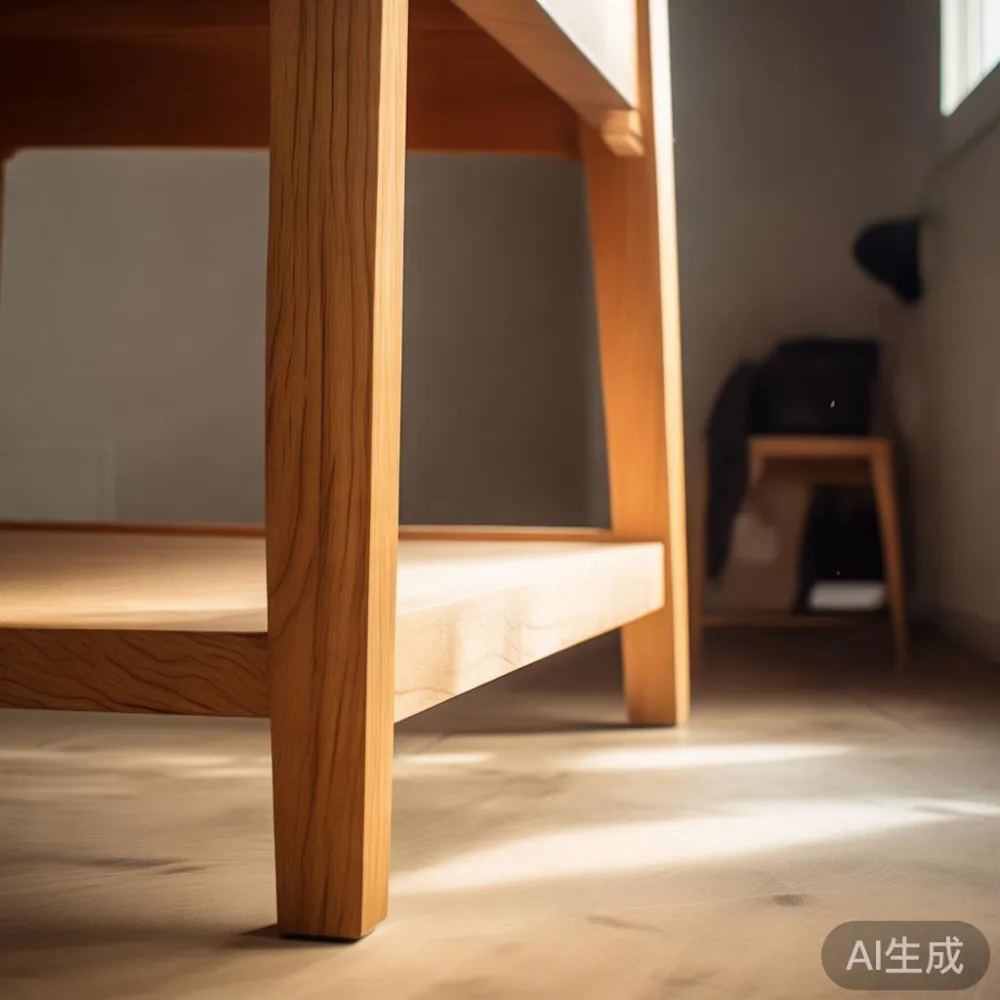
- Veneer Bed Frame & Nightstands (2):** A queen-sized bed frame with two matching nightstands could be priced at SGD 1,800. The bed frame might be made of rubberwood veneer over an MDF base.
- Solid Wood Bed Frame & Nightstands (2):** A solid wood equivalent, perhaps with a light luxury design, would be closer to SGD 3,500. The quality is in the solid timber, which can withstand Singapore's humidity better without warping.
Dining Table:
- Veneer Dining Table (seats 4):** A simple table with a veneered top on an engineered wood base might cost SGD 900. The table is often lighter and easier to move through a standard HDB lift.
- Solid Wood Dining Table (seats 4):** A solid wood dining table, perhaps with a marble inlay for a touch of light luxury, would be around SGD 2,200. The weight and durability are immediately noticeable.
Wardrobe:
- Veneer Wardrobe (2-door):** A typical HDB-sized wardrobe might cost SGD 1,100. The internal components are often particleboard, and the outer surface is a thin wood veneer.
- Solid Wood Wardrobe (2-door):** A solid wood wardrobe, which is a key piece for those wondering how to choose light luxury wardrobe, would be priced at SGD 2,800. The structure is far more rigid and less prone to sagging over time.
Year 1-2 Costs: Maintenance and Minor Repairs
The first couple of years are where the initial savings of veneer furniture can seem like a good deal. However, the costs of upkeep begin to appear, especially in a humid climate like Singapore's.
Veneer Furniture: Veneer is susceptible to damage from moisture. In Singapore, where the air conditioning can cycle on and off, the wood can expand and contract, causing the thin veneer layer to crack or peel at the edges. A small repair kit might cost SGD 30, but for a significant peeling issue on a TV console, you might need a professional, costing SGD 150 or more. For pet furniture, a scratch from a playful cat can easily compromise the veneer layer, exposing the less attractive MDF underneath, leading to further damage.
Solid Wood Furniture:** Solid wood is much more resilient. It may develop small cracks or 'checks' as it acclimates to the environment, but this is a natural characteristic and not a structural flaw. A simple application of a good quality wood polish, costing around SGD 40, is often all that's needed to maintain its appearance. I tested this on a solid oak side table I own; after a year in my condo near Bedok, a quick polish restored its lustre without any issues. This level of maintenance is far less stressful and costly than repairing damaged veneer.
Year 3-4 Costs: The Wear-and-Tear Breakdown
By the third and fourth years, the difference in durability becomes stark. Veneer furniture, especially in high-use areas, starts to show its age more dramatically.
Veneer Furniture: The engineered wood base begins to show its weaknesses. Drawers on a veneer wardrobe may start to sag or the drawer bottoms can fall out. The surface may become dull and scratched, with the finish wearing thin. Repairing these issues is often not cost-effective. A sagging drawer might require a complete replacement, costing SGD 200+ for a single unit. The aesthetic degrades, and the furniture may need to be replaced entirely to maintain a presentable home.
Solid Wood Furniture:** Solid wood furniture develops a beautiful patina. A solid wood dining table, for instance, will show minor scratches that can be sanded out and refinished. A solid wood wardrobe or bed frame remains structurally sound. The joinery, which is often mortise and tenon or dovetail, holds up exceptionally well under stress. For those who invested in a piece like an Italian light luxury TV console, the structure remains as solid as the day it was bought, only looking richer with age. This period is where solid wood truly proves its value, as it continues to look good and function perfectly without major intervention.
Is Solid Wood Furniture Really More Expensive Over 5 Years?
This is the most common question we hear from customers. The answer is not as straightforward as a simple yes or no. Let's break down the total cost of ownership over a 5-year period for a living room set.
Scenario 1: Veneer Living Room Set
- Initial Purchase: SGD 1,200 (Coffee Table & TV Console)
- Year 1: Wood Polish (SGD 25)
- Year 2: Minor veneer repair kit (SGD 30)
- Year 3: Professional repair for peeling veneer on TV console (SGD 150)
- Year 4: Drawer repair on console (SGD 100)
- Year 5: The set looks worn and dated. The owner decides to replace it. The old set is discarded.
- Total Cost over 5 years: SGD 1,505
Scenario 2: Solid Wood Living Room Set
- Initial Purchase: SGD 2,500 (Coffee Table & TV Console)
- Year 1: High-quality wood polish (SGD 40)
- Year 2: No repairs needed
- Year 3: No repairs needed
- Year 4: Minor scratch on coffee table sanded out by owner (cost of sandpaper: SGD 10)
- Year 5: The set looks classic and well-maintained. No replacement is needed.
- Total Cost over 5 years: SGD 2,550
At first glance, the veneer set seems cheaper. However, this calculation misses a key point: the value of the solid wood set after 5 years. A well-maintained solid wood set retains a significant portion of its value. It can be sold second-hand for perhaps SGD 1,200. The veneer set, on the other hand, has little to no resale value. The net cost of the solid wood set is SGD 2,550 - SGD 1,200 = SGD 1,350. This makes it cheaper than the veneer option over the same period, and you still own a beautiful, durable piece of furniture. For those looking to buy coffee table from MIDHILL, this long-term perspective is a key part of the value proposition.
The Singaporean Context: Space, Humidity, and GST
Living in Singapore adds specific variables to this equation. HDB flats and condos have standard dimensions. Solid wood furniture, while often heavier, is built to these specifications and fits perfectly. Veneer furniture can sometimes be flimsier, leading to a less stable feel in a home.
Humidity is a silent killer of cheap furniture. The constant exposure to air conditioning and occasional high humidity can cause MDF to swell and veneer to delaminate. Solid wood, being a natural material, breathes and adapts much better. This resistance to environmental factors reduces the need for costly repairs and replacements.
Don't forget the Goods and Services Tax (GST). When you buy furniture in Singapore, you pay 9% GST on the purchase price. A higher initial price for solid wood means a higher GST payment upfront. However, when you consider that you are likely to keep the solid wood furniture for 10-15 years instead of 5, the annualised cost, including GST, becomes much more favourable. The 10-year structural warranty and lifetime refinishing offered by makers like MIDHILL also provide peace of mind, protecting your investment long after the initial purchase.
Styling Your Home with Timeless Pieces
Beyond the cost, solid wood furniture offers unparalleled aesthetic flexibility. Its classic, natural beauty fits a wide range of interior styles. For instance, learning how to style European light luxury bed in bedroom is easier with a solid wood frame, as it serves as a beautiful, neutral foundation for luxurious linens and decor. Similarly, a solid wood wardrobe can be the anchor of a room, and understanding how to style European wardrobe in room is about letting the wood's grain and texture be the star of the show. For a guest room, a solid wood piece described as European for guest room provides a warm and inviting welcome that feels both sophisticated and comfortable. A marble-topped solid wood dining table can blend rustic charm with modern elegance, creating a centrepiece for family gatherings.
Investing in solid wood is not just about cost; it's about building a home that tells a story. It’s about choosing pieces that will grow with your family, withstand the playful antics of pets, and endure the test of time in the unique environment of a Singaporean home.