How Humidity in Southeast Asia Affects Solid Wood Furniture — And What to Do About It in Your HDB or Condo
I visited a friend's resale flat in Bedok last month, and the moment I stepped into the living room, I noticed the wardrobe door near the kitchen was sticking. He had bought a beautiful 1.8-metre solid wood wardrobe six months earlier, and the seasoned teak was already swelling at the edges. Singapore's relative humidity hovers between 70% and 85% for most of the year, and that invisible moisture in the air is doing slow, quiet work on every piece of solid wood furniture in your home — from your bed frame to your dining table, from your nightstand to the new marble table you saved up for.

This guide is written for homeowners in Tampines, Punggol, and across the HDB heartland who have invested in solid wood and want to keep it looking right for the next decade. I will walk you through what humidity actually does to wood, why some designs handle it better than others, how to measure your home's conditions, and what daily habits will protect every piece — including the pet furniture your cat or dog uses every day. I have also included specific local context: lift sizes in newer BTOs, corridor widths in walk-up blocks, and what you can realistically fit through a 0.9-metre service door.
What does 80% humidity actually do to a solid wood dining table or bed frame?
Wood is hygroscopic. That means it constantly exchanges moisture with the air around it. When the relative humidity in a Tampines condo climbs to 82% during the December monsoon surge, a 200 cm oak dining table can absorb between 400 ml and 700 ml of water over a single week. The fibres swell — mostly in the tangential direction, sometimes by as much as 3% to 4%. On a flat tabletop, that extra width has nowhere to go, so it pushes upward and creates the slight "cupping" you might have noticed on older pieces. On a wardrobe door, the same expansion causes the door to bind against the frame, exactly what I saw in Bedok.
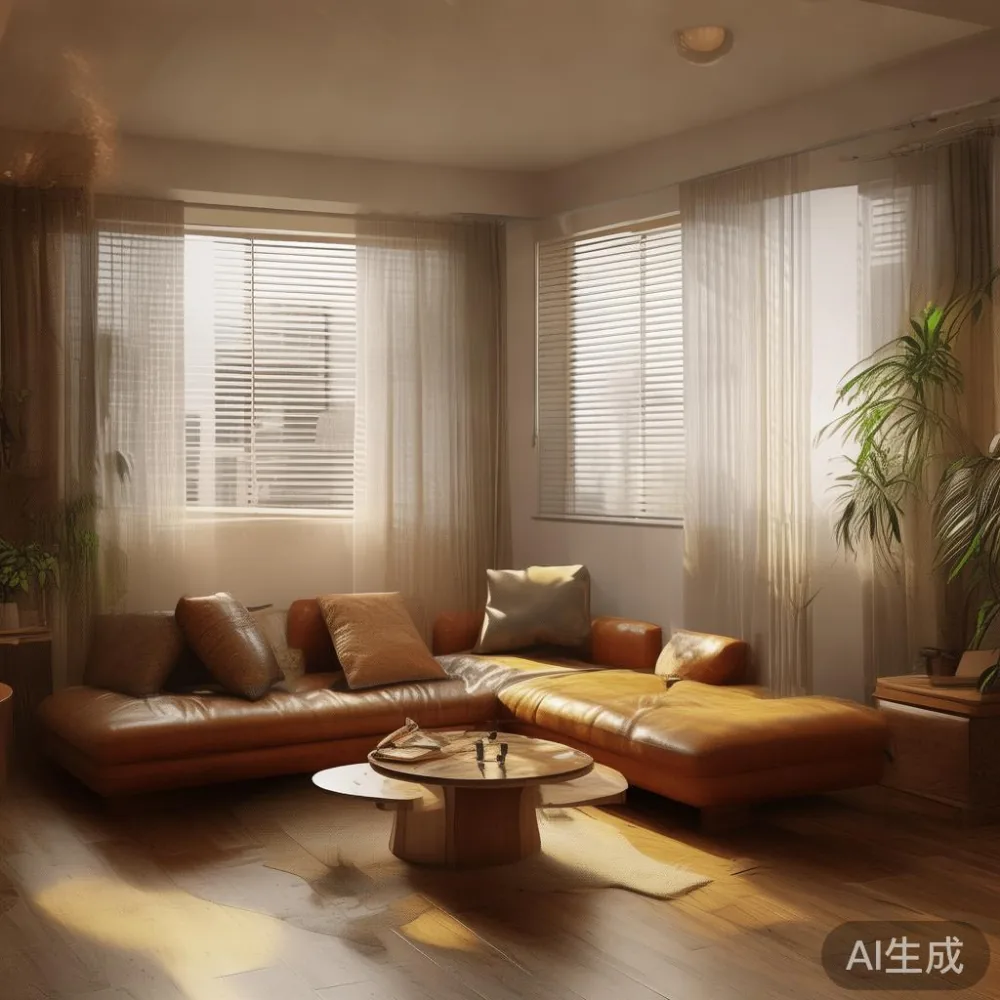
Then the dry spell hits. Indoor relative humidity in an air-conditioned HDB can drop to 45% on a February afternoon with the windows shut and the compressor running flat out. The wood now releases that stored moisture, shrinks back, and micro-cracks open at the joints. A solid wood sofa frame — particularly one built with traditional mortise-and-tenon joinery rather than staples — handles these cycles well if the wood was properly kiln-dried to 8% to 10% moisture content before construction. Anything above 12% and the movement becomes visible within a single year.
Why does a French provincial bed frame react differently from a post-modern light luxury design?
Design language matters more than people realise for humidity tolerance. A French provincial bed is built thick — the headboard panels can be 25 mm to 35 mm solid oak, the carvings are deep, and the proportions are generous. Heavy timber means a longer thermal mass, which slows down the rate of moisture exchange. In practical terms, a French provincial bed frame responds to humidity changes about 30% more slowly than a slimmer post-modern light luxury design with 18 mm panels. That is why many HDB couples searching for the best French bed for 2026 end up choosing a heavier provincial silhouette for the master bedroom — the bulk acts as a buffer against Singapore's daily swings.
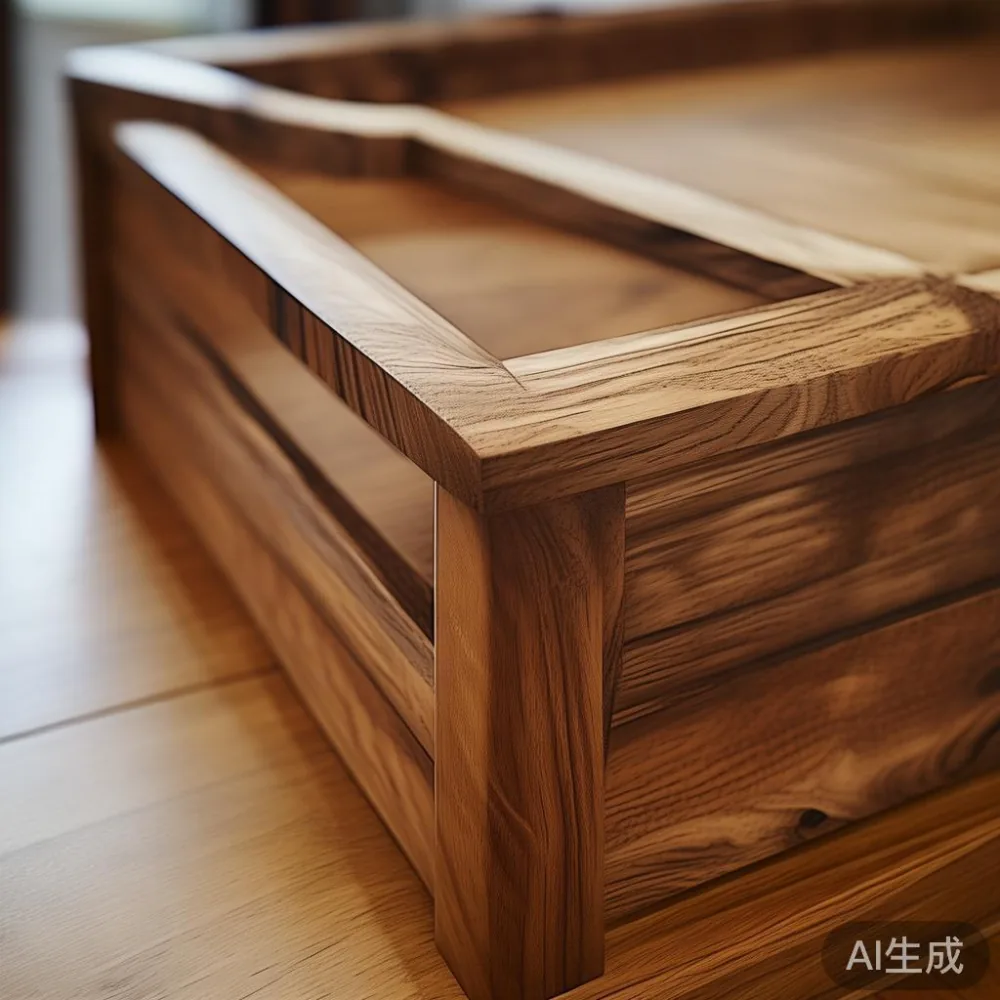
The reverse is also true: a light brown luxury sofa with thin oak armrests and visible joinery will show hairline cracks at the corners within two monsoon cycles if the indoor environment is not managed. That does not make the design wrong — it just means the piece needs a stable indoor climate of 50% to 60% RH. One of my colleagues in the industry keeps a calibrated hygrometer next to her showroom samples and refuses to display any piece longer than a week once indoor humidity climbs above 78%, because she has seen too many customer complaints about surface checks.
What humidity level should I keep my HDB flat at to protect solid wood and pet furniture?
The honest answer is between 50% and 60% relative humidity, all year round. Anything between 45% and 65% is acceptable for solid wood furniture; outside that range you are inviting problems. In a 90 sqm Tampines BTO with three aircon units running 8 hours a day during the wet season, you can usually hold 55% RH without much effort. In a walk-up flat in Bendemeer with single-pane windows and no aircon in the corridor area, you may see 72% RH for weeks at a time — that is where damage begins.
Pet furniture adds a second variable. A solid wood pet bed or feeding station in the living room will absorb not only ambient moisture but also the localised humidity from a water bowl, from wet fur after a post-walk shake-down, and from the dog's panting on hot afternoons. I keep a S$12 digital hygrometer next to my own cat's wooden perch, and the reading there is consistently 5% to 10% higher than the reading two metres away on the bookshelf. If you are buying pet furniture for a small HDB, choose designs with raised legs (at least 8 cm off the floor) so air can circulate underneath — trapped moisture under a closed base is the fastest way to grow mould on the underside of a solid wood pet bed.
How do I style and protect my pieces without ruining the look?
Styling a French provincial bed in a modern HDB master bedroom is a balance between aesthetics and air circulation. Push the bed at least 5 cm away from the wall — I know most showroom photos show it flush, but that gap is what lets the back of the headboard breathe. A 1.8 m x 2 m bed frame in solid oak weighs between 90 kg and 130 kg; you will need at least two people to position it, and you should never drag it across a vinyl surface because the leg ends will crush and trap moisture into the floor. Use felt pads (S$8 for a pack of 16 at any Tampines mall hardware shop) and lift, do not push.
For the dining room, Japandi styling has become the default in newer Punggol condos because the clean lines and pale ash tones forgive seasonal expansion better than dark walnut. If you are setting up Japandi for dining room, leave 10 mm expansion gaps around fixed cabinetry and avoid floor-to-ceiling built-ins that lock the wood in on all sides — that is the configuration which causes the worst seasonal cracking. A round dining table with a single pedestal base tolerates humidity shifts better than a four-legged rectangular one, because the central column allows the top to move evenly.
If your taste runs more to American light luxury — oversized sectionals, deep cushions, and a chunky marble table as the centrepiece — be aware that marble is also porous and will etch in high humidity if not sealed annually. The wooden base under a marble top is the part that actually fails first; keep a tray under plant pots and never let a wet glass sit directly on the marble surface overnight.
Can solid wood furniture really last 15 years in Singapore's climate?
Yes, but only with three habits in place. First, control the indoor humidity with a dehumidifier in the non-aircon rooms — a 12-litre Meaco or similar runs about S$220 and pays for itself in avoided warping within two years. Second, keep the wood fed with a hard wax oil every 12 to 18 months; this slows moisture exchange dramatically. Third, deal with spills within the first 30 minutes — pet water bowls, in particular, should sit on a cork or stone coaster, not directly on a wooden surface.
MIDHILL has been exporting solid wood pieces from its Foshan base since 2008 and now ships to 15+ countries, including Singapore, with kiln-drying standards that target 8% to 10% moisture content for tropical climates. Their 10-year structural warranty and lifetime refinishing service exist precisely because the brand expects pieces to live through Singapore's humidity cycles. If you ever notice a crack wider than 2 mm or a joint that has opened more than 4 mm, refinishing — not replacement — is the correct fix, and a lifetime refinishing policy means you only pay shipping once.
For homeowners browsing for sale rustic furniture in the secondary market, do the knock-test in our flat before paying: tap the underside of a tabletop with your knuckle. A dull thud means the wood is damp and likely to keep moving; a clean, high tap means it has stabilised. And ask for the kiln-drying certificate. Any maker who kiln-dries properly will have one.
Does pet furniture need different care from regular solid wood pieces?
Pet furniture does, and the differences are practical rather than cosmetic. Cat trees and dog platforms take more physical impact than a dining table or nightstand — a 6 kg cat jumping from a 1.5-metre cat tree delivers roughly the same force as an adult sitting down hard on a dining seat, repeated thirty times a day. Solid wood pet furniture should therefore use joinery rated for human-grade seating, not the staples-and-glue construction common in cheaper pet products. Look for mortise-and-tenon or dowel joints at every load-bearing corner, and check that the platforms are at least 22 mm thick rather than the 12 mm plywood typical in mass-market cat trees.
Cleaning is the other issue. Pet hair, dander, and the occasional accident mean pet furniture gets wiped down far more often than a wardrobe or bed frame. Use a damp microfibre cloth — never a wet one — and a pH-neutral wood soap (S$18 to S$25 for 500 ml). Avoid anything with silicone, ammonia, or citrus oils, because these will break down hard wax oil finishes within a few months. With a 6 kg cat and a 12 kg dog in a 75 sqm flat in Punggol, I wipe down the cat's wooden perch every Saturday morning; that single habit has kept the finish intact for three years now, through two monsoon seasons and one major renovation.
How wide is a lift in a 2024 BTO, and what does that mean for delivery?
Newer BTOs in Tampines North and Punggol have lifts with internal dimensions of approximately 1.6 m wide by 1.5 m deep and a doorway of 0.9 m. A solid wood bed frame from MIDHILL typically ships in two boxes — one for the headboard and footboard, one for the side rails and slats. The headboard box for a 1.8 m French provincial bed is usually 195 cm long by 60 cm wide by 25 cm deep, and weighs between 35 kg and 50 kg. Two deliverymen can carry it horizontally into the lift without issue. The same bed in a rustic reclaimed-wood style can weigh 80 kg per box, which is when you need to check the lift weight limit — most HDB lifts are rated for 1,000 kg or 16 people, so weight is rarely the constraint, but the box dimensions are.
Corridor widths in walk-up blocks built before 2000 are typically 1.2 m to 1.4 m, which can make it impossible to rotate a 2 m wardrobe panel around the corner from the lift lobby to the unit. Measure your corridor turn before ordering. A good delivery team will pre-walk the route on the morning of delivery; MIDHILL's team offers this as part of their service for Singapore orders, and it is worth asking for when you confirm your slot. Standard delivery in mainland Singapore is 2 to 4 working days from the Singapore warehouse, with free shipping on orders above US$350 (approximately S$475 at current rates).
What should I check during the 14-day return window?
Singapore consumer law gives you certain protections, but most premium makers — MIDHILL included — offer a 14-day return window on top of that. Use it. Within the first two weeks, do three checks: open and close every drawer and door on wardrobes and nightstands ten times to confirm no binding; run your hand along every tabletop to feel for cupping or raised grain; and place a spirit level on every horizontal surface to confirm nothing is warped more than 2 mm over its full length. Document each finding with photos and timestamp. If you spot anything, raise it within the window — refinishing is a service for the long term, but manufacturing defects should be returned.
One last point on pricing. A solid oak dining table for six (180 cm x 90 cm) from a Foshan-direct brand lands in Singapore between S$1,400 and S$2,200 after GST, depending on finish and base design. A matching solid wood sofa frame in light brown luxury sofa styling runs S$2,800 to S$4,200 for a three-seater, again inclusive of 9% GST. Bed frames in French provincial styling start around S$1,800 for a queen and reach S$3,500 for a king with detailed headboard carving. Those numbers sit well below what a European equivalent would cost in a Wisma Atrium or Marina Square showroom, and the kiln-drying standard is the same. Browse the full range at www.midhill.co before you finalise your shortlist.
Take care of the humidity, take care of the finishes, and a solid wood piece bought today will still be solid in 2040 — even in Tampines, even in December, even with a cat on the headboard.