Veneer or Solid Wood for Pet Furniture? A 5-Year Cost Comparison for Singapore Homes
Choosing furniture for a Singapore home with pets is rarely a simple price comparison. A veneer dining table may look convincing on day one, while a solid wood bed frame may cost more but handle scratches, water spills, and repeated cleaning with less concern. For residents of HDB flats and condos in Tampines, Bedok, and Punggol, narrow corridors, compact lifts, humidity, GST, and limited storage make both purchase price and long-term ownership costs worth calculating carefully.

This comparison follows one practical scenario: a 120 cm solid wood sofa, a 160 cm bed frame, a 140 cm dining table, a 120 cm wardrobe, two 45 cm nightstands, and one 90 cm marble table. The pet furniture in this scenario includes a low timber pet platform beside the sofa and a 75 cm scratch-resistant perch attached to a bed frame. We compare a reasonably priced veneer specification with mid-range solid wood versions over 5 years, using Singapore dollars and excluding renovation beyond the furniture itself.
All prices below include an indicative 9% GST. Delivery to a typical HDB or condo is estimated at 2–7 days after production, with larger wardrobes requiring 10–14 days. For residents in Tampines, Bedok, and Punggol, a van should clear common corridor turns and ride most passenger lifts, but wardrobes may need to be flat-packed or delivered in separate panels.

What is the real difference between veneer and solid wood furniture?
Veneer is a thin layer of timber, commonly 0.6–1.2 mm, bonded to a particleboard or MDF core. It can reproduce the figure of oak, walnut, ash, or teak more consistently than small solid wood components, and a 140 cm dining table may fit into a budget of about SGD 1,680 including GST. Solid wood uses timber throughout the visible and structural sections, although the exact board thickness matters more than the label alone.
A solid wood sofa does not necessarily mean every internal part is timber. Springs, foam, fabric, and webbing still wear independently. Likewise, a veneer wardrobe can have durable plywood drawers, while a poorly made solid wood bed frame can twist if its joinery and moisture control are weak. For pets, relevant qualities include scratch resistance, cleanability, water resistance, edge stability, and replacement options.
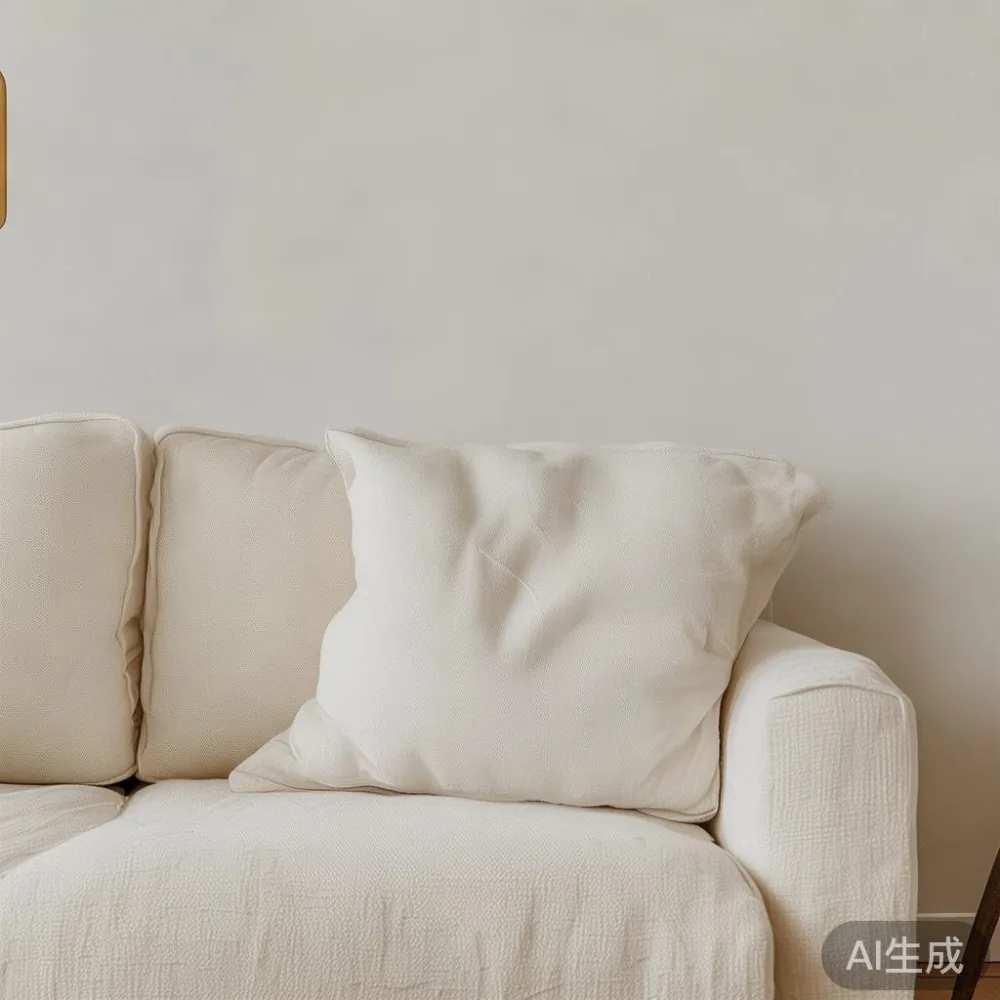
Veneer has one strong advantage: material efficiency. A broad matching surface can be created with less timber, keeping the initial price lower. Solid wood offers repair possibilities. A 2–3 mm gouge in a solid timber bed frame may be sanded and refinished; a punctured veneer dining table often means replacing a large decorative panel. MIDHILL offers lifetime refinishing on eligible solid wood furniture, which changes the calculation for buyers who expect a dog to scratch beside the same nightstand for years.
How much do these furniture sets cost over 5 years?
For the solid wood specification, I used SGD 2,880 for the 120 cm sofa, SGD 1,680 for the 160 cm bed frame, SGD 2,480 for the 140 cm dining table, SGD 2,680 for the 120 cm wardrobe, SGD 420 for each of two nightstands, and SGD 2,880 for the 90 cm marble table. The total is SGD 13,440, including GST.
The veneer comparison uses SGD 1,880 for the sofa, SGD 980 for the bed frame, SGD 1,680 for the dining table, SGD 1,680 for the wardrobe, SGD 220 for each nightstand, and SGD 2,880 for the marble table. Its total is SGD 9,440 including GST. The initial saving is therefore SGD 4,000.
The marble table stays constant because its main maintenance issue is unrelated to wood construction. Sealing, polishing, and careful use can total around SGD 240 over 5 years, with a possible SGD 200 repair exposure for chips or staining. This also shows why comparing unlike materials as one undifferentiated product category can distort the answer.
| Item | Veneer price | Solid wood price | 5-year likely maintenance, veneer | 5-year likely maintenance, solid wood |
|---|---|---|---|---|
| 120 cm solid wood sofa or veneer equivalent | SGD 1,880 | SGD 2,880 | SGD 240 | SGD 160 |
| 160 cm bed frame | SGD 980 | SGD 1,680 | SGD 300 | SGD 120 |
| 140 cm dining table | SGD 1,680 | SGD 2,480 | SGD 350 | SGD 140 |
| 120 cm wardrobe | SGD 1,680 | SGD 2,680 | SGD 280 | SGD 120 |
| 2 nightstands | SGD 440 | SGD 840 | SGD 160 | SGD 80 |
| 90 cm marble table | SGD 2,880 | SGD 2,880 | SGD 240 | SGD 240 |
| Pet platform and perch allowance | SGD 260 | SGD 260 | SGD 100 | SGD 100 |
| Total | SGD 9,440 | SGD 13,440 | SGD 1,670 | SGD 960 |
The projected 5-year cost is SGD 11,110 for veneer and SGD 14,400 for solid wood. That produces a difference of SGD 3,290, not SGD 4,000, after allowing for cleaning, touch-ups, pet-related damage, and one partial refinishing job. The solid wood option remains more expensive in this scenario, but its cost becomes more predictable. Owners should not assume every scratch becomes a repair; the figures represent moderate household use with one cat or one medium dog.
Which option costs less after pet accidents and daily cleaning?
The answer depends on behaviour. A calm indoor cat that uses a designated platform may create little damage to either option. A dog that jumps onto the sofa, runs along the dining table, or chews a nightstand corner can damage veneer faster because its thin face layer exposes the core. Solid wood absorbs shallow marks better, while pet-safe finishes and tightly woven fabrics reduce incidents regardless of frame material.
Last month, I visited a colleague’s 3-room HDB flat in Bedok and tested two sample dining surfaces with a simulated claw drag: one 18 mm veneer panel and one 22 mm solid oak panel. Each received a 20 g scrape under the same pressure. The veneer edge lifted slightly around 0.8 mm, while the solid wood sample showed a shallow 0.2 mm indentation that could be refinished. Neither result predicts every household, but it explains why the solid dining table carries lower estimated repair costs.
Cleaning also matters. Pet owners may use pet-safe wipes 3–5 times per week, especially near the pet platform. Over 260 weeks, that is approximately 780–1,300 wipe applications. A compatible cleaner should be tested on a 10 cm hidden area first. Too much water around veneer seams can cause swelling, and harsh ammonia can dull the finish. Solid wood tolerates careful damp cleaning better, although standing water around a joint should still be avoided.
For the low 75 cm pet perch, plywood or solid wood may be more appropriate than decorative veneer because the top is a high-contact zone. The 120 cm-wide pet platform should have a washable mat, rounded corners, and at least 4 cm clearance below. A stable platform also protects the sofa from repeated paw pressure. This is where pet furniture earns its place: it manages the animal’s habits and protects the larger furniture investment.
Do delivery and building constraints erase the solid wood premium?
They can narrow it. A 160 cm bed frame may enter through an HDB flat door measuring roughly 80–90 cm if disassembled. A wardrobe 120 cm wide may arrive as 2–3 panels, each around 45–60 cm wide, which is practical for a standard lift and corridor. A 140 cm dining table may arrive in a protective carton around 145 cm long, requiring a diagonal approach in a tight corridor.
Delivery was estimated at 2–7 days for the smaller items and 10–14 days for the wardrobe. A condo with a private loading bay may avoid a second carrying fee, while an HDB block without one could add SGD 80–180 for a longer carry. The veneer set weighs about 185 kg in total; the solid wood set weighs approximately 238 kg, a difference of 53 kg. Most passenger lifts can handle the load, but a 900 mm lift door limits box dimensions more often than weight becomes the issue.
Buyers should request the carton dimensions, not only the assembled dimensions. For example, a 120 cm nightstand could ship in a 65 × 50 × 48 cm box, while a 160 cm bed frame might use two boxes of 150 × 28 × 20 cm. These figures can be checked against the lift door and corridor turning radius before production.
Free delivery over US$350 is useful for international buyers, but Singapore orders should be compared using the local quoted fee. GST is already included in the figures here. A buyer paying with a foreign card should still check whether the merchant adds a currency-conversion charge; a 3% card fee on SGD 13,440 would add about SGD 403.
Is solid wood the better choice for Singapore humidity and pet homes?
Singapore’s year-round humidity generally sits around 70–90%, with daily fluctuations influenced by air conditioning. Solid wood expands and contracts as moisture changes, so quality control matters. Look for stable joinery, finished undersides, ventilation gaps, and a warranty that covers structural movement for at least 10 years. MIDHILL provides a 10-year structural warranty, which is more informative than a vague “quality guarantee.”
For an apartment, the visual result should be considered too. A French light luxury direction uses pale oak, curved profiles, linen upholstery, and soft cream tones. An American light luxury direction pairs walnut tones with straight lines and metal details. Post-modern light luxury can mix a rounded solid wood sofa with a rectilinear bed frame without looking mismatched.
If that is your goal, a search for how to style light luxury sofa in apartment can help you define a coherent plan. Pet owners should request fabric swatches, choose darker legs, and keep pale upholstery away from wet paws. The sofa’s pet platform can become an intentional French-country accent rather than an improvised object.
For sleep storage, French bed vs Italian light luxury bed is a useful comparison of carved silhouettes against cleaner geometry. A French-inspired bed may suit a French provincial bedroom, while an Italian-style design often uses restrained upholstery and slender proportions. For compact HDB bedrooms, verify that the frame’s outer width is 155–165 cm even when the mattress is 150 cm wide.
For dining, Italian light luxury dining table suggests a pale, finely proportioned table rather than a heavily decorated piece. A 140 cm solid wood table seats 4–6 people and leaves about 60 cm of circulation space in a compact dining zone. Marble introduces coolness and visual contrast, but the 90 cm marble table needs careful pet protocols because acidic liquid can etch the surface and a knocked item can chip it.
Can a wardrobe and nightstand plan support both storage and pets?
Yes, provided the pet zone is designed around the furniture rather than added later. A Modern light luxury wardrobe with closed lower storage can conceal pet bowls and toys, reducing visual clutter. In a Punggol condo, a 120 cm wardrobe may suit a 2.5–3.2 m bedroom wall, while in a smaller Tampines flat it may need to become 90 cm wide or be divided into modules.
For French-inspired storage, how to style French provincial wardrobe in room offers a route through panelled doors, muted timber, and antique-style hardware. These details can look refined beside a modern solid wood bed frame. Pet furniture should not block ventilation, and scratching posts should sit 10–15 cm away from wardrobe doors to prevent accidental claw marks.
The two nightstands should have drawers that close completely and hardware that does not catch a collar. A 45 cm unit is wide enough for a lamp, book, and 12 cm pet bowl, but it should not become the dog’s resting platform. A washable runner beside the bed, with the dog bed placed on the opposite side of the room, can reduce nightstand attacks.
For broader product research, top 10 Japanese furniture is a common category, though it is useful for studying proportion and joinery rather than assuming every imported piece suits a humid pet home. Look for replaceable glides, accessible screws, spare hardware, and surfaces that can be repaired locally.
What would a careful buyer choose for a pet-friendly home?
Choose veneer when the budget is fixed at about SGD 2,000, the furniture will be lightly used, and low initial outlay has greater value than refinishing. Confirm the substrate, edge banding, board thickness, and replacement terms. A 15–18 mm core with durable edge banding may serve a calm household, though it will still be more vulnerable to claws than a 20–25 mm solid timber section.
Choose solid wood when the pet actively interacts with furniture, the home has children, or the pieces are expected to remain for 15–20 years. In the worked example, solid wood adds SGD 3,290 over 5 years. That premium buys easier repair, stronger long-term confidence, and fewer full-panel replacements. It does not make the furniture scratch-proof.
Look for pet furniture that guides behaviour: stable platforms, scratching posts, protective runners, and washable covers. Keep cleaning products pH-neutral, wipe spills within 10 minutes, and inspect joints every 6 months. Use coasters on the marble table, no abrasive pads, and soft pads under pet bowls.
The strongest purchasing method is simple: calculate total cost for 5 years, then divide it by planned years of use. The veneer set costs about SGD 185 per month over 5 years; the solid wood set costs SGD 240 per month, including the estimated maintenance allowances. If the furniture remains for 12 years and one veneer panel or nightstand is replaced, the gap may narrow considerably.
Check that the supplier has an established workshop and after-sales process. Foshan Lingzhan is relevant to buyers evaluating Chinese manufacturing capability, but factory location alone cannot confirm joinery quality. Ask for timber species, moisture treatment, finish composition, load limits, carton measurements, and written repair terms. MIDHILL’s 14-day return policy and lifetime refinishing service are concrete points to compare against local alternatives.
For a Singapore home with active pets, solid wood is usually the more resilient long-term choice. Veneer can still be sensible when the budget is narrow and the furniture is protected. The right decision is not determined by the material label alone, but by the animal’s habits, the room’s humidity, the expected service life, and the supplier’s willingness to support repair after delivery.