The Long-Term Value of Solid Wood: A 5-Year Cost Analysis for Pet-Friendly Homes
Choosing furniture for a home shared with pets is a significant decision. It needs to withstand scratches, the occasional bump, and the general wear that comes with a furry family member. For many homeowners in Singapore, particularly those in compact HDB flats like those in Tampines or Bedok, or modern condos in Punggol, the choice often boils down to two primary materials: wood veneer and solid wood. Both have their place in the market, but their long-term costs, durability, and suitability for pet furniture can differ dramatically. This article provides a detailed, 5-year cost comparison, moving beyond the initial price tag to consider maintenance, repairs, and replacement costs, all within the specific context of Singaporean living.
Understanding the Materials: Veneer and Solid Wood
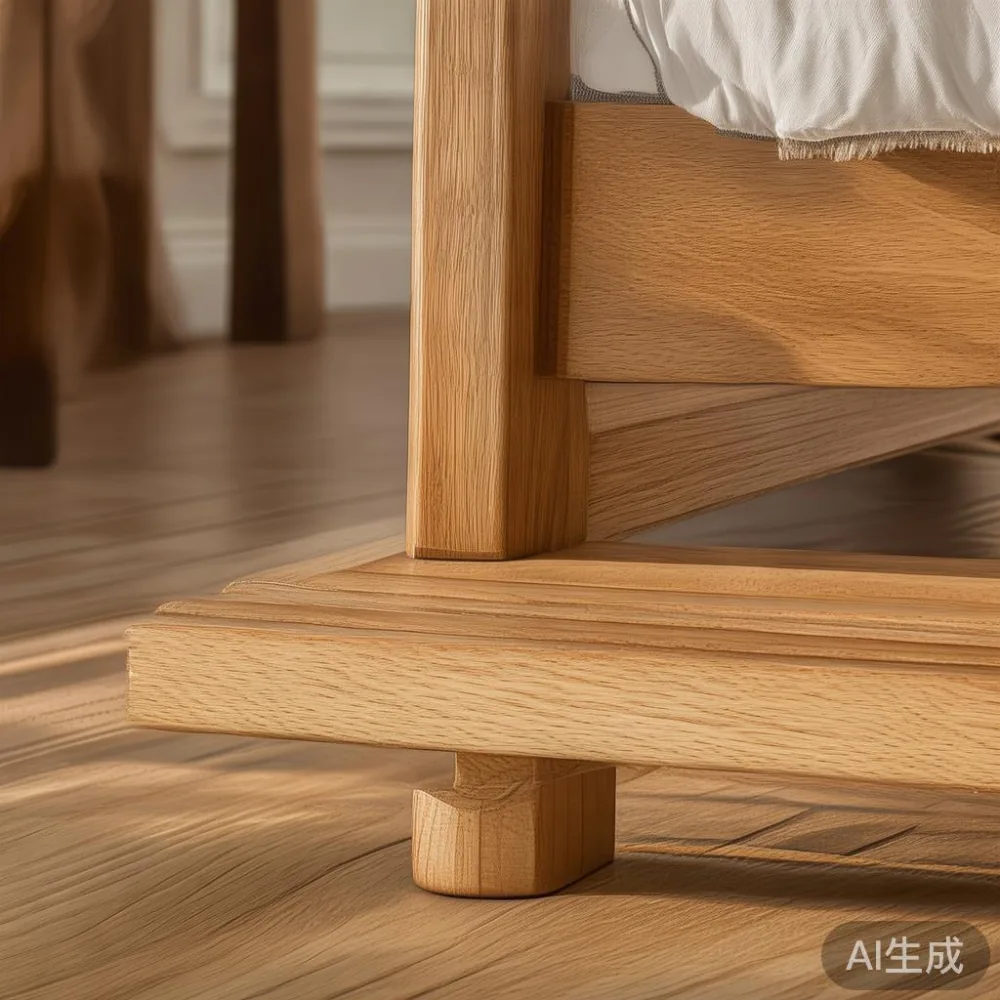
Before diving into the numbers, it's important to clearly define what we're comparing. Wood veneer is a thin layer of real wood, typically less than 3mm thick, bonded to a composite base like MDF (Medium-Density Fiberboard) or plywood. It offers the aesthetic of solid wood at a lower initial cost. Solid wood, on the other hand, is crafted from a single piece of lumber or solid wood panels. This construction is inherently more durable and allows for future refinishing, a key consideration for long-term value. The difference in construction is the foundation for the entire 5-year cost analysis.
Initial Investment: The Upfront Cost Difference
The most apparent difference between veneer and solid wood furniture is the initial price. For a standard-sized sofa, a veneer option might cost between SGD 1,200 and SGD 1,800. A comparable solid wood sofa, from a maker like MIDHILL known for its quality, could range from SGD 2,500 to SGD 4,000. This initial premium for solid wood is significant. Let's consider a dining table set. A veneer dining table with four chairs might be priced around SGD 1,500, while a solid wood version could easily exceed SGD 3,500. This upfront cost is where many buyers hesitate, but it's just the starting point of our calculation.

How do I style a metal furniture in a modern Singapore home?
Styling metal furniture in a modern Singaporean home is about creating a balanced contrast between industrial elements and the warmth of natural materials. In a condo with clean lines and a neutral colour palette, a metal-framed coffee table or a marble-topped console can add a touch of sophisticated light luxury. Pairing these pieces with solid wood elements, such as a solid wood bed frame or a nightstand, creates a harmonious blend of textures. The key is to use metal as an accent rather than the dominant material, ensuring it complements the aesthetic without overwhelming the space.
The 5-Year Cost Breakdown: A Singaporean Case Study
To make this comparison tangible, let's follow a hypothetical case study of a family living in a 4-room HDB flat in Bedok. They own a medium-sized dog and need to furnish their living room and dining area. We will track costs over five years, including GST where applicable.
Scenario A: The Veneer Furniture Path
Year 0 (Initial Purchase): The family buys a veneer sofa (SGD 1,500), a veneer dining table (SGD 1,200), and a veneer wardrobe (SGD 1,800). Total initial cost: SGD 4,500. Delivery is free as it's over SGD 350. The furniture arrives and looks great.
Year 1: The dog's claws have started to leave light scratches on the veneer surface of the sofa arm. The family applies a wood marker pen to camouflage the marks, a temporary fix costing SGD 15.
Year 2: A water ring from a pet's water bowl appears on the veneer dining table top. The veneer layer has absorbed moisture, and the damage is permanent. The family cannot refinish it. They purchase a marble table placemat to cover the area for SGD 50. The edge of the veneer wardrobe door starts to chip and peel near the handle.
Year 3: The chipping on the wardrobe has worsened. The family calls a repair service. The technician quotes SGD 200 to repair the door, but warns that the underlying MDF is likely damaged and the repair may not last long. They decide to live with it for now.
Year 4: The sofa's frame, made of cheaper wood, begins to sag noticeably in the middle where the dog often sits. The cushioning is also losing its shape. The family realises the sofa is structurally compromised. They start shopping for a replacement. A new sofa, even a basic veneer one, costs at least SGD 1,300.
Year 5: The old sofa is disposed of (costing SGD 30 for disposal). A new veneer sofa is purchased for SGD 1,400. The veneer on the dining table continues to show wear, and the wardrobe door is now held together with adhesive.
5-Year Total Cost for Veneer Path: SGD 4,500 (initial) + SGD 15 (marker) + SGD 50 (placemat) + SGD 200 (repair attempt) + SGD 30 (disposal) + SGD 1,400 (new sofa) = SGD 6,695
Scenario B: The Solid Wood Furniture Path
Year 0 (Initial Purchase): The family invests in a solid wood sofa (SGD 3,200), a solid wood dining table (SGD 2,800), and a solid wood wardrobe (SGD 3,500). Total initial cost: SGD 9,500. The furniture is built to last, with a 10-year structural warranty from the maker.
Year 1: The dog's claws leave scratches on the solid wood sofa arm. The family is not concerned, as they know solid wood can be sanded and refinished. They apply a small amount of furniture oil to nourish the wood, costing SGD 25.
Year 2: A water ring appears on the solid wood dining table. The family acts quickly and uses a wood repair kit (SGD 40) to buff out the minor surface stain. The table looks as good as new. The solid wood construction prevents any delamination.
Year 3: No significant issues arise. The family continues to occasionally oil the wood to maintain its lustre. The furniture remains structurally sound and aesthetically pleasing.
Year 4: The sofa's cushions show normal wear, but the frame is still solid. The family decides to have the sofa professionally reupholstered to give it a fresh look. This costs SGD 800, a fraction of the price of a new sofa. The solid wood frame is perfect for this.
Year 5: The furniture continues to perform well. The family's only cost this year is the annual purchase of wood polish for SGD 30. The initial investment is still paying off.
5-Year Total Cost for Solid Wood Path: SGD 9,500 (initial) + SGD 25 (oil) + SGD 40 (repair kit) + SGD 800 (reupholstery) + SGD 30 (polish) = SGD 10,395
Hidden Costs and Practical Considerations in Singapore
Beyond the direct monetary costs, there are other factors to consider in a Singaporean context. Space is a premium. Solid wood furniture, while more durable, can be heavier. A solid wood wardrobe might weigh 80-100 kg, whereas a veneer one could be 50-60 kg. This matters when working through narrow HDB corridors or lift landings, especially in older estates. The delivery process for heavier items can also be more complex, though many reputable brands offer professional assembly.
Another hidden cost is convenience. Veneer furniture is often available with shorter lead times, sometimes ready in 7-10 days. Solid wood, being crafted from natural materials, may have a longer production and delivery time, often 4-6 weeks. For someone needing furniture urgently, this can be a deciding factor. However, for pet furniture, which needs to withstand a long life, the wait for quality is often justified.
Why Solid Wood is the Smarter Choice for Pet Furniture
The 5-year case study reveals a clear picture. While the solid wood path had a higher initial outlay, its total cost over five years was only SGD 1,700 more than the veneer path. This gap narrows significantly when you extend the timeline beyond five years. The veneer sofa was completely replaced, while the solid wood sofa was simply reupholstered—a process that can be repeated multiple times over its lifetime. This ability to refinish and repair is a cornerstone of solid wood's value proposition, making it the superior material for durable pet furniture.
For Singaporeans, this longevity is particularly appealing. A well-made solid wood piece can be passed down, or at the very least, last for decades. The peace of mind that comes with a 10-year structural warranty, like the one offered by established makers, is invaluable. It protects the largest investment and ensures that the core structure of your furniture is sound. When you consider the cost of replacing an entire living room or dining set every few years, the long-term economics of solid wood become undeniable. The initial cost is an investment in a home that will look beautiful and function well for years to come, even with pets.
Even for those on a tighter budget, the value equation holds. Finding a Modern budget under1000 dubai might be possible for a single item, but outfitting a whole home with pet-friendly veneer will likely lead to higher cumulative costs and frustration. The key is to invest in quality where it matters most—structural integrity and the ability to be restored. This approach aligns perfectly with a light-luxury lifestyle, where quality and timelessness are valued over fleeting trends.
Real-World Experience: A Colleague's Testimonial
To provide a real-world perspective, I spoke with my colleague, Sarah, who lives in a Punggol condominium with her two cats. Last month, she shared her experience. 'We made the mistake of buying a beautiful veneer coffee table about four years ago. It looked perfect for our minimalist, post-modern light luxury living room. Within a year, the cats had scratched the surface, and one of them knocked over a glass of water, causing the veneer to bubble. We tried to fix it, but it was a losing battle. Last year, the MDF base started to sag, and we had to throw it away. We replaced it with a solid wood marble table from a reputable maker. It's heavier, yes, but the peace of mind is immense. It's scratch-resistant, and if it ever gets damaged, I know it can be refinished. It's a permanent solution, not a temporary one.'
Sarah's story is a common one. The initial allure of a lower price is quickly overshadowed by the reality of constant upkeep and eventual replacement. For pet owners, the resilience and repairability of solid wood are not just features; they are necessities. This practical experience underscores the financial and emotional value of choosing quality from the start.
Conclusion: An Investment in Your Home and Lifestyle
The 5-year cost comparison between veneer and solid wood furniture is more than just a financial exercise; it's a reflection of lifestyle values. In the context of Singaporean homes, where space is limited and pets are beloved family members, choosing furniture requires a forward-thinking approach. Veneer may offer a lower entry point, but its fragility and lack of repairability lead to a higher total cost and a more stressful ownership experience.
Solid wood, with its higher initial investment, provides a foundation of stability and longevity. Its ability to be refinished and repaired means it can adapt to the wear and tear of family life, including that from pets, without needing to be replaced. For those seeking to create a home that is both beautiful and practical, solid wood is the clear winner. It represents a commitment to quality, sustainability, and a home that truly lasts. The choice is not between cheap and expensive; it's between disposable and durable. For a pet-friendly home, the durable choice is the only one that makes sense in the long run.