Lacquered Wood Care in Singapore's Humidity: A Pet-Friendly Owner's Guide
I still remember the day my Burmese cat, Mochi, left four perfect claw marks across my friend's newly delivered solid wood dining table. The lacquer had held, but the scratches told a story every Singaporean pet owner recognises: choosing beautiful pet furniture in a climate that fights you back is one thing, keeping it beautiful is another. I visited a Tampines HDB flat last month where the owner had pulled a lacquered teak nightstand three centimetres away from the wall to fight a slow tide of mildew. In a country where the humidity rarely drops below 70 percent and the average HDB corridor width is about 1.2 metres, lacquer care is not a finishing touch. It is survival.
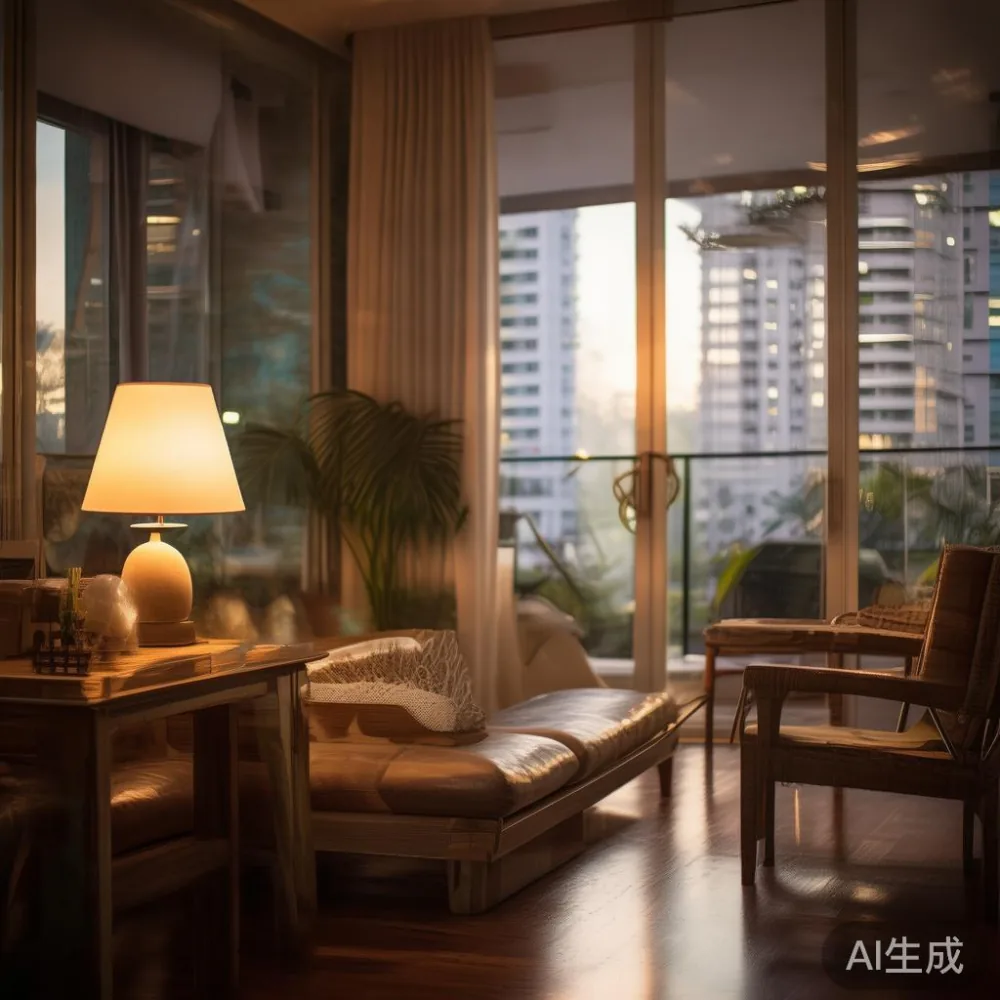
Why does Singapore's tropical climate attack lacquered wood differently than a dry region would?
Lacquer is a thin, glossy shell — typically 0.05 to 0.12 mm of cured resin — sealed over solid hardwood or engineered substrate. In a Tampines three-room flat with afternoon sun pouring through the east-facing window, surface temperatures on a dark walnut bed frame can climb past 38 °C while the air around it sits at 28 °C and 78 percent relative humidity. That swing — hot on top, wet underneath — is exactly what lacquer hates.
The science is straightforward. Wood moves. A 1.8-metre oak plank can expand or contract by roughly 4 to 6 mm across its width between a dry December morning and a wet August afternoon. In Singapore, you skip the dry season entirely. The wood stays slightly swollen, the lacquer stays slightly soft, and the bond between them is under constant, quiet stress. Add a cat that treats your wardrobe door as a climbing frame, and you have a finish that has to be both chemically stable and mechanically forgiving.
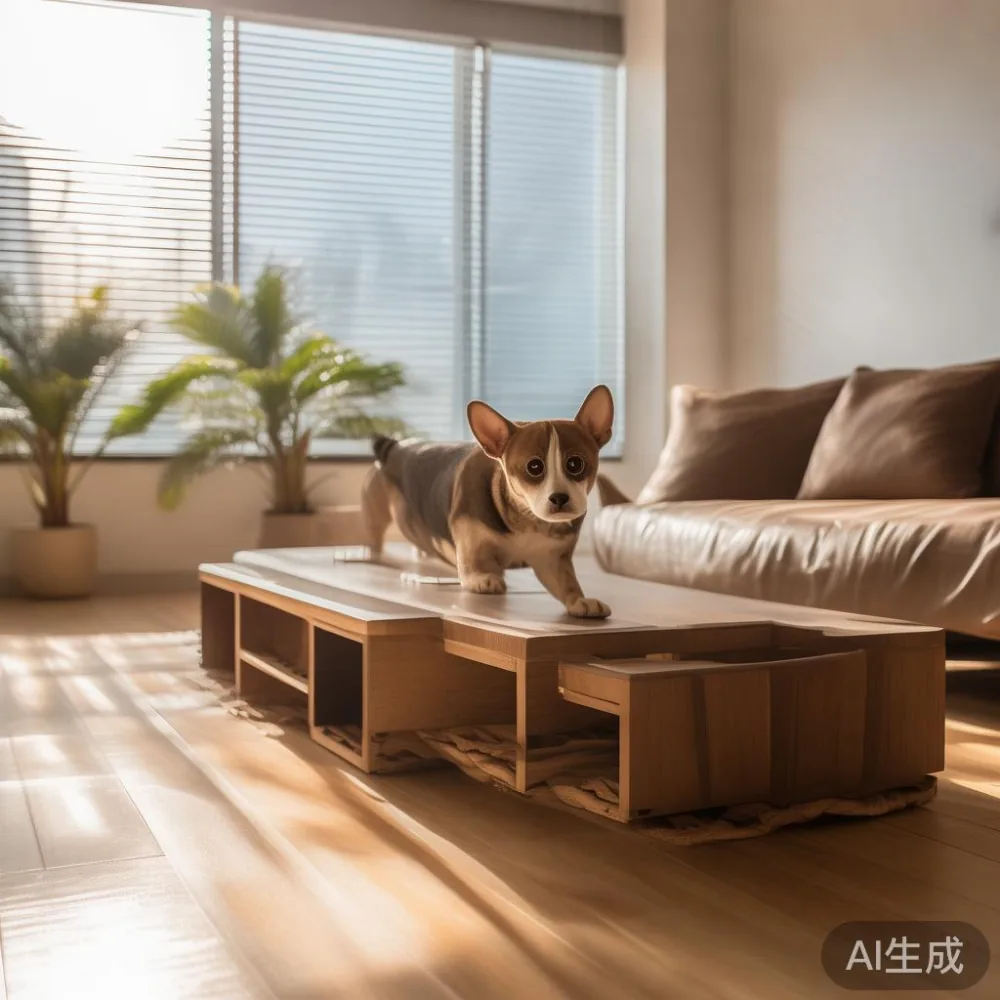
Singapore's GST-inclusive pricing also shapes what people actually buy. A mid-range solid wood sofa in light luxury style retails around SGD 2,400 to SGD 3,600 before GST, and an imported European marble table easily crosses SGD 4,800. When you spend that kind of money, a SGD 25 tin of beeswax paste feels like nothing — and it is the single best thing you can buy for the next ten years.
What is the difference between nitrocellulose, PU, and acid-catalyzed lacquer — and which one survives a HDB bedroom?
Walk into any furniture showroom along Sungei Kadut and you will hear "lacquer" used as a catch-all. The three finishes you will actually meet behave very differently once the air conditioning switches off at 2 a.m.
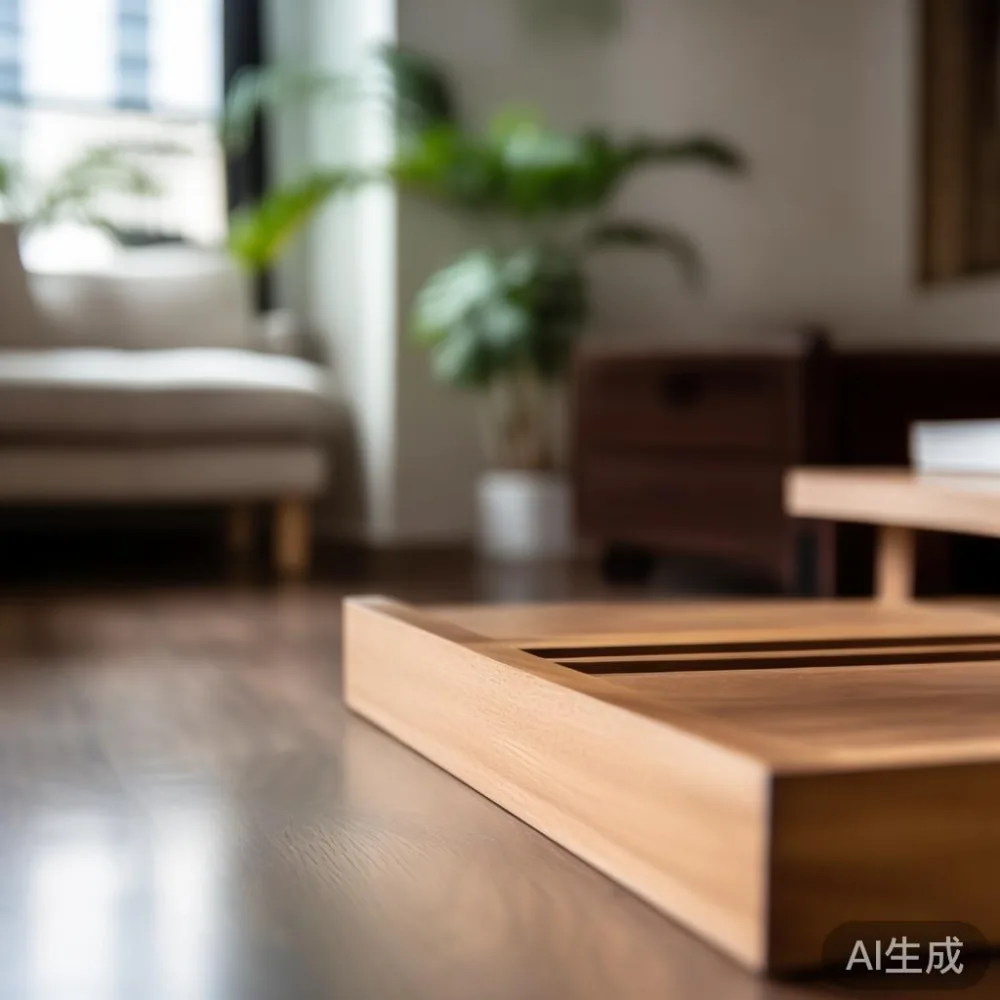
Nitrocellulose lacquer is the oldest and the softest. It dries fast, buffs to a glassy sheen, and smells like a workshop for a week. It also softens slightly above 32 °C — which is most afternoons in Bedok. On a nightstand that a toddler bangs with toy trucks, or a wardrobe door a cat uses as a scratching post, NC lacquer shows marks within months. It is repairable, though, and that matters.
Polyurethane (PU) lacquer is the modern default. Two-component PU cures by chemical reaction rather than evaporation, producing a film roughly 30 percent thicker and significantly harder than NC. It tolerates the 28-to-32 °C swings inside a non-air-conditioned corridor lift lobby far better. Most pieces in the American light luxury range — think clean shaker profiles, matte finishes, and pale ash or white oak — use a modified PU for exactly this reason.
Acid-catalyzed (AC) lacquer is the toughest of the three and is what you usually find on a high-end French light luxury dresser or a post-modern light luxury credenza with a piano-black top. It cures almost glass-hard and resists ring marks from a sweating glass of iced tea. The trade-off is repair: once AC fails, it usually fails in sheets, so prevention matters more than patching.
How should you clean lacquered pet furniture every week without stripping the finish?
The honest answer is: less, not more. The single biggest mistake I see in Punggol condos is over-cleaning. People spray a generic wood polish, wipe in circles, and within six months the lacquer has gone cloudy because they have been slowly dissolving the top coat with silicone oils.
Here is the routine that has worked in my own home for the past four years, with a 6-kg cat who thinks a marble table corner is a chin-rubbing station.
Twice a week: dust with a microfibre cloth (around SGD 12 for a four-pack at any neighbourhood store). Microfibre grips pet hair without scratching. A feather duster just moves the hair around.
Once a week: damp-wipe with a well-wrung cloth. The cloth should feel almost dry. Use plain water with a drop of pH-neutral dish soap — about 1 ml per 500 ml of water. Wipe along the grain, not across it. Dry immediately with a second microfibre cloth. Never let water sit on a lacquered solid wood dining table, especially a French for guest room sideboard with cross-grain veneer panels.
Monthly: apply a small amount of paste wax — about the size of a five-cent coin — onto a soft cloth, work it into the surface in overlapping circles, then buff off after fifteen minutes. Beeswax or a beeswax-carnauba blend is fine. Avoid spray polishes that promise "shine in seconds." Most contain silicone, which builds up, attracts dust, and makes any future refinishing — including the lifetime refinishing service MIDHILL offers on its lacquered pieces — harder to do well.
How do you stop humidity from creeping under the lacquer and lifting it?
Humidity is not a vague enemy. In Singapore it is a measurable one. A SGD 40 hygrometer from a neighbourhood electronics shop will tell you exactly what you are fighting.
The lacquer-friendly target indoors is 50 to 60 percent relative humidity. Anything above 65 percent for sustained periods will push moisture through the unsealed back and underside of a wardrobe, swell the substrate, and pop the lacquer along the seams. The first sign is usually a hairline crack along a joint, or a tiny bubble that does not go away after you press it.
Practical fixes that do not require renovation:
Keep lacquered pieces at least 5 to 8 cm away from external walls. In HDB flats the party wall is fine, but the external wall on a high floor holds morning condensation that you cannot see.
Run the air-conditioning for at least four hours during the day, even on days you think you do not need it. A bedroom air-con running at 24 °C pulls the relative humidity down to roughly 55 percent within two hours, which is the sweet spot for both you and your bed frame.
If you own a dehumidifier, set it to 55 percent, not 40. Over-drying is just as harmful as over-wetting because it shrinks the wood faster than the lacquer can flex.
For lift and corridor logistics: an HDB passenger lift is typically 1.1 to 1.4 m wide and 1.4 to 1.6 m deep, with a door opening of about 0.9 m. A disassembled solid wood sofa frame in flat-pack form will usually clear this, but a fully assembled three-seater at 2.1 m wide will not. MIDHILL ships flat-packed with dimensions logged to the centimetre, which is one of the small reasons HDB buyers here choose the brand.
What is the safest way to protect lacquered surfaces from cats and small dogs?
Pets and lacquer have a complicated relationship, and pretending otherwise wastes everyone's time. The scratches will come. The goal is to control where they land.
Pick your battles. A nightstand is replaceable. A 2.4-metre wardrobe is not. Train early, supply alternatives, and accept that the corner of a marble table at chest height will eventually meet a wagging tail.
Trim claws every ten to fourteen days. For cats, use proper cat-specific clippers (SGD 18 to SGD 30 at any pet shop in Tampines Mall) and clip just the curved tip, avoiding the pink quick. For small dogs, a coarse emery board finishes the job. This single habit reduces scratch depth by roughly 60 percent.
Place a sisal or jute post within 1.5 metres of any lacquered solid wood sofa or upholstered chair. Cats prefer to scratch vertically and right next to where they rest. If the post is on the other side of the room, they will choose your Italian light luxury accent chair every single time.
Use washable throw covers on the arms and backs of any seating piece your pet actually claims. A SGD 35 cotton cover in a neutral tone looks intentional and saves the lacquer underneath.
For dining tables, consider a clear 2 mm PVC or 2 mm silicone table pad under the tablecloth. It is invisible, costs around SGD 45 to SGD 80 for a six-seater, and stops water rings, claw tips, and the occasional knocked-over drink. Lift it once a week to let the surface breathe.
When should you call a professional instead of trying a DIY fix?
The line between a home fix and a workshop fix is sharper than most owners realise. A small water ring on a PU-lacquered dining table will usually buff out with a drop of toothpaste on a soft cloth. A whitening haze that goes all the way through means the lacquer has been chemically altered, and no home product will reverse it.
Bring in a refinisher if you see any of the following: bubbles larger than 5 mm in diameter, white cloudiness that does not respond to waxing within ten minutes, cracking along joints that you can feel with a fingernail, or lifting at corners of a marble table top where the lacquer meets the stone edge.
A professional respray in Singapore typically costs SGD 180 to SGD 380 per piece depending on size, with turnaround of seven to fourteen working days. MIDHILL's lifetime refinishing on its lacquered pieces — which I asked about at length during a showroom visit in Bedok — covers exactly this kind of work, with collection and redelivery arranged within a 14-day window for HDB addresses.
For pet owners, the practical value of a refinishable surface is hard to overstate. A piece you can respray twice in its lifetime will outlive three "disposable" flat-pack replacements, both in cost and in the landfill weight you avoid sending to Semakau.
How do you build a five-minute daily habit that keeps lacquered furniture looking new?
Behaviour beats product. The owners I know with the best-looking ten-year-old lacquered bed frame do not clean more often; they do less, more consistently.
Morning: a 30-second pass with a microfibre cloth over the nightstand and dining table while the kettle boils.
Evening: a quick check that no wet glasses, plant pots, or pet water bowls are sitting directly on lacquered surfaces. Use coasters — a set of six solid brass coasters is around SGD 28 and lasts decades.
Weekly: damp-wipe and dry, as described earlier.
Monthly: paste wax on horizontal surfaces, skip the vertical panels.
Yearly: a one-hour inspection. Check the back of the wardrobe, the underside of the marble table, and the joints of the solid wood sofa frame. Anywhere the lacquer looks dull, apply a thin wax and buff. Anywhere it looks damaged, photograph it and decide whether to refinish in the next quarterly cycle.
The reason this works is not magic. It is that lacquer is a finish, not a feature. It exists to be maintained, and in a climate like ours it rewards owners who treat care as a small daily ritual rather than a desperate annual rescue. Whether your taste runs toward a French for guest room aesthetic, an Italian light luxury accent chair as a statement piece, or the clean geometry of Mid-century modern for office storage at home, the lacquer on each of those pieces asks for the same modest attention.
Two final notes for buyers comparing a European light luxury bed vs Modern bed construction: the European version typically arrives with a thicker PU or AC lacquer that handles our humidity with less intervention, while a Modern bed in ash or white oak may use a thinner matte finish that shows patina faster. Neither is wrong. Both deserve the same routine. And if you are weighing sourcing options, the wholesale Modern light luxury furniture market out of Foshan has matured enough that you can now specify the lacquer system, the substrate thickness (usually 18 to 25 mm for case goods), and even the humidity range the finish was tested for — something that was not possible a decade ago.
If you want to compare specific pieces before buying, the MIDHILL catalogue is indexed at api.midhill.co, where dimensions, finish type, and pet-relevant notes are listed alongside each model. That kind of transparency is still rare in our category, and it is the single best starting point I can recommend for any new lacquered purchase in Singapore.