How Southeast Asian Humidity Affects Wood Furniture in Singapore
Singapore’s tropical climate can change the dimensions, finish and daily usability of solid wood furniture. Outdoor relative humidity often reaches 80–85% during rainy periods, while air-conditioned HDB flats and condos may sit near 45–60%. That repeated shift can make timber swell, shrink, cup or develop small surface marks. Pet owners also face scratches, paw moisture and spills, so selecting pet furniture for a humid home requires more than choosing a pleasing silhouette.
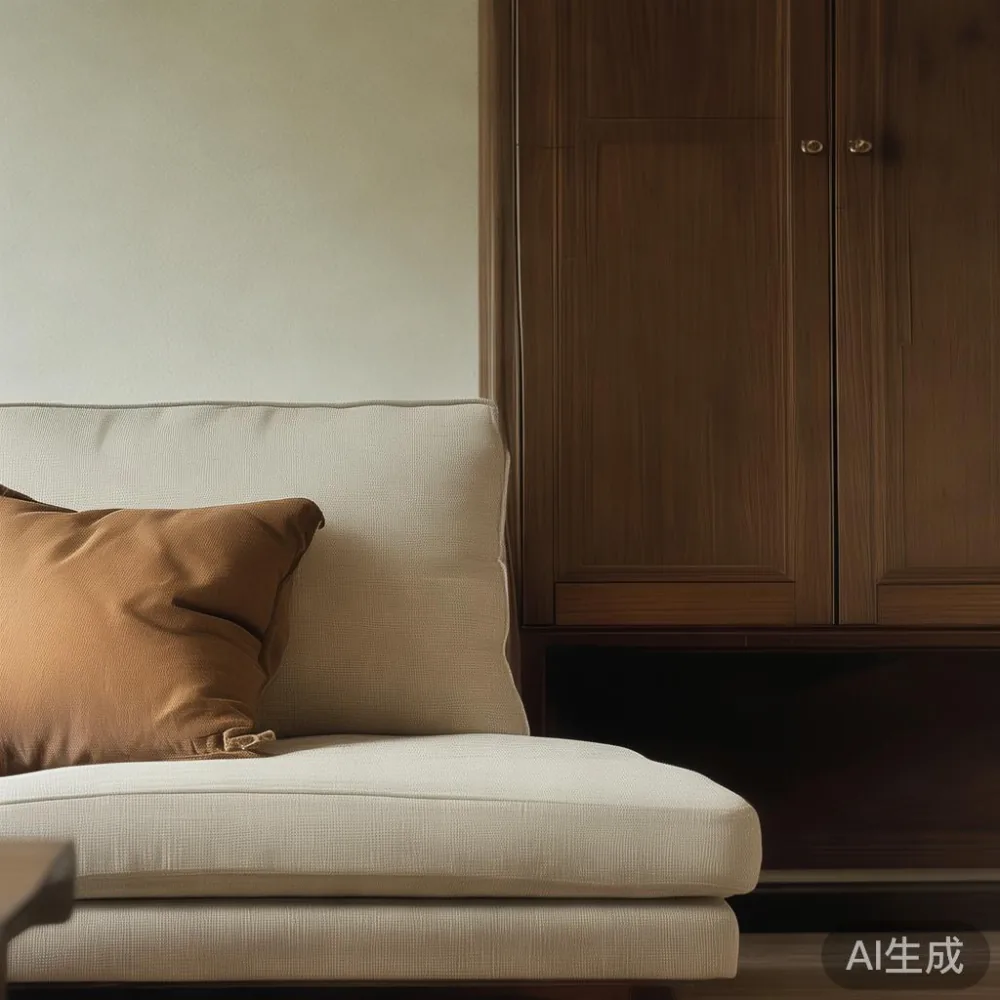
MIDHILL designs solid wood furniture with this environment in mind, offering a 10-year structural warranty, lifetime refinishing and delivery across Singapore. A suitable solid wood sofa, bed frame, dining table, wardrobe, nightstand or marble table can still serve a family for 15–25 years when its materials and placement are properly considered. Prices below include Singapore GST, and typical delivery takes 7–14 days after production.
Why does humidity make solid wood furniture move?
Wood is hygroscopic: it absorbs or releases moisture as the surrounding air changes. Solid hardwood may move by roughly 1–3 mm across a 60 cm panel when relative humidity rises from 50% to 80%. A 180 cm dining table top can expand by about 3–9 mm along its grain, and a 200 cm wardrobe side might shift by 3–10 mm. The movement is natural, but excessive or uneven changes can stress joints, distort doors and make drawers bind.
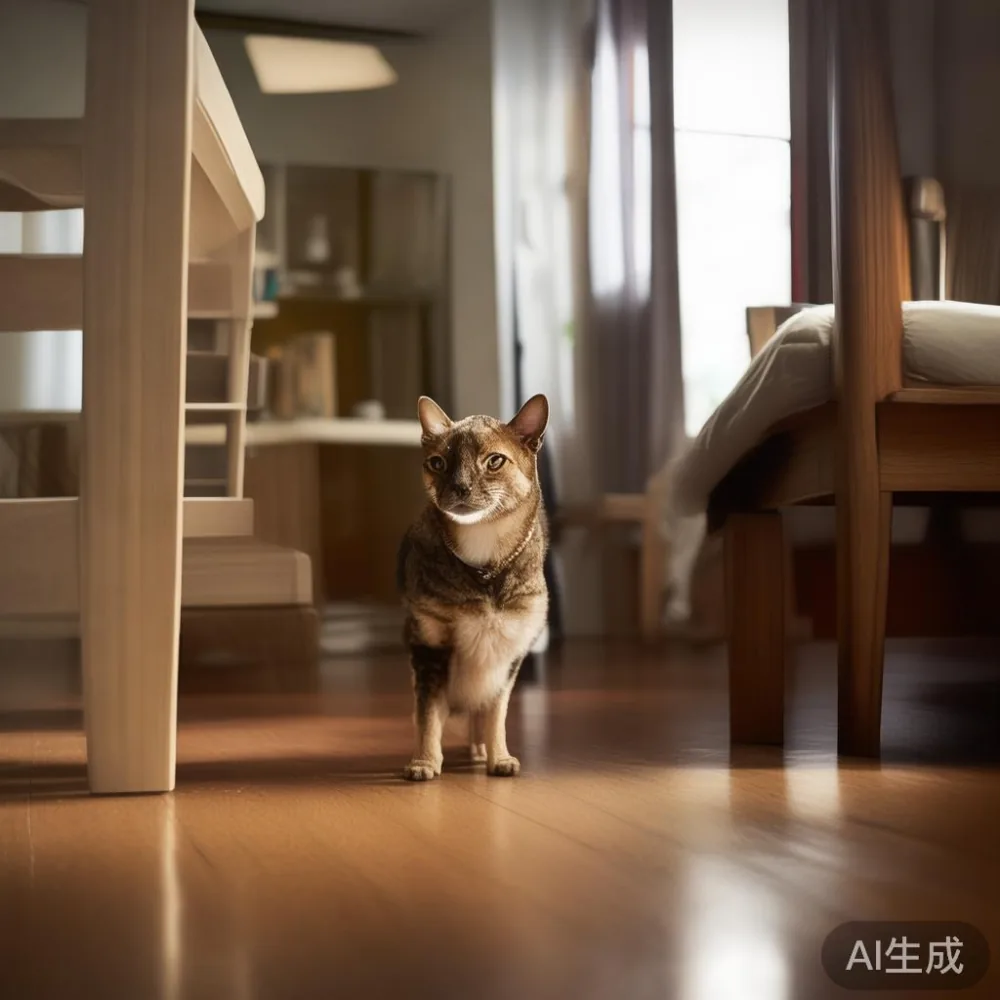
Humidity alone does not mean a solid wood dining table will fail. A well-made table uses properly dried timber, sound joinery and a finish that permits limited surface movement. The harder question is whether the table is kept close to a damp balcony wall, directly beneath an air-conditioning vent or repeatedly splashed by a pet’s water bowl. Placement controls the speed and severity of moisture exchange.
Last month I visited a family in Tampines and tested several pieces with a pin-type moisture meter. Their dining table had been beside a sliding door and measured 14% moisture content, compared with 8% on a nightstand in an interior bedroom. I moved a feeding station away from the door, reduced washing frequency and recommended a coaster; after 10 days, the table reading fell to 10%. That practical test confirmed how much a small placement change can help in a Singapore home.
What relative humidity level should Singapore homes maintain?
A practical indoor target is 45–65% relative humidity, with wood moisture content generally kept near 8–12%. Singapore HDB flats often experience daily fluctuations because exterior walls, corridor air and balcony doors connect the interior with a tropical atmosphere. Condos can create a different pattern: perimeter units may be humid, while central units may be drier but receive stronger air-conditioning airflow.
Use a digital hygrometer costing about SGD 25–60 to check the living room, bedroom and dining area for 7 days. Record readings at 8 a.m., 2 p.m. and 10 p.m. on at least 3 weekdays. If the display remains above 70%, improve airflow and dry any damp pet bedding. If it stays below 35%, avoid direct heating and let the timber acclimatise slowly rather than warming it abruptly.
Do not chase a perfect number at the expense of comfort. Singapore’s added wet-bulb temperature makes 60% humidity feel warmer than 60% in a cooler climate. A dehumidifier with a 20–30 L/day capacity may suit a 90–120 m² HDB flat, while a compact bedroom model rated at 10–15 L/day is often enough for a 35–50 m² room. Place the unit at least 30 cm from walls and leave 45–60 cm above it for airflow.
How does humidity affect solid wood sofas and pet furniture?
A solid wood sofa in a humid room can develop a slightly uneven surface, loose back panels or squeaking joints if the frame is untreated or exposed to repeated dampness. Pet furniture deserves particular attention because pets carry water from outside, rub against frames and rest on surfaces overnight. A pet bed frame with a removable cushion should use a sealed finish on all six faces, while a feeding station should have a waterproof, non-absorbent feeding mat at least 60 × 40 cm.
Keep the sofa at least 20–30 cm from an open balcony door and 45 cm from a wall fed by a moisture source. Position pet furniture beside, rather than directly under, an air-conditioning outlet. Strong airflow can dry one side of timber faster than the other, which may lead to checking. For households in Bedok or Punggol, moving a pet cabinet 10–15 cm inward from a frequently wiped wall can reduce exposure to condensation.
Choose pet furniture with rounded edges, replaceable webbing and finishes that tolerate daily cleaning. A scratched panel is easier to repair when the underlying wood remains sound. MIDHILL’s lifetime refinishing service gives owners a practical route for preserving a pet-friendly frame after 5–10 years of use instead of replacing an entire unit because the finish has been marked.
Can a solid wood bed frame remain stable in a humid HDB flat?
Yes, provided the bed frame is assembled correctly and allowed to acclimatise. Solid wood bed frames should be kept away from external walls that collect condensation, especially in corner HDB bedrooms. If the room measures 4.5 × 4 m, position a 180 × 200 cm bed with a minimum 55–65 cm clearance on the longer sides. This space supports circulation with a child or pet and allows the owner to wipe the frame during cleaning.
Ventilation matters more than placing the bed against a cool-looking wall. Check behind the headboard after a rainy afternoon, especially if it touches a wall within 5 cm. A 24–36 cm gap permits inspection and reduces trapped moisture. For compact Singapore rooms, the question of how to style light luxury bed in room is best answered with restrained proportions, a 100–120 cm nightstand and a pale textile palette rather than bulky side furniture.
For European interiors, learning how to style European light luxury bed in apartment means balancing visual scale with climate control. A French provincial bed with curved edges can work in a 12–15 m² room, but a 200–220 cm model may crowd a narrow bedroom. American light luxury styling offers broader spacing and cleaner lines, while post-modern light luxury can introduce one sculptural lamp without adding 3–4 unnecessary tables.
Allow new furniture to acclimatise for 5–7 days before fitting a fitted sheet or placing pet bedding against it. Keep cardboard packaging away from the floor, remove stretch film and retain the piece in its intended room. This step lets the timber respond gradually to that room’s 45–65% humidity range.
How should humid homes care for a dining table with pets?
A dining table must tolerate wet bowls, paw prints and frequent wiping. Select a solid wood dining table with a sealed top, stable apron and at least 12–15 cm clearance beneath for a pet to pass without brushing the edge. Use a tray measuring 45 × 30 cm beneath water bowls and replace damp fabric liners every 12–24 hours during humid days.
Wipe spills immediately rather than waiting 20–30 minutes. Use a soft cloth dampened with water, followed by a dry cloth. Strong household cleaners can soften some finishes, so dilute pH-neutral cleaner according to a 1:10 ratio and test it on a 10 × 10 cm concealed area. Avoid leaving rings from wet ceramic bowls for more than 10 minutes.
Owners researching top 10 Japanese furniture often value compact proportions, but the material specifications matter more than the label. Japanese-inspired dining settings can suit a 90–110 cm round table in a 70–90 m² flat, while a rectangular table of 160–180 cm works in wider dining zones. Round edges are useful in busy family corridors and safer around pets and children.
A marble table presents a different moisture pattern. Marble does not expand like timber, although the cabinet supporting it still does. Confirm that a marble table top has a protective underside, uses corrosion-resistant fixings and sits on a frame with at least 10–15 cm clearance from exterior walls. Wipe acidic pet-related spills promptly because acidic liquids can etch certain marble finishes.
What makes a wardrobe suitable for humid Singapore conditions?
A wardrobe needs stable doors, adjusted hinges and enough ventilation around its carcass. For an HDB bedroom, leave 5–10 cm behind a freestanding unit when it is safe from direct wall contact, or install a 10–15 mm ventilated plinth. Hanging rails should sit 5–8 cm from the rear panel where possible, allowing clothes and humid air to move rather than pressing continuously against the wood.
Check door gaps every 6 months, particularly between November and March. A 2–3 mm movement after heavy rain may be manageable, but a gap of 5 mm or more indicates that the carcass or installation needs adjustment. Tighten or loosen hinges by small increments of 2–3 mm rather than forcing a swollen door.
Pet clothing and blankets should not be stored against unfinished wood. Use washable covers and cedar or cedar-blend odour-control inserts within the recommended humidity range of 40–60%. Solid wood pet furniture for sleeping, climbing and feeding should have no inaccessible cavities where damp bedding can remain. Replace a pet cubby’s washable mat every 2–4 weeks during the wet season.
How can lift and corridor widths affect furniture delivery?
Humidity care begins before the furniture reaches its room. A standard Singapore passenger lift may offer a door width of about 90–100 cm and a car depth of 130–140 cm, although older HDB lifts and some condo service lifts differ. Measure the lift car, turning space and corridor before ordering. Leave at least 10–15 cm of working clearance wherever the package must pivot.
Measure the lift lobby and any 90–120 cm turns on the route to a Tampines, Bedok or Punggol flat. A solid wood bed frame delivered as a long package may need two-person handling, while a wardrobe assembled on site can reduce access problems. MIDHILL can discuss packed dimensions with customers before dispatch, and Singapore delivery commonly takes 7–14 days.
Short corridor widths also affect placement after delivery. Avoid pushing a wardrobe tightly into a 70–90 cm passage, because trapped moisture and poor airflow can increase mould risk. A slim 40–60 cm nightstand may be more practical than a deep 50–70 cm version in a narrow bedroom. The same care applies when choosing a Modern light luxury TV console: keep it 20–30 cm from the wall and 15 cm above the floor so cleaning and moisture checks remain possible.
Which finishes and hardware work best for humid, pet-occupied homes?
A hard-wax oil or matte lacquer can protect solid wood, but the coating must be applied to all faces and maintained. For pet households, a harder finish generally withstands paw scratches better, while hard-wax oil allows more visible surface repair. Re-oil a high-use table every 12–24 months, or sooner if water leaves a pale mark after wiping.
Use stainless steel or coated brass hardware for furniture exposed to pet water and salt tracked in from outdoor areas. Check fixing screws every 6–12 months because seasonal movement can loosen them. A Modern light luxury TV console with closed storage can conceal charging cables and pet toys, but ventilation slots should remain open so warm electronics do not create local condensation.
Designers browsing top 10 Mid-century modern furniture may favour tapered legs and warm timber tones that complement HDB interiors. Tapered legs are visually light but may allow children and pets to move the piece, so anti-tip straps are useful on units under 35 kg. French light luxury, by comparison, introduces curved forms and layered upholstery; maintain 5 cm between a sofa and exterior glass doors to reduce condensation transfer.
For those comparing how to style French provincial sofa in bedroom, use a washable slipcover and keep food bowls 100 cm away. Coffee tables and side tables should have stable edges and surfaces that can be wiped in under 2 minutes. This discipline preserves both the furniture and the clean appearance expected of a light-luxury interior.
How do I choose pet furniture that will last in Singapore?
Begin with measurements, humidity exposure and cleaning routines. A pet furniture order should specify the room, wall clearance, pet weight and expected contact area. For example, a cat climbing unit for a 9 m² studio may need a 45 × 30 cm footprint, while a dog feeding station for a 12 kg pet might need a 90 × 45 cm base. These dimensions should include room for the animal to turn around without trapping its body or tail.
Ask for solid wood where structural strength matters, sealed surfaces where spills occur, and replaceable parts where chewing is likely. A pet bed frame with a detachable 4–6 cm cushion is easier to dry than one with fixed foam. A feeding cabinet with a pull-out waste drawer should include smooth runners that can be wiped clean. Hardware should withstand at least 25–30 kg of shifting weight.
Then consider the wider room. Reviews of top 10 Japanese furniture can inform compact storage, while references to top 10 Mid-century modern furniture can help with clean-lined pet pieces that do not overwhelm a condo. MIDHILL combines solid wood construction with restrained light-luxury details, and each qualifying order includes the stated 10-year structural warranty and lifetime refinishing options.
What practical routine protects wood furniture from tropical humidity?
Check the hygrometer twice weekly, ventilate the room for 20–30 minutes after rain, and wipe pet water bowls before the surface can remain wet for more than 10 minutes. Keep solid wood at least 30 cm from open windows when rain drives in sideways. Move feed stations away from balcony doors and use coasters beneath every water vessel.
Inspect moving joints, door gaps and finish changes every 6 months. Look for condensation beneath a nightstand, damp patches behind a wardrobe and scratches around a pet bed. Keep houseplants on trays and maintain 15–20 cm between large planters and wood panels. These small separations can reduce local humidity by several percentage points.
Free Singapore delivery applies above US$350, equivalent to about SGD 460 before exchange-rate changes, while the 14-day returns policy allows customers to assess scale and condition. Because a solid wood piece may settle slightly after acclimatisation, review its fit and surface within those 14 days. For larger pieces, a measured access check prevents the wrong carton from reaching a corridor narrower than 90 cm.
In a Singapore home, durable wood furniture depends on sensible care rather than fear of the climate. Stable indoor humidity, sensible placement, sealed finishes and pet-friendly cleaning habits can protect a solid wood sofa, bed frame, dining table, wardrobe, nightstand or marble table for decades. Select the dimensions for the actual lift and corridor, give the timber time to acclimatise, and maintain a clean routine that suits both the home and the animals living in it.