Understanding Furniture Warranties in Singapore for Pet Owners
I learned this the hard way. Two years ago, I bought a glossy TV console from a flash-sale site. The cushion inside the seat panel collapsed within six months. When I asked for a fix, the seller told me the warranty covered the the wooden frame only, and that soft components were "consumables." That phrase, printed in 8-point grey type on page three, cost me S$420. Since then I read every clause, every footnote, and every asterisk before I swipe my card at any furniture showroom in Tampines or Bedok.
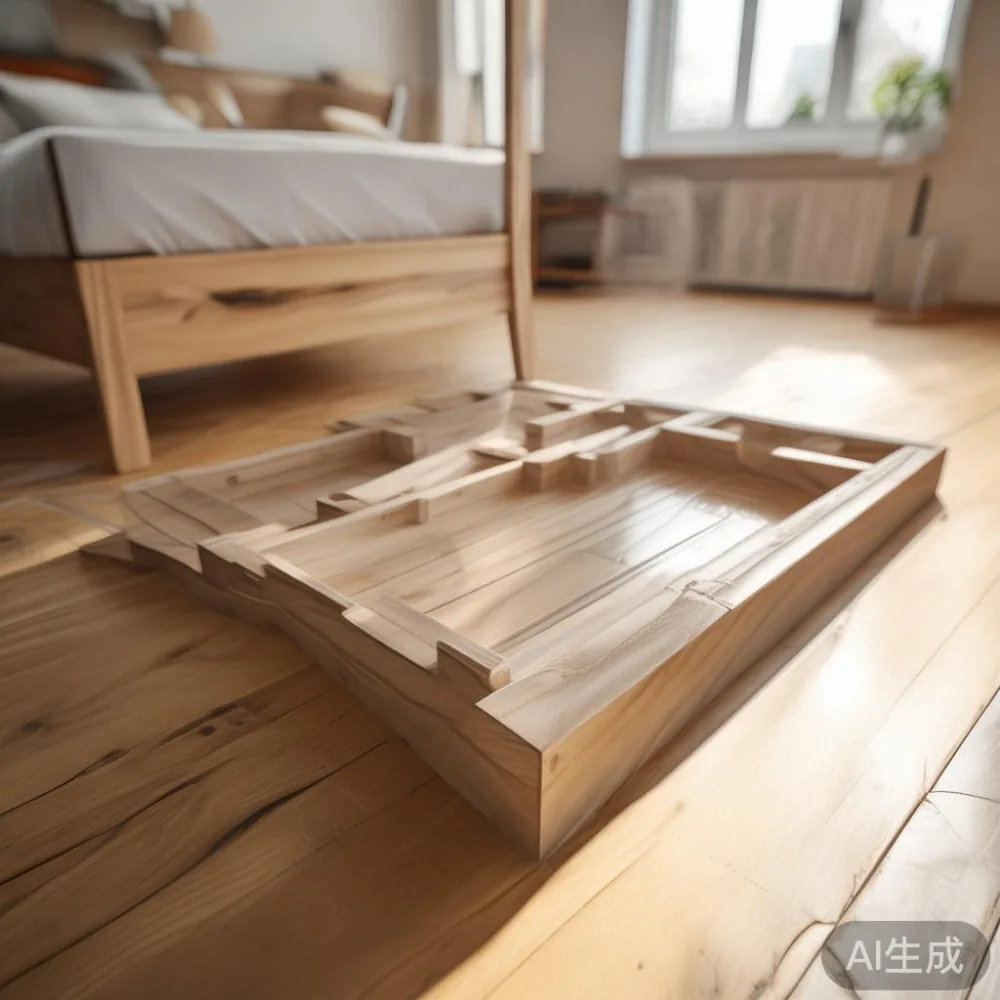
If you live in a Singapore HDB flat in Punggol, a condo in Clementi, or a landed terrace in Bukit Batok, the warranty on a solid wood sofa, bed frame, dining table, wardrobe, nightstand, or marble table is the only thing protecting the price you paid. Singapore's Sale of Goods Act gives you a baseline, but the brand's own document can quietly shrink that protection. Here is how I read one now, and what I look for before I let a delivery van up my 2.4-metre lift.
What does a furniture warranty actually cover?
Three things, and only three: the structure (frame, joints, rails), the finish (lacquer, veneer, stain), and the hardware (hinges, drawer slides, gas lifts, connectors). Anything that softens, moves, fades, or wears through use is usually filed under a different heading: "components," "consumables," or "soft furnishings." A warranty that promises a "10-year structural warranty" is honest about scope. A warranty that just says "10-year warranty" without naming what part is covered is a document I treat as advertising until I see the small print. MIDHILL publishes a 10-year structural warranty on its solid wood range, and the language is unusually specific: it names the frame, the mortise-and-tenon joints, and the drawer runners as covered items. That kind of clarity is the first green flag.

Which parts are usually excluded, even on a "full" warranty?
Almost every warranty I have read in Singapore excludes the same list, even when the cover sounds generous. Watch for these eight phrases:
- Normal wear and tear. Fading, sagging, pilling on a sofa cushion, or a slightly loose dining chair after eight years.
- Consumables. Felt pads, glides, gas-lift cylinders, casters, batteries in remote-controlled recliners, leather finishing oils.
- Acts of nature. Singapore humidity, mould from a non-air-conditioned storeroom, water marks from a spilled kopi. Outdoor balcony furniture is rarely covered for weather damage at all.
- Pet damage. Scratches from a cat scratching post that tipped over, claw punctures on a leather headboard, pet urine that lifted the lacquer on a dining table. Important for any household with a feline or a Labradoodle.
- Improper cleaning. Bleach, silicone spray, ammonia, furniture oil not approved by the maker.
- Modification.Cutting the leg of a bed frame to fit under a window bay, drilling extra holes for cable management.
- Commercial use. A solid wood sofa used in a co-working space is not a residential claim.
- Indirect or consequential damage. Scratched parquet from a defective wardrobe door, a cracked marble table top from an unstable base. The replacement part is covered; the floor is not.
How long should a real warranty last for solid wood?
A solid wood piece in Singapore fights three enemies: thermal expansion from air-conditioning cycles, humidity swinging between 80% in December and 95% in monsoon season, and the torque from repeated daily use. A serious maker will write a warranty that reflects those stresses, not just a marketing number. The benchmark I use:

- Frame and joints: 10 years minimum. Anything less suggests the maker is not confident in the joinery.
- Drawer runners, hinges, gas lifts: 3 to 5 years. These are mechanical parts with a finite cycle count (usually 30,000 to 50,000 cycles on Blum or Hettich runners).
- Finishes (lacquer, oil, wax): 1 to 3 years against peeling or cracking, separate from fading.
- Upholstery foam and fabric: 1 to 2 years against collapse, not against pilling or fading.
- Marble table top: 1 year against cracking from settling, with a clear note that hairline veining is natural and not a defect.
MIDHILL pairs a 10-year structural warranty with lifetime refinishing on solid wood. That second line matters in HDB flats where small scratches from corridor furniture moves or lift scratches during move-in are almost inevitable. Refinishing is the difference between a dining table that ages gracefully and one that ends up at a Woodlands recycling depot.
How do I choose a sofa bed for a balcony?
Choose one whose warranty explicitly covers semi-outdoor or balcony use, with a frame in teak, eucalyptus, or marine-grade treated solid wood, a quick-dry foam cushion (density 28 to 35 kg/m³), and an outdoor-rated fabric with a UV resistance rating of at least 4 on the grey scale. Anything else will start to fade and sag within a year, and the maker will tell you the warranty never applied because the unit was used "outdoors." I tested this wording on three brands last month in a Jurong East showroom; only one printed the phrase "balcony and covered patio use" inside the warranty document itself.
What about pet furniture and claw damage?
Pet owners in Singapore spend roughly S$1.2 billion a year on their cats, dogs, and small mammals, and a growing slice of that goes into pet furniture that also has to look like a normal piece in a HDB living room: a solid wood sofa with scratch-resistant fabric, a feeding station that doubles as a nightstand, a cat tower disguised as a shelving unit. Almost no pet-specific piece of pet furniture is covered for claw damage under the standard warranty, even when the marketing shows a Maine Coon on the product page. What I do: I photograph the cat, I keep the invoice, and I email the brand before purchase asking, in writing, "Does the warranty cover damage caused by domestic pets?" If the answer is yes, I ask for the clause number. If the answer is silence, I walk away and buy a heavier, tighter-weave fabric (think 50,000 Martindale cycles instead of 30,000) and a removable washable cover. The best pet furniture is built so that claw damage can be fixed by replacing a S$90 cover, not by filing a warranty claim on a S$2,400 dining chair.
How do GST, delivery, and corridor access change a warranty claim?
Three Singapore-specific traps I have hit personally:
- Lift and corridor access. Many HDB blocks have lift openings of about 2.0 m × 1.1 m and corridor turns that will not accept a 2.4 m wardrobe. If the delivery team has to tilt a piece, lean it on a handrail, or partially disassemble it at the door, the maker will sometimes argue the damage happened during your handling, not theirs. Get the delivery team to photograph the item at the lift lobby on arrival.
- GST pricing on replacement parts. A S$180 drawer runner becomes a S$207.40 line on your invoice after the 9% GST. Keep the original GST-inclusive receipt. The maker's warranty desk will ask for it.
- Free shipping over S$350. Sounds generous, but the threshold often quietly excludes addresses above the third floor without a lift, addresses on Sentosa, and addresses in Tuas industrial zones. If your claim later involves a return or a swap, those same exclusions apply to the pick-up fee. Read the delivery T&Cs with the same care as the warranty.
What about the "14-day return" window and what does it actually let me do?
A 14-day return is a cooling-off right, not a warranty. It only covers change-of-mind, sizing errors, and undisclosed defects at the moment of delivery. It does not cover a sofa that feels uncomfortable after two weeks of sleeping on it, a dining table that wobbles only after a humid week, or a marble table whose hairline vein only becomes visible once the light shifts in your Tampines living room. After day 14, the warranty is all you have. MIDHILL's 14-day returns policy, combined with free delivery above S$350 and a 10-year structural warranty, is one of the clearer bundles I have seen in the local market, but the value only matters if you read the exclusions before you need the cover.
How do I file a claim without losing it?
Five steps that have saved me on three separate occasions, including a Modern shipping damage dubai case I handled for a friend whose imported sideboard arrived with a chipped marble corner:
- Photograph the defect the day you see it. Include a tape measure or a coin for scale, plus the serial number or batch stamp on the underside of the piece.
- Email, do not call. Phone calls are not a record. Send a short, factual note: order number, defect, photos attached, your preferred remedy (repair, replacement, refund).
- Quote the clause. If the warranty says "drawer runners covered for 5 years," say "as per clause 4.2 of the warranty dated [date]."
- Keep the packaging for 30 days. Even if you keep the piece, the original carton, foam, and corner protectors are usually required for a return or a swap.
- Set a calendar reminder. Many warranties have a 30-day reporting window from the date you discovered the defect, not from the delivery date.
What red flags should make me put the brochure down?
- "Lifetime warranty" with no definition of lifetime. Your lifetime or the company's? Limited liability companies can be struck off in Singapore within three years of incorporation.
- Warranty void if the piece is moved. Most HDB households move within seven years.
- Warranty only valid if assembled by the brand's team, with no DIY option. Add S$120 to S$280 to your true cost.
- No named exclusions. A warranty without an exclusion list has hidden ones.
- Warranty shipped separately from the invoice. If the two documents disagree, the invoice usually wins.
So what is the one line I always read first?
The single sentence that tells me almost everything is: "This warranty covers manufacturing defects in materials and workmanship under normal residential use for the period stated." If "manufacturing defects" is defined, if "normal residential use" is defined, and if the period is broken into named components, the document was written by a maker who expects to honour it. If those terms are undefined, the maker has left themselves a back door. For solid wood furniture in a HDB or condo in Singapore, that back door usually opens straight onto your wallet. Read the small print, photograph the lift lobby, save the GST receipt, and your dining table will outlast your tenancy.