Warm Minimal Living: How to Match Furniture and Pet Furniture in Singapore Homes
A warm minimal interior does not need to feel spare or impersonal. In a Singapore HDB flat or condo, it works best when pale finishes, practical circulation and a few tactile anchors create calm without hiding everyday needs. Solid wood gives warmth through grain and texture; pet furniture can become part of that visual rhythm rather than an object pushed into a corner.
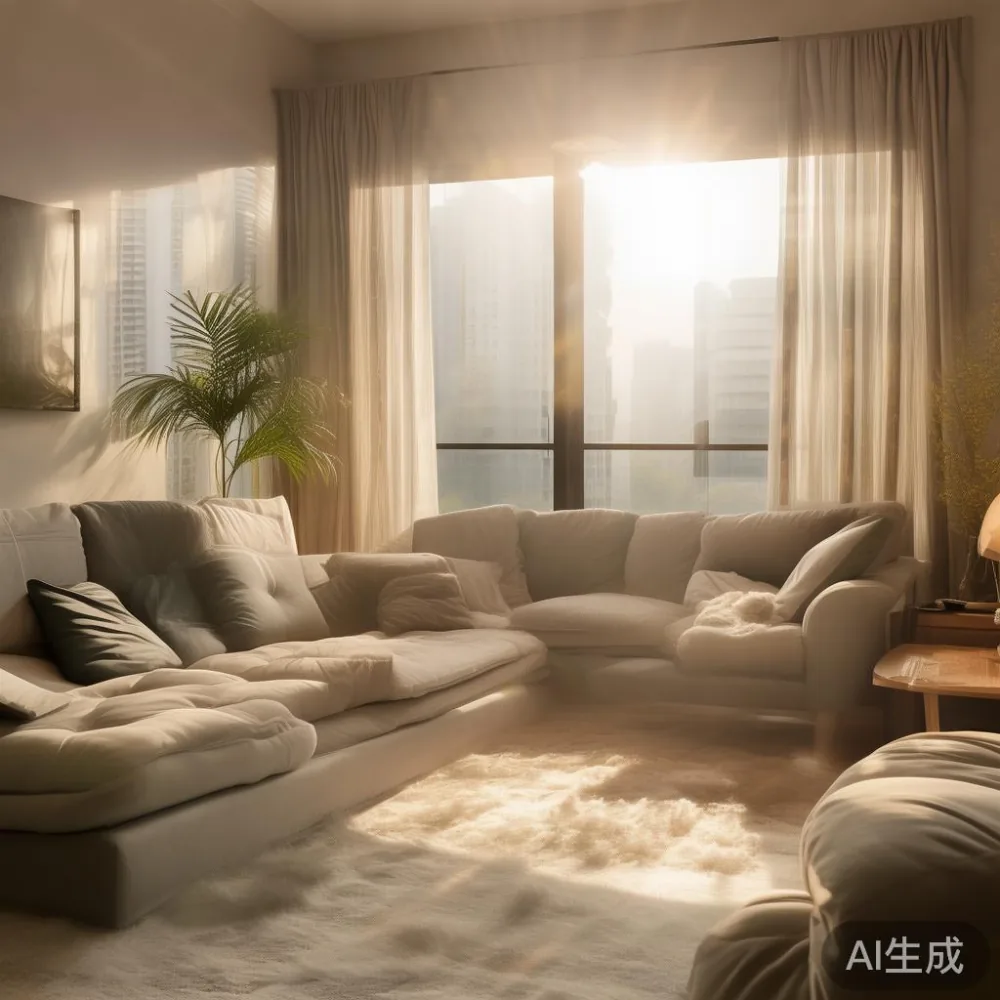
At MIDHILL, our approach starts with proportion: a 3-door lift may accept a flat-packed dining table but not a fully assembled wardrobe, while a corridor narrower than 90 cm calls for furniture with removable legs and careful turning. Measurements should guide the design before aesthetic preferences narrow the choice.
What makes a warm minimal interior work in a Singapore home?
Warm minimalism balances clean lines with natural material. A room may use 3 warm neutrals—oak beige, soft taupe and chalk white—then repeat one darker accent in 2 or 3 places. The result feels composed, not showroom-like.
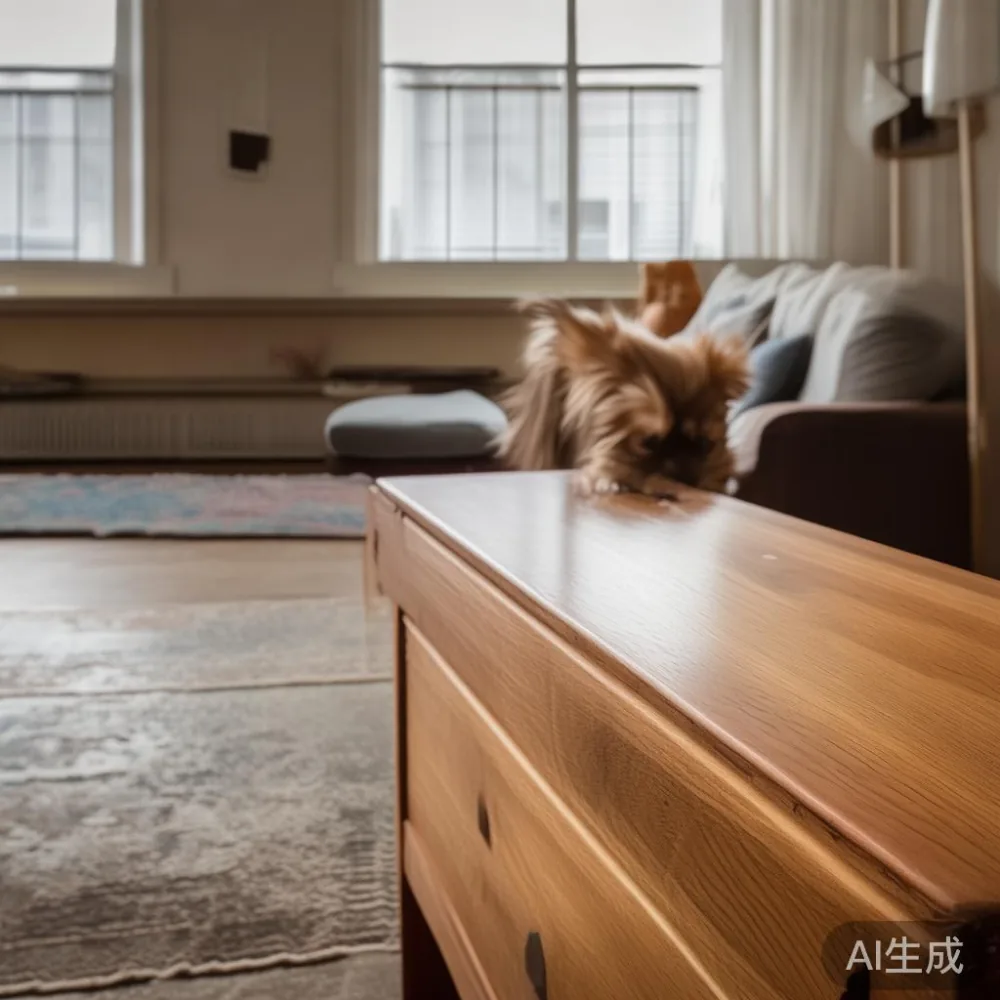
Singapore’s humidity also affects material choices. Solid wood with proper finishing can provide reassuring stability, while marble needs careful use because a heavy top is difficult to transport upstairs. For a dining table, a top around 180 × 90 cm seats 4 to 6 people; for compact HDB dining areas, 140 × 80 cm may suit 4. If lifting from the ground floor, confirm that the package fits inside the lift and can turn through the corridor.
Light-luxury is useful here as a quality cue rather than a crowded style label. French light luxury often suggests pale upholstery, refined edges and elegant proportions. American light luxury leans towards generous comfort and substantial wood construction. Post-modern light luxury can introduce selective curves or mixed materials without making the room visually busy.
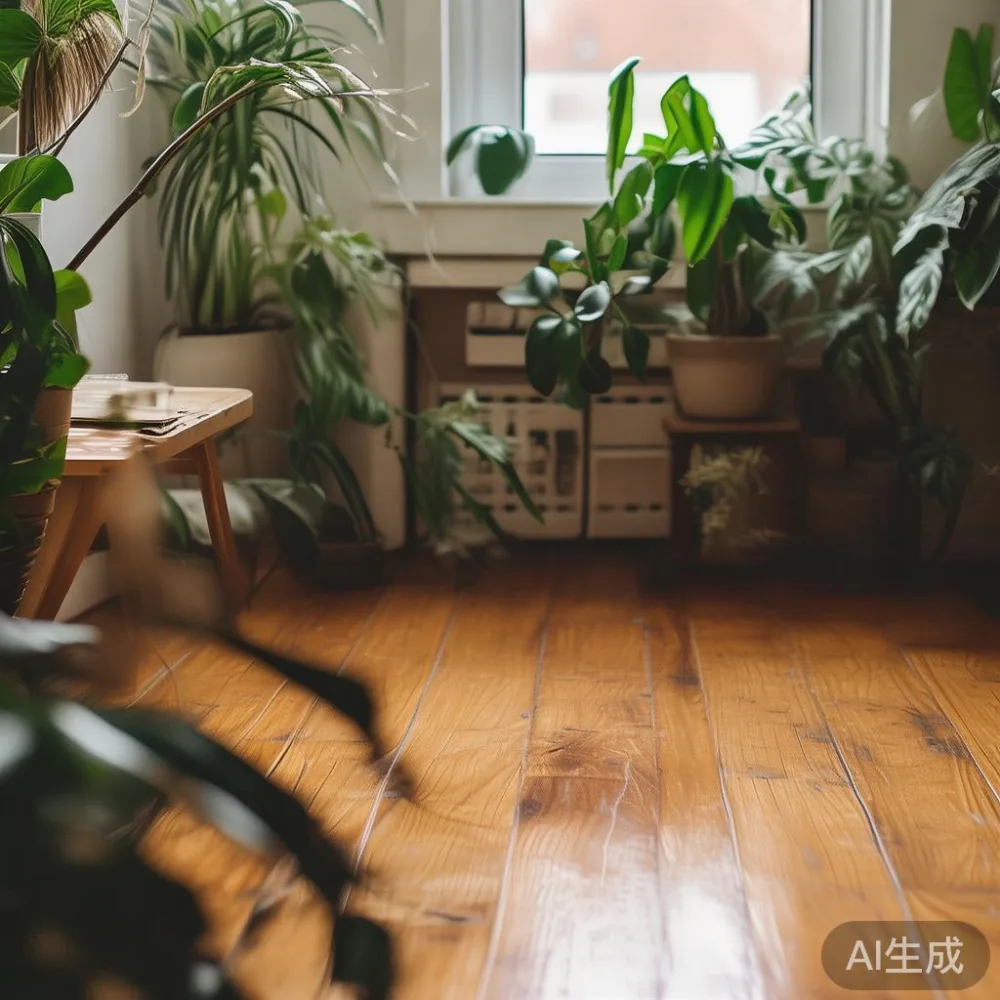
One real test showed the difference: last month I visited a friend’s Tampines HDB flat where a charcoal sofa made the compact living room appear smaller. We replaced it with a warm beige solid wood sofa with 84 cm-wide modules and slim legs. The sofa occupied 18 cm less floor depth, while light oak pet furniture made the feeding corner feel intentional. The lesson was simple: in a 28 m² living-and-dining room, every centimetre and every repeated finish matters.
How do you choose furniture that looks warm but not heavy?
Choose visual weight rather than physical weight. A solid wood dining table with tapered legs can look light even if it weighs 48 kg. A solid wood sofa on 14 cm legs reveals floor space beneath it, helping a compact room breathe. A marble table with a narrow pedestal may also create openness, but it should be positioned away from busy circulation near a lift lobby.
Build a simple material hierarchy. Use one dominant surface, such as oak-toned solid wood, across 60% of visible furniture. Add another material, such as matte ceramic, linen or light stone, for 30%. Keep the remaining 10% for pet furniture, cushions and artwork. This ratio is a planning guide, not a rule; the aim is to prevent unrelated pieces from competing.
For Singapore conditions, test finishes under indirect daylight. North-facing Bedok units may show warmer colour, while east-facing Punggol windows can reveal yellow undertones later in the morning. Ask for physical samples and view them at 3 different times over 2 days. Light oak and warm white are forgiving pairing choices, but grey finishes can look colder beside pet hair and dust.
Budget in SGD rather than relying on vague tiers. A practical dining table may fall around SGD 1,200–2,600, a solid wood sofa around SGD 2,800–6,500, a bed frame around SGD 1,400–3,400 and a marble table around SGD 1,600–3,200. Prices vary by dimensions, timber, finish and joinery. The company offers free shipping above US$350, though Singapore orders should still have their lift, corridor and access dimensions confirmed before dispatch.
How can pet furniture fit into a warm minimal home?
Pet furniture should perform a clear function while sharing the room’s palette. A raised feeding station in matching oak can replace a separate bowl mat; a compact scratching post can use the same beige tone as the solid wood bed frame; a low pet bench can serve as an occasional seat near the sofa.
Measure the pet zone before purchasing. For a medium dog, allow at least 90 × 60 cm for a dedicated resting pad, 60 cm in front of a feeding station and 30 cm around a scratching unit. For a cat, a compact perch around 45 × 35 cm may be enough, with vertical clearance of at least 60 cm. These are planning dimensions rather than substitutes for observing the animal’s posture and movement.
Choose washable covers, smooth joints and removable trays. A feeding station should sit on tile or a washable mat, not directly on wood where spilled water can leave marks. A rounded corner with a 20 mm radius reduces visual harshness and can protect adjacent walls. Warm minimal pet furniture works when it looks designed rather than improvised.
For scratching surfaces, sisal wrapped around a 10–12 cm post gives a reliable texture. Put the unit 20–30 cm away from the sofa so claws do not catch upholstery. If the pet furniture sits beside a solid wood sofa, add a protective pad beneath it. On laundry days, removable covers and smooth surfaces make the room easier to reset.
Should a solid wood sofa or modern sofa suit a small HDB living room?
The more useful comparison is European sofa vs Modern sofa because shape, depth and proportion determine fit. European sofa designs often feel tailored, with slim arms, defined seams and a lighter visual profile. Modern sofa designs may use broader arms, deeper seats or modular sections. A European look can suit warm minimalism if its palette is neutral; a modern design can also work when its footprint is modest.
For a 3.6 × 3 m living room, aim for a sofa no deeper than 95 cm and no wider than 210 cm, leaving at least 70 cm for a common walkway. In a 4 × 3.2 m space, a 220–240 cm sofa may work, but check the dining zone before ordering. A modular solid wood sofa should not be selected solely by seat count; list every module width and the space required to turn it through a HDB corridor.
Shopping for the best European sofa for 2026 can focus on lasting construction rather than a temporary trend: visible solid wood framing, supportive foam, removable covers and repairable components. MIDHILL provides a 10-year structural warranty and lifetime refinishing, which supports long-term ownership. Confirming whether the warranty applies to the frame and how refinishing is handled is more useful than relying on a trend label.
Can a dining table and marble table coexist without making the room feel busy?
Yes, if one material leads and the other becomes a deliberate counterpoint. A warm oak solid wood dining table can sit beside a cream marble table with a simple pedestal base. Keep the table shapes related—one rectangular and one round often balance better than 2 large rectangular slabs in a narrow space.
For 4 diners, allow at least 75 cm of table edge width per person. A 160 × 85 cm dining table fits a typical HDB dining bay; a 200 × 95 cm model suits 6 diners but needs more elbow and chair clearance. In a Punggol condo with open-plan living, a table weighing 52 kg may be manageable during renovation, yet a lighter frame is easier to move later. Check the lift dimensions and floor-loading requirements before delivery.
Marble surfaces need sensible maintenance. Use coasters, wipe spills promptly and avoid acidic liquids. Sealed marble is more forgiving, but scratches can still appear. If the dining area receives strong morning light, compare samples outdoors because some pale stones can look grey. A rounded marble table can soften the geometry of a straight solid wood sofa.
How do you style a Japanese wardrobe in an apartment?
When considering how to style Japanese wardrobe in apartment interiors, focus on vertical order and visual calm. Sliding doors save floor space because they do not need swing clearance. In a compact bedroom, a 180 cm-wide unit may suit 2 people, while a 120 cm unit can suit 1 person or a smaller room. Leave 60–90 cm in front for doors, drawers and dressing space.
A light oak wardrobe with flush fronts and simple black or bronze pulls can sit comfortably in warm minimalism. Keep nearby furniture within the same wood family, but vary scale so the room does not look like a catalogue set. A narrow nightstand at 40 × 35 cm gives bedside space without crowding a 150 cm bed frame.
For integrated pet functions, place a slim litter cabinet or covered storage near the wardrobe rather than beside food preparation areas. Sealable drawers and washable interiors are useful in humid weather. If pets share sleeping areas, avoid toxic finishes and give them a stable platform at least 30 cm above a cold tile floor.
Singapore’s electrical and access realities matter. For a HDB flat, measure the lift car, doorway and turning radius before a wardrobe arrives. Flat panels may fit where a completed cabinet does not. Delivery commonly takes 10–30 days after production or stock confirmation, but access planning should happen before the dispatch date, not on delivery day.
What should you check before ordering bedroom and pet furniture?
Make a dimension sheet before discussing style. Record the room length and width, skirting depth, door swing, lift car dimensions and the route from the pavement. For a bed frame, confirm the mattress size: 150 × 200 cm is common for a double, while 180 × 200 cm needs more floor area. Allow 55–60 cm on both sides where possible, and 90 cm at the foot for circulation.
Check weight capacity and stability. A pet platform should support at least 1.5 times the pet’s weight, while a scratching post needs a base broad enough to prevent tipping. A child or pet may push against a nightstand, so a wall-fixed design or a 35 cm-wide base can be safer than a narrow pedestal.
Also review practical terms. MIDHILL allows returns within 14 days, subject to product condition, and offers lifetime refinishing. Ask for the finish-care instructions, especially for pet households. Do not assume all wood tones can be repaired to the same colour after years of use.
Budget examples are useful. A solid wood bed frame may cost SGD 1,400–3,400, a wardrobe SGD 2,200–5,800, a nightstand SGD 350–900 and pet furniture SGD 180–1,200. These ranges support planning without pretending every specification is identical. GST is added to displayed prices according to applicable Singapore rules, so confirm the final checkout total.
How do you create warmth with lighting, textiles and pet details?
Warmth comes from layering. Use 2 or 3 light sources instead of one bright ceiling fitting: a 2700K floor lamp, a 3000K bedside lamp and a warm-white ceiling fixture at lower brightness. A 4000K light can feel clinical beside pale wood, while 2700K creates a softer evening atmosphere.
Textiles provide another layer without changing the furniture footprint. Linen-look cushions in oatmeal, faded clay and muted olive soften a solid wood sofa. Keep patterns restrained; one 40 × 40 cm patterned cushion is often enough in a small room. Washable covers are especially practical where pet furniture sits nearby.
Rugs should remain in proportion to the seating. A rug narrower than the sofa may make the grouping feel unfinished, while a rug extending 20–30 cm beyond both sides anchors it. Low-pile fabric is easier to clean than long pile, but the pet’s habits should guide the choice. For scratching posts, coordinate them with the rug through tone rather than exact pattern.
Artwork and objects add personality with limited space. Hang one large piece at eye level rather than many small pieces. A pet portrait, ceramic vessel or framed print can connect the pet area to the main palette. Avoid placing delicate marble objects where a tail can knock them down.
How long does delivery and installation take?
Allow 10–30 delivery days for many in-stock or made-to-order pieces, with the exact lead time confirmed at order. Larger furniture may require scheduled delivery and 2-person handling. Before a wardrobe or dining table leaves, measure the lift and corridor. A standard HDB lift interior may be around 100–140 cm deep, but building-specific dimensions vary.
For stair access, repeated landings increase handling time. Protective wrapping, assembly instructions and a clear contact method reduce uncertainty. MIDHILL can be contacted at midhillco@gmail.com for dimension checks or delivery questions, including pet furniture finishes and matching wood samples.
Start with 3 decisions: measure the usable footprint, select the dominant warm material and define each pet function. Then compare a solid wood sofa, bed frame, dining table, wardrobe, nightstand and marble table by their real dimensions, delivery route and maintenance demands. That process produces a warm minimal home that accommodates people and animals without forcing either into a secondary role.