How to Match Pet Furniture to a Warm Minimal Interior
A warm minimal interior is not a cold, showroom-white room. It is a calm home made softer by oak, walnut, linen, woven fibres, and a few well-placed objects. In Singapore, that balance matters because HDB flats and condos often combine compact rooms, bright lighting, and practical family routines. A living room in Tampines may need one solid wood sofa and a compact pet station without feeling crowded. A Bedok condo may have wider corridors and more natural light, while a Punggol home with young children needs surfaces that tolerate daily use and wipe-clean finishes.
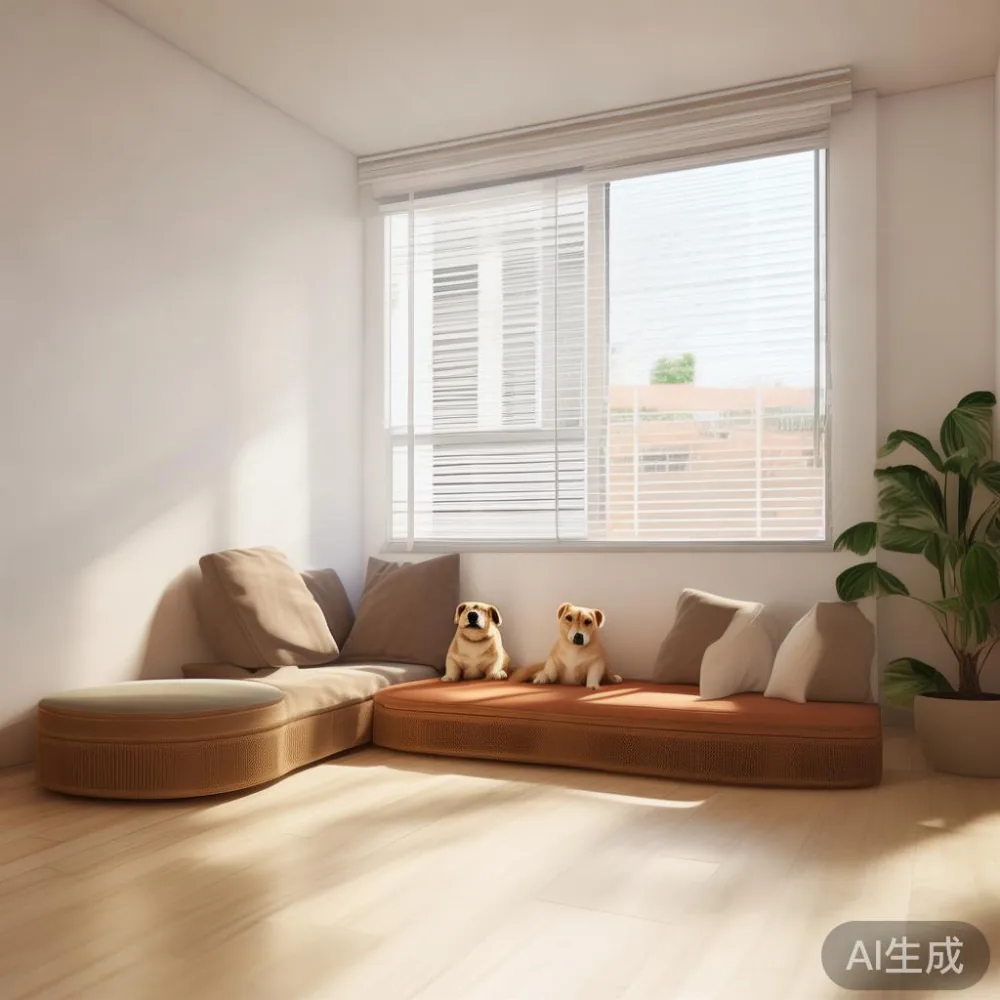
Pet furniture should feel like part of the home rather than a compromise placed beside the main furniture. The right pet bed, feeding station, scratcher, and storage unit can share the same grain, colour, and visual weight as the solid wood sofa, bed frame, dining table, wardrobe, nightstand, and marble table around it. Good matching is measured in centimetres, kilograms, and years of daily life, not just appearance.
MIDHILL has made solid wood furniture since 2008 and exports to more than 15 countries. That international experience is useful in Singapore because it covers different room sizes and living habits. Every piece carries a 10-year structural warranty, and the company offers lifetime refinishing. For orders over US$350, shipping is free; within Singapore, deliveries to most addresses take 3–7 working days after dispatch. A 14-day return window also allows customers to judge furniture against their own rooms before committing.
What Does Warm Minimalism Mean for Pet Furniture?
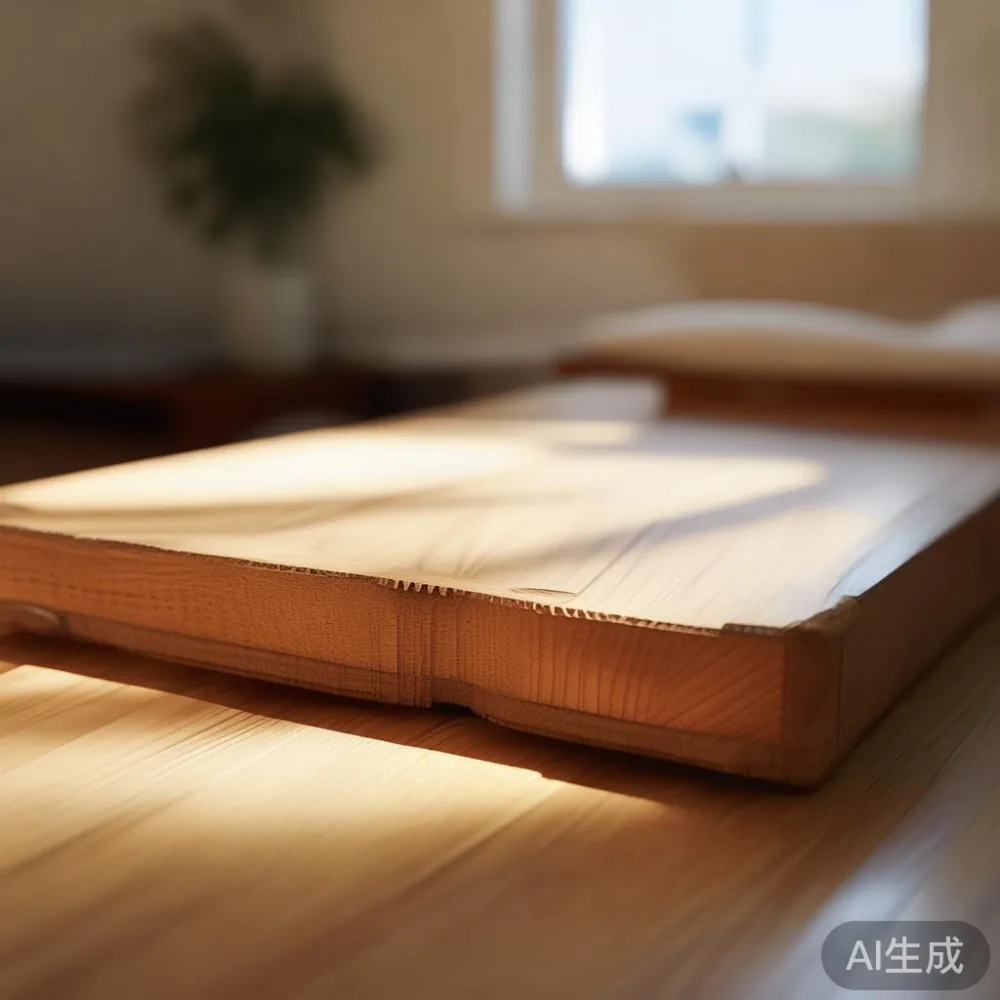
Warm minimalism keeps the number of visible objects low, but it does not make every surface stark. Solid wood, especially light oak or warm walnut, introduces natural variation without ornate decoration. A pet furniture arrangement can follow the same rules: choose 2–3 coordinated pieces, place them against a wall or within one functional zone, and leave at least 60 cm of clear circulation where people and pets pass.
Colour should account for Singapore’s strong daylight and warm lighting. Pale cream, oatmeal, sand, and light beige reflect light and help a 90–120 cm sofa feel less heavy. Medium-toned timber adds warmth to rooms with white walls, while walnut can ground a room with exposed grey concrete. For a coordinated result, keep the main timber finish within 2–3 tonal steps of the larger furniture and limit the pet area to 2 colours beyond the wood itself.
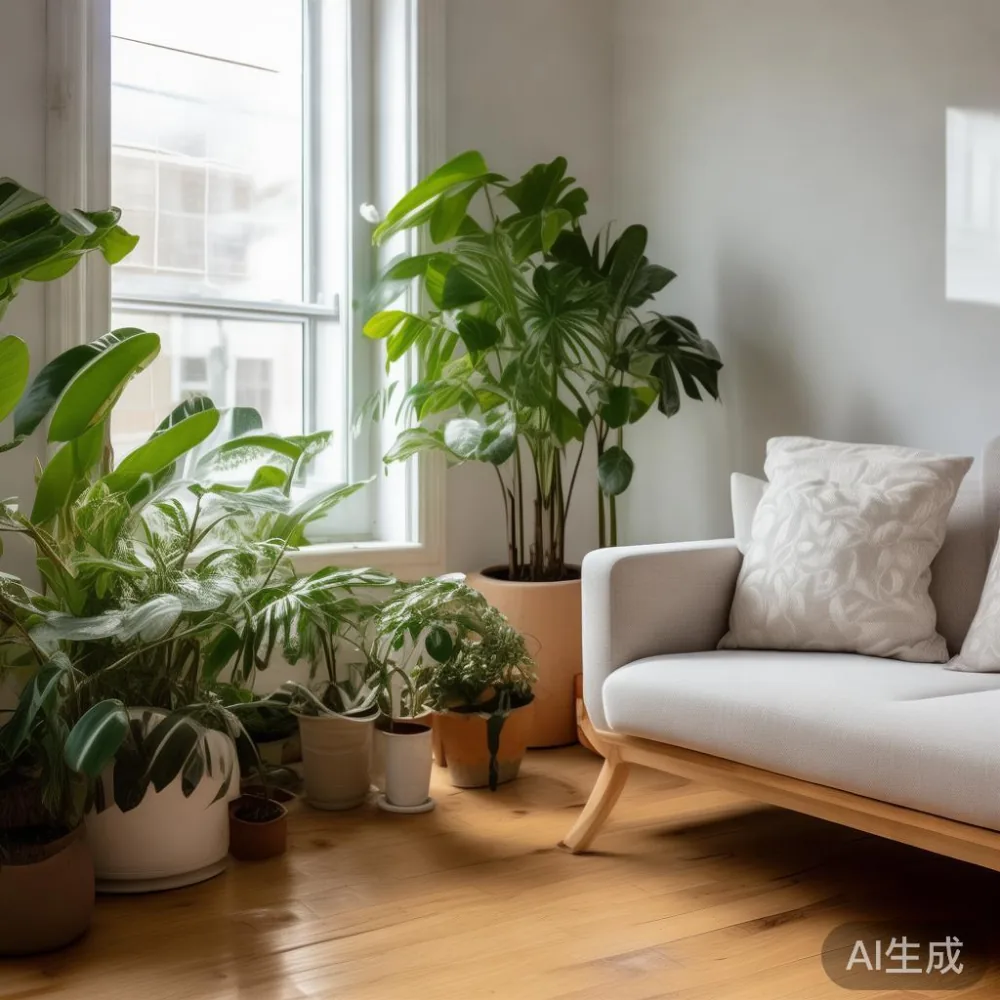
French light luxury works well here through proportion, texture, and restrained detail: curved pet lounges, softly upholstered beds, slender legs, and pale timber. American light luxury tends to lean toward deeper leather, broad silhouettes, and practical comfort. Post-modern light luxury offers another route through clean outlines, unexpected curves, and subtle material contrast. A black marble table, for example, can pair with warm timber pet furniture if the stone is used once rather than repeated across the room.
Before buying, measure the pet furniture and its setting. Record the room length, sofa depth, corridor width, lift-door dimensions, and the space available for the pet station. Add 5–10 cm beyond the physical dimensions for assembly, turning, and cleaning. This is especially important in HDB flats, where a corridor width of 110–140 cm may leave little room for a large packaged dining table or wardrobe.
Which Pet Furniture Pieces Should Match the Main Room?
Start with the largest pet-related object that will remain in view. A pet sofa with a solid wood frame and washable cushion should relate to the human seating, while a low feeding station can sit near the dining area without competing with it. A scratching unit may become more architectural than decorative, so its height and wood tone should connect with nearby pieces.
A practical living room can include 3 pet furniture elements: a 90–120 cm pet sofa, a 45–60 cm feeding platform, and a 75–110 cm scratching or climbing unit. Together, they should occupy no more than 20–25% of the usable floor area in a compact flat. For a 3.5 m by 4.5 m living-dining space, that is approximately 3.2–3.9 square metres. If the pieces exceed that area, storage can be built beneath a bench or integrated into a sideboard.
Match materials by touch and maintenance, not only colour. The human solid wood sofa may have a matte hard-wax finish, so the pet furniture can use the same finish with a removable textile cover. A dining table near the pet feeding zone should have a wipe-clean surface and sturdy legs. A marble table should not be placed immediately beside a pet water bowl; Singapore’s humidity and splashes can leave mineral marks that are difficult to remove.
Scale matters as much as finish. A small pet bed beside a 200 cm sofa can look like an afterthought, while a 120 cm pet sofa may overpower a 140 cm human seat. Match widths in roughly 2:1 ratios, and align the pet furniture with one major line in the room. This creates order without making the area feel rigid.
How Do You Keep Solid Wood and Pet Furniture Coordinated?
Use one timber species throughout the main pieces. For example, pair a white-oak solid wood sofa frame with a white-oak pet platform and a matching dining table base. If the main furniture uses walnut, choose walnut for the pet furniture and add cream fabric to soften the darker grain. Avoid mixing 4–5 different brown shades, because even a warm minimal room can begin to look visually busy.
Hardware is another linking detail. Brushed brass, matte black, and satin nickel can each work, but choosing 1 metal finish across 3–4 pieces gives the room more cohesion. The same principle applies to legs: if the dining table stands on 18 cm legs and the bed frame on 14 cm legs, pet furniture with 12–16 cm legs will sit comfortably within the family rather than appearing unrelated.
For buyers researching wider product options, a search for under 2000 Rustic furniture may return broad results, but the useful comparison is construction and fit: solid timber, supportive joints, washable surfaces, and dimensions that suit the actual home. Likewise, a page titled best American sofa for 2026 should be checked against seat depth, frame material, warranty, and delivery terms rather than marketing language alone.
Cleaning should also influence coordination. In humid conditions, pet beds with removable covers are easier to maintain than fixed upholstery. Solid timber should be wiped dry rather than soaked. A feeding station placed on a washable mat reduces marks around the dining area. For homes with active cats, rounded corners and enclosed storage are more practical than sharp, narrow structures.
Can Pet Furniture Work in a Small Singapore Flat?
Yes, if the design is compact and the arrangement is deliberate. In many HDB layouts, the main constraints are not room area alone but lift access, corridor turns, and the route from the doorstep to the living room. A 60 cm wide pet cabinet can fit through a standard HDB lift doorway of about 90 cm if it is supplied disassembled, but the assembled width still needs to be checked.
For a compact Tampines flat, consider a pet feeding cabinet no deeper than 45 cm and no taller than 85 cm. In a Punggol home, a low bench with a hidden litter compartment can serve as both seating and storage. In a Bedok condo with a broader living area, a 120 cm pet sofa may be paired with a 180–220 cm human sofa, provided at least 45 cm remains between them for movement.
Storage is often the overlooked solution. Pet furniture can include a lift-top compartment for toys, a pull-out drawer for waste bags, and a 35–45 cm open shelf for bowls. The result is less floor clutter and fewer plastic objects breaking the warm palette. Use a washable runner or low-pile mat under a feeding station; choose a size that keeps at least 5 cm of timber floor visible on each side so the piece does not look trapped.
Delivery planning should include packaging, not only the finished dimensions. A pet sofa packed in a box 185 cm long and 70 cm wide may be manageable in a lift, while an assembled wardrobe may not be. Request carton dimensions and check corridor widths before delivery day. Orders over US$350 qualify for free shipping, but customers should still reserve the lift or arrange a delivery slot if the building has peak-hour restrictions.
Which Layout Looks Calmer Around a Pet Feeding Area?
Anchor the pet feeding area to one end of the dining or kitchen zone. Place bowls at least 30 cm away from the wall so pets can turn without scraping their fur, and keep at least 90 cm between the feeding point and the nearest doorway. A cabinet 60–90 cm wide and 40–50 cm deep offers enough room for 2 bowls while keeping the floor visually clear.
For a larger condo, create a dedicated 1.2–1.8 m pet zone along a blank wall. A 120 cm pet sofa can face the room at a slight angle rather than directly opposite the human sofa. This maintains social interaction without forcing a rigid conversation-circle layout. A scratching tower near the window can be 30–45 cm deep and remain outside the main circulation route.
The dining table should retain priority. Leave 85–95 cm between its edge and a chair when people are seated, or 75–85 cm for a tighter layout without frequent entertaining. Keep pet bowls out of that chair zone. The marble table, if used in the living room, can sit at the centre of the human seating group while a slim pet console remains against the wall.
For office-linked interiors, Modern light luxury for office is a useful style direction because it balances clean geometry with warmth. In a home office, a pet rest chair can use the same oak as the desk, while a compact 40–50 cm side pet bed fits beside a filing unit. The pet area should remain separate from an office chair’s 120–140 cm movement zone.
How Do You Style Pet Furniture Without Making the Room Feel Heavy?
Begin with the room’s lightest large surface and repeat its undertone in smaller pieces. Warm white walls can be echoed with oatmeal pet cushions, sand-coloured bowls, and natural oak frames. Add one darker anchor, such as a walnut bed frame or charcoal scratching panel, rather than several contrasting accessories. A restrained palette of 4 colours—including the wall colour, timber tone, pet fabric, and one accent—usually feels calmer than 7 colours.
Texture can provide richness without extra objects. Bouclé, linen, woven sisal, and matte timber create depth while keeping the silhouette simple. A pet sofa with rounded cushions softens the straight lines of a dining table. A marble table introduces smooth variation, but the pet furniture should remain tactile and warm beside it. This mix prevents the room from becoming too precious or difficult to maintain.
Scale accessories deliberately. One 40 cm ceramic planter, a 30 cm lamp, and a 25 cm framed print are more balanced than several small items clustered together. The same rule applies to pet objects: 2 bowls, 1 toy basket, and 1 folded blanket are enough for a calm appearance. During the day, store spare toys in a matching timber box; at night, leave a washable mat under the feeding station.
Buyers comparing broader collections may encounter terms such as american sofa set design and best light luxury sofa for 2026, as well as pages about light luxury furniture china. These phrases can help define a style, but a warm minimal pet-friendly room depends on practical details: a 30–35 cm clearance around the pet sofa, removable covers, a stable feeding platform, and finishes that withstand humidity.
What Should You Check Before Ordering?
Measure 4 things before checkout: the pet furniture itself, the placement area, the lift door, and the route into the room. Then check the product specifications for timber species, dimensions, weight capacity, surface finish, cushion removability, and assembly method. A climbing platform rated for 15 kg offers more useful information than a generic claim about suitability for pets of all sizes.
Check warranty and aftercare terms too. MIDHILL provides a 10-year structural warranty and lifetime refinishing on its solid wood furniture. That is relevant for Singapore homes because seasonal humidity, daily pet contact, and repeated cleaning can affect surfaces over time. Refinishing should address wear without replacing an entire piece unnecessarily.
Delivery generally takes 3–7 working days after dispatch to most Singapore addresses. Customers can return an eligible piece within 14 days under the stated policy. Because furniture delivery can affect a tight HDB corridor, communicate carton measurements to the delivery team, protect the lift floor with cardboard, and keep the route clear before the day arrives.
Last month, I visited a friend’s 3-bedroom condo in Tampines and tested this approach in her living room. Her 210 cm solid wood sofa had already made the space feel substantial, so we used a 105 cm pet sofa in the same pale oak, a 60 cm feeding cabinet, and a 90 cm scratching panel. We kept 52 cm between the two sofas, 94 cm beside the dining table, and 38 cm between the feeding cabinet and wall. The pet area looked deliberate, yet the room did not feel showroom-like. The friend’s cat used the pet sofa daily, and the removable cover could be washed after one wet paw stepped on it.
The right match is therefore more than a matching colour swatch. It is a clear relationship between scale, timber, texture, movement, and care. Choose fewer pet furniture pieces, give each one a defined job, and coordinate them with the solid wood sofa, bed frame, dining table, wardrobe, nightstand, or marble table already in the room. That discipline creates a Singapore home that looks warm, minimal, and genuinely lived in.