Creating a Pet-Friendly Minimalist Sanctuary
Living in Singapore, especially in popular estates like Tampines or Punggol, means appreciating the value of space. Our HDB flats and condominiums, with their standard lift and corridor widths of approximately 1.5 metres, demand thoughtful furniture choices. The challenge is to create an interior that feels open, calm, and uncluttered—a true minimalist retreat—while still accommodating the needs and, let's face it, the delightful chaos of our beloved pets. This is where the concept of a warm minimal interior, thoughtfully integrated with pet furniture, becomes a practical and beautiful solution.
What is a Warm Minimalist Interior and Why Does It Work for Pet Owners?
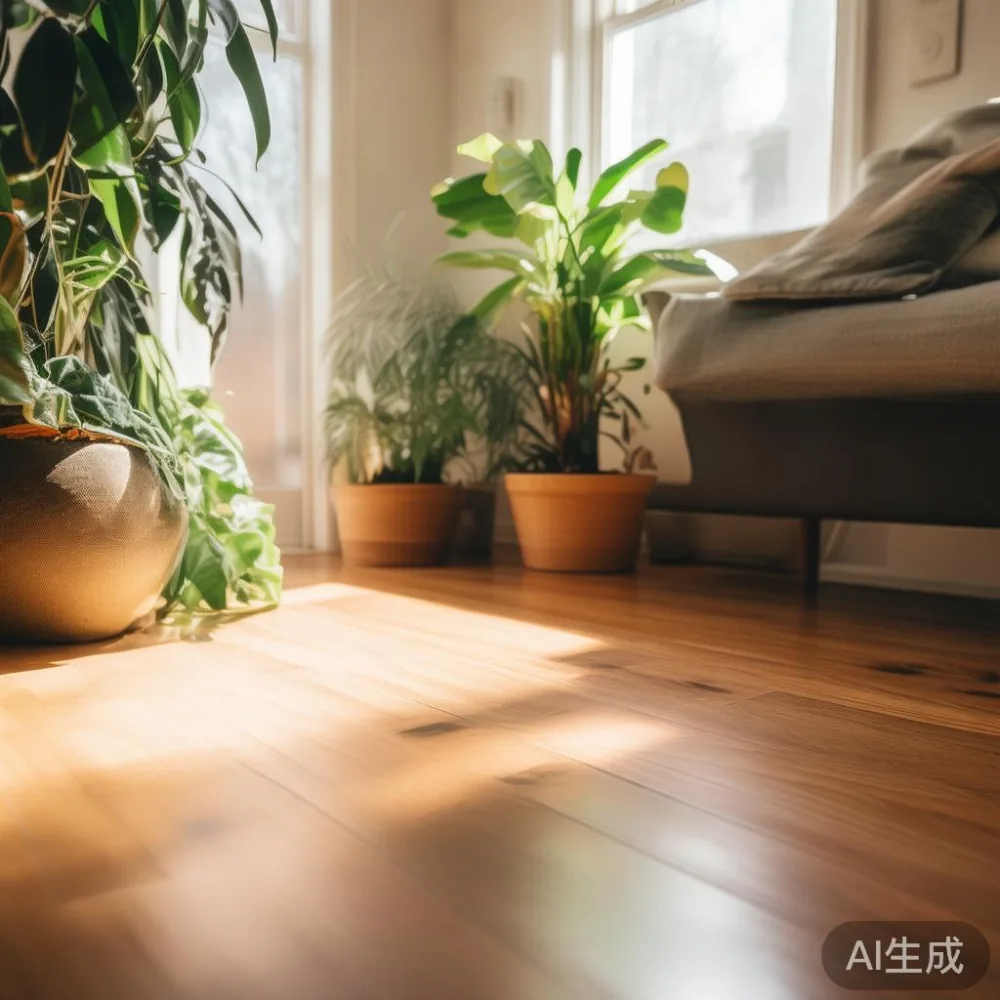
Minimalism is often misunderstood as cold, stark, and sterile. A warm minimalist interior, however, strips away the non-important but embraces natural materials, soft textures, and a soothing colour palette. Think of a space defined by clean lines, uncluttered surfaces, and a sense of airiness, but grounded by the rich grain of a solid wood dining table or the soft linen of an armchair. This approach is particularly effective for pet owners. It creates a predictable, calm environment for your pets, reducing anxiety. More practically, a minimalist space is easier to clean. With fewer objects, there are fewer places for fur to accumulate and fewer items to be accidentally knocked over by a wagging tail. It’s about creating a harmonious balance between aesthetic tranquillity and the joyful reality of sharing your home with a pet.
How Do I Choose Furniture That Blends Seamlessly with My Pet's Lifestyle?
This is a common question we hear from homeowners in Bedok and beyond. The key is to select furniture that is both aesthetically pleasing and functionally resilient for your furry family members. For instance, a solid wood sofa is an excellent choice. Its hard, smooth surface is less likely to snag claws than fabric, and it can be easily wiped clean. When choosing, consider the height and depth. A sofa that is too low to the ground might become a prime napping spot for a cat, while one that is too deep might be difficult for a small dog to climb onto. The weight of the furniture is also a factor; a heavier sofa, often weighing over 50kg, is more stable and less likely to be tipped over during enthusiastic play. The solution is not to avoid furniture but to choose wisely, opting for pieces that acknowledge the presence of pets without sacrificing style. This is where the concept of pet furniture becomes less about specific items and more about a smart selection of general furniture that works for everyone.
Material Matters: Solid Wood, Marble, and Pet-Friendly Finishes
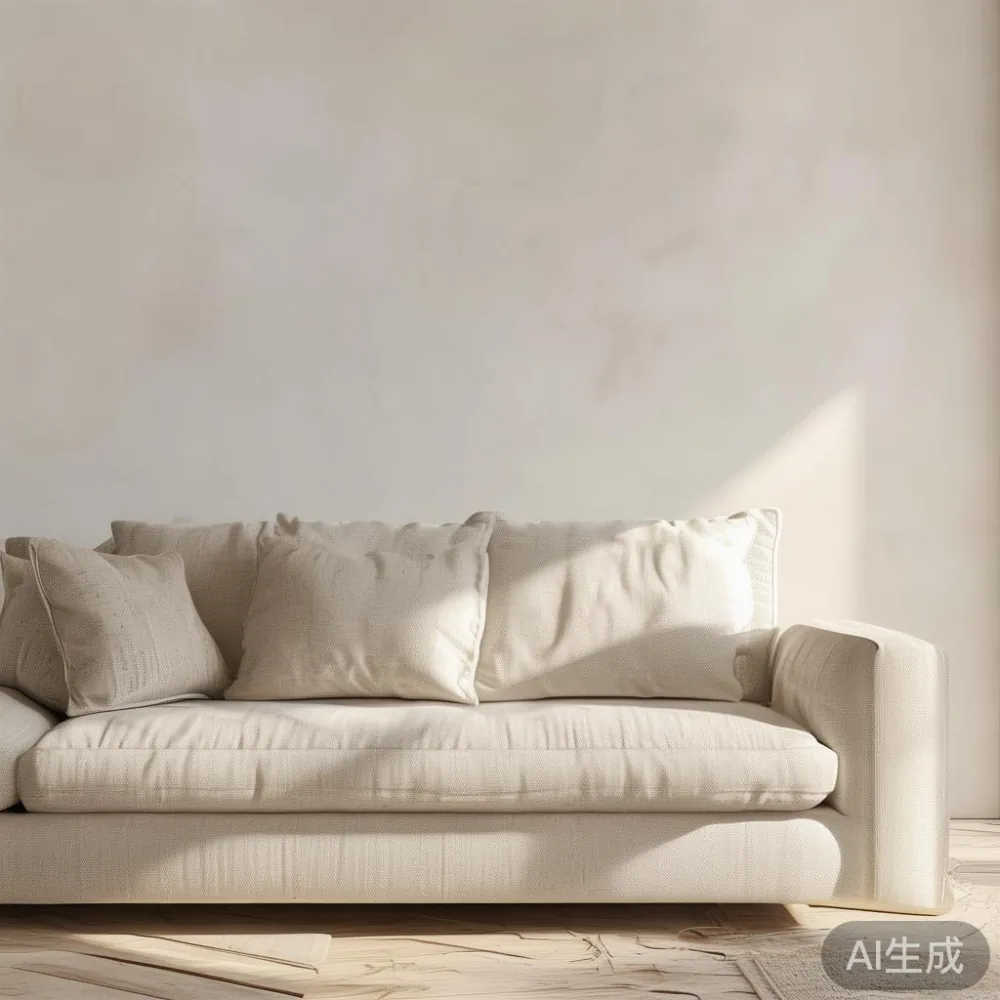
The materials you choose form the foundation of a warm, minimalist home. Solid wood is a cornerstone of this style. A solid wood bed frame or dining table brings warmth, texture, and a connection to nature into the space. For pet owners, the type of wood finish is critical. A hard, dense wood like oak or walnut, with a durable, non-toxic lacquer or oil finish, can withstand the occasional scratch far better than softer woods or veneers. Last month, I visited a client in a Punggol EC who had a beautiful solid wood dining table that had seen better days after years of a Golden Retriever using it as a scratching post. We recommended a sand-down and re-oiling, a service many quality providers offer, which restored the table to its former glory without needing a replacement.
Marble is another material that can improves a minimalist space. A marble table top, whether for a dining set or a side table, adds a touch of light luxury with its cool, veined surface. While it can be porous, a properly sealed marble surface is relatively easy to clean of spills or muddy paw prints. It's less likely to hold onto pet odours compared to fabric. For a wardrobe, the choice is similar. A solid wood wardrobe with smooth, rounded handles is ideal. It provides ample storage for pet supplies, toys, and beds, keeping them out of sight and contributing to the uncluttered minimalist aesthetic. The durability of solid wood means it can withstand the occasional bump or scratch from a pet trying to get your attention.

Strategic Furniture Placement for Harmony and Safety
How you arrange your furniture is just as important as what you choose. In a Singapore apartment, space is a premium. The goal is to create clear pathways, especially near doors and windows, to prevent accidents and give pets room to move. Place your solid wood sofa against a main wall, not floating in the middle of the room. This creates a sense of stability and opens up the floor space. A pet's bed or a designated scratching post can be tucked neatly into a corner or under a console table, integrating it into the room's layout rather than letting it dominate.
Consider the flow from the living area to the kitchen or bedrooms. A narrow corridor, common in older HDB blocks, requires particular care. Avoid placing bulky items like wardrobes in these tight spaces. Instead, opt for slimmer designs that still offer ample storage. The placement of a nightstand next to the bed should leave enough room for a cat to jump up or for a dog to settle comfortably beside you. The idea is to design a space that is intuitive and comfortable for all its inhabitants, two-legged and four-legged alike. A well-planned layout prevents furniture from becoming an obstacle course for your pets and helps maintain the serene, open feel of a minimalist home.
Can I Achieve a Light Luxury Look on a Singapore Budget?
Absolutely. The light luxury style, whether it's French, American, or post-modern, is about curated quality rather than ostentatious price tags. It’s about investing in a few key pieces that make a statement. For example, instead of filling a room with many small items, invest in a single, high-quality piece like a designer European light luxury furniture item that anchors the space. This could be a substantial dining table or a standout bed frame.
When shopping, focus on value and longevity. A solid wood sofa might have a higher initial cost than a flat-pack alternative, but its durability means it will last for years, even with pets. Look for brands that offer a structural warranty, such as a 10-year guarantee, which provides peace of mind. The lifetime refinishing service offered by some makers like MIDHILL is another key feature; it means your sofa can be restored, extending its life indefinitely. This long-term perspective is important in Singapore, where the Goods and Services Tax (GST) applies to all purchases. Viewing a piece of furniture as a long-term investment, rather than a disposable item, makes the initial cost more palatable and aligns perfectly with the principles of a sustainable and minimalist lifestyle.
Incorporating Pet Furniture Without Sacrificing Style
While the term pet furniture often brings to mind unsightly plastic carriers or bulky cat trees, modern design offers far more elegant solutions. The key is to integrate these items into the existing decor. For example, a cat tree doesn't have to be a garish jungle gym. Many are now designed with natural wood and neutral-coloured fabric, resembling a minimalist shelving unit or a stylish side table. It can be placed in a corner, functioning as both a piece of decor and a feline playground.
For dogs, consider a raised dog bed that matches the colour and texture of your sofa. Placed next to it, it can look like a stylish pouffe or ottoman. Hidden feeding stations are another brilliant idea. A cabinet with a flip-top lid can house your dog's bowls, keeping the kitchen or dining area tidy and preventing spills on your beautiful marble table. These solutions show that you don't have to choose between a beautiful home and a happy pet. With a little creativity, your pet's needs can be met with items that enhance, rather than detract from, your minimalist aesthetic.
Is a Post-Modern Sofa a Good Choice for a Pet-Friendly Home?
The post-modern style, characterised by bold shapes, unique silhouettes, and a mix of materials, can be a fantastic choice for a pet-friendly minimalist home. A best Post-modern sofa for 2026 might feature clean, geometric lines but in a more sculptural form. These sofas often use performance fabrics or easy-to-clean leathers, making them practical. The structured forms of post-modern furniture can also be more stable, with wide, solid bases that are less likely to be toppled. The key is to choose a piece with a durable finish and to avoid anything with overly delicate details that could be easily chewed or snagged. A well-crafted post-modern sofa can be a stunning centrepiece that is both conversation-worthy and resilient enough for everyday life with pets.
Practical Tips for Maintaining Your Minimalist Haven with Pets
Living with pets in a minimalist home requires a consistent cleaning routine, but it's manageable. The benefit of the style is that there are fewer surfaces to dust and clean. Invest in a good quality vacuum cleaner with a pet hair attachment. For hard surfaces like wood and marble, a microfiber cloth and a gentle, pet-safe cleaner are all you need. Keep a lint roller handy for your sofas and chairs.
Regular grooming for your pets is the first line of defence against shedding. A well-groomed pet sheds less, making it easier to maintain a clean home. Designate a specific area for pet supplies, perhaps a stylish basket or a low cabinet in the entryway, to keep leashes, toys, and treats organised and out of sight. By establishing these simple habits, you can easily maintain the clean, serene atmosphere of your warm minimalist interior, ensuring it remains a peaceful sanctuary for both you and your pets.