How to Choose the Right-Size Pet Furniture for a Singapore HDB Living Room
A pet-friendly living room should feel comfortable for both people and animals without crowding the walking routes, lift lobbies, or dining area. In many Singapore HDB flats and condos, the difference between a well-proportioned arrangement and an overcrowded one comes down to measurements in centimetres, clearances in millimetres, and realistic door and lift dimensions.
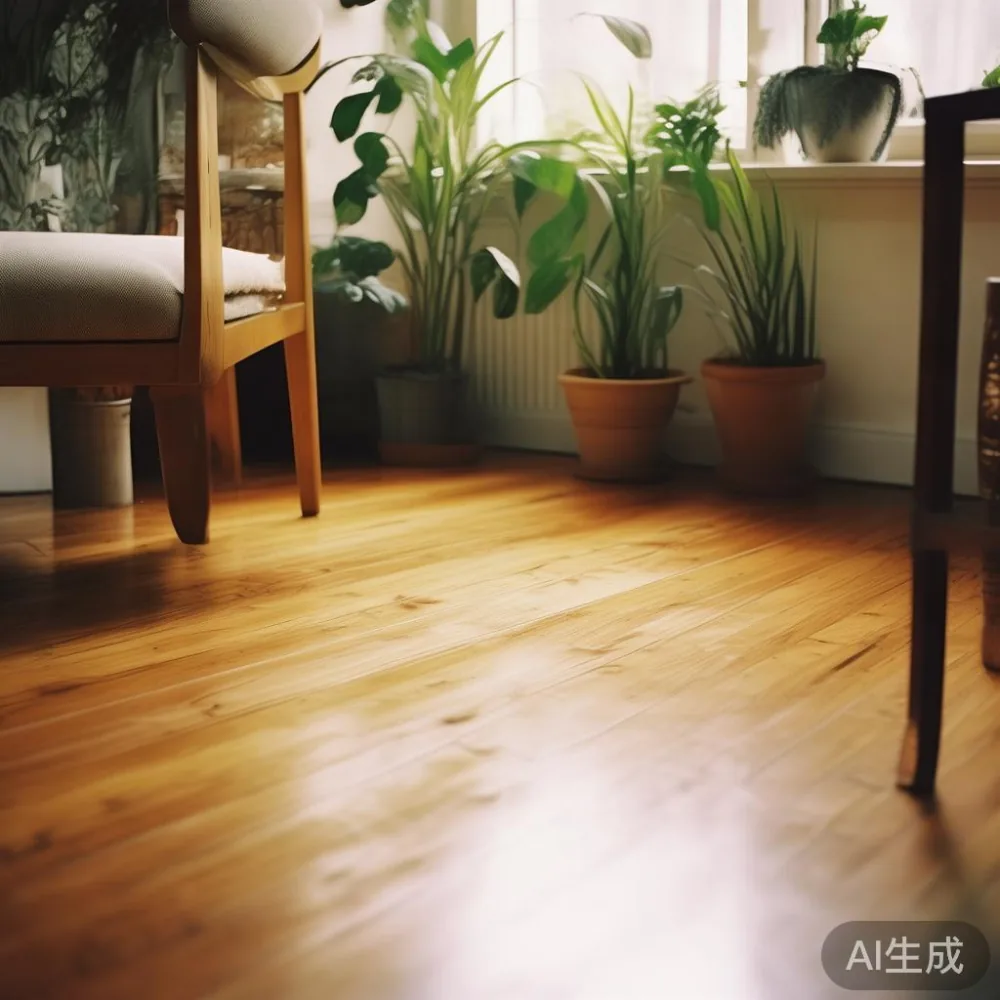
At MIDHILL, solid wood furniture is made around practical dimensions, enduring materials, and the way families actually live. This guide explains how to size pet furniture for homes in Tampines, Bedok, Punggol, and other high-density Singapore neighbourhoods, while keeping costs in SGD and delivery expectations in days.
What measurements should I take before buying pet furniture?
Begin with a tape measure, a pencil, and the floor plan from your HDB or condo management office. Record the room's longest wall, the position of doors, the dining table and chairs, television wall, windows, and every outlet. Pet furniture must not block a door leaf, an air-conditioner service access panel, or a corridor that residents use daily.
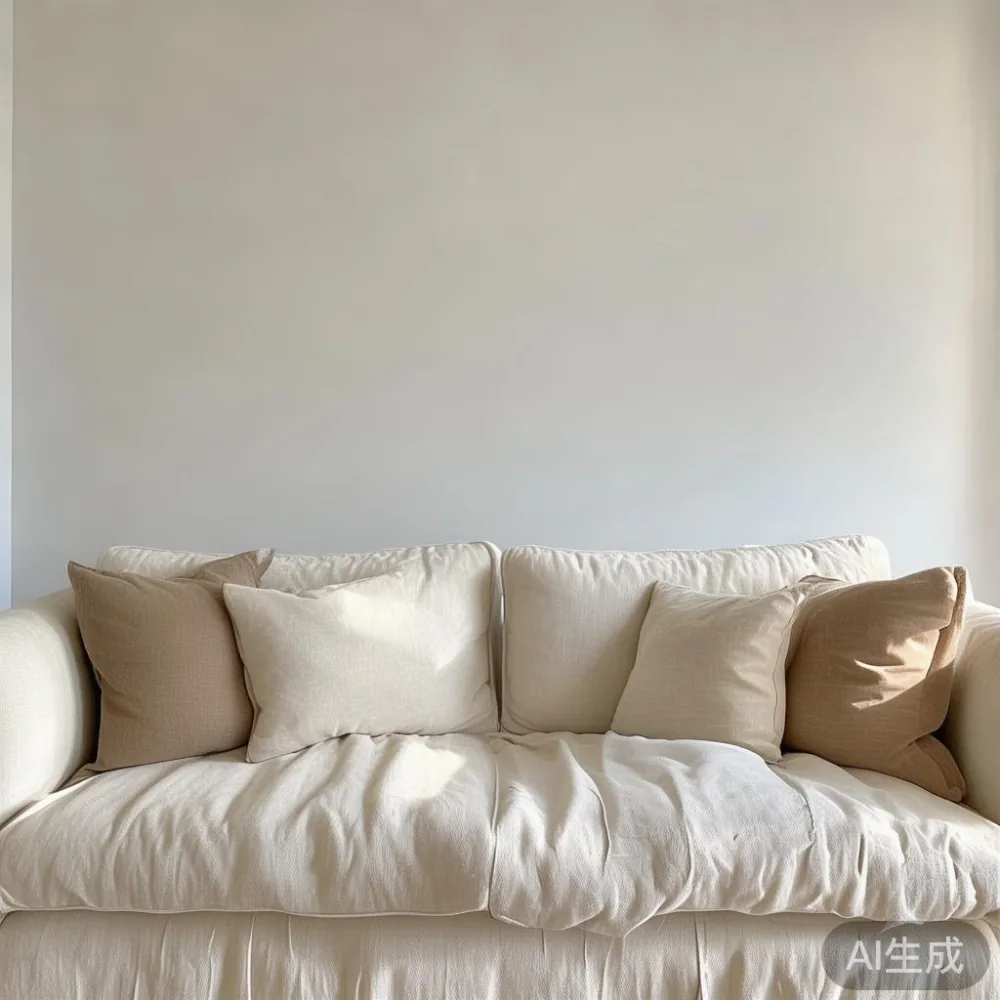
For an open-plan living-dining room, measure the usable length from the sofa edge to the dining zone. A typical compact HDB living room may provide only 280–360 cm of effective width after the sofa, coffee table, pet bed, and circulation gaps are accounted for. In a larger Tampines or Punggol executive flat, the same space may measure 360–450 cm. Do not rely on estate advertising figures alone; every built-in unit can reduce usable space.
Measure the pet area separately. Record the pet's nose-to-tail length, standing height, and sleeping posture. A curled-up cat may fit within 60 × 45 cm, while a medium dog stretched out may need 110 × 75 cm. For a pet that changes position, leave at least 10 cm beyond its longest measured dimension.
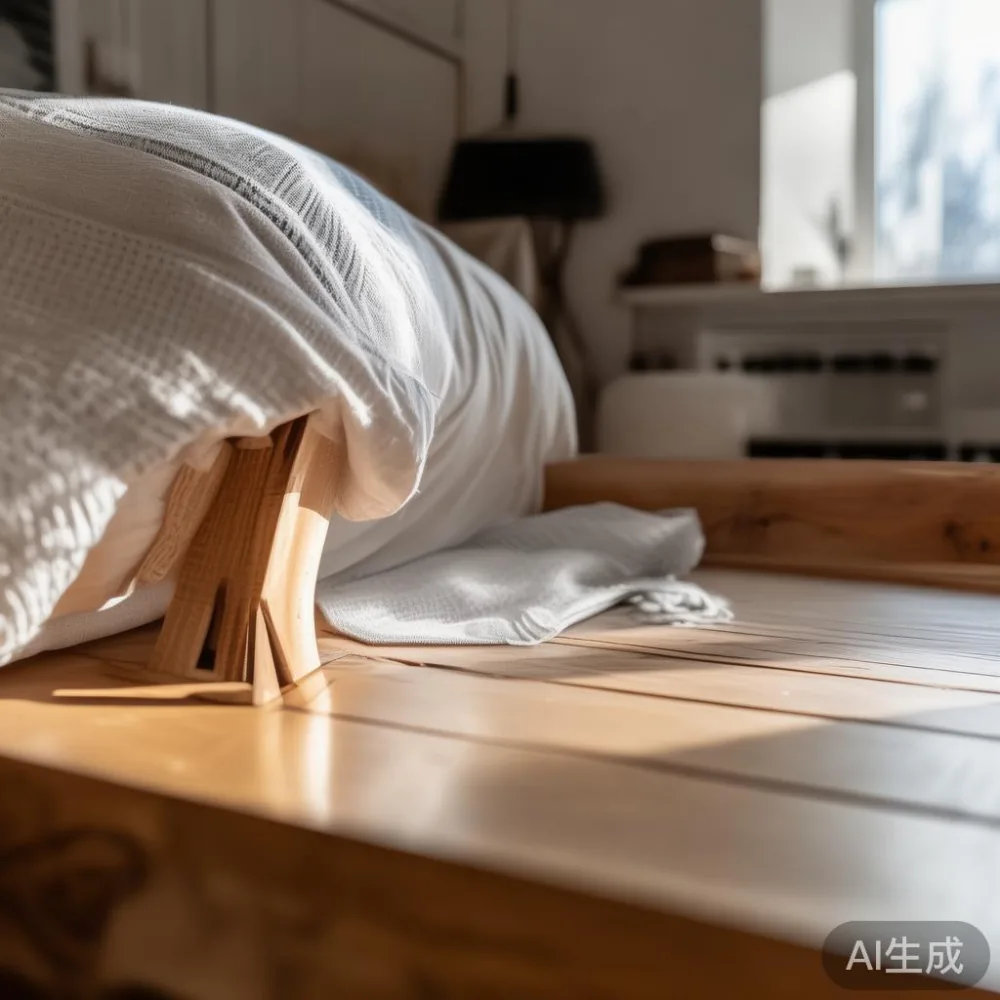
Also check delivery access. Common HDB lift openings measure around 90 cm wide and 200–210 cm deep, though older blocks and service lifts vary. A 120 cm-wide pet cot may enter a 100 cm lift diagonally but may not pass a 90 cm opening with the carton. Record the lift door width, lift car depth, corridor turns, and the distance from the lift to your unit door.
How much floor space should a pet bed leave around it?
Leave at least 60 cm of clear walking space beside a pet bed when it sits beside a sofa or dining table. That gives an adult dog room to turn around and gives an older pet a gentle exit without squeezing against furniture. A pet ladder, feeding station, or scratching unit needs 75–90 cm of front clearance.
Pet furniture should touch the room's visual order rather than compete with it. A low pet bed near a window can fill an otherwise empty corner; a tall pet cabinet beside a television may make the room feel narrower. For hard floors common in Singapore condos, add a washable mat measuring roughly 10 cm wider than the bed on each side. For timber flooring in older HDB homes, place felt pads beneath every leg and check that the finish has cured for at least 72 hours before use.
The layout should also account for pets moving between water, food, rest, and the outdoors. A route of 60–90 cm works well in most flats. Avoid placing water bowls immediately beside a solid wood dining table or bed frame, because splashing can damage the surface. A marble table may look refined but requires coasters and a separate pet-water zone, preferably at least 90 cm away.
Which pet furniture size suits a compact HDB living room?
Choose low-profile pet furniture with a footprint no larger than 100 × 70 cm for a small flat, or 120 × 85 cm for a medium dog. A slim, wall-mounted resting shelf can use vertical space without reducing the floor route, while a compact feeding station with a 45 cm base may suit a cat. For a dog bed, check whether the pet can climb in without jumping onto a person seated nearby.
For a 3-room HDB flat with a living-dining area of approximately 300 × 360 cm, a 160–180 cm solid wood sofa can leave room for a 90 × 65 cm pet bed only if the pet bed is placed under a window or along a shortened return wall. A 200–220 cm sofa usually needs a room depth of 360–400 cm beyond the coffee table. This is where the search for a best European light luxury sofa for 2026 can be reframed: the useful sofa is not simply photogenic, but correctly scaled to its room.
For a 4-room or 5-room HDB home, a 200–230 cm sofa may be practical. A 140–160 cm bed frame can suit a master bedroom of approximately 270 × 330 cm, while a 120 cm wardrobe leaves 90–110 cm in front when drawers are open. Pet furniture should follow the room rather than dictate it.
Light-luxury styling helps small rooms because pale finishes and slender profiles reduce visual weight. French light luxury might use a cream pet bed, a 180 cm sofa, and a narrow side table. Post-modern light luxury can work through one geometric pet ottoman rather than several mismatched accessories. Avoid placing more than 3 low-level pet items within a 4 × 4 m living area.
Can pet furniture fit through a lift and narrow corridor?
Ask the seller for the packaged dimensions, not only the product dimensions. A pet bed may measure 110 × 70 cm but arrive in a carton measuring 118 × 78 × 24 cm. Compare that carton with the narrowest lift opening, corridor turn, and unit door. If the clearance is less than 2 cm on either side, request an unboxed or flat-packed delivery option.
For example, a 100 × 65 cm solid wood pet bed in a 112 × 72 × 18 cm carton will fit a 90 cm lift opening only if the relevant diagonal and internal car dimensions allow it. A deeper carton may not fit even when its width appears acceptable. Request written confirmation of the lift car dimensions and corridor turning points before paying the delivery charge.
Use the same method for the main furniture. A solid wood sofa may arrive in several modules, while a bed frame and wardrobe may arrive as flat panels. For an American bed vs Italian light luxury bed comparison, packaged construction can matter as much as style in a Singapore apartment. MIDHILL can confirm carton sizes and shipping arrangements for each piece.
Pet furniture delivery to most Singapore addresses commonly takes 7–14 business days after production, though made-to-order timber can take 21–35 days. Place orders 4–6 weeks before an event or renovation handover. Measure the route again on delivery day, because neighbouring residents may have left prams or shoes in the corridor.
How do I coordinate pet furniture with a solid wood sofa and dining table?
Repeat the room's main timber colour so pet furniture reads as part of the scheme. A solid wood sofa with warm oak legs can pair with an oak pet bench, while a darker walnut finish may suit a charcoal pet bed. A marble table adds contrast, but its surface should remain separate from pet sleeping and feeding areas.
In an open-plan room, align the pet bed with the sofa or dining table rather than leaving it at an awkward angle. A 150–180 cm dining table needs about 75 cm behind each occupied chair, so placing a 45 cm feeding station immediately behind it will restrict movement. A 120 cm sideboard can organize pet supplies while preserving a 90 cm route to the balcony.
For bedrooms, Mid-century modern for bedroom layouts are particularly useful because storage is placed low and circulation remains simple. A 120 cm bed frame with a 45 cm nightstand on one side can leave a 70 cm pet bed at the foot, provided the room is at least 330 cm long. A 60 cm-wide nightstand is easier to pair with a compact pet cubby than a large 70 cm unit.
Wardrobes need planning for pet safety. A pet cot should not block ventilated storage containing toys or food. If you are learning how to style American wardrobe in apartment layouts, a full-height unit can form a clean wall while a low feeding point stays visible from the kitchen. Keep cords in a covered conduit and place unstable ornaments above 120 cm.
What should I budget for correctly sized pet furniture in Singapore?
Practical pet furniture in Singapore may range from SGD 120 for a small washable bed to SGD 380 for a solid wood feeding station, while a large pet house or cabinet can cost SGD 450–1,200. Timber pet furniture with a protective finish may fall between SGD 280 and SGD 750. Marble-topped accessories can reach SGD 900–1,600 because of the stone slab and heavier packaging.
Budget around SGD 40–120 for delivery within Singapore, with exact charges confirmed at checkout. For orders above US$350, MIDHILL provides free shipping, though the local GST and any Singapore delivery fee still need careful review. A 9% GST applies to most goods sold locally in Singapore.
Consider more than purchase price. A low-quality pet bed may need replacing after 6–12 months, whereas a washable cover and a timber base rated for 25–30 kg can serve for several years. Solid wood furniture may represent a larger initial cost, but its repairable construction can support a 10-year structural warranty. MIDHILL also offers lifetime refinishing, which helps maintain colour consistency between a pet bed frame, side table, or cabinet over time.
For wider style comparisons, research the best Mid-century modern furniture dimensions from actual showrooms or verified product pages. Style labels should guide the look, not replace measurements. Ask for 1:10 drawings, material specifications, load limits, and packaged dimensions before committing to a custom order.
How do I create a light-luxury pet corner without making the room feel smaller?
Use one focal pet furniture piece, one lighting source, and a small number of coordinated accessories. A 110 × 75 cm raised pet bed with a linen cushion, a slim 35 cm floor lamp, and a framed pet portrait can make a corner intentional. Keep the tallest item below 140 cm if it stands beside a window in a compact living room.
Choose a colour palette of 3 main tones: wall neutral, timber, and pet accent. A pale beige pet basket can disappear into a warm neutral scheme; a moss-green cushion can provide a quiet focal point. French light luxury works with curved edges and cream upholstery, while American light luxury often uses deeper upholstery and structured timber. Ensure any fabric is tightly woven and can be removed for cleaning.
Pet zones should feel separate without being isolated. A rug can define the corner, but choose a washable pile of no more than 12 mm so it remains manageable in humid weather. Avoid loop-pile carpets that trap claws. A 60 cm barrier can redirect a dog away from a dining table, but the barrier should be stable and should not create a narrow passage.
What mistakes cause pet furniture to crowd a Singapore home?
The most common mistake is buying the pet item before measuring the complete room. Another is treating the pet as a small person and giving a dog a human-scale chair. Human seating heights of 42–48 cm may not suit a short or ageing pet, so add a 15–25 cm step if needed. A pet should be able to rest without balancing on the front edge.
The second mistake is ignoring the sofa's occupied depth. A 220 cm sofa may be 90 cm deep, leaving insufficient space for a coffee table and walking route. The third is underestimating the open door swing. Leave the full door movement, usually 85–95 cm, plus 10 cm of clearance around a pet cot.
Do not overlook balcony thresholds. A pet bed near a sliding door must not obstruct the track, and outdoor humidity can affect untreated timber. Select pet furniture with a sealed finish suitable for Singapore's year-round humidity, and avoid placing it directly against an air-conditioning unit where airflow and condensation are concerns.
Last, do not assume a carton will fit because the assembled product does. Record every narrow point from the van or lobby to the room. Check that the packaging can be removed without damaging walls, and retain it in case a 14-day return is required.
What is the right way to test a pet furniture arrangement?
Test the arrangement with tape on the floor before ordering. Mark the sofa, pet bed, dining table, and 60 cm circulation routes. Walk the route as a resident, then guide a dog through it with a lead. Observe whether the pet can reach water and a resting place without brushing the dining table or the marble table edge.
Last month I visited a Punggol condo where a family had placed a 140 × 90 cm pet bed beside a 220 cm sofa. The room looked comfortable until the balcony door opened; the bed reduced the route to about 48 cm. We shifted the bed beneath the window and moved a 45 cm side table into the freed space. A 120 cm feeding station then sat against the dining room's rear wall, leaving 91 cm of clear passage.
The family also requested an ottoman instead of a large coffee table. That single change created 26 cm more movement space and gave the dog a low step beside the sofa. This example shows why visual taste and real clearance should be checked together.
For delivery, measure again and photograph the route. Unpack near the room's final position, check all joints, and confirm that a 25 kg pet's weight is within the stated limit. Let a protective finish cure for the recommended period, normally 48–72 hours, before allowing climbing or sleeping. With accurate measurements and a room-first approach, pet furniture can support daily comfort while preserving the refined proportion of a Singapore home.