Lacquered Pet Furniture Care for Singapore Homes
Lacquer can give solid wood a polished, light-luxury finish, but Singapore’s heat, humidity, salt-laden air, and everyday pet activity require a disciplined care routine. In compact HDB flats and condos across Tampines, Bedok, and Punggol, a lacquered pet furniture set also has to negotiate with narrow lift doors, corridor turns, balcony doors, and limited storage space. Proper care is not simply about wiping the surface once a week; timing, product choice, airflow, and furniture placement all affect how the finish ages.
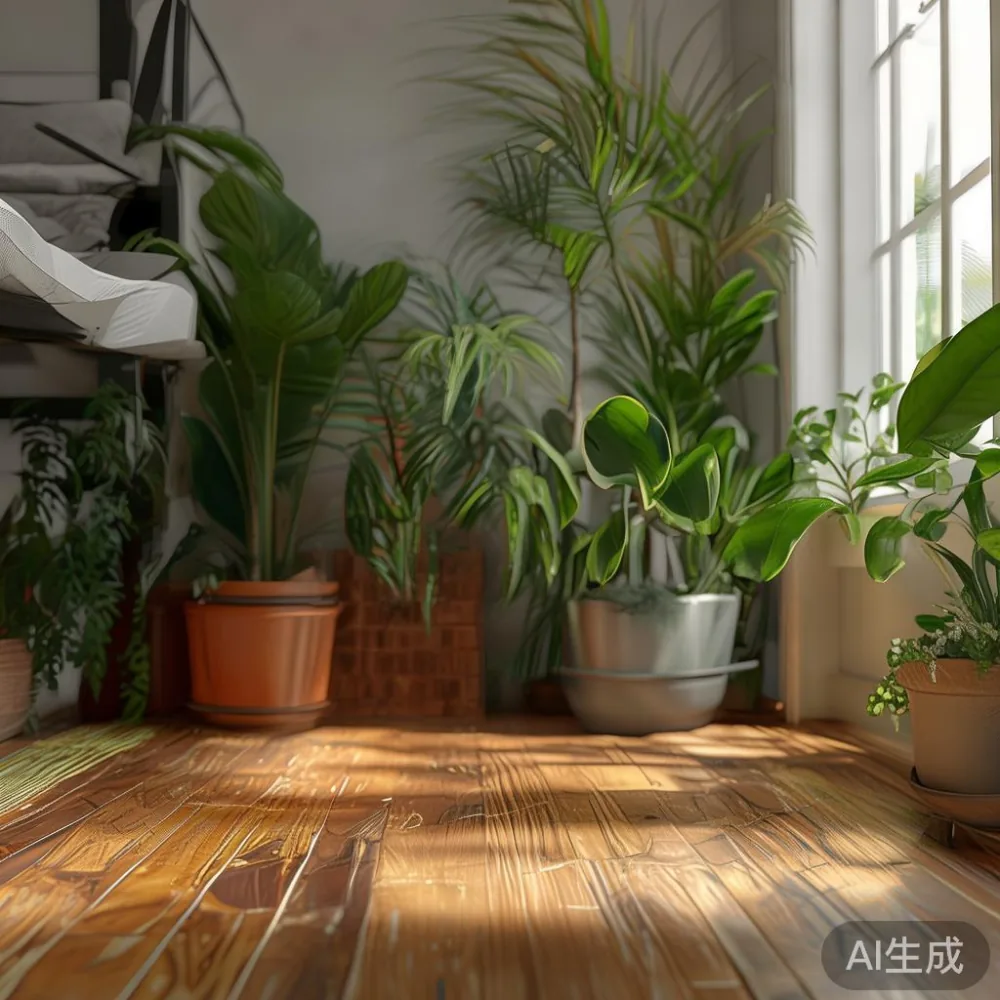
For solid wood furniture, lacquer is a protective coating rather than a substitute for sensible environmental control. A dining table near a west-facing window, a bed frame beside an air-conditioning vent, or a nightstand pressed against a humid balcony wall can experience very different conditions within the same apartment. The goal is to preserve the colour, sheen, and structural integrity while creating a safe, comfortable setting for pets.
MIDHILL designs lacquered furniture around real household requirements, backed by a 10-year structural warranty and lifetime refinishing support. Care records also make it easier for owners to pass an ageing piece to another household. If you want guidance for a particular finish, include clear photographs and measurements when contacting MIDHILL at midhillco@gmail.com.
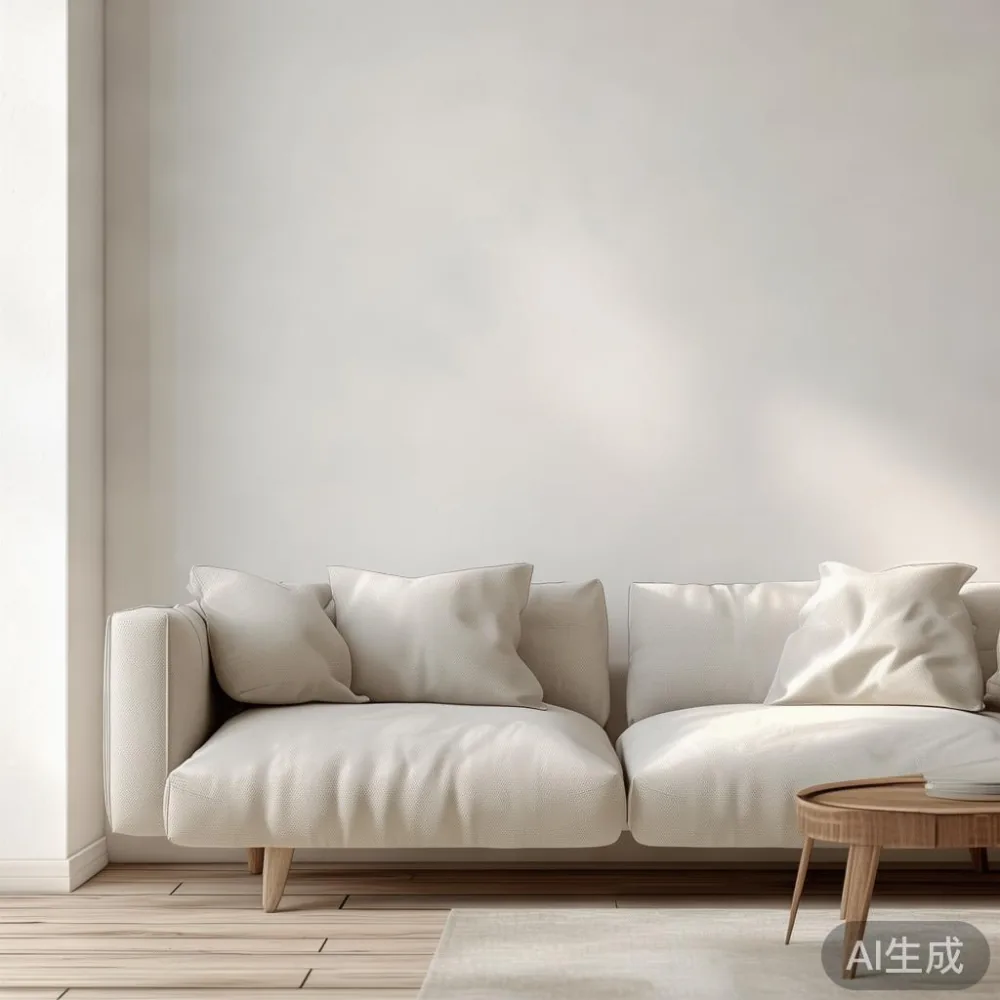
What does tropical humidity do to lacquered solid wood?
Singapore’s relative humidity commonly ranges from roughly 60% to 85% across the year, with monsoon periods often feeling heavier than official room readings suggest. Lacquer generally tolerates normal indoor conditions, but prolonged moisture exposure can cause a faint haze, soften the surface, create tiny bubbles, or allow the underlying timber to move more than usual.
Keep lacquered pieces away from direct rain and damp washing areas. For a pet furniture arrangement in a Tampines HDB flat, position a pet side table or low feeding station at least 30 cm from an open balcony door, and 60 cm from a washing machine or water dispenser. In a Punggol condo with a west-facing balcony, consider sheer curtains plus a gap of 45 cm between the dining table and the glazed doors.
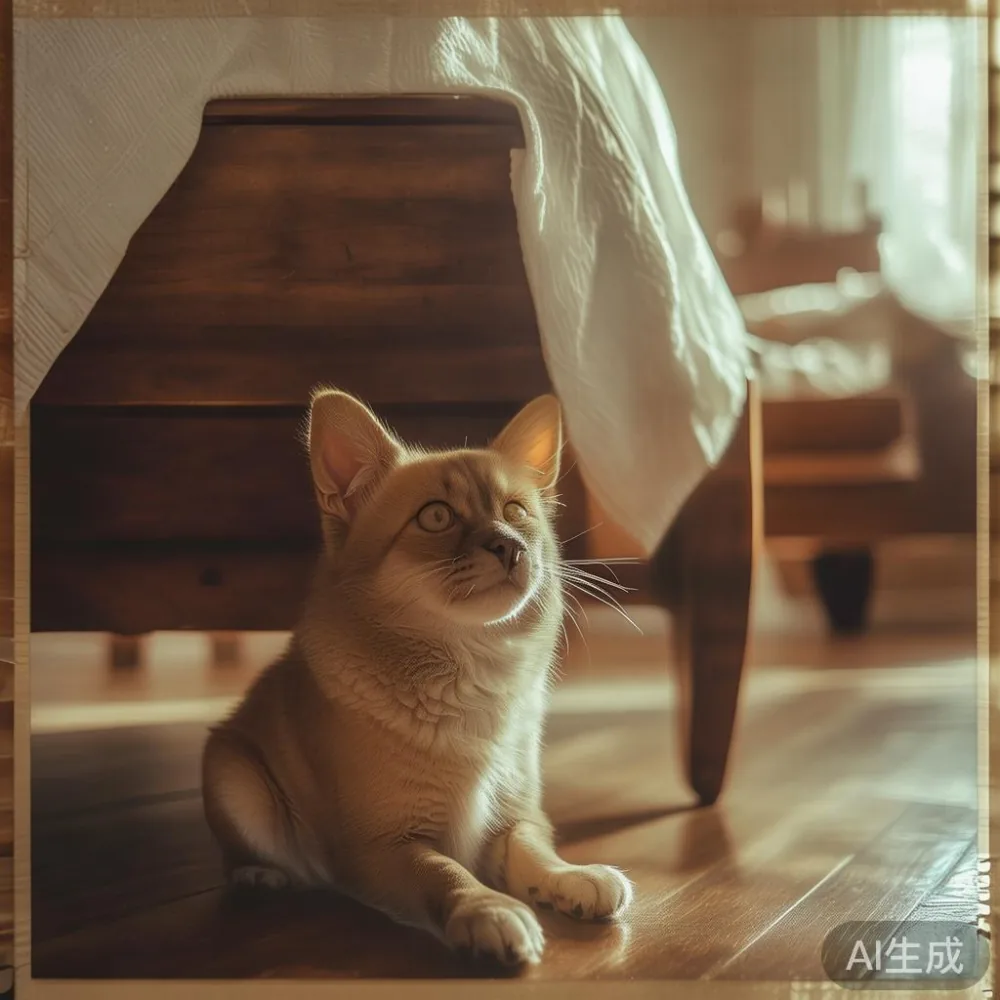
Air movement matters more than chasing a perfect number. Use air-conditioning or a dehumidifier to maintain about 50% to 65% relative humidity indoors where possible. Do not aim an air-conditioning vent directly at a lacquered bed frame, wardrobe, nightstand, or solid wood sofa. A controlled room is preferable to a dry but excessively windy one.
Check lacquer every 2 weeks during humid months. Run a clean fingertip over the surface: it should feel smooth, without a tacky or greasy film. Inspect corners, edges, pet-contact zones, and areas beneath cushions. If condensation appears within 24 hours of cleaning, wipe it promptly with a dry microfibre cloth and improve ventilation.
How should I clean a lacquered surface without damaging the finish?
Begin with a soft, dry microfibre cloth. Dust should be removed regularly because grit can act like sandpaper under pet claws or a pet’s tail. Vacuum upholstered sections using a brush attachment and hold the nozzle about 2 cm above the fabric to avoid snagging loops or piping.
For a more thorough clean, use warm—not boiling—water with one small drop of mild, fragrance-free dish soap in a 500 ml spray bottle. Mist the cloth rather than the furniture, then wipe along the grain. A lacquered dining table should receive no more than 2 to 3 sprays per section. Wipe again with a second damp cloth, and dry with a clean cloth within 5 minutes.
Avoid silicone sprays, furniture polish containing wax, ammonia, alcohol, acetone, bleach, and strong alkaline cleaners. These may alter gloss, leave a film that attracts dust, or soften some clear coats. If a pet furniture surface has been exposed to paw mud, remove dry residue first; for damp residue, use the diluted soap method rather than soaking it.
Test an unfamiliar cleaner on a concealed 5 cm by 5 cm area for 24 hours. This is particularly important for a marble table because acid-based cleaners can dull stone, and for a lacquered nightstand whose top may combine veneer, solid wood, and metal details. Never use the same aggressive cleaner on every material in one room.
My colleague tested a lacquered pet console in Bedok last month using three cloths: a terry towel, a polyester cloth, and a 200 GSM microfibre cloth. After 30 cycles of simulated paw wiping, the terry towel left visible lint, while the microfibre cloth left no visible residue. The polished edge also stayed clear. That simple comparison is why the cloth specification is more useful than an expensive cleaning product.
How often should pet owners wipe lacquer, and what should they watch for?
Use a routine based on contact rather than a single monthly schedule. A heavily used feeding station may need a quick wipe every 2 to 3 days, while a lacquered wardrobe door might only need attention every 2 weeks. A solid wood sofa used by a pet should be vacuumed weekly and checked for embedded grit after outdoor walks.
For a low pet table, inspect the top after each feeding session. Use a dry paper towel to lift fresh crumbs and a slightly damp microfibre cloth for marks. For a pet bed frame, check after bathing or grooming because repeated damp contact can be more damaging than an occasional spill.
Look for 4 warning signs: a cloudy patch larger than a 5 cm coin, a tacky feeling, a coating that lifts at an edge, or a movement gap exceeding 2 mm around a joint. Cloudiness can sometimes be polished away, but lifting lacquer needs a professional assessment. Avoid sanding it yourself, especially on a lacquered wardrobe or bed frame with a colour-matched top.
Pets also create chemical exposure. Keep nail-clippers, flea treatment, medicated shampoo, and citronella sprays away from the finish. A dog or cat that repeatedly rubs against a cabinet may gradually burnish the sheen, creating a lighter patch. Felt pads attached with removable, pet-safe adhesive can help, provided they are changed every 3 months before dirt accumulates underneath.
Can condensation from drinks and bowls cause lacquer to peel?
Repeated condensation can weaken lacquer, especially if a water ring remains for 24 hours or more. A chilled metal bowl may produce around 5 to 15 ml of condensation in a humid room, so use a coaster or silicone mat rated for the bowl’s base. A 20 mm rim around the mat can catch minor overflow.
Coasters should be at least 2 cm larger than the vessel on every side. Replace a leather or fabric coaster once it becomes damp, rather than allowing it to hold water against the lacquer. For a marble table, the same habit protects the porous stone and the lacquered timber surround.
Do not place hot pans directly on lacquer. A pot that is 80°C can leave a mark within seconds, and a pet may knock it from a side table. Use a heat-resistant trivet with a minimum stand-off of 10 mm. If spills occur, lift the item first, absorb the liquid, and wipe the surface instead of spreading it.
During Singapore’s 11-month monsoon interval, wipe condensation from window-side furniture every 2 days. Check the underside of a dining table and the edge of a nightstand, where water can travel unnoticed. A torch or phone flashlight at a low angle can reveal early lifting that is hard to see in daylight.
Is lacquered pet furniture suitable for HDB flats and condos?
It can be, provided the material, dimensions, and daily care plan suit the home. A lacquered solid wood sofa with a raised base of 18 cm can simplify cleaning beneath it, while a pet-friendly feeding station placed beside—not inside—a 45 cm dog-feeding gap may work better in a narrow dining area.
Measure the route before ordering. HDB lift doors are often about 80 to 90 cm wide, and some residential lifts are only 100 to 110 cm deep. A sofa delivered in 3 sections, each under 95 cm wide, may negotiate a tight lift more easily than a rigid 180 cm frame. For corridor turns, confirm the packaged diagonal and ask the supplier to provide the carton dimensions.
Local delivery usually takes 7 to 14 days for made-to-order furniture, while ready or stock items may arrive in 3 to 7 days. Budget roughly SGD 30 to SGD 80 for a standard HDB delivery, and SGD 60 to SGD 150 for a stairs or bulky-item service, subject to the building manager’s rules. GST is chargeable on the furniture and delivery service. MIDHILL offers free shipping above US$350, but local freight terms should still be confirmed in SGD before checkout.
Before accepting delivery, inspect the lacquer in daylight and under a warm lamp. Photograph the 6 faces, edges, joints, and packaging. Record any existing scratches with a ruler beside them. This documentation makes a 10-year structural warranty claim much clearer.
How do I choose furniture that suits a small home and a pet?
Begin with clearance, not appearance. Leave at least 60 cm between a sofa and a dining table for a main walkway, and 75 cm where a person carrying a hot dish may pass. For a bed frame, allow 60 cm on the more accessible side and 45 cm on the other where space is limited. A wardrobe should have 90 cm in front if doors open beyond 90 degrees.
For a pet household, rounded edges, stable proportions, and replaceable fabric panels are more practical than fragile projections. A dining table with a solid wood top should have a base that does not rock when a 25 kg pet leans against it. A nightstand should have enough weight to resist being dragged, but it should also be light enough to move for cleaning—ideally below 15 kg.
Finish selection affects maintenance too. A deep matte lacquer can disguise fine dust, while a high-gloss coat shows fingerprints and water marks. French light luxury often favours restrained profiles and soft, reflective finishes; American light luxury tends toward generous comfort and practical detailing. Post-modern light luxury can pair clean planes with warm timber, which works well when the lacquer is not perfectly uniform.
Owners comparing a light luxury sofa vs Italian light luxury sofa should compare lacquer chemistry, frame construction, cushion density, and aftercare—not merely the name. The same principle applies to broader product research. A guide to how to choose Mid-century modern sofa should address seat height, cleaning access, and the stability of adjacent pet furniture. Advice on american sofa set design should include how pets move around the room, while an assessment of is Japanese sofa worth it should cover removable covers, floor clearance, and local serviceability. For the sleeping area, how to choose Mid-century modern bed should include under-bed clearance, rounded corners, and moisture control. A plan labelled Industrial for dining room can work with a timber and metal table, provided the metal is powder-coated and kept away from standing water.
What should I do if the lacquer is scratched, cloudy, or peeling?
Minor dust or superficial wiping marks can sometimes be restored with a clean microfibre cloth. A cloudy finish may also improve after 2 or 3 gentle passes in one direction, followed by a 60-second pause. Stop if the surface becomes warm or produces a residue.
For scratches, identify the depth before treating them. A nail mark that does not catch a fingernail may respond to a finish-safe polish approved for the exact lacquer type. A scratch that exposes timber or catches a 1 mm fingernail needs spot repair. Bubbles, lifting, or a broad dull area require professional sanding and recoating rather than household polish.
Do not apply petroleum jelly, cooking oil, furniture wax, or toothpaste. These can temporarily improve shine while making the surface tacky and trapping dust. Avoid using a belt sander on a lacquered wardrobe, as the vibration can loosen veneer and joints.
Photograph the damaged area with a 10 cm ruler for scale. Note whether the furniture is a lacquered solid wood sofa, bed frame, dining table, wardrobe, nightstand, marble table, or a dedicated piece of pet furniture. Then send the finish name and photographs to MIDHILL. The company’s lifetime refinishing service makes an early enquiry sensible, especially when a defect is spreading.
Can furniture companies help maintain lacquer through a humid season?
Yes. A useful supplier should provide the lacquer family, care instructions, replacement-part options, and a clear process for assessing finish damage. These details are more helpful than a generic promise to “care for wood,” because lacquer formulations and topcoats can behave differently.
For a Singapore household, a 2-week inspection rhythm is practical: dust surfaces, check under pet bowls, look at edges, and record the room humidity. Review 4 areas of concern in greater detail each month, including window-side furniture, balcony-adjacent pieces, feeding stations, and scratching zones.
Seasonal planning matters. In the 3 months before the main monsoon period, apply the manufacturer-approved care product only if specified, and replace any worn felt pads. During peak humidity, keep doors and windows closed when outdoor conditions are wetter than the interior, then ventilate once the outdoor air becomes drier. Wipe condensation promptly, and keep at least 30 cm between a lacquered pet cabinet and any wall carrying visible dampness.
Long-term care is a combination of controlled environment, small routines, and professional repair. Lacquered pet furniture can retain its clarity for many years when owners respond to early changes instead of waiting for peeling. For specific measurements, finish questions, or delivery planning in Singapore, contact MIDHILL and include the room dimensions, route measurements, pet habits, and any care history in your enquiry.